A Practical Guide to Live US Futures for Beginners




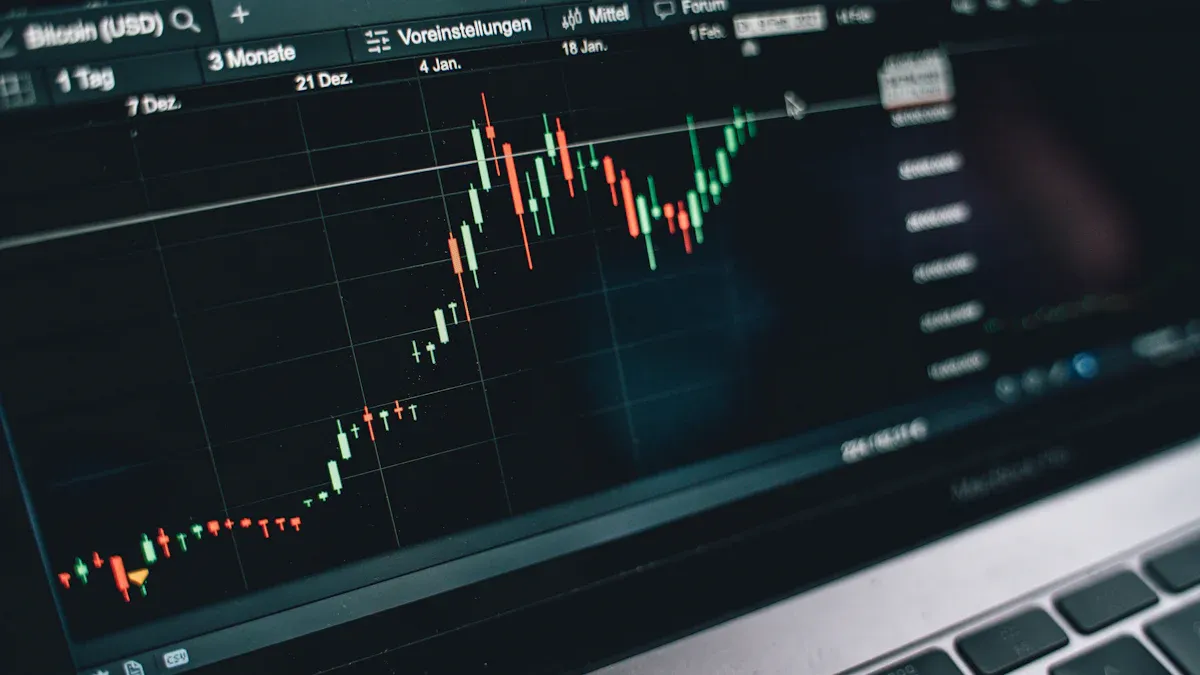
Image Source: pexels
A us futures live price shows the real-time value of a futures contract. This contract is an agreement to trade a stock index at a set future date. This guide gives you practical steps for trading these instruments. Your goal is to understand how to begin trading futures.
You will learn about the core ideas behind us stock market index futures. This includes the power of leverage and managing your risk. Understanding the stock market and its index products is key to successful futures trading.
Before you dive into contracts and leverage, set up a simple “live futures checklist”: (1) where to watch live quotes, (2) how to read contract specs, and (3) how to practice without rushing into real risk. If you’re brand new, start by getting familiar with the underlying market first—BiyaPay’s Stock Market page helps you see how major U.S. indexes and leading stocks move during the session, which makes futures price swings feel less random. Next, keep a quick decoder open so you don’t get stuck on quote fields (bid/ask, spread, volume, tick value). This Stock Quotation Terms glossary is a useful reference while you’re learning to read a live screen.
Once you can calmly interpret what the numbers mean, you’ll be in a much better position to apply leverage responsibly. And if you want to understand how futures fit into a broader multi-asset workflow (stocks, spot, futures), you can review the overall structure on the BiyaPay website—so you’re not “just watching prices,” you’re building a repeatable process.
Key Takeaways
- US stock market index futures are agreements to buy or sell a stock index at a future price. They let you bet on the market’s direction.
- Leverage lets you control a large amount of an index with little money. This can make profits bigger, but it also makes losses bigger.
- Start trading with micro contracts. They need less money and have less risk, which is good for learning.
- Always practice with fake money first. This helps you learn without losing real money.
- Manage your risk by using stop-loss orders and a trading plan. This protects your money from big losses.
Understanding US Stock Market Index Futures
Image Source: unsplash
You can think of US stock market index futures as tools for speculating on the future direction of a major stock market index. Understanding how they work is the first step in your trading journey. This involves learning about the contract itself, how prices move, and the financial mechanics behind each trade.
What Is a Futures Contract?
A futures contract is a legal agreement to buy or sell a specific stock index at a predetermined price on a future date. When you trade US stock market index futures, the underlying asset is not a single stock. Instead, it is a basket of stocks represented by an index, like the S&P 500 or the Nasdaq-100. This gives you exposure to the broad market.
How do index futures work at expiration? You do not receive a portfolio of every stock in the index. These products are cash-settled.
- Futures contracts like the E-mini S&P 500 (/ES) expire directly into cash.
- If you hold a position at expiration, your account is credited or debited the difference between your entry price and the final settlement price of the index.
- Most traders close their positions before expiration to realize a profit or loss.
How US Futures Live Prices Work
The us futures live price you see on your screen changes constantly during trading hours. These price movements create both opportunities and risk. Several key factors drive the price of US stock market index futures.
- Economic Indicators: Reports on employment, inflation, and economic growth heavily influence the stock market index and its futures.
- Market Fundamentals: The overall health of the companies within an index, including their earnings reports, affects investor sentiment.
- Speculative Trading: A large volume of trading comes from speculators. Their buying and selling based on analysis and sentiment create liquidity and price volatility.
These elements combine to create a dynamic futures market full of trading opportunities.
The Power and Peril of Leverage and Margin
One of the main benefits of trading us stock market index futures is leverage. Leverage allows you to control a large amount of a stock index with a relatively small amount of capital. This deposit is called margin.
Initial margin for US stock market index futures is typically 3% to 12% of the contract’s notional value.
This leverage magnifies both potential profit and loss. While it creates opportunities, it is a double-edged sword. A small market move against your position can result in a significant loss. Your losses can exceed your initial margin deposit, leading to a “margin call” from your broker, requiring you to add more funds. This makes futures trading a high-risk activity.
The table and chart below show a real historical example of how trading futures can lead to losses greater than the initial deposit.
| Date | June 1981 T-bond Futures Price | Daily Gain or Loss | Account Balance | Margin Deposit | New Account Balance | Total Deposit |
|---|---|---|---|---|---|---|
| 4/1/81 | 67.03 | - | 0 | $4,000 | $4,000 | $4,000 |
| 4/2/81 | 66.19 | -$840 | $3,160 | $0 | $3,160 | $4,000 |
| 4/3/81 | 65.56 | -$630 | $2,530 | $1,470 | $4,000 | $5,470 |
| 4/6/81 | 63.34 | -$1,720 | $2,280 | $1,720 | $4,000 | $7,190 |
| 4/29/81 | 62.56 | -$820 | $2,720 | $1,280 | $4,000 | $8,470 |
| 5/4/81 | 60.41 | -$1,900 | $1,850 | $2,150 | $4,000 | $10,620 |
Understanding leverage is critical for successful futures trading.
Learn to Trade US Stock Market Index Futures
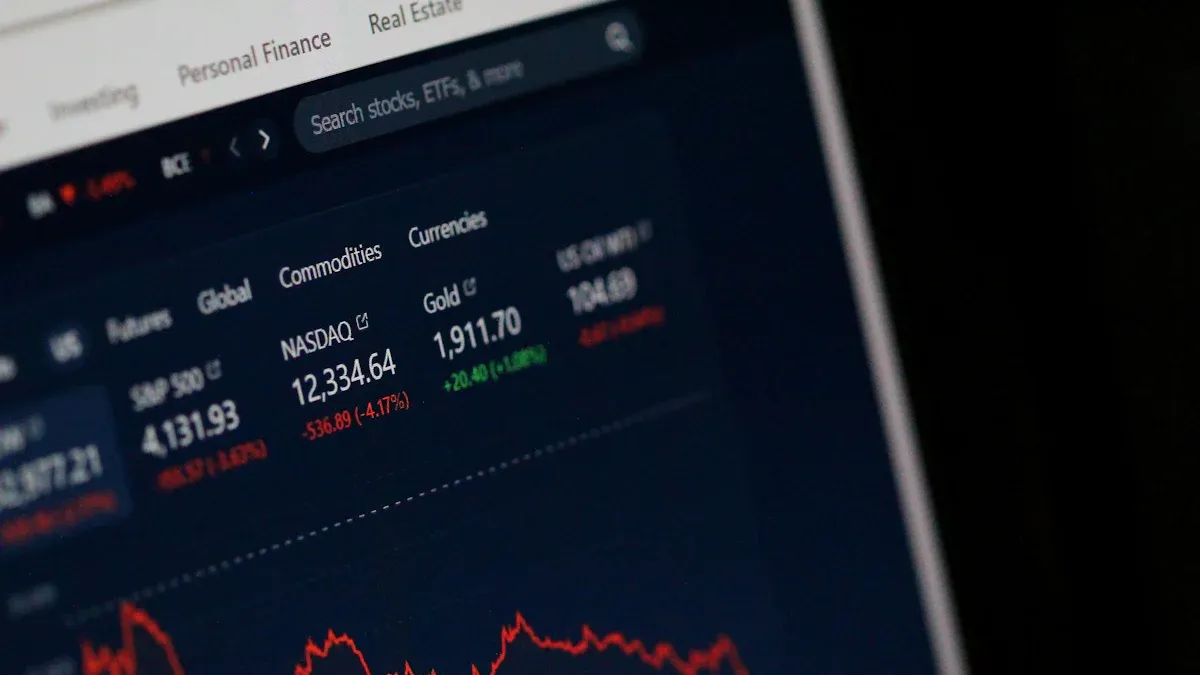
Image Source: unsplash
You can learn to trade US stock market index futures with a structured approach. This process involves setting up your trading environment, choosing the right product, and practicing your skills. Following these steps helps you build a solid foundation for trading futures. This section will guide you through how to learn to trade US stock market index futures.
Step 1: Choose a Futures Broker
Your first practical step is to open an account with a brokerage firm that offers futures trading. Not all stock brokers provide access to futures, and those that do require a specific account approval. Brokers must ensure you meet certain standards. The National Futures Association (NFA) requires that individuals demonstrate competence before engaging in security futures product transactions. Your broker will fulfill this by assessing your trading experience and financial standing through their application process.
You will need to apply for futures trading permissions. This usually involves answering questions about your investment knowledge, risk tolerance, and net worth.
Many people think you need a lot of money to start. However, several major brokers have no minimum deposit to open an account. For example, Interactive Brokers and TD Ameritrade both feature a $0 account minimum. You can open an account without an initial deposit, though you will need to fund it to meet margin requirements before placing a trade.
Step 2: Select Your First Market
After setting up your account, you must choose which market to trade. For beginners, the massive size of standard futures contracts can be intimidating. A better starting point is with micro contracts. These products allow you to trade the us stock market index futures with a smaller financial commitment.
Financial experts recommend you start with micro contracts for several key reasons:
- Lower Capital Requirements: Micro contracts reduce the amount of money needed to enter a trade. Their smaller size means more manageable margin requirements.
- Reduced Risk Exposure: The smaller contract value helps you manage risk more effectively. Each price movement has a smaller dollar impact on your account.
- Strategy Testing: They provide an ideal way to test new trading strategies without committing large amounts of capital.
- Flexible Position Sizing: You can scale your positions with greater precision, adding or removing contracts to fit your risk plan.
The most popular choices for beginners are the Micro E-mini S&P 500 (MES) and the Micro E-mini Nasdaq-100 (MNQ). These contracts are highly liquid, meaning many contracts are bought and sold daily. This high volume ensures you can enter and exit trades easily. The Micro NQ, for instance, often sees higher trading volume than its larger E-mini counterpart.
| Future Contract | Average Daily Trading Volume |
|---|---|
| E-mini Nasdaq-100 (NQ) | Hundreds of thousands of contracts |
| Micro E-mini Nasdaq-100 (MNQ) | Over one million contracts |
This liquidity makes micro contracts an excellent tool as you learn to trade US stock market index futures.
Step 3: Read a Futures Contract
Understanding a futures contract’s specifications is essential before you place a trade. Each futures contract has unique details that determine its value and how it trades. You can find this information on your broker’s platform or the exchange website, like the CME Group.
Let’s look at the Micro E-mini S&P 500 (MES) as an example.
| Contract | Symbol | Exchange | Multiplier | Tick / $ Value |
|---|---|---|---|---|
| Micro E-mini S&P 500 | MES | CME | $5 x S&P 500 Index | 0.25 / $1.25 |
Here is what these specifications mean for your trading:
- Symbol:
MESis the ticker you use to find the contract on your trading platform. - Multiplier: The contract’s value is $5 multiplied by the S&P 500 index price. If the index is at 5,000, the notional value of one contract is $25,000.
- Tick / $ Value: The smallest price movement is 0.25 points, which is called a “tick.” Each tick move is worth $1.25. A full one-point move in the index is worth $5.
When you look at a us futures live price quote, you will see the Bid and Ask prices. The bid is the highest price a buyer is willing to pay, and the ask is the lowest price a seller is willing to accept. The difference between them is the spread. You will also see the bid and ask sizes, which show how many contracts are available at those prices.
Finally, you must know the contract’s expiration date. Most traders close their positions before expiration to avoid settlement. You can find official expiration and roll-over calendars on the CME Group website using tools like their Roll Analyzer.
Step 4: Practice with Simulated Trading
Before you risk real money, you must practice. Simulated trading, or “paper trading,” lets you trade the us stock market index futures in a real-time environment using virtual money. This is the most important step for building confidence and testing your strategy.
Many brokers and platforms offer excellent simulators.
| Platform | Best For | Key Features for Futures Trading |
|---|---|---|
| ProRealTime | Overall professional-grade simulation | Realistic simulation, deep market access, pro-level charting, one-click trading. |
| thinkorswim | Broker demo with institutional-quality analysis | Wide range of instruments including futures, advanced stock screener, good alerts system. |
A great example is thinkorswim’s papermoney® platform. It gives you a virtual account funded with $100,000 to practice trading futures. You get access to the same elite tools as a live account, including real-time data, charting software, and performance analysis. This lets you practice trade execution and risk management without any financial danger.
A Word of Caution: Simulated trading has one major difference from live trading: the absence of real financial risk. This can cause you to develop poor habits, like taking oversized risks, because there are no real consequences. When you practice, you must treat your virtual account with the same discipline you would use for your real money.
Risk Management in Futures Trading
Successful futures trading depends heavily on managing risk. Leverage can amplify losses just as quickly as it can grow your account. You must have a clear plan to protect your capital. This involves using specific order types, controlling your trade size, and following a written plan.
Using Stop-Loss Orders
A stop-loss order is an instruction you give your broker to exit a trade at a specific price. This tool is your primary defense against large losses. However, you must understand its limitations in a fast-moving market. One of the common risks associated with trading us stock market index futures is slippage.
- A stop-loss becomes a market order when your price is hit.
- During high volatility, like after an economic report, the market can move so fast that your order fills at a worse price than you intended.
- This slippage can lead to a larger loss than you planned for.
While not perfect, a stop-loss is an essential tool for disciplined futures trading.
Mastering Position Sizing
Position sizing is how you decide how many futures contracts to trade. Proper sizing is more important than finding the perfect entry point. A common method is fixed fractional sizing, where you risk a small, fixed percentage of your account (like 1-2%) on any single trade. This keeps any one loss from severely damaging your account.
Many new traders make critical sizing mistakes. They might trade too many contracts because they feel confident or stack correlated futures like the ES and NQ. This does not diversify risk; it multiplies your exposure to the same market movement.
Your position size should always be based on your predefined risk management plans, not your emotions.
Developing a Trading Plan
A trading plan is your personal rulebook for futures trading. It removes emotion and guesswork from your decisions. Every trader needs one. Your plan should be written down and must include several key components:
- Your Goals: Define what you want to achieve with your trading.
- Your Markets: List the specific futures contracts you will trade.
- Entry and Exit Rules: Your trading strategy needs objective rules. For example, you might enter when a short-term moving average crosses a long-term one and exit for a loss if the price hits your stop.
- Risk and Money Management: State your position sizing rule and the maximum loss you will accept per day or week before you stop trading.
You should test your strategy in a simulator first. Once you begin live trading, review your plan weekly to ensure you are following your rules and making adjustments based on performance, not feelings. This discipline is the foundation of long-term success.
You now understand that us stock market index futures are leveraged futures. Trading futures requires discipline. Your journey into the futures market starts with a clear process.
- Open an account and practice with a simulator.
- Start with micro futures for the stock index index index index index index index index index.
- Always prioritize risk management.
Your success with us stock market index futures depends on consistent practice. A us futures live price moves fast. A risk-first mindset is your key to longevity in the stock market.
FAQ
What is the best time to trade US futures?
You will find the most trading activity during the main US stock market hours. This is from 9:30 AM to 4:00 PM Eastern Time (ET). High volume during this period usually means tighter spreads and better trade execution for you.
How are futures different from stocks?
You own a piece of a company when you buy a stock. A futures contract is different. It is an agreement to trade an asset at a future date. Futures also use leverage, which means you can control a large position with a small deposit.
Can you hold a futures contract forever?
No, you cannot hold a futures contract forever. Each contract has a specific expiration date. Most traders close their positions before this date. If you hold it through expiration, the contract will be cash-settled in your account.
How much money do you need to start trading futures?
You can open an account with some brokers for $0. However, you need enough money to cover the margin for your trade. Micro contracts like the MES might require around $100 in margin per contract, but you should have more capital to manage risk.
*This article is provided for general information purposes and does not constitute legal, tax or other professional advice from BiyaPay or its subsidiaries and its affiliates, and it is not intended as a substitute for obtaining advice from a financial advisor or any other professional.
We make no representations, warranties or warranties, express or implied, as to the accuracy, completeness or timeliness of the contents of this publication.
Related Blogs of

How AI Startups Can Quickly Open Overseas Corporate Accounts to Receive USD Funding?

How to Convert Cryptocurrency Donations Received by AI Open-Source Projects into Fiat Currency as Development Funds Without Loss?


Don't Want to Expose Your Real Credit Card Information? 5 Privacy Payment Tips in the AI Era

How to Convert Tokens Earned from Playing Web3 Football Games into Alipay Balance with Minimal Loss?

Choose Country or Region to Read Local Blog
 Australia
 Austria
 Belgium
 Canada
 Cyprus
 Czech Republic
 Denmark
 Estonia
 Finland
 France
 Germany
 Greece
 Hong Kong
 India
India Indonesia
 Ireland
 Italy
Italy Japan
Japan Latvia
 Lithuania
 Luxembourg
 Malaysia
 Malta
Malta Morocco
 Nepal
Nepal Netherlands
 New Zealand
 Norway
 Pakistan
 Philippines
 Poland
 Portugal
 Romania
 Singapore
 Slovakia
 Slovenia
 South Africa
 South Korea
 Spain
Spain Sweden
 Thailand
 The United States
 Turkey
 United Arab Emirates
 United Kingdom
 Vietnam
Contact Us




BIYA GLOBAL LLC is registered with the Financial Crimes Enforcement Network (FinCEN), an agency under the U.S. Department of the Treasury, as a Money Services Business (MSB), with registration number 31000218637349, and regulated by the Financial Crimes Enforcement Network (FinCEN).
BIYA GLOBAL LIMITED is a registered Financial Service Provider (FSP) in New Zealand, with registration number FSP1007221, and is also a registered member of the Financial Services Complaints Limited (FSCL), an independent dispute resolution scheme in New Zealand.