Say Goodbye to High Fees: The Money-Saving Secrets of Crypto Cross-Border Transfers



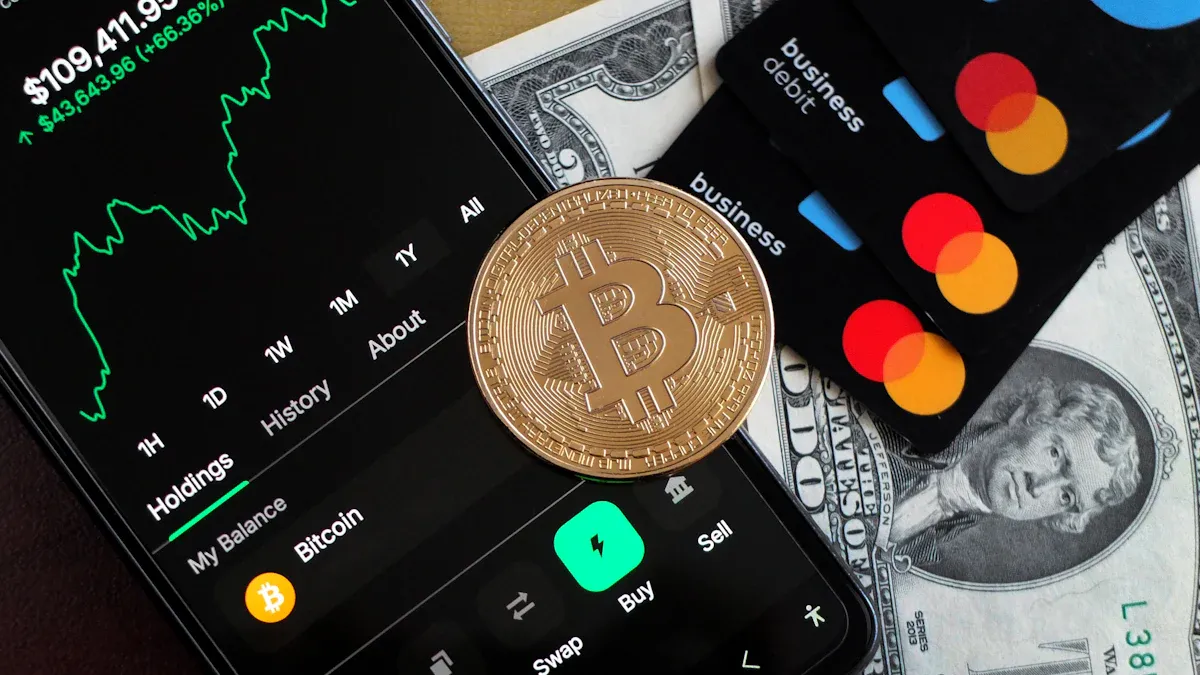
Image Source: pexels
Do you want to achieve low-cost cross-border remittances? The core method is actually very simple.
You just need to master the combo of “choosing stablecoins + low-fee public chains + C2C fiat on/off-ramps.”
Crypto transfers not only have extremely low fees but also far surpass traditional methods in speed. International bank transfers typically take 1-3 business days, while cryptocurrency network confirmations only need a few seconds to minutes. This money-saving guide will walk you through the entire process.
Key Points
- Using stablecoins (such as USDT) for cross-border transfers can avoid the high fees and long waits of traditional remittances.
- Choosing the TRC20 network for USDT transfers can significantly reduce network fees, usually costing only about $1.
- Through C2C trading, you can safely exchange fiat currency into digital currency or digital currency into fiat.
- Before transferring, be sure to carefully verify the recipient address and network, as blockchain transactions cannot be reversed once completed.
- In C2C trading, prioritize reputable merchants and personally confirm bank receipt to ensure fund safety.
Choose Money-Saving Tools: Stablecoins and Low-Fee Public Chains
To complete a cost-saving crypto transfer, you first need to select the right tools. It’s like a long-distance trip—choosing the right transportation can save you a lot of time and money. Our best tool combo is “stablecoins” and “low-fee public chains.”
Why Are Stablecoins the Top Choice for Cross-Border?
When remitting money, the last thing you want is your funds “shrinking” en route due to price volatility. Stablecoins are your fund’s “peace of mind.”
A stablecoin is a digital currency pegged 1:1 to a fiat currency like the USD. For example, 1 USDT (Tether) is worth approximately 1 USD. This stability is achieved through asset backing, where the issuer holds real USD reserves or equivalents to ensure each stablecoin has corresponding value support.
Among many stablecoins, USDT and USDC have become mainstream choices due to their massive market cap and trading volume, ensuring easy exchange worldwide.
By choosing stablecoins, you shield your funds from price fluctuation risks—this is the first layer of cost-saving protection.
Fee Structure: Platform Fees and Network Fees (Gas Fee)
Your total transfer cost mainly consists of two parts:
- Platform Fee: This is the service fee charged by the cryptocurrency exchange you use, typically paid when you “withdraw.” This fee varies by platform and coin.
- Network Fee (Gas Fee): This is the fee paid to the blockchain network to reward the “miners” or validators who process and verify your transaction. Think of it as a delivery fee—it ensures your funds reach the destination safely and accurately.
Money-Saving Key: Choose a Low Network Fee Public Chain
The core secret to saving money lies in reducing the network fee (Gas Fee). The same stablecoin (like USDT) can be issued and transferred on different blockchain networks, and fees vary dramatically across networks.
Network Fee Comparison:
- Ethereum Network (ERC20): As the oldest smart contract platform, it’s very secure, but Gas Fees skyrocket during congestion—a single transfer costing $10 or more is common.
- TRON Network (TRON/TRC20): Designed for high-frequency, low-cost transactions. Transferring USDT in TRC20 format typically costs only about $1 in network fees.
Clearly, choosing the TRC20 network can save you over 90% of network fees. In subsequent steps, correctly selecting the network is a critical move.
At the same time, you may also consider using an all-in-one multi-asset wallet like BiyaPay. It not only supports USDT-based cross-border remittance but also offers a built-in currency rate comparison tool to help you evaluate real-time exchange rates and conversion costs before making a transfer.
With BiyaPay, users can manage both fiat and digital assets in one place, freely converting between more than 30 fiat currencies and 200 digital assets without switching between multiple apps. For cross-border payment users, this unified workflow helps reduce unnecessary intermediaries and transaction costs.
In terms of compliance and security, BiyaPay holds financial licenses in the United States and New Zealand, including the U.S. MSB (Money Services Business) license and New Zealand FSP registration, ensuring transactions and fund management meet international regulatory standards. Whether you’re conducting personal remittances or corporate transfers, your operations remain secure under regulated conditions.
For a smoother experience, you can complete the full process—from C2C fiat on/off-ramp to TRC20 withdrawals—directly within the BiyaPay app, achieving a low-cost, transparent, and secure crypto cross-border transfer.
Safe Deposit: Buy Digital Currency with Fiat
Image Source: pexels
You’ve already chosen the stablecoin and low-fee public chain. Now, you need to convert your fiat currency (such as USD or HKD) into digital currency. This process is called “deposit.” The most mainstream and convenient way is through an exchange’s C2C trading feature.
How to Choose the Right Exchange?
Selecting a safe and reliable exchange is crucial—it’s like your digital asset bank. Before deciding, evaluate these key points:
- Reputation and History: Choose well-known platforms with long operation times and good user reviews.
- Security Measures: Does the platform offer two-factor authentication (2FA), cold storage for funds, and other safeguards?
- Liquidity: A good exchange should have sufficient trading depth to ensure you can buy or sell anytime.
- User Verification (KYC): To comply with anti-money laundering (AML) rules, most platforms require identity verification. Verification requirements differ by platform—some may require less for basic trades, but large transactions mandate advanced certification.
C2C Trading: Safe USDT Purchase Guide
C2C (Customer-to-Customer) trading lets you buy and sell directly with other users. The exchange acts as an escrow platform, securing assets for both parties. Apps like Biyapay offer very smooth C2C trading features.
The process to buy USDT is typically as follows:
- In the platform’s C2C market, select the USDT you want to purchase.
- Find a reputable merchant. Check their completion rate, positive reviews, and trading limits.
- Pay fiat to the merchant using their provided method (e.g., bank transfer).
- After payment, click “I have paid” on the platform.
- Once the merchant confirms receipt, the platform releases the frozen USDT to your account.
Safe Trading Tip C2C trading is very convenient, but stay vigilant.
- Beware of phishing scams: Never click links from unknown emails or texts. All communication and operations should stay within the official platform.
- Prefer Certified Merchants: Prioritize platform-certified merchants with high trading volume and positive ratings to effectively reduce counterparty risk.
Once this step is complete, your digital wallet will hold USDT ready for cross-border transfer.
Execute Crypto Transfer: Core Money-Saving Operation
Now your wallet has USDT—this is the most critical money-saving step in the entire process. You’ll send these digital assets to the recipient. This is called “withdrawal,” and doing it right saves you significant fees.
Specific Withdrawal Transfer Steps
Using a convenient app like Biyapay as an example, here are the steps to complete this key crypto transfer. The process is as simple as filling out a shipping label.
- Obtain Recipient Address First, get the recipient’s USDT receiving address. Confirm it’s on the TRON (TRC20) network. The address is usually a long string of letters and numbers starting with “T.”
- Select Withdrawal Function Log into your exchange or wallet app (e.g., Biyapay), go to the assets page, find your USDT balance, and click “Withdraw” to start.
- Fill in Withdrawal Details (Key Step) On the withdrawal page, enter these critical details:
- Coin: Select USDT.
- Withdrawal Address: Paste the recipient address from step 1.
- Transfer Network: This is the money-saving core! You must select TRON (TRC20).
⚠️ Caution: Network selection is critical! If the recipient address is TRC20 but you mistakenly choose ERC20, the funds will be permanently lost. Double-check that address and network match. With TRC20, your network fee will be as low as ~$1.
- Confirm Fees and Transfer Enter the USDT amount to send. The system will clearly show the estimated network fee (Gas Fee) and actual arrival amount. Carefully verify all details (address, network, amount), then enter your payment password, Google authenticator code, or SMS code (2FA) for security verification, and finally confirm the transfer.
How to Check the Transaction to Ensure Funds Arrive?
After clicking transfer, you’ll want to know where the money is. Blockchain transparency lets you track funds like a package. You’ll need two tools: Transaction Hash (TxID) and Blockchain Explorer.
1. Find Your Transaction Hash (TxID)
The transaction hash (TxID) is the unique identifier of your transfer on the blockchain—like a tracking number. After initiating the transfer, find it in the app’s transfer history or withdrawal records.
- In the transaction details page, there’s usually a “View on Blockchain Explorer” option.
- Clicking it jumps to the blockchain explorer, showing full transaction info.
- You can also copy the TxID and query manually.
2. Use Blockchain Explorer to Query
Since we chose the TRC20 network, use the TRON blockchain explorer, such as TRONSCAN.
Query steps are very simple:
- Open the TRONSCAN website.
- Paste your transaction hash (TxID) into the top search bar.
- Click search.
The page immediately displays detailed transaction status. You’ll see if the transfer succeeded (Result: SUCCESS), confirmation count, amount, and sender/recipient addresses. When the status shows “confirmed” or “SUCCESS,” the funds have safely arrived in the recipient’s wallet.
Easy Withdrawal: Convert Digital Currency to Fiat
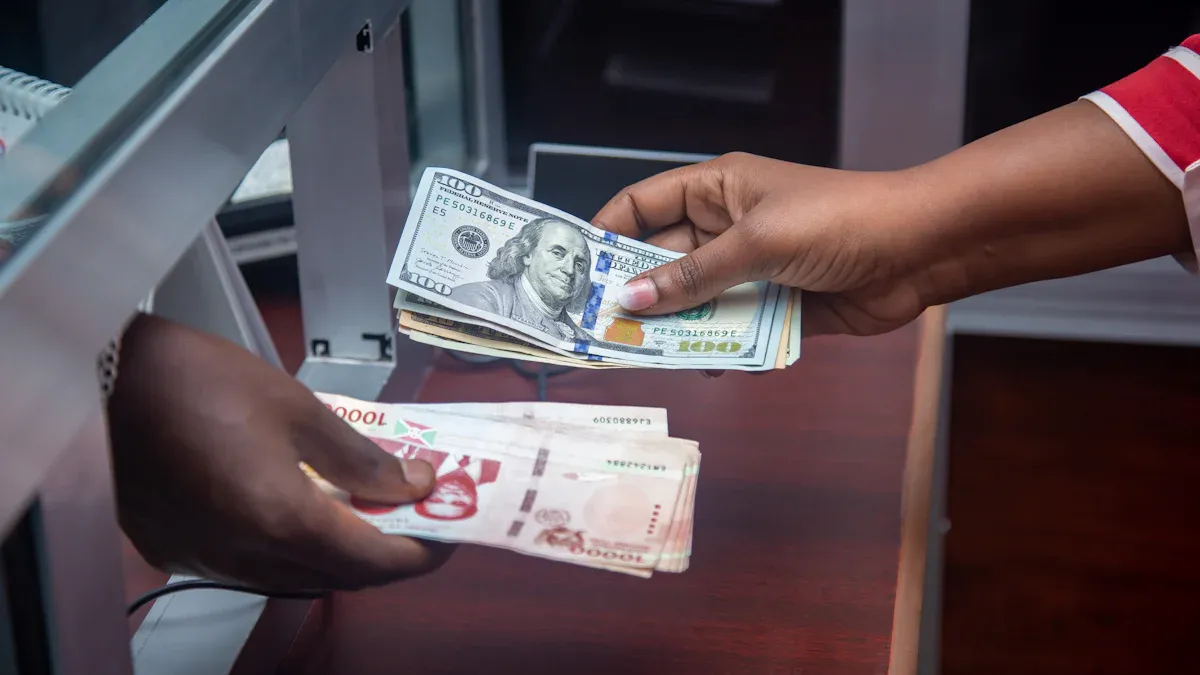
Image Source: pexels
Once the recipient receives your USDT, the process enters the final stage: safely converting digital currency to local fiat. This is called “withdrawal” and can be easily done via the exchange’s C2C feature.
Recipient C2C Selling Process
The recipient’s process to sell USDT is the reverse of your initial purchase. The operation is secure and efficient under the exchange’s escrow. Using an app like Biyapay as an example, the recipient follows these steps:
- Enter C2C Market: Find the C2C trading area in the app and select “Sell” USDT.
- Post Sell Order: Enter the USDT amount to sell and choose a receipt method, e.g., add a licensed Hong Kong bank account as the receiving channel.
- Wait for Buyer Payment: After order matching, wait for the buyer to pay fiat to your provided bank account.
- Confirm Receipt: This is the most critical step. You must log into your bank account and personally verify the funds have arrived. Never proceed based only on the buyer’s payment screenshot or verbal notice.
- Release Digital Currency: After confirming full payment, click “Confirm Receipt and Release” on the platform—the platform will release the escrowed USDT to the buyer.
How Does Platform Escrow Protect You? In C2C trading, the platform acts as a third-party trust intermediary. When you post a sell order, the platform temporarily “freezes” your USDT. Only after you confirm fiat receipt and authorize will the platform transfer the USDT to the buyer. This escrow mechanism greatly reduces trading risks and boosts confidence for both parties.
Completing the Last Mile of Cross-Border Payment
When fiat enters the recipient’s bank account, this low-cost, high-efficiency cross-border payment successfully completes the last mile. You’ve bypassed the high fees and long waits of traditional wire transfers while ensuring funds arrive safely.
However, to ensure the entire process is foolproof, you need to understand one potential risk of C2C trading.
⚠️ Risk Warning: Beware of Fund Sources C2C trading is peer-to-peer exchange. Though the platform provides escrow, you can’t fully guarantee the buyer’s fiat is completely clean. In rare cases, if you receive funds involved in illegal activities (so-called “dirty money”), your bank account may be frozen for investigation. This can cause unnecessary trouble.
To minimize this risk, recipients should prioritize platform-certified merchants with high reputation, large trading volume, and high positive ratings. These merchants typically undergo stricter platform audits and have more reliable fund sources.
Congratulations—you’ve now mastered the secrets of low-cost cross-border remittances. Let’s quickly recap the core three steps:
- Use Stablecoin (USDT): Avoid price fluctuation risks.
- Choose TRC20 Network: Minimize network fees.
- Leverage C2C Trading: Easily handle fiat on/off-ramps.
⚠️ Safety Always Comes First While enjoying convenience, stay vigilant about risks. When transferring crypto, always double-check the recipient address and network—once wrong, funds may be permanently lost. Additionally, regulations and tax policies for crypto assets vary by country, for example, the Financial Action Task Force (FATF) requires collecting trader information. You must understand and comply with local laws and regulations to ensure all operations are compliant.
FAQ
What if I enter the wrong transfer address?
Blockchain transfers are irreversible. If you enter the wrong address or select the wrong network, funds will be permanently lost and unrecoverable. Therefore, you must double-check the address and network before transferring.
Why not use Bitcoin for cross-border transfers?
Bitcoin’s price is highly volatile. During transfer, its value may drop, causing the recipient to receive less than expected. Stablecoins (like USDT) are pegged to the USD, effectively avoiding this price risk and ensuring stable value.
Is C2C trading really safe?
The platform secures assets through escrow. But when receiving fiat, you must personally log into your bank account to confirm—never trust screenshots alone. Prioritizing platform-certified, reputable merchants minimizes risk to the greatest extent.
How long does a TRC20 transfer usually take?
The TRC20 network is known for speed. A transfer typically completes block confirmation in seconds to minutes. You can check transaction status in real-time on a blockchain explorer like TRONSCAN to confirm fund arrival.
*This article is provided for general information purposes and does not constitute legal, tax or other professional advice from BiyaPay or its subsidiaries and its affiliates, and it is not intended as a substitute for obtaining advice from a financial advisor or any other professional.
We make no representations, warranties or warranties, express or implied, as to the accuracy, completeness or timeliness of the contents of this publication.
Related Blogs of
Tap and Go A Beginner's Guide to Cardless ATM Withdrawals

How to Fill Out a CVS Money Order A 2026 Guide

What is the Dialing Code for the USA and How to Call?


SoFi Checking and Savings A Deep Dive Review

Choose Country or Region to Read Local Blog
 Australia
 Austria
 Belgium
 Canada
 Cyprus
 Czech Republic
 Denmark
 Estonia
 Finland
 France
 Germany
 Greece
 Hong Kong
 India
India Indonesia
 Ireland
 Italy
Italy Japan
Japan Latvia
 Lithuania
 Luxembourg
 Malaysia
 Malta
Malta Morocco
 Nepal
Nepal Netherlands
 New Zealand
 Norway
 Pakistan
 Philippines
 Poland
 Portugal
 Romania
 Singapore
 Slovakia
 Slovenia
 South Africa
 South Korea
 Spain
Spain Sweden
 Thailand
 The United States
 Turkey
 United Arab Emirates
 United Kingdom
 Vietnam
Contact Us




BIYA GLOBAL LLC is a licensed entity registered with the U.S. Securities and Exchange Commission (SEC No.: 802-127417); a certified member of the Financial Industry Regulatory Authority (FINRA) (Central Registration Depository CRD No.: 325027); regulated by the Financial Industry Regulatory Authority (FINRA) and the U.S. Securities and Exchange Commission (SEC).
BIYA GLOBAL LLC is registered with the Financial Crimes Enforcement Network (FinCEN), an agency under the U.S. Department of the Treasury, as a Money Services Business (MSB), with registration number 31000218637349, and regulated by the Financial Crimes Enforcement Network (FinCEN).
BIYA GLOBAL LIMITED is a registered Financial Service Provider (FSP) in New Zealand, with registration number FSP1007221, and is also a registered member of the Financial Services Complaints Limited (FSCL), an independent dispute resolution scheme in New Zealand.