
Is HBM Taking Capacity Away from Ordinary DRAM? The Impact on PC and Server Memory Prices




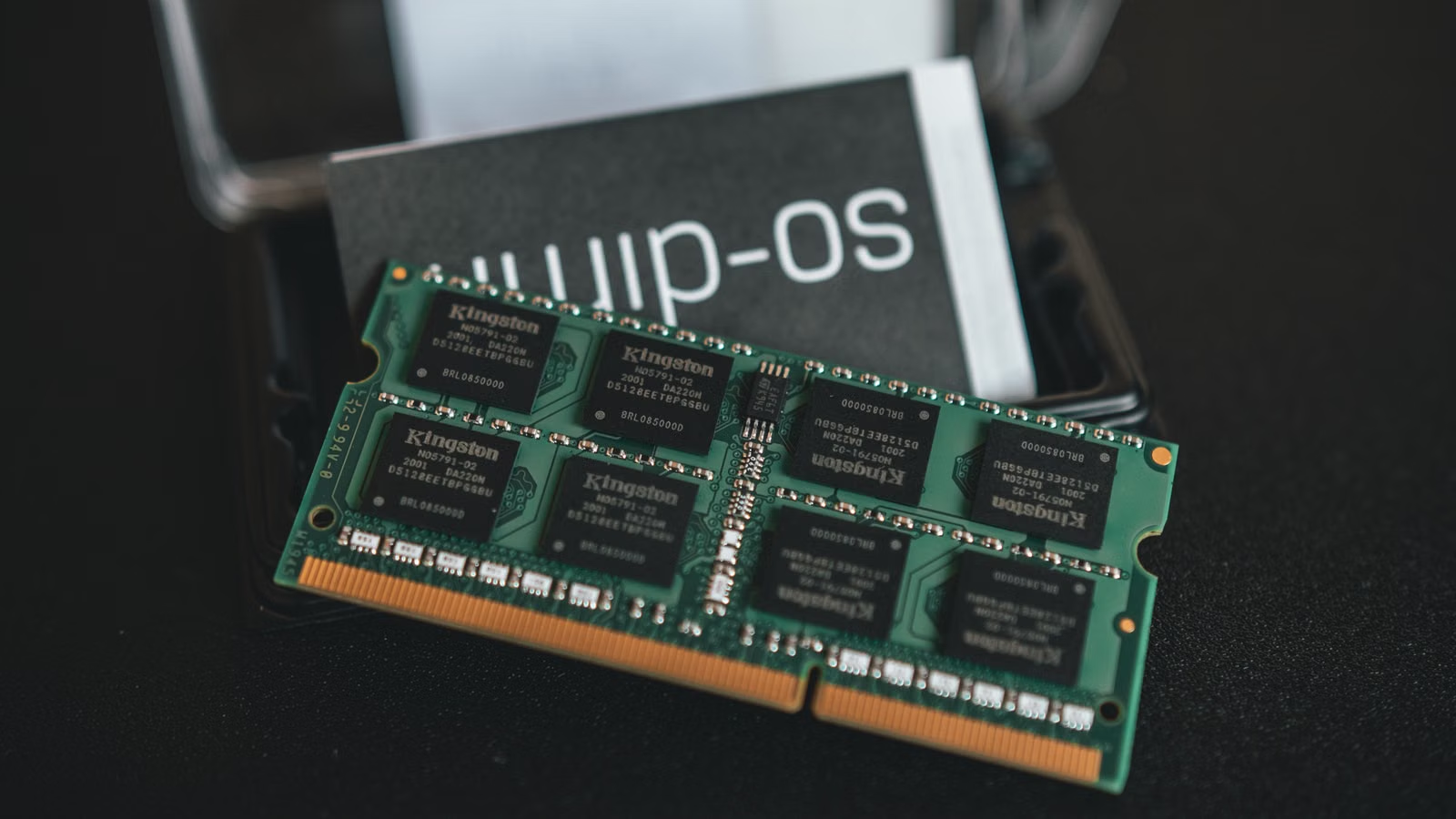
HBM is taking capacity away from ordinary DRAM, but not in the simple sense that a DDR5 production line is directly converted into an HBM line. What is really being squeezed is advanced DRAM wafer capacity, TSV stacking, advanced packaging, testing resources, and supply priority for major customers. For you, the impact on PC memory prices mainly comes from weaker ordinary DDR5 supply elasticity, while server memory prices are being pushed up by AI servers, cloud provider long-term agreements, high-capacity DDR5, and HBM demand at the same time.
Key Takeaways
- HBM is squeezing ordinary DRAM mainly through wafer, packaging, and customer resource reallocation.
- PC memory price increases are more indirect, while server memory price increases are more persistent.
- The three major memory makers are prioritizing HBM because AI customer orders are more certain and more profitable.
- Ordinary DRAM will not disappear, but DDR4 and consumer-grade modules will receive lower priority.
- To judge the memory cycle, you need to track HBM, server DDR5, bit supply, and AI capex together.
Is HBM Really Taking Capacity Away from Ordinary DRAM?
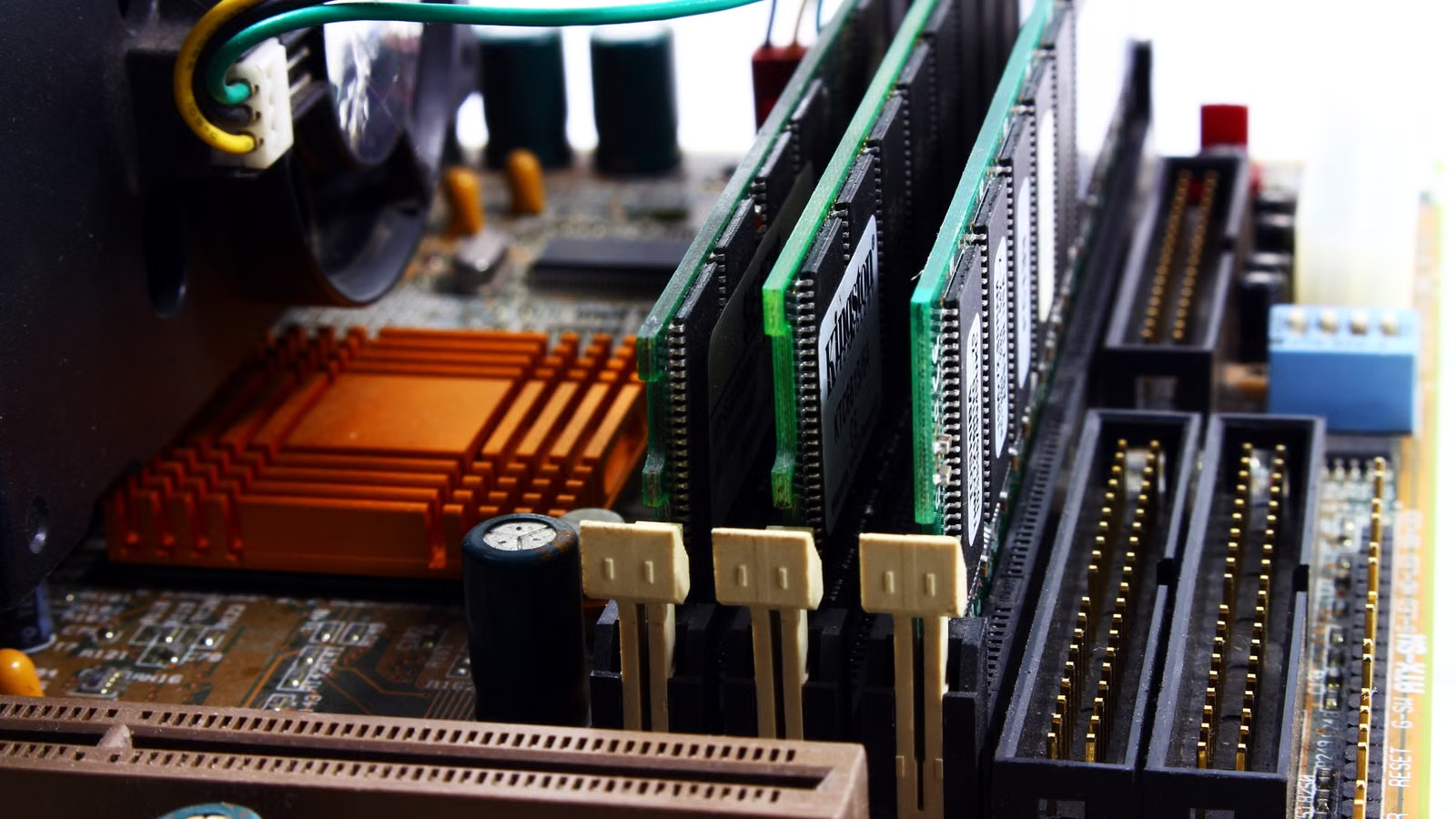
HBM is taking capacity away from ordinary DRAM, but the relationship is not as linear as “one HBM chip produced means one fewer DDR5 chip.” A more accurate way to understand it is this: HBM absorbs limited advanced DRAM wafers, yield ramp resources, TSV processes, advanced packaging, and testing capacity. When resources are limited, the three major memory makers naturally prioritize orders from AI GPUs, AI ASICs, and cloud providers, while PCs, smartphones, and some consumer memory products receive lower supply priority.
HBM is still a form of DRAM. It uses multi-layer stacking, TSV, silicon interposers, or advanced packaging to place more DRAM dies close to GPUs or AI accelerators, achieving higher bandwidth and lower power consumption. Ordinary DDR5 is mainly used by CPUs and system memory, while HBM is mainly used in GPUs, AI accelerators, AI ASICs, and high-performance computing. Their end uses are different, but both consume upstream DRAM wafers and advanced manufacturing resources.
This is why TrendForce’s estimate of HBM wafer input is important. It expects the three major suppliers’ HBM wafer input to account for roughly 18%, 22%, and 30% of total DRAM wafer input by the end of 2025, 2026, and 2027, respectively, while HBM bit supply is expected to account for only about 8%, 9%, and 13% of total DRAM bit supply. This means HBM consumes more wafer resources than its bit share suggests, and the squeeze effect may intensify as HBM4, HBM4E, and higher stack counts expand.
| Squeeze Layer | Specific Resource | Impact on Ordinary DRAM |
|---|---|---|
| Wafer Layer | DRAM wafer capacity | Slower growth in available DDR5 and LPDDR bit supply |
| Process Layer | Advanced DRAM nodes | Higher priority for high-end server DRAM and HBM |
| Packaging Layer | TSV, stacking, testing | HBM bottlenecks raise overall delivery costs |
| Customer Layer | GPU, ASIC, CSP orders | Weaker bargaining power for PC and smartphone customers |
| Capex Layer | Cleanrooms, tools, engineering resources | Slower release of new ordinary DRAM supply |
However, not all DRAM categories are squeezed in the same way. Server DDR5 may actually be prioritized together with HBM, because AI servers need GPU-side HBM as well as CPU-side system memory, RDIMM, MRDIMM, and future CXL memory. The categories more directly affected are usually low-end DDR4, consumer DDR5, some LPDDR products, and price-sensitive PC and smartphone memory.
Summary: HBM is indeed squeezing ordinary DRAM, but the squeeze is a structural reallocation of resources rather than a simple production-line replacement. What you need to watch is not whether “HBM replaces DDR5,” but how the three memory makers allocate wafers, packaging, testing, engineering, and customer resources. The more important HBM becomes, the more vendors will prioritize AI customers. Server DDR5 will also receive higher priority because it is tied to AI servers, while PC DRAM, DDR4, and consumer modules are more likely to face tighter supply and higher costs.
Why Are Samsung, SK hynix, and Micron Prioritizing HBM?
Samsung, SK hynix, and Micron are prioritizing HBM because HBM is tied to AI GPUs, AI ASICs, and long-term hyperscaler projects. Orders are locked earlier, customers are more concentrated, unit prices are higher, and gross margin leverage is stronger. Ordinary PC DRAM and smartphone DRAM remain important, but they are more exposed to consumer end-market cycles. For memory manufacturers, allocating limited capacity to HBM and high-capacity server DDR5 delivers a much better return on capital.
HBM customer quality is higher than ordinary consumer memory. Its core customers include Nvidia, AMD, Google TPU, AWS custom chips, AI server manufacturers, and major cloud providers. These customers usually plan next-generation platforms in advance and need to participate in validation, lock capacity, and coordinate packaging and yield schedules. By comparison, PC OEMs and smartphone makers have large shipment volumes, but they are more price-sensitive. If memory prices rise too quickly, they may reduce specifications, delay procurement, or lower inventory.
SK hynix noted in its 2026 memory market outlook that resources shifting toward HBM are improving the supply-demand balance for general-purpose memory, and that server DDR5 module demand and HBM will become the two key pillars of the 2026 DRAM market. The meaning is straightforward: HBM not only creates its own revenue growth, but also absorbs capacity and helps ordinary DRAM move away from past oversupply pressure.
Micron’s commentary also reflects a shift toward long-term agreements. Its Micron fiscal 2026 first-quarter materials show that the company had completed pricing and volume agreements for its full calendar 2026 HBM supply, including HBM4. This means HBM is no longer priced mainly like traditional DRAM on a quarterly negotiation basis. It is increasingly moving toward an “advance volume lock, advance pricing lock, long-term collaboration” model.
| Product Type | Main Customers | Demand Stability | Margin Leverage | Capital Priority |
|---|---|---|---|---|
| HBM3E / HBM4 | GPUs, ASICs, cloud providers | High | High | Highest |
| High-Capacity Server DDR5 | AI servers, CSPs | Relatively high | Relatively high | High |
| PC DDR5 | PC OEMs, DIY market | Medium | Medium | Medium |
| DDR4 / Low-End DRAM | Legacy platforms, industrial uses, low-end devices | Divergent | Lower | Declining |
| Mobile LPDDR | Smartphones, tablets, AI PCs | Affected by device cycle | Medium | Selective investment |
Samsung is reinforcing the same direction. Its Samsung HBM4 disclosure shows that the company has launched commercial HBM4 for AI computing and is positioning HBM4 as a key high-value AI memory product line. For Samsung, which has large-scale DRAM, foundry, and advanced packaging capabilities, HBM can also strengthen internal resource synergies and deepen ties with GPU makers and hyperscalers.
Summary: The three major memory makers are not shifting toward HBM because of short-term hype. They are doing so because AI memory is reshaping the profit pool of the DRAM industry. HBM customers are more concentrated, qualification is deeper, orders are longer, unit prices are higher, and demand is closely tied to AI capex. Ordinary DRAM remains a large market, but when wafers, cleanrooms, packaging, and engineering resources are limited, manufacturers naturally prioritize HBM and high-capacity server DDR5. Once you understand this, PC memory price increases no longer look like an isolated event, but rather the result of resource reallocation across the entire memory industry.
How Does the Shift Toward HBM Capacity Affect PC Memory Prices?
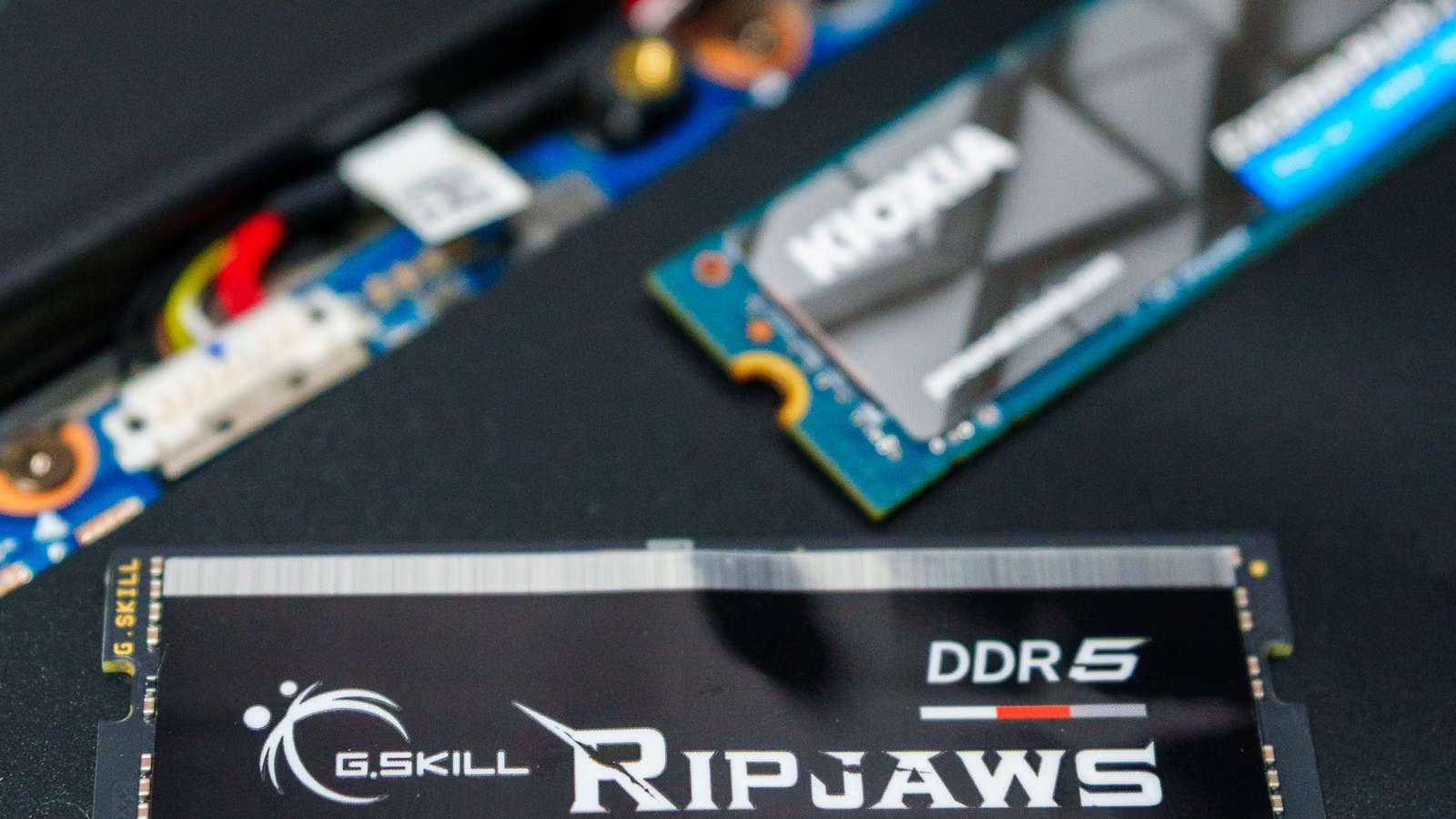
The shift toward HBM capacity can push PC memory prices higher, but its impact on PCs is usually indirect rather than the most immediate or powerful link. PC DRAM price increases mainly come from slower ordinary DDR5 bit supply growth, faster DDR4 phase-out, higher procurement costs for OEMs, and vendors reserving more priority supply for AI and server customers. The laptop price increases, DIY memory module price increases, and lower-end PC specification cuts you see are often the result of this transmission chain.
The transmission chain can be broken into five steps:
- HBM absorbs advanced DRAM wafers, TSV, and packaging resources;
- Available ordinary DDR5 and LPDDR supply growth slows;
- PC OEMs, module makers, and channel distributors face higher procurement costs;
- Laptop, desktop, and DIY memory prices rise;
- Lower-end models shift costs through lower specifications, higher prices, or fewer promotions.
The PC market is highly price-sensitive. Server customers may lock high-capacity memory for AI training, inference services, and cloud computing nodes, but ordinary consumers will not accept unlimited memory price increases. PC OEMs also constantly balance BOM costs, end-user pricing, and shipment volume. If memory costs rise too quickly, the common response is not for all PCs to raise prices sharply at the same time. Instead, vendors may adjust configurations, such as changing a 32GB standard configuration to 16GB, using standard-frequency memory instead of higher-frequency memory, or shortening promotional periods.
IDC’s view of the 2026 device market also notes that memory shortages are affecting the PC and smartphone markets, forcing device makers to make new trade-offs among pricing, specifications, and supply. This is useful for anyone buying a PC or upgrading memory: memory price increases may not immediately show up in every retail PC price, but they may first appear as lower configurations, fewer discounts, and larger premiums for high-memory versions.
PC memory products more likely to be affected include:
- Mainstream DDR5 modules: more directly affected by ordinary DDR5 contract pricing.
- High-capacity laptop memory: more exposed to LPDDR and DDR5 supply allocation.
- DDR4 memory for older platforms: local price divergence may widen if vendors continue exiting older processes.
- DIY high-frequency memory: affected by chip cost, channel inventory, and enthusiast demand.
- Branded PCs: vendors may shift costs through higher prices, lower specifications, or fewer promotions.
Summary: HBM’s impact on PC memory prices is indirect but real. PCs are not the highest-priority market for the three DRAM makers. When AI and server demand is stronger, consumer memory faces less supply elasticity. However, PC users and OEMs are more price-sensitive, and price increases that are too fast can suppress upgrades and replacement demand. Therefore, PC memory prices are more likely to show phased increases, specification divergence, and low-end product downgrades rather than unlimited price increases across all categories. If you plan to upgrade PC memory, you should monitor channel inventory, DDR5 contract pricing, PC configuration changes, and actual promotional discounts together.
Why Are Server Memory Prices More Heavily Affected?
Server memory prices are more heavily affected because AI servers need both HBM and high-capacity DDR5. GPUs or AI accelerators require HBM, but CPU-side workloads, data preprocessing, inference services, virtualization, databases, and storage nodes still require large amounts of system memory. In other words, server DRAM and HBM are not simple substitutes; they are both being pulled higher by AI infrastructure demand.
Many people mistakenly think AI servers only need HBM. HBM mainly solves high-bandwidth access on the GPU side, but an AI server still needs CPUs, DDR5 RDIMM, MRDIMM, networking, SSDs, and system memory to work together. Dataset preparation, inference request scheduling, caching, databases, vector search, virtualization, and multi-tenant management all rely on high-capacity server DRAM. As AI inference scales, node counts increase, and system memory demand rises as well.
TrendForce’s market observation on server DRAM prices shows that U.S. CSPs locking capacity are intensifying the server DRAM supply-demand gap, giving Samsung and SK hynix stronger negotiating power in server DRAM pricing. Specific prices will vary by contract, customer, and timing, but the direction is clear: the pricing logic for server memory is more direct than for PC memory. If cloud providers want to expand AI clusters, they must secure memory in advance.
| Comparison Dimension | PC DDR5 | Server DDR5 |
|---|---|---|
| Main Customers | PC OEMs, DIY users | CSPs, server OEMs, enterprise data centers |
| Price Sensitivity | High | Relatively low |
| Procurement Method | Short-cycle, strongly affected by channel inventory | Contract procurement, long-cycle planning |
| Product Form | UDIMM, SODIMM, LPDDR | RDIMM, MRDIMM, high-capacity modules |
| Demand Driver | Replacement cycle, gaming, office work | AI inference, cloud computing, databases |
| Ability to Absorb Price Increases | Weaker | Stronger |
Server DDR5 also benefits from a stronger product mix. High-capacity RDIMM, MRDIMM, and AI server-oriented memory modules often have higher ASPs and higher qualification barriers than consumer memory. Customers are not just buying memory chips; they are buying stability, reliability, long-term supply, and platform compatibility. Cloud providers are often willing to accept higher prices rather than risk delaying GPU cluster deployment because memory supply is insufficient.
Summary: Server memory prices are more affected by the shift toward HBM capacity because they are driven by two forces at once: HBM consumes more advanced DRAM resources, and AI servers themselves require more high-capacity DDR5 system memory. PC memory price increases are constrained by end-market demand, while server memory is supported by cloud providers, AI clusters, and enterprise data centers. These customers care more about delivery certainty, system performance, and total cost of ownership. As a result, in the same memory cycle, server DRAM usually has stronger price resilience than PC DRAM.
Will Ordinary DRAM Face Long-Term Shortages Because of HBM?
Ordinary DRAM will not become permanently unavailable because of HBM, but it may face structural tightness. Future supply is more likely to be prioritized for high-value products such as HBM, high-capacity server DRAM, and LPDDR5X, while PCs, low-end DDR4, and price-sensitive consumer electronics are more likely to experience supply volatility. You can think of it this way: ordinary DRAM will not disappear, but the era of “cheap, abundant, and always available” DRAM may become harder to maintain.
Tight supply does not mean there is no new capacity. It means new capacity takes a long time to come online. DRAM expansion requires cleanrooms, EUV, advanced packaging, tool delivery, engineering tuning, and yield ramp-up. It cannot scale quickly like ordinary manufacturing. In Micron’s fiscal 2026 first-quarter materials, the company noted that industry supply is constrained by factors such as cleanroom availability, HBM trade ratio, and slower node migration bit growth. These factors all limit new ordinary DRAM bit supply.
The outlook differs by DRAM category:
| Product Type | Future Supply State | Price Elasticity | Main Reason |
|---|---|---|---|
| HBM3E / HBM4 | Priority expansion | Strong | Clear demand from AI GPUs and ASICs |
| Server DDR5 | Priority support | Relatively strong | AI server and cloud computing demand |
| PC DDR5 | Lower supply elasticity | Medium | Constrained by consumer demand and channel inventory |
| LPDDR5X | Selective support | Medium | Demand remains in high-end smartphones and AI PCs |
| DDR4 | Gradual marginalization | Divergent | Legacy demand remains, but capacity is being phased out |
Memory price cycles still exist. The industry will not fully escape cyclicality just because of HBM, because AI capex, end-market demand, inventory, capacity investment, and price negotiations still fluctuate. If AI investment slows, or if new capacity comes online faster than expected, DRAM prices can still fall. What is different from past cycles is that HBM long-term agreements and AI server DRAM demand may raise the industry’s profit center, making the old era of extremely cheap ordinary DRAM harder to repeat.
Summary: The key question for ordinary DRAM is not “will it disappear?” but “who gets priority supply?” AI customers and server customers will receive higher resource priority, while PC and consumer electronics customers will have relatively weaker bargaining power. Supply tightness will gradually ease as new capacity is released, but as long as HBM and AI server demand remain strong, ordinary DRAM prices are more likely to stay above the lows seen in past cycles. To judge future memory prices, you should not only look at HBM news; you also need to watch inventory, end demand, capital expenditure, and server procurement cycles.
What Signals Should Ordinary Users, Enterprise Buyers, and Investors Watch?
To judge whether HBM is continuing to squeeze ordinary DRAM, you should not focus only on headlines about “memory price increases.” You should watch HBM order coverage, DRAM bit supply growth, server DDR5 contract pricing, PC OEM specification cuts, the three major memory makers’ capital expenditure, and whether AI capex continues. Ordinary users, enterprise buyers, and investors have different priorities, but the core question is the same: are memory price increases caused by short-term inventory fluctuation, or has the supply structure changed?
Ordinary users should first watch pricing and upgrade windows. If you only use your PC for light office work, HBM-related news does not mean you must upgrade memory immediately. But if you already need 32GB, 64GB, or more, you should track DDR5 module prices, laptop memory configurations, DDR4 supply changes, and PC promotional cycles. During a price-up cycle, PC makers may not immediately raise headline prices. They may first reduce discounts on high-end configurations or reserve higher memory capacity for premium models.
Enterprise buyers should focus more on delivery cycles and configuration lock-ins. Server procurement should not be evaluated only by unit price. Buyers also need to consider delivery schedules for RDIMM, MRDIMM, eSSD, GPU servers, and switches. If a company is planning AI inference, database expansion, or a private cloud project, memory configurations should be confirmed together with the server platform in advance, so that system memory, SSDs, or network components do not become bottlenecks after GPUs arrive.
Investors need to watch both the three major memory makers and downstream demand tolerance:
| Observation Target | Key Indicators | What It Helps Judge |
|---|---|---|
| Samsung, SK hynix, Micron | HBM revenue, gross margin, capital expenditure | Supply priority |
| DRAM Market | Bit supply, contract prices, spot prices | Price trend |
| PC OEMs | Memory configurations, PC price increases, shipments | Consumer demand tolerance |
| Server Supply Chain | High-capacity DDR5, AI server orders | Server memory resilience |
| Cloud Providers | AI capex, GPU cluster expansion | Sustainability of HBM demand |
| Compliance Risk | Price-fixing allegations, antitrust investigations | Sentiment and policy variables |
If you are following Micron, Samsung, SK hynix, AI servers, semiconductor ETFs, or memory supply-chain stocks, you also need to pay attention to actual trading costs in addition to the memory cycle. U.S. stock trading costs may include not only commissions, but also platform fees, external agency fees, trading activity fees, and other charges. For example, Biya U.S. stock trading fees state that U.S. stock trading commission is $0, while platform fees, external agency fees, and other charges are subject to the fee schedule and order page. Public market information, trading rules, and fee structures are only references for decision-making and do not constitute investment advice.
Summary: HBM’s squeeze on ordinary DRAM capacity affects consumer electronics purchasing, server procurement, and capital market analysis at the same time. Ordinary users should watch actual memory prices and upgrade timing. Enterprises should watch delivery cycles and configuration lock-ins. Investors should watch HBM revenue, server DRAM contract pricing, gross margins, and AI capex. The main mistake to avoid is attributing all memory price increases solely to HBM, because inventory, end demand, capacity investment, and price negotiations also matter. A more disciplined approach is to observe HBM, server DDR5, PC DDR5, LPDDR, and DDR4 within the same supply-demand framework.
If you are tracking the memory and AI storage value chain, you can place Micron, Samsung Electronics, SK hynix, Nvidia, AMD, server OEMs, semiconductor ETFs, and cloud provider capital expenditure within one framework. You can use Biya to follow U.S. stocks, Hong Kong stocks, crypto assets, and other multi-asset markets, and use U.S. stock information lookup to compare basic information on memory chip and AI server-related companies. If services are available in your region, you can then proceed through the Biya App. Service availability depends on your location, identity verification result, platform rules, and applicable laws and regulations. Before trading, always refer to the order page, fee schedule, and your own risk tolerance.
FAQ
Why does the shift toward HBM capacity affect DDR5 memory prices?
Because HBM and DDR5 both rely on DRAM wafers and advanced process resources, while HBM also requires TSV, stacking, and testing capacity. Once the three major suppliers prioritize HBM, the supply elasticity of ordinary DDR5 declines, affecting procurement costs for both PC and server customers.
Are PC memory price increases mainly caused by HBM taking capacity?
HBM is an important factor, but not the only one. PC memory prices are also affected by DDR4 phase-out, DDR5 contract pricing, channel inventory, PC shipments, and OEM procurement strategies. HBM is better understood as a structural backdrop that compresses ordinary DRAM supply.
Why is server DDR5 more price-resilient than PC DDR5?
Server DDR5 is more price-resilient because AI servers, cloud computing, and enterprise data centers have stronger demand for high-capacity memory, and customers care more about delivery stability and system performance. PC DDR5 is more affected by end-user price sensitivity, so rapid price increases can suppress upgrades and replacement demand.
Could HBM shortages continue beyond 2027?
They could continue beyond 2027, but the outcome depends on AI capex, HBM4 yields, advanced packaging capacity, and expansion progress at the three major memory makers. Micron has noted that industry supply is constrained by factors such as HBM trade ratio, cleanrooms, and node migration, but actual prices will still fluctuate with demand and inventory.
When is a better time for ordinary consumers to upgrade PC memory?
The better timing depends on actual prices, platform needs, and usage scenarios, not just HBM news. If you already need higher memory capacity, compare channel prices with historical ranges. If your usage is mostly light office work, waiting for promotions or PC configuration adjustments may be more prudent.
What HBM-related risks should investors watch in memory stocks?
Key risks include slower AI capex, weaker-than-expected HBM yields, advanced packaging bottlenecks, ordinary DRAM price declines, weaker PC and smartphone demand, and valuations that have already priced in optimistic expectations. Investment decisions should be based on financial reports, orders, fee structures, and personal risk tolerance.
*This article is provided for general information purposes and does not constitute legal, tax or other professional advice from BiyaPay or its subsidiaries and its affiliates, and it is not intended as a substitute for obtaining advice from a financial advisor or any other professional.
We make no representations, warranties or warranties, express or implied, as to the accuracy, completeness or timeliness of the contents of this publication.
Related Blogs of

Buying US Stocks from Overseas: Broker Options, Funding, and Costs


Cheapest Way to Transfer Money Internationally: Small vs. Large Transfers



Choose Country or Region to Read Local Blog
 Australia
 Austria
 Belgium
 Canada
 Cyprus
 Czech Republic
 Denmark
 Estonia
 Finland
 France
 Germany
 Greece
 Hong Kong
 India
 Indonesia
 Ireland
 Italy
 Japan
 Latvia
 Lithuania
 Luxembourg
 Malaysia
 Malta
 Morocco
 Nepal
 Netherlands
 New Zealand
 Norway
 Pakistan
 Philippines
 Poland
 Portugal
 Romania
 Singapore
 Slovakia
 Slovenia
 South Africa
 South Korea
 Spain
 Sweden
 Thailand
 United States
 Turkey
 United Arab Emirates
 United Kingdom
 Vietnam