
Buying Crypto with a Bank Transfer: Steps, Fees, and Withdrawal Holds




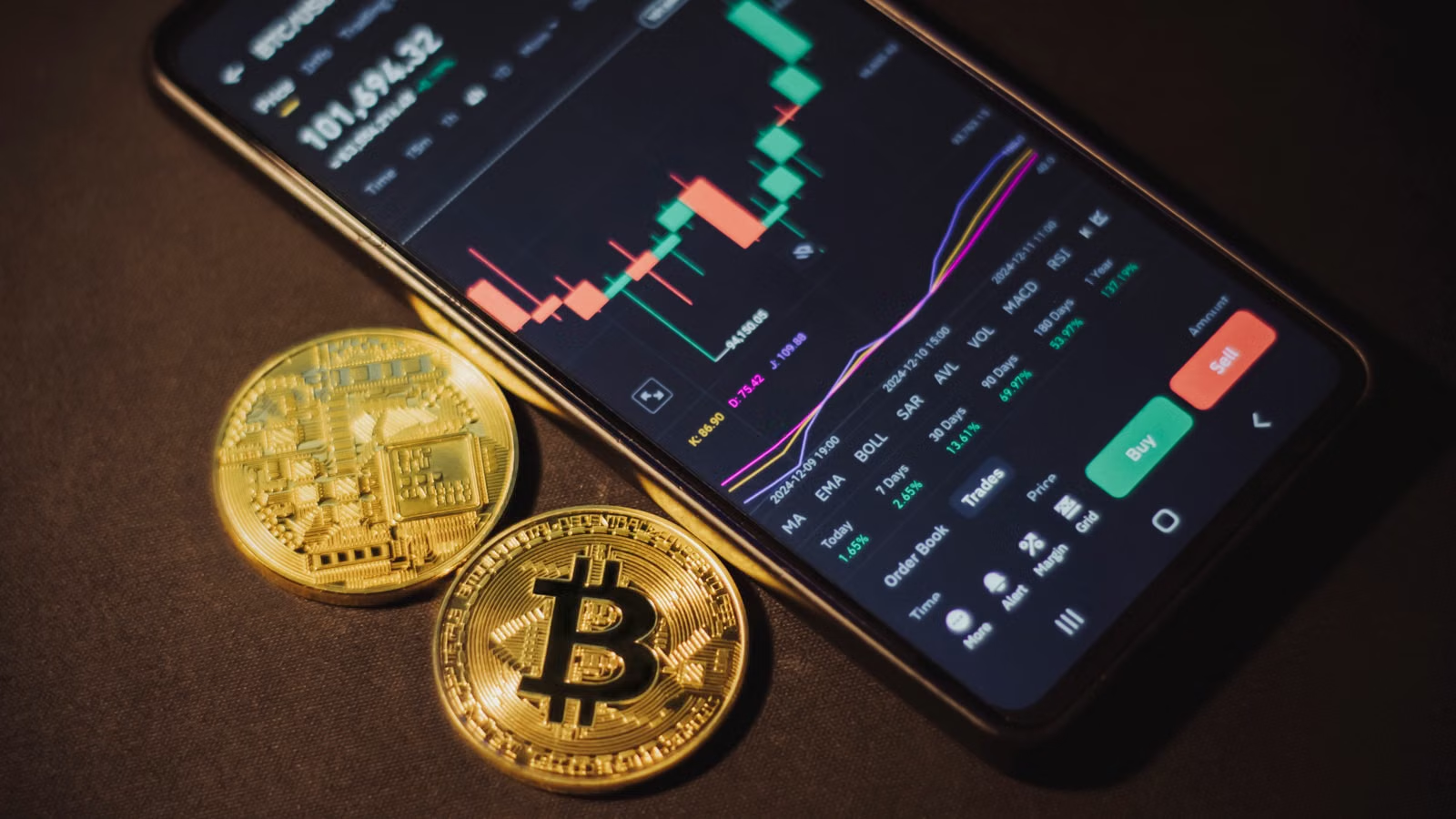
Buying crypto with a bank account can mean depositing cash on a platform before placing an order, authorizing a debit from a linked account, or paying a seller through a P2P order. Each route has different recipients, purchase steps, and payment-confirmation rules. A bank debit, a platform balance, a completed purchase, and permission to transfer assets to an external wallet are separate states to verify. Identify your purchase route first, then check account names, payment details, total costs, and withdrawal availability to plan the full journey from bank funds to crypto received in your wallet.
Key Takeaways
- Platform deposits, linked-bank purchases, and P2P payments involve different recipients and steps.
- Bank account names, verified platform identities, and account types must meet the applicable funding rules.
- Check recipient details before each payment and include any required deposit reference.
- Beyond deposit charges, account for execution prices, trading fees, and crypto withdrawal fees.
- Permission to buy crypto does not mean bank settlement or withdrawal restrictions have cleared.
- Before withdrawing, verify the asset, network, and address, then record the amount actually received.
What Are the Three Ways to Buy Crypto Using a Bank Account?

The recipient of your payment and the way the purchase is completed distinguish the three routes. Sending money to a platform or its designated payment provider usually adds to your fiat balance. A linked-bank purchase authorizes a debit from a verified account to pay for crypto. A P2P purchase involves paying another user or merchant under an order, after which the seller releases the crypto through the platform’s process.
| Purchase Route | Where the Bank Payment Goes | How You Receive Crypto | Main Checks |
|---|---|---|---|
| Deposit, then buy | The bank account specified by the platform | Place a separate purchase order once the balance is available to trade | Deposit currency, payment rail, reference, and crediting status |
| Buy directly with a linked bank account | The platform or payment provider collects an authorized debit | Submit a purchase order using the linked account as payment | Debit authorization, quote, payment status, and withdrawal hold |
| Pay a P2P seller | The seller’s receiving account shown in the order | The seller releases the order’s crypto after confirming payment | Verified names, order amount, payment deadline, and appeal process |
A linked bank account can also be used to add cash rather than purchase crypto directly. Check whether the confirmation authorizes a fiat deposit or buys a specific quantity of crypto at a quoted price. Linking an account alone does not transfer money or execute a purchase.
Available payment rails depend on your location, bank, and platform. ACH, SEPA, local fast-payment systems, and international wires each support particular accounts and currencies. Their processing times and charges are not interchangeable.
Before starting, complete the platform’s identity checks, confirm that you can buy the asset and withdraw it externally, and review deposit, purchase, and withdrawal minimums and limits. If your goal is to transfer crypto to your own wallet, verify withdrawal support before paying.
Depositing on a Platform Before Buying: From Bank Details to Execution
Depositing before buying involves two stages: the bank payment and the platform order. Send funds using the current deposit instructions for your account, wait for the payment to be allocated correctly and made available for trading, then choose the asset and order. A successful bank transfer confirms the payment stage. Your eventual purchase order determines the quantity bought and execution price.
How Do You Check Recipient Details and Account-Name Requirements?
After selecting the fiat currency and deposit method, check the recipient’s name, bank name, account number or IBAN, and any routing number or SWIFT/BIC required for that payment rail. Complete the fields specified for the method you selected. The receiving account may belong to the platform’s designated payment provider. Use the deposit instructions inside your account rather than bank details found through a search or sent in a chat.
The payer must also meet the requirements. Kraken’s bank deposit account requirements include matching the sending bank account’s name to the platform account and using the appropriate personal or business account type. Joint accounts, spelling differences, and transfers through third-party payment providers require platform-specific checks. Payment by a relative or friend does not qualify as a same-name deposit simply because you know the sender.
Include the full memo, reference number, or customer identifier when required. Shared receiving accounts may rely on this information to allocate payments. Missing details can require manual tracing even after the receiving bank has received the money. Retrieve fresh instructions for subsequent deposits so you do not reuse bank details that have changed.
How Do You Complete the Purchase Once Funds Are Credited?
Before sending the bank payment, check the deposit minimum and limits, and establish whether bank charges are collected separately or deducted from the transferred principal. Save the receipt, transaction reference, currency, and time, then track the payment in the platform’s deposit history.
Once the balance is available to trade, select the asset and trading pair. Confirm the fiat currency used, expected crypto quantity, and fee treatment. Distinguish an instant-purchase quote from an order-book trade. A market order executes against available prices; a limit order may wait or fill only partially. Submitting a bank transfer does not automatically lock the market price you saw when you paid.
Finally, check the execution record and asset quantity. An open order may reserve part of your balance. If the purchase is complete, check the asset’s available withdrawal balance and any hold-release time. Keep separate records for the deposit, execution, and outgoing transfer so you can reconcile them later.
How Do Linked-Bank Purchases and P2P Payments Work?

A linked-bank purchase combines payment collection and the purchase in one flow. P2P connects your bank payment with the seller’s release of crypto. For the former, check authorization and purchase status. For the latter, verify the counterparty, payment details, and release status within the order. A bank debit notification alone does not confirm that either purchase process is finished.
Linked-Bank Purchases: Check Authorization, Quotes, and Debit Status
Verify your bank account through the platform’s supported process, then select the asset, amount, and bank payment method. Linking may involve bank verification or authorization through a payment provider. Complete those steps within verifiable bank and platform processes, and do not give login passwords or verification codes to chat contacts.
The purchase confirmation should show the debit amount, crypto quantity, applicable fees, and expected withdrawal availability. After submitting, check the purchase order and bank payment separately. Crypto may already appear in your account while the bank debit is still processing. Alternatively, payment may fail, the order may remain unfilled, or additional information may be needed.
Keep sufficient funds in your bank account to avoid a returned debit. If a page times out, check the order and bank records before retrying; repeated purchase submissions can create additional orders. Linking makes payment more convenient, but it does not automatically remove settlement holds or fees included in the quote.
P2P Payments: Create an Order, Pay, and Wait for Release
Filter offers by fiat currency, crypto asset, payment method, and amount. Review the seller’s transaction history, payment terms, and limits before creating an order. Your payment account must meet the platform’s verified-name rules, and the receiving account must match the current order. Binance’s P2P payment rules require checking the seller’s bank account name against their verified identity and marking a payment as transferred only after paying.
Pay within the deadline using the order’s instructions, save the receipt, and notify the seller through the order. After the seller confirms receipt and releases the crypto, verify the quantity credited on the platform. The platform escrows or locks the order’s crypto, while the fiat payment takes place through the banking system. Keep evidence from both sides if a payment dispute arises.
If you have paid but have not received crypto, communicate within the original order and use the appeal process. Do not follow private messages directing payment to a newly substituted third-party account, and avoid canceling an order after paying without resolving the payment. Once a P2P release is complete, external withdrawals remain subject to the platform’s balance and security checks.
Total Purchase Costs: From Bank Debit to Crypto Received in Your Wallet
Assess costs using both the amount actually spent from your bank account and the crypto quantity ultimately received. A free deposit covers only the funding stage. Direct purchases may include a spread in the quote, while a P2P merchant’s margin may appear in the unit price. If you plan to move assets to an external wallet, withdrawal charges and minimums also affect the outcome.
| Cost Stage | What to Check | Effect on the Outcome |
|---|---|---|
| Bank payment | Outgoing transfer fees, international intermediary fees, and currency conversion | Increases total bank spending or reduces the amount received by the platform |
| Platform deposit | Deposit charges and costs of processing a currency mismatch | Reduces fiat available for the purchase |
| Purchase execution | Trading fees, quoted spreads, slippage, or the P2P unit price | Changes the crypto quantity bought with the same funds |
| External withdrawal | Platform withdrawal fee, minimum amount, and supported network | Changes the wallet’s net receipt and available transfer options |
Suppose your total bank outlay is $1,000. A $5 transfer fee is deducted from the principal, leaving $995 credited to the platform. A 0.50% trading fee, rounded to the nearest cent, deducts another $4.98, leaving $990.02 to buy crypto. At a hypothetical execution price of $50,000 per BTC, the purchase quantity is:
990.02 ÷ 50,000 = 0.0198004 BTC.
If the platform deducts 0.0001 BTC from the withdrawal amount, the external wallet receives 0.0197004 BTC. At the same assumed price, that equals $985.02, a difference of $14.98 from your bank outlay. All amounts, prices, and fee rates here are hypothetical and illustrate the calculation for a complete purchase and withdrawal.
Compare executable quotes taken at similar times. Do not add a spread already reflected in the execution price as though it were a separate debit. A platform’s withdrawal charge also may differ from the actual on-chain fee paid to validators or miners. Check the confirmation’s “you pay” and “recipient receives” figures.
For P2P, establish who pays bank charges. If the order requires the seller to receive the full amount, budget bank fees separately rather than deducting them from the payment owed. If funding requires currency conversion, compare your bank’s conversion with route-specific quotes for Biya cross-border transfers. First confirm the sending entity and whether the receiving platform accepts third-party transfers.
When managing relevant assets with Biya, check the applicable services in the Biya fee center, then use the order confirmation to calculate conversion, outgoing-transfer, and other applicable costs. Start the comparison with the funds you currently hold in your bank and follow it through to the asset and account you plan to use.
Funds Credited, Available to Trade, or Available to Withdraw: Which Status Matters?
Being able to buy crypto does not necessarily mean you can immediately send it to an external wallet. Some platforms provide buying power before the bank payment settles. You can trade on the platform while the corresponding amount remains restricted from withdrawal. Before sending, check the withdrawable balance, reason for any restriction, and expected release time. If your goal is prompt on-chain receipt, that timing matters more than whether the buy button is available.
| Status Shown | What It Generally Means | What to Check Next |
|---|---|---|
| Bank debited or transfer successful | The payment has reached the stage indicated by your bank | Whether the platform has identified and credited it |
| Platform deposit processing or under review | Matching, confirmation, or review is still pending | Recipient details, payment reference, and any documents requested |
| Fiat available to trade | The platform permits orders using that amount | Order execution and withdrawal restrictions |
| Purchase order filled | The order has delivered the corresponding asset | Withdrawable quantity and hold-release time |
| Withdrawal submitted | An external transfer has been requested | Platform review, broadcast status, and on-chain record |
| Receiving wallet credited | The receiving side has recognized the asset | Network, quantity, and receiving-side confirmation requirements |
As verified on November 11, 2026, Kraken applies a seven-day withdrawal hold to ACH/Plaid purchases on eligible accounts. It restricts an amount equivalent to the purchase in cash or crypto, while trading remains available. This rule applies to that particular payment method. For your own order, check when the hold starts, the exact release time, and whether the timing uses calendar days, business days, or banking processing hours.
The reason for a delay determines what to do next. A missing reference or name mismatch may require bank documents; a settlement hold follows the rules for that payment. Security-setting changes, new withdrawal addresses, account reviews, or network maintenance can create separate restrictions. Simply selling BTC for a stablecoin generally does not remove settlement requirements attached to the funds.
Once withdrawals are available, verify the receiving address, asset, blockchain network, and any memo or tag the receiving side requires. The same asset name does not mean every network is compatible. For a first transfer to a new address, consider a small test that meets minimum and fee requirements, then confirm that the receiving side recognizes it before sending the remainder.
A withdrawal still under platform review may not appear in a blockchain explorer. Once it has been broadcast, use the transaction hash to check network confirmations. A receiving platform may need additional confirmations before crediting the deposit. Allow time for bank processing, platform holds, withdrawal review, and receiving-side confirmation when planning to use the assets.
If you intend to use purchased crypto for subsequent transfers or multi-currency funding, identify the final receiving account, asset, and network before choosing the purchase route. Biya’s global multi-asset wallet can be used for crypto asset management and related conversion and transfer needs. When checking available account functions, record bank payments, purchase executions, and outgoing transfers separately, retaining order references, actual charges, and received quantities. Confirm the receiving side’s supported assets and networks before buying to avoid discovering that another conversion or transfer is necessary. Base your funding schedule on the withdrawable balance and hold-release time. Service availability depends on your location, identity verification results, platform rules, and applicable laws and regulations.
Frequently Asked Questions
What Should You Do If Your Bank Has Debited the Payment but the Crypto Platform Has Not Credited the Deposit?
First check whether the bank transaction is complete or still processing, then review the platform’s deposit record. If the payment is beyond the method’s estimated processing time, contact the platform through its official support channel with your receipt, transaction reference, amount, currency, and sending-account details. A name mismatch or missing reference may require manual handling. Avoid immediately sending the payment again.
Can You Fund Your Crypto Account From a Relative’s or Friend’s Bank Account?
This generally does not meet a personal account’s same-name funding requirements and may lead to review, return, or restrictions. Acceptance of a joint account depends on the platform’s ability to verify you as an account holder. Business funding must also match the appropriate platform account type. Check the specific rules before paying; a family relationship does not replace account-name requirements.
How Can You Tell Whether to Retry a Failed Linked-Bank Crypto Purchase?
Check the purchase order and bank transaction records before submitting again. A failed order does not necessarily mean there is no pending bank debit, and a pending debit does not confirm a completed purchase. If the statuses disagree, retain the order reference and ask about the original transaction’s processing or refund status to avoid duplicate purchases.
Can Converting Purchased BTC Into USDT Remove a Withdrawal Hold?
Generally not. A hold may apply to the amount associated with the funding source rather than one particular coin. After conversion, the assets may remain restricted, and the trade can add costs. Check the account’s withdrawable balance, the scope of the restriction, and the release time before arranging an external withdrawal.
What Should You Do If a P2P Seller Asks You to Cancel After You Have Paid?
Avoid canceling a paid order before resolving where the payment has gone. Keep bank payment evidence and order-chat records, contact the seller through the original order, and follow the platform’s appeal process. If a refund is involved, confirm actual receipt and the applicable procedure. Do not make additional payments outside the order.
What Should You Check If a Withdrawal Shows as Complete but Has Not Reached Your External Wallet?
Check for a transaction hash and verify the network, receiving address, amount, and any required memo or tag. For an on-chain transaction, review confirmations; the receiving platform may have its own crediting requirements. If there is no transaction hash or the networks do not match, contact the relevant platform. A “complete” label alone does not establish receipt.
*This article is provided for general information purposes and does not constitute legal, tax or other professional advice from BiyaPay or its subsidiaries and its affiliates, and it is not intended as a substitute for obtaining advice from a financial advisor or any other professional.
We make no representations, warranties or warranties, express or implied, as to the accuracy, completeness or timeliness of the contents of this publication.
Related Blogs of
Starting Share Trading: Account Setup, Funding, Order Types, and Trade Confirmations


Prepaid Virtual Cards Explained: Funding, Fees, and Spending Limits


Choose Country or Region to Read Local Blog
 Australia
 Austria
 Belgium
 Canada
 Cyprus
 Czech Republic
 Denmark
 Estonia
 Finland
 France
 Germany
 Greece
 Hong Kong
 India
 Indonesia
 Ireland
 Italy
 Japan
 Latvia
 Lithuania
 Luxembourg
 Malaysia
 Malta
 Morocco
 Nepal
 Netherlands
 New Zealand
 Norway
 Pakistan
 Philippines
 Poland
 Portugal
 Romania
 Singapore
 Slovakia
 Slovenia
 South Africa
 South Korea
 Spain
 Sweden
 Thailand
 United States
 Turkey
 United Arab Emirates
 United Kingdom
 Vietnam