
US and Hong Kong Storage Industry
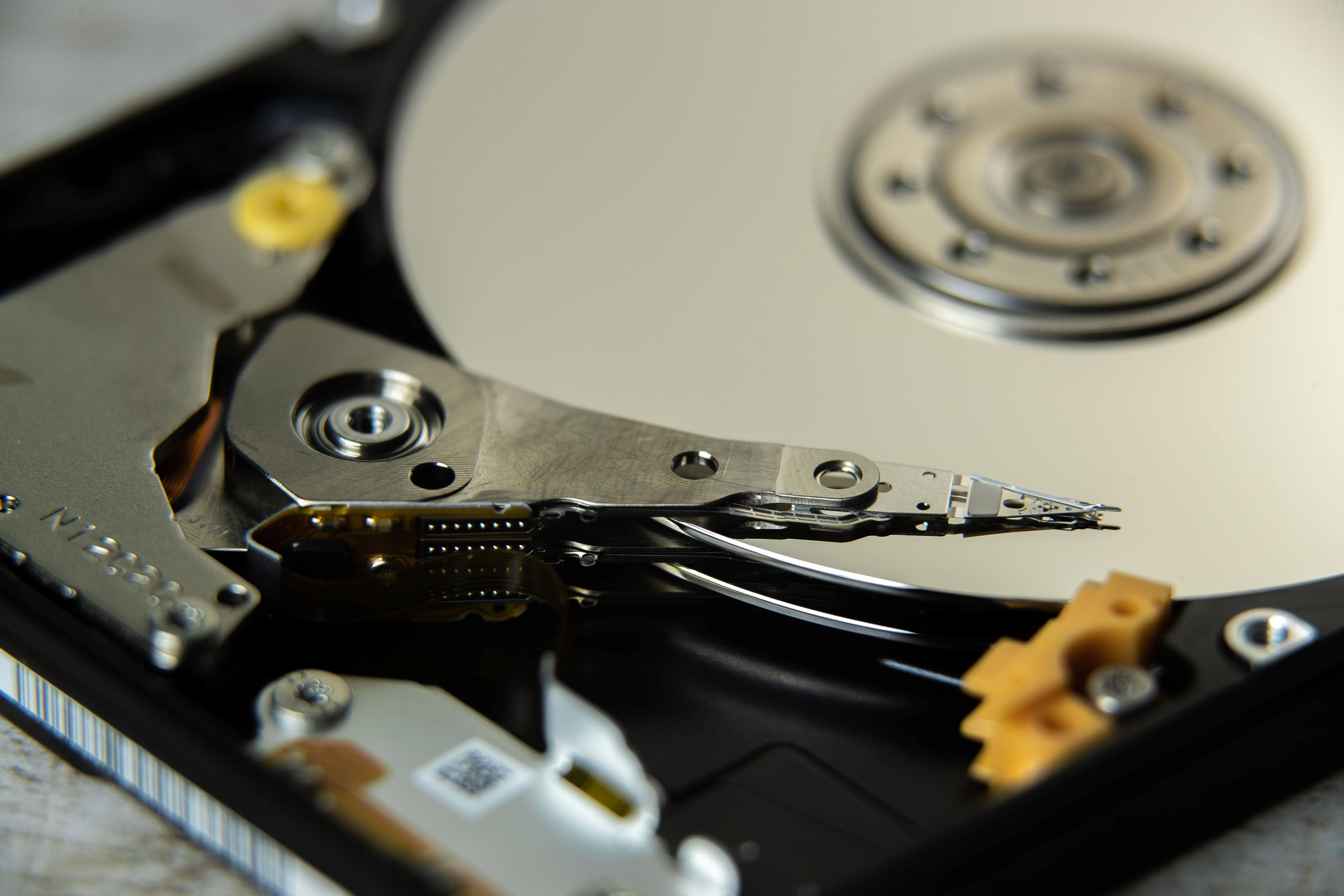
Explore the US and Hong Kong storage industry, including the growing demand created by artificial intelligence, cloud computing, and data centers. This topic covers HBM, DRAM, NAND, SSD, HDD, and related technologies, along with the products, financial performance, industry cycles, competition, and valuations of relevant US- and Hong Kong-listed companies. Company analysis, earnings coverage, and industry guides help readers understand the storage supply chain, its major participants, and the opportunities and risks associated with the sector.
Related Blogs

U.S. Storage Stocks vs. Hong Kong Storage-Related Stocks: How Do Purity, Upside Potential, and Risk Differ?
Compare U.S. storage stocks and Hong Kong storage-related stocks, including Micron, Western Digital, Seagate, Sandisk, ASMPT, Shanghai Fudan Microelectronics, and Lenovo. Learn how they differ in business purity, upside potential, risk structure, and suitable use cases for cross-market storage-sector research.

Matt
2026-06-26 16:53:48

Why Is Server DRAM Getting More Expensive? AI Inference, RDIMM, and Cloud Procurement Logic
Server DRAM price increases are being driven by AI inference demand, DDR5 RDIMM upgrades, early capacity locking by cloud providers, and memory vendors shifting capacity toward high-end products. Understanding these drivers can help you evaluate Micron, SK hynix, Samsung, and the broader AI server supply chain.

Max
2026-06-26 16:51:03

How Do Rising Storage Prices Affect Stocks? The Transmission Paths of DRAM, NAND, and HDD
How do rising storage prices affect stocks? This article explains how DRAM, NAND, enterprise SSD, and HDD price increases flow through ASP, gross margin, EPS, valuation, and downstream hardware costs.

Neve
2026-06-26 16:40:20

Why Are Memory Stocks Cyclical? Will AI Demand Change the DRAM, NAND, and HDD Cycle?
Why are memory stocks cyclical? This article explains the memory stock cycle through DRAM, NAND, HDD pricing, inventory, capacity, and AI demand, and analyzes how HBM, enterprise SSDs, and nearline HDDs affect companies such as Micron, WDC, Seagate, Samsung, and SK hynix.

Maggie
2026-06-26 16:32:47

Seagate STX Stock Analysis: Nearline HDDs, Cloud Customer Demand, and Free Cash Flow
Seagate STX stock is gaining renewed attention because of AI data centers, cloud customer demand for nearline HDDs, the HAMR and Mozaic technology roadmap, and improving free cash flow. This article analyzes STX earnings, Nearline HDD supply and demand, shareholder returns, risks, and key factors investors should watch.
Max
2026-06-26 09:45:31

Western Digital WDC Stock Analysis: How AI Data Centers Are Driving Demand for High-Capacity HDDs
Western Digital WDC stock is gaining attention again because of AI data centers, cloud storage, and rising demand for high-capacity HDDs. This article analyzes WDC’s post-separation business structure, Nearline HDD supply and demand, financial indicators, technology roadmap, valuation risks, and key factors for retail investors to watch.
Neve
2026-06-26 09:42:22

How to Classify Hong Kong-Listed Storage Supply Chain Stocks? A Breakdown of Design, Packaging Equipment, Wafer Foundry, and Specialty Processes
This article explains how to classify Hong Kong-listed storage supply chain stocks, covering companies such as Fudan Microelectronics, Hua Hong Semiconductor, SMIC, and ASMPT across chip design, specialty processes, wafer foundry, and advanced packaging equipment. It helps investors distinguish direct storage chip stocks from AI storage supply chain beneficiaries.
Maggie
2026-06-26 09:35:39

What Is NAND Flash? Differences Between SSDs, Smartphone Storage, and Enterprise SSDs
NAND Flash is the core storage technology behind SSDs, smartphone storage, USB drives, and enterprise SSDs. Learn how NAND Flash, SSDs, UFS, eMMC, TLC, QLC, and enterprise SSDs differ in performance, lifespan, cost, and real-world use cases.

William
2026-06-25 11:57:58

Why Are HDDs Getting Attention Again in the AI Era? Capacity, Cost, and the Cold Data Logic
HDDs are gaining renewed attention in the AI era not because they are faster than SSDs, but because AI data centers, cold data, object storage, and long-term archiving are creating larger capacity needs. Learn how HDDs, SSDs, and enterprise SSDs divide their roles, and how HAMR, SMR, TCO, and the storage supply chain affect the market.
Matt
2026-06-25 11:51:06