
US and Hong Kong Storage Industry
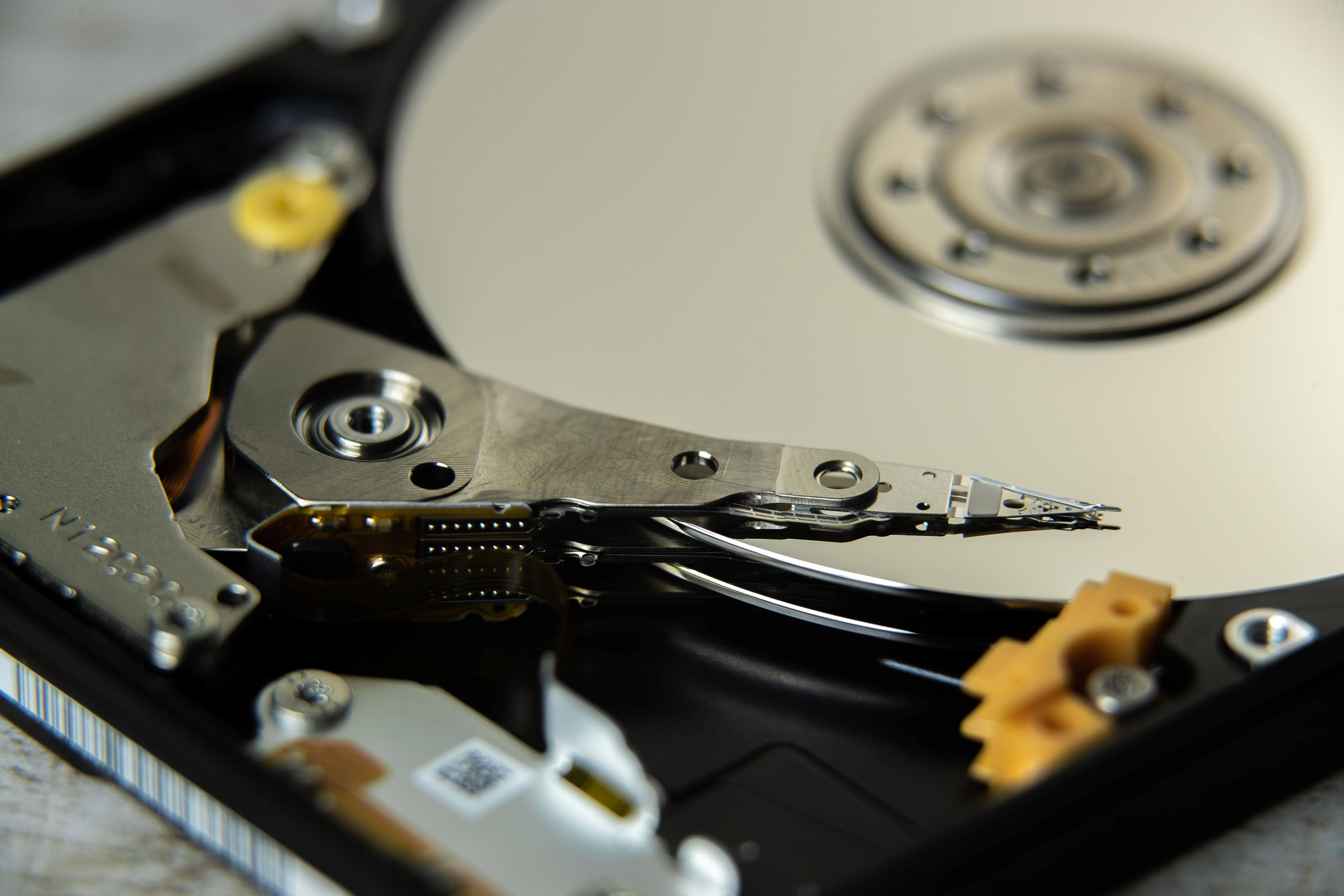
Explore the US and Hong Kong storage industry, including the growing demand created by artificial intelligence, cloud computing, and data centers. This topic covers HBM, DRAM, NAND, SSD, HDD, and related technologies, along with the products, financial performance, industry cycles, competition, and valuations of relevant US- and Hong Kong-listed companies. Company analysis, earnings coverage, and industry guides help readers understand the storage supply chain, its major participants, and the opportunities and risks associated with the sector.
Related Blogs

How to Read Pure Storage and NetApp Earnings? ARR, Cloud Revenue, Gross Margin, and Cash Flow Metrics
How should you read Pure Storage and NetApp earnings? This article analyzes PSTG and NTAP from the perspectives of ARR, subscription revenue, RPO, Hybrid Cloud, Public Cloud, all-flash, gross margin, free cash flow, shareholder returns, growth quality, profitability, and key risks.

William
2026-06-29 18:17:01

How Does NAND Price Increase Affect SanDisk? Enterprise SSDs, Consumer Storage, and Margin Leverage
How does NAND price increase affect SanDisk SNDK? This article analyzes SanDisk’s margin leverage through enterprise SSDs, consumer storage, ASP, shipment volume, gross margin, long-term agreements, and cycle risks.

Reggie
2026-06-29 18:14:16

How to Read NAND Contract Prices and Spot Prices? Why Enterprise SSDs and Consumer SSDs Do Not Move in Sync
NAND contract prices and spot prices reflect different market layers. Understanding enterprise SSDs, consumer SSDs, AI data center demand, inventory, and channel price differences can help you assess NAND cycles and their impact on storage stocks.

Matt
2026-06-29 18:06:20

HBM/DRAM, NAND, and HDD in AI Storage: A Comparison of Elasticity, Cycles, and Risks
HBM/DRAM, NAND, and HDD all benefit from AI data center growth, but the three AI storage routes have different elasticity, cycles, and risks. HBM/DRAM is closer to AI accelerators and server memory bottlenecks, NAND is driven by enterprise SSDs and hot data, while HDD supports low-cost mass capacity, nearline storage, and cloud archiving demand.

Max
2026-06-29 18:01:54

How to View HBM Advanced Packaging Equipment Stocks? ASMPT’s Opportunities and Cyclical Risks
ASMPT 0522.HK benefits from HBM, AI chips, and advanced packaging expansion. Key areas include TCB, C2S, C2W, hybrid bonding, and AP revenue. This analysis explains ASMPT’s opportunities, competitive landscape, and equipment-cycle risks.

Neve
2026-06-29 17:57:16

Why Can’t HBM Exist Without Advanced Packaging? The Role of TSV, CoWoS, and Packaging Equipment
HBM depends on advanced packaging because AI chips need TSV, CoWoS, 2.5D/3D packaging, and high-precision packaging equipment to achieve high bandwidth, low power consumption, and high-density integration. Understanding the HBM supply chain can help you assess opportunities in AI semiconductors and advanced packaging equipment.

Maggie
2026-06-29 17:51:16

How Is China’s Memory Supply Chain Different from Overseas Memory Leaders? A Comparison with Micron, SanDisk, Western Digital, and Seagate
How is China’s memory supply chain different from overseas memory leaders? This article compares Micron, SanDisk, Western Digital, Seagate, and China’s memory ecosystem from the perspectives of DRAM, NAND, HBM, SSDs, HDDs, AI data centers, domestic substitution, technology roadmaps, and investment risks.

Tomas
2026-06-29 17:43:36

How Should You View Seagate’s HAMR Technology? Nearline HDD Capacity Upgrades and the Supply-Demand Cycle
Seagate’s HAMR technology is pushing Nearline HDDs from 30TB toward 44TB and beyond. This analysis explains the Mozaic platform, AI data center demand, the HDD supply-demand cycle, the impact on STX, and key risks.
William
2026-06-29 17:37:38

Why Is Western Digital’s Gross Margin Changing? Nearline HDDs, Long-Term Pricing, and Cloud Customer Demand
Why is Western Digital’s gross margin improving? This article analyzes WDC’s margin changes through Nearline HDDs, cloud customer demand, long-term pricing, UltraSMR, ePMR, HAMR, customer concentration, and cost curves.
Reggie
2026-06-29 17:31:43