

Latest Articles
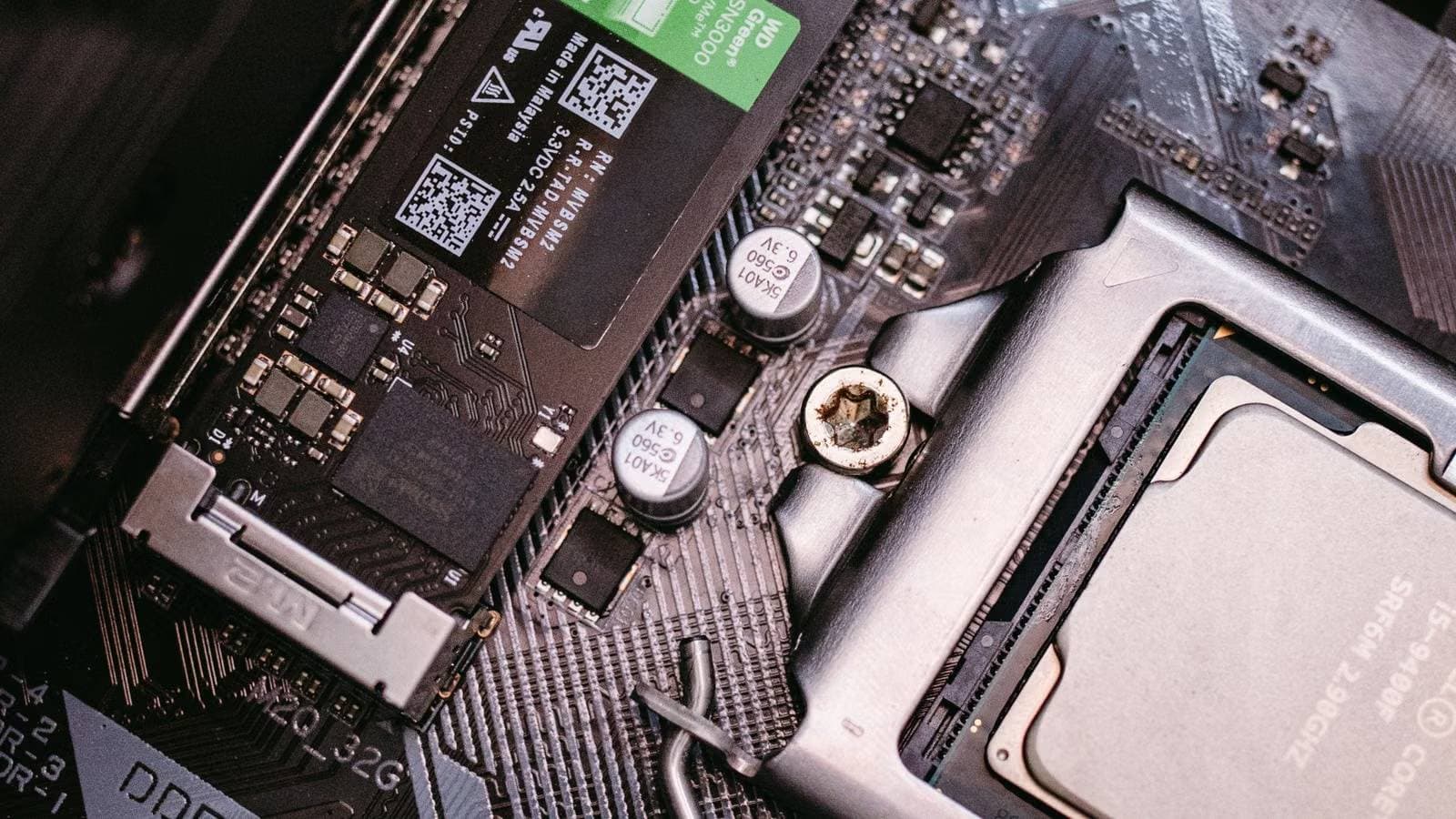
Micron MU Earnings Review: Revenue, Gross Margin, Guidance, and AI Storage Demand
This Micron MU earnings review analyzes revenue, gross margin, Q4 guidance, HBM4 ramp-up, DRAM and NAND pricing, AI data center storage demand, strategic customer agreements, and key MU stock risks to help investors assess whether the AI memory cycle remains intact.
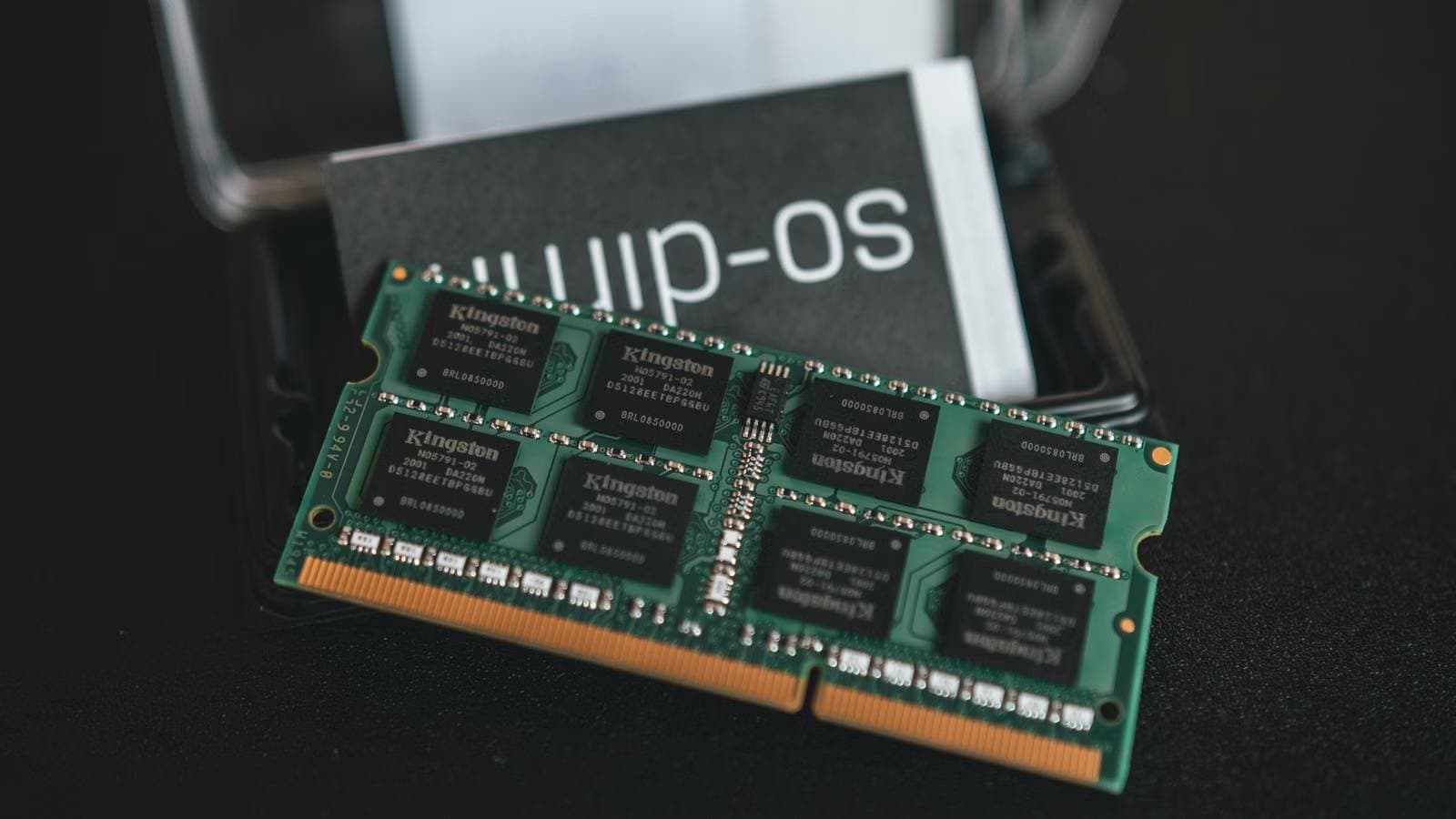
Is HBM Taking Capacity Away from Ordinary DRAM? The Impact on PC and Server Memory Prices
The shift toward HBM capacity is squeezing ordinary DRAM supply, but not through a simple production-line replacement. The impact is transmitted through wafers, TSV, advanced packaging, and customer priority, affecting both PC DDR5 and server memory prices.

Which Price Increase Matters More to Micron: DRAM or NAND?
Both DRAM and NAND price increases affect Micron, but in different ways. Learn how DRAM, NAND, HBM, enterprise SSDs, and AI data center demand reshape Micron’s earnings and the memory cycle.

Tesla Earnings Preview: Will Deliveries, Margins, or Robotaxi Decide the Stock’s Next Move?
A Tesla Q2 earnings preview focused on deliveries, automotive gross margin, Robotaxi, FSD, energy storage deployments, capital spending, and Elon Musk’s guidance to assess whether TSLA will be driven by near-term earnings quality or long-term AI valuation.
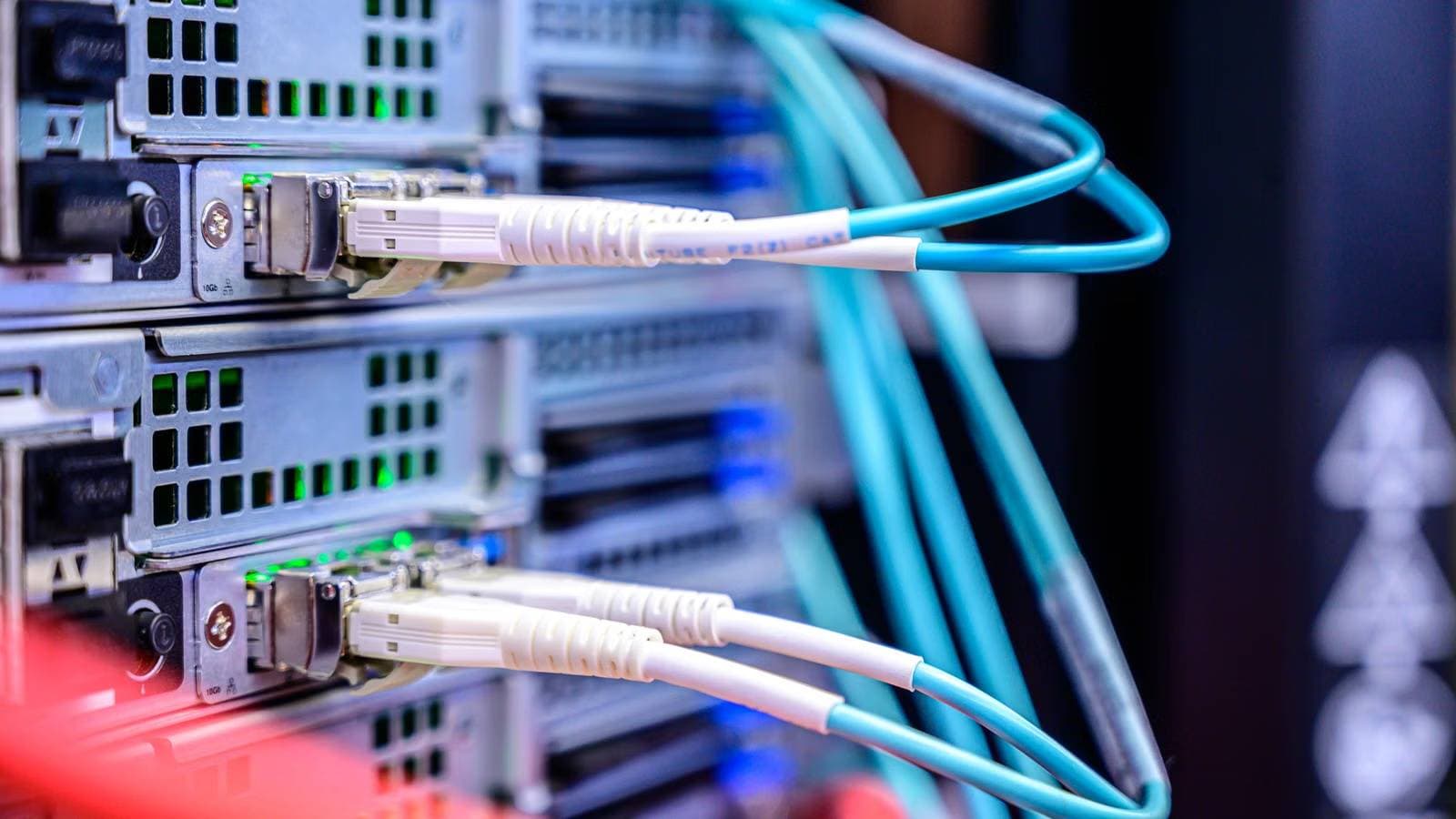
Amphenol Earnings Preview: Can AI Server Connector Demand Keep Beating Expectations?
Amphenol APH earnings preview: analyze whether AI server connector demand can continue to exceed expectations through Q1 2026 reported results, Q2 guidance, IT datacom growth, AI data center connectivity, the CommScope acquisition, copper and optical interconnects, liquid cooling connectors, and key valuation risks.

Why Look at HBM and Storage After GPUs? Breaking Down the AI Infrastructure Investment Chain
AI infrastructure investing is no longer only about GPUs. This article breaks down the relationship between AI compute and storage demand from the angles of HBM, DRAM, enterprise SSDs, Nearline HDDs, data center storage, transaction costs, key indicators, and major risks.

Has the Memory Supercycle Really Arrived? The Difference Between AI Demand and the Traditional Cycle
Whether the memory supercycle has really arrived depends not only on rising DRAM and NAND prices, but also on whether AI servers, HBM, DDR5, enterprise SSDs, long-term supply agreements, and supply discipline are all moving in the same direction. This analysis explains the difference between AI-driven demand and the traditional memory cycle, as well as the impact on Micron, Samsung, SK hynix, Kioxia, Seagate, and other storage-related companies.

CSOP SK Hynix 2x Long ETF Investment Guide
Is the CSOP SK Hynix 2x Long ETF suitable for you? This guide explains 7709.HK’s product structure, SK Hynix’s HBM logic, daily 2x leverage mechanism, fees, premium/discount, compounding drag, and trading risks, helping you judge whether it fits short-term AI memory trading strategies.

Seagate STX vs NetApp NTAP: Hardware Cash Flow vs Enterprise Storage Softwareization
Seagate STX and NetApp NTAP both benefit from AI-driven data growth, but their investment logic is different. STX is more tied to nearline HDDs, HAMR and hardware cash-flow cyclicality, while NTAP is more tied to all-flash arrays, hybrid cloud, ONTAP and the softwareization of enterprise data infrastructure.