2025 Global Perspective: Latest Trends and Comparisons in Policies for Chinese Communities



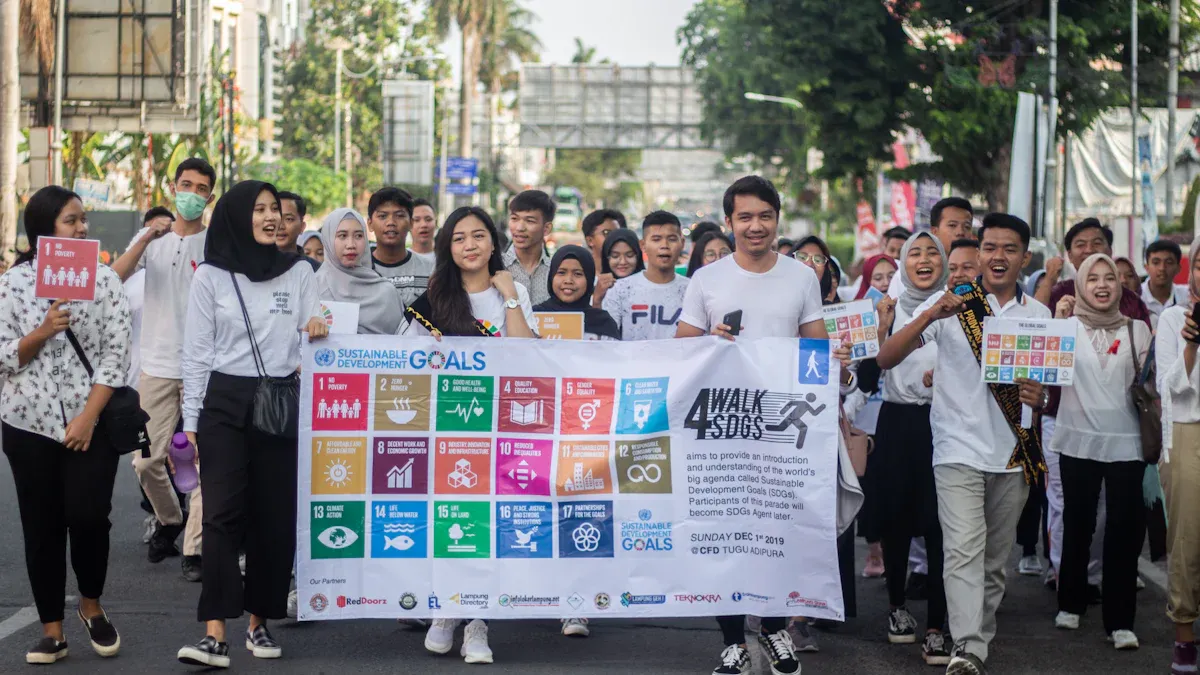
Image Source: pexels
In 2025, global policies toward Chinese communities present two distinct trends. Developed countries are generally strengthening security reviews and tightening thresholds for immigration and investment.
Canada rejected over half of student visa applications in 2024, and this change has become a focus of recent Chinese news.
At the same time, Southeast Asian countries, under geopolitical and economic demands, provide a complex environment where opportunities and regulations coexist. Facing a new normal where opportunities and scrutiny coexist, how the global Chinese community positions itself and responds has become an urgent question to address.
If you use this piece as a “policy trend map,” a practical approach is to translate the shifts into three buckets—status & visas, capital & compliance, and public sentiment & integration—then build a simple action checklist for each. On the money-and-compliance side, it helps to stick to traceable, document-friendly flows so “compliance” becomes a process rather than a slogan: you can start with BiyaPay to understand the multi-asset service framework, use the FX converter to budget in the currencies you actually spend (breaking costs into monthly cash flow makes stress-testing much easier), and reference Send Money for timing expectations when planning cross-border transfers.
One more reminder: in a tightening environment, transparency often beats shortcuts. Whether you’re planning study, immigration, or small-scale overseas allocation, keep your source-of-funds, purpose-of-payment notes, contracts, and receipts well organized—you’ll thank yourself if extra checks or document requests come up later.
Key Takeaways
- Developed countries are strengthening security reviews, with Chinese immigration and investment facing stricter background checks.
- Southeast Asian countries offer economic opportunities, but policies are complex, requiring a balance between history and reality.
- The global Chinese community faces three major trends: security reviews, talent competition, and localized integration.
- New immigrants should enhance professional skills, investors need to strengthen risk management, and communities should promote unity and cross-cultural exchange.
- Chinese communities need to proactively adapt to new policies, turning challenges into development opportunities.
Developed Countries’ Policies: The New Normal Under Security Reviews
Entering 2025, policies in developed countries like the United States, Canada, and Australia toward Chinese communities have entered a new normal centered on security reviews. The appeal of economic cooperation still exists, but governments prioritize national security. This shift profoundly affects Chinese immigration, investment, and even daily community life. Policymakers no longer focus solely on economic contributions but more cautiously assess potential geopolitical risks.
Immigration Visas: From Quantity Control to Strict Background Checks
Immigration policies in developed countries are undergoing a profound structural adjustment. The past focus was on controlling total immigration numbers; now the emphasis is on strict scrutiny of applicants’ backgrounds. For applicants from mainland China, especially those with high-tech, academic, or government backgrounds, the review process has become unprecedentedly rigorous and lengthy.
Note: This means that even if applicants meet all paper requirements, their professional fields, work units, or even academic cooperation history may become focal points of review.
However, this does not mean all doors are closed. Top talent remains the target of competition among countries. Observing the latest U.S. employment-based immigration backlogs, we can find some interesting details:
- EB-1 (Extraordinary Ability) for Chinese applicants continues to advance, seen as a highlight for high-skilled talent.
- Many Chinese tech workers in the Bay Area engaged in artificial intelligence, fintech, or biotechnology find that obtaining a green card through EB-1 may be faster than EB-2/EB-3.
- EB-2 and EB-3 categories, although progressing slowly, maintain steady advancement.
The December 2025 U.S. Employment-Based Immigration Backlog (for China-born applicants) intuitively shows this situation:
| Category | Final Action Date |
|---|---|
| EB-1 | May 15, 2023 |
| EB-2 | December 1, 2021 |
| EB-3 | January 1, 2022 |
| EB-3 Other Workers | October 1, 2018 |
This table clearly indicates that despite the overall tightening environment, channels designed for top talent remain relatively open. The core logic of the policy is “precise screening” rather than “comprehensive prohibition.”
Economic Investment: Expansion of National Security Reviews
In the past, Chinese capital sought investment opportunities globally, mainly considering market returns. Now, investors must treat national security reviews as the primary risk assessment factor. Countries like the United States, Canada, and Australia have expanded review scopes from traditional defense areas to all critical sectors that may affect long-term national competitiveness.
Governments have clearly defined “red line” areas for reviews, particularly sensitive to investments from mainland China:
- United States: Reviews focus on microelectronics, artificial intelligence (AI), biotechnology and biomanufacturing, quantum computing, and advanced clean energy technologies.
- Australia: High attention to critical minerals, especially mining and processing of rare earths, lithium, graphite, cobalt, etc.
- Canada: Focus on reviews of investments in critical minerals, critical infrastructure, advanced technology, and defense-related sectors.
This trend poses new requirements for investors. Any investment planning to enter these markets must prepare detailed materials proving the transparency of capital sources and clearly explain that the investment will not pose a threat to the host country’s national security. The depth and breadth of due diligence have reached unprecedented levels.
Culture and Politics: Integration Challenges in Focus of Chinese News
The strengthening of security reviews inevitably triggers chain reactions at the social level. The tense geopolitical atmosphere makes integration for Chinese communities face new challenges. Many Chinese news reports focus on the dilemmas faced by Chinese scientists, entrepreneurs, and community leaders, who sometimes get caught in the vortex of “loyalty,” having to find balance between their ancestral country and country of residence.
This sense of distrust puts pressure on the community’s political participation and cultural expression. On one hand, Chinese communities need to speak out more actively, showcasing their contributions to local society to eliminate prejudice and misunderstanding. On the other hand, more discussions within the community emerge on how to respond to the external environment. Recent Chinese news shows that more and more Chinese are participating in local politics, building bridges for cross-cultural communication through practical actions, striving to shape a more positive community image. This is both a challenge and a manifestation of the Chinese community’s maturity and confidence.
Southeast Asian Countries’ Policies: The Art of Balancing History and Reality
Unlike the increasingly tightening review stance in developed countries, Chinese policies in Southeast Asia are more like an art of seeking balance between historical emotions and practical interests. Singapore and Malaysia, as two representatives, show distinctly different paths. Due to their unique ethnic structures and national development strategies, they have formulated complex policies where opportunities and regulations coexist. This makes Chinese communities in the region face a completely different set of opportunities and challenges.
Identity Recognition: Elite Attraction vs. Local Priority Game
In terms of identity recognition and talent introduction, policies in Singapore and Malaysia contrast sharply, clearly reflecting the two countries’ different governance philosophies.
Singapore adopts a pragmatic elite attraction strategy. As a country with Chinese as the majority but emphasizing multiculturalism, its policy goals are very clear: attract global top talent to consolidate its position as a financial and tech center. To this end, Singapore has designed highly attractive visa programs.
Singapore’s Talent Attraction Highlights:
- Overseas Networks & Expertise Pass (ONE Pass): This program targets global high-income talent, with applicants requiring a monthly salary of about $22,000. It allows holders to relocate to Singapore before finding a job and to start and operate multiple companies simultaneously, giving top talent great flexibility.
- Five-Year Employment Pass (Five-year EP): For senior experts in scarce industries like technology, Singapore offers employment passes valid for up to five years, far exceeding the usual two to three years, to ensure talent stability in key areas.
These policies show that Singapore’s focus is on individual ability and economic contribution rather than ethnic background. As long as they meet its development needs, top talent from anywhere will be welcomed.
In contrast, Malaysia’s policies embody the principle of “local priority,” aiming to balance economic status among different ethnic groups. Its “Bumiputera priority” policy affects the business environment for Chinese merchants in multiple aspects of economic life.
- Government Project Bidding: Many government contracts prioritize companies owned by Bumiputera, prompting some Chinese merchants to partner with Bumiputera to meet bidding qualifications.
- Specific Industry Licenses: In the automotive industry, import approvals (AP) were previously prioritized for Bumiputera companies, creating entry barriers for non-Bumiputera merchants.
- Housing Project Quotas: Real estate developers are required to reserve a certain proportion of housing units at discounted prices for Bumiputera buyers.
This mild policy of “assimilation” and “distinction” coexisting is Malaysia’s historical choice in maintaining social stability and promoting ethnic harmony. It creates a unique living space for the Chinese community, with both ceilings in business and independence in culture.
Economic Opportunities: Integration of “Belt and Road” and Chinese Capital
Despite policy differences, economic development remains a priority for Southeast Asian governments. In recent years, the “Belt and Road” initiative has provided unprecedented opportunities for deep integration of Chinese capital with local economies. Investments from mainland China in the region continue to grow, especially in infrastructure and digital economy sectors.
Data from 2021 shows that non-financial direct investment from mainland China in 57 “Belt and Road” countries reached $20.3 billion, with Singapore and Malaysia being major beneficiaries. This capital integration is not one-way but forms a mutually beneficial cooperation model.
- Digital Infrastructure Construction: Huawei established a Customer Solutions Innovation Center in Malaysia to help the country become a digital hub in ASEAN. At the same time, ZTE Communications has become one of the main service providers for Malaysia’s 5G network construction.
- Tech Talent Training: In Singapore, Huawei cooperates with the National University of Singapore to jointly train tech talent in business analytics, directly addressing local talent shortages in the tech industry.
These cooperation projects not only create jobs and enhance technical levels locally but also open new markets for Chinese enterprises and professionals. The Chinese community, with its language and cultural advantages, plays an indispensable “bridge” role in these projects.
Cultural Inheritance: Modern Role of Chinese Education and Associations
In Southeast Asia, the cultural inheritance of Chinese communities shows strong resilience. Chinese education and traditional associations (such as clan associations) are actively adjusting their roles to adapt to modern societal needs. These institutions are no longer just ties maintaining hometown sentiments but have become important platforms for cultural dissemination and community service.
The evolution of clan associations clearly demonstrates this transformation:
- Origins: Initially mutual aid organizations for 19th-century immigrants to band together for survival in foreign lands.
- Transformation: In the 20th century, gradually transformed into legal associations focused on welfare, education, and cultural protection.
- Modern Role: Today, they actively embrace change with expanding service scopes.
The services provided by the Singapore Federation of Chinese Clan Associations (SFCCA) and its members vividly embody this modern role. They not only provide scholarships for members’ children and care for the elderly but also attract younger generations and new immigrants through cultural courses and youth group activities. Many Chinese news reports focus on how clan associations help members connect with Chinese communities in other countries through international conferences and business trips, creating transnational business opportunities.
These efforts indicate that Southeast Asian Chinese associations are moving from relatively closed internal circles to more open, diverse, and functional modern community organizations. By promoting Chinese cultural elements like language, kung fu, and dance, they not only serve the Chinese community but also enrich the multicultural ecology of their host countries.
Global Three Core Trends: Security, Economy, and Localization
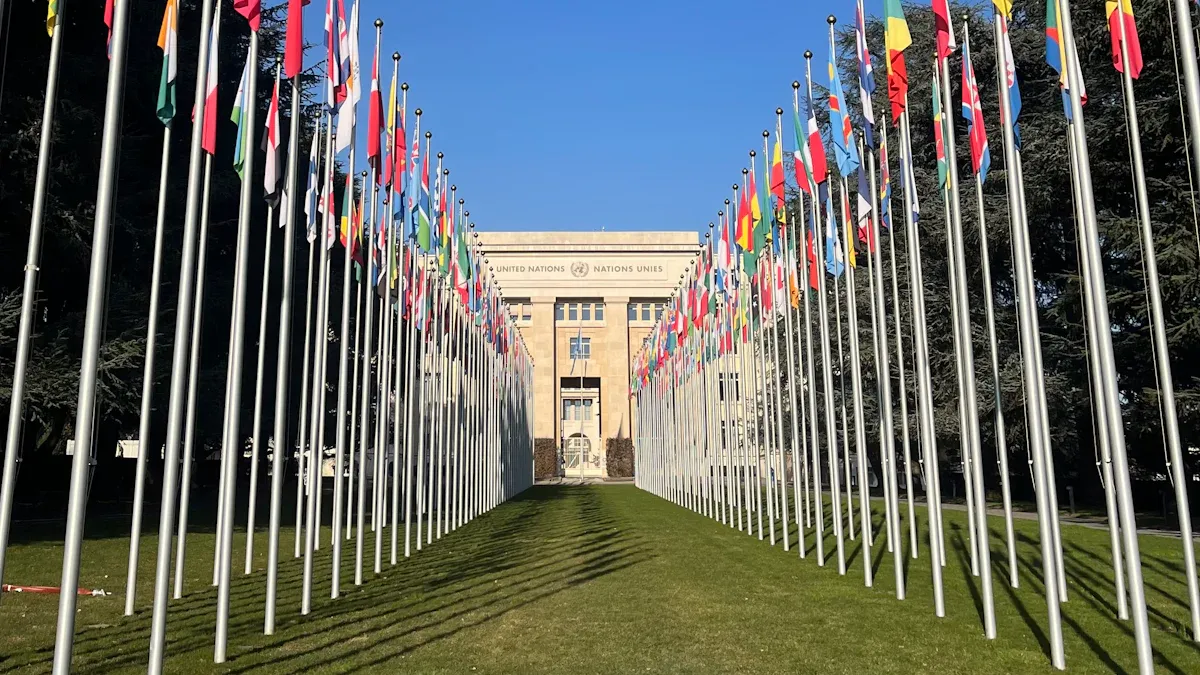
Image Source: pexels
Comprehensive analysis of policy trends in various countries worldwide clearly shows three core trends reshaping the external environment for Chinese communities. These three trends are securitized reviews, economically driven global talent competition, and requirements for localized integration and community contributions. They collectively form the new global landscape facing Chinese communities in 2025.
Trend One: Geopolitical Logic of Securitized Reviews
National security has become the primary consideration for developed countries in reviewing foreign investment and immigration. The previously vague concept of “national security” is now concretized into a series of clear review standards. Governments no longer focus only on traditional defense areas but expand reviews to all key industries affecting long-term national competitiveness.
Australia’s Foreign Investment Review Board (FIRB) is a typical example. It assesses investments through an independent “national security test”, even if the investment does not meet regular monetary thresholds.
Key review areas include:
- Critical minerals and technology
- Critical infrastructure such as communications, energy, and data
- Higher education and biotechnology
The U.S. Committee on Foreign Investment in the United States (CFIUS) is similarly responsible for reviewing the impact of foreign investment on national security. This means any investment or technical cooperation involving sensitive areas will face stricter background checks and longer approval cycles.
Trend Two: Economically Driven Global Talent Competition
While security reviews tighten, a global talent competition driven by economic needs is intensifying. Governments clearly recognize that top talent is key to maintaining economic vitality. Therefore, many countries have updated or launched highly attractive talent visa programs, opening doors to global top talent.
| Country/Region | Program Features | Target Group |
|---|---|---|
| Portugal | Golden Visa | Fund investors, researchers |
| Malaysia | Investor Pass | Business travelers, potential investors |
| United States (Proposed) | “Trump Gold Card” | Ultra-high-net-worth individuals with minimum $5 million investment |
This trend indicates that national policies are not uniformly rejecting immigrants but more precisely screening talent that fits their economic development strategies. For high-skilled professionals and investors who can create jobs, windows of opportunity remain open.
Trend Three: Requirements for Localized Integration and Community Contributions
As Chinese communities take root in various countries, local societies’ expectations for their “localization” are also increasing. Governments and the public no longer only value economic contributions from Chinese communities but pay more attention to their cultural and social integration and participation. Many Chinese news reports show that actively participating in local affairs and giving back to society have become key to gaining respect and trust.
Successful community projects often receive positive local recognition. For example, some Chinese community groups design interactive soccer games for local children or combine traditional crafts with modern fashion design; these activities not only showcase Chinese culture but directly serve local communities, promoting cross-cultural understanding. This depth of community participation is an important sign of Chinese communities transitioning from “immigrant groups” to “local citizens.”
Insights and Response Strategies for Chinese Communities

Image Source: pexels
Facing global policy changes, Chinese communities need to adopt proactive strategies to turn challenges into development opportunities. Whether new immigrants, investors, or community organizations, they need to adjust their positioning to adapt to the three major trends of “security, economy, and localization.” This is not only the way to survive but also the key to achieving long-term development.
New Immigrants: Focus on Professional Compliance and Skill Enhancement
The path to success for new immigrants is shifting from pure competition in funds or education to competition in professional skills and compliance awareness. Labor market demands in various countries are clear, providing clear directions for job seekers. For example, the Canadian market urgently needs talent in healthcare, trades, and technology. Australia’s in-demand occupations for 2025 are more specific, covering multiple key industries:
- Healthcare and Nursing: Including registered nurses and aged care workers.
- IT and Cybersecurity: High demand for software developers and cybersecurity analysts.
- Engineering and Construction: Many vacancies for civil engineers, electricians, and construction project managers.
- Education and Finance: Primary and secondary school teachers and accountants are also popular choices in the market.
For individuals planning immigration, advance career path planning and aligning personal skills with the target country’s shortage occupation lists is the most effective way to increase success rates.
Investors: Strengthen Due Diligence and Risk Diversification
For investors, national security reviews have become an unavoidable investment premise. Regulations in countries like the United States clearly state that investors are responsible for identifying and avoiding restricted transactions, otherwise facing penalties. This means investors must conduct “reasonable and diligent investigations”, deeply understanding the substance of investment targets.
Investor Compliance Key Points: Successful cross-border investments require proactively identifying potential risks, designing compliant transaction structures, and preparing clear documentation. Regular internal audits and compliance training ensure the team always understands the latest regulatory requirements.
In this context, strengthening due diligence and risk diversification become core strategies. Diversifying investment portfolios and capital channels is crucial. For example, investors can use compliant cross-border payment platforms (such as Biyapay) to efficiently manage global funds or open accounts in licensed banks in Hong Kong to establish financial safety nets independent of single markets, coping with uncertain regulatory environments.
Community Development: Promote Internal Unity and Cross-Cultural Communication
As a “bridge” connecting ancestral and resident countries, the value of Chinese communities is increasingly prominent. Successful community development requires both strengthening internal governance and actively conducting cross-cultural communication. Many Chinese news reports have covered internal conflicts in associations due to management or ideological differences, weakening the community’s overall strength. Therefore, establishing more effective internal communication and decision-making mechanisms is the foundation for responding to external challenges.
In external communication, Chinese communities can learn from successful enterprises like Huawei’s “Seeds for the Future” program, serving local society by training local ICT talent. Communities can organize more local public welfare activities, proactively showcasing Chinese culture and promoting understanding and integration with other ethnic groups. Through these practical contributions, Chinese communities can establish a more positive public image and truly integrate into local society.
In 2025, the core of global Chinese community policies is “opportunities and scrutiny coexist, integration and challenges coexist.” Whether facing “high thresholds” in developed countries or “complexity” in Southeast Asian countries, deeply understanding policy logic and proactively adjusting strategies is key to success.
Experts predict that U.S.-China relations in technology and trade areas may continue to be tense, requiring Chinese communities to adapt to changes.
By strengthening professionalism, compliance, and community communication, Chinese communities can better seize opportunities, respond to challenges, and achieve stable development in the new global landscape.
FAQ
What is the biggest change in developed countries’ policies toward Chinese in 2025?
The biggest change is the expansion of security reviews. Countries like the United States and Canada prioritize national security. This affects investments and high-tech immigration applications from mainland China. All related activities require stricter compliance and background checks.
Are there still abundant business opportunities in Southeast Asian countries?
Yes. Southeast Asian countries still offer rich economic opportunities, especially in “Belt and Road”-related infrastructure and digital economy sectors. Chinese capital, with language and cultural advantages, plays an important bridge role in these projects, promoting integration with local economies.
As a new immigrant, what core competitiveness should I have?
New immigrants should focus on professional skills and compliance awareness. Countries have clear demands for talent in specific fields. Core competitiveness includes:
- Professional skills matching the target country’s shortage occupation lists.
- Clear career planning paths.
- Understanding and compliance with local laws and regulations.
Facing strict investment reviews, how should investors respond?
Investors must treat due diligence as the primary task. They need to proactively identify and avoid restricted transactions, ensuring capital source transparency. Diversifying investment portfolios and establishing independent financial safety nets are key strategies for coping with uncertain regulatory environments.
*This article is provided for general information purposes and does not constitute legal, tax or other professional advice from BiyaPay or its subsidiaries and its affiliates, and it is not intended as a substitute for obtaining advice from a financial advisor or any other professional.
We make no representations, warranties or warranties, express or implied, as to the accuracy, completeness or timeliness of the contents of this publication.
Related Blogs of

What is the Dialing Code for the USA and How to Call?


How Safe Is Your Money With Ally Bank in 2026?


Zelle Wire Transfer or ACH? Clearing Up the Confusion


The Easiest Way to Find the Code for Calling France

Choose Country or Region to Read Local Blog
 Australia
 Austria
 Belgium
 Canada
 Cyprus
 Czech Republic
 Denmark
 Estonia
 Finland
 France
 Germany
 Greece
 Hong Kong
 India
India Indonesia
 Ireland
 Italy
Italy Japan
Japan Latvia
 Lithuania
 Luxembourg
 Malaysia
 Malta
Malta Morocco
 Nepal
Nepal Netherlands
 New Zealand
 Norway
 Pakistan
 Philippines
 Poland
 Portugal
 Romania
 Singapore
 Slovakia
 Slovenia
 South Africa
 South Korea
 Spain
Spain Sweden
 Thailand
 The United States
 Turkey
 United Arab Emirates
 United Kingdom
 Vietnam
Contact Us




BIYA GLOBAL LLC is a licensed entity registered with the U.S. Securities and Exchange Commission (SEC No.: 802-127417); a certified member of the Financial Industry Regulatory Authority (FINRA) (Central Registration Depository CRD No.: 325027); regulated by the Financial Industry Regulatory Authority (FINRA) and the U.S. Securities and Exchange Commission (SEC).
BIYA GLOBAL LLC is registered with the Financial Crimes Enforcement Network (FinCEN), an agency under the U.S. Department of the Treasury, as a Money Services Business (MSB), with registration number 31000218637349, and regulated by the Financial Crimes Enforcement Network (FinCEN).
BIYA GLOBAL LIMITED is a registered Financial Service Provider (FSP) in New Zealand, with registration number FSP1007221, and is also a registered member of the Financial Services Complaints Limited (FSCL), an independent dispute resolution scheme in New Zealand.