
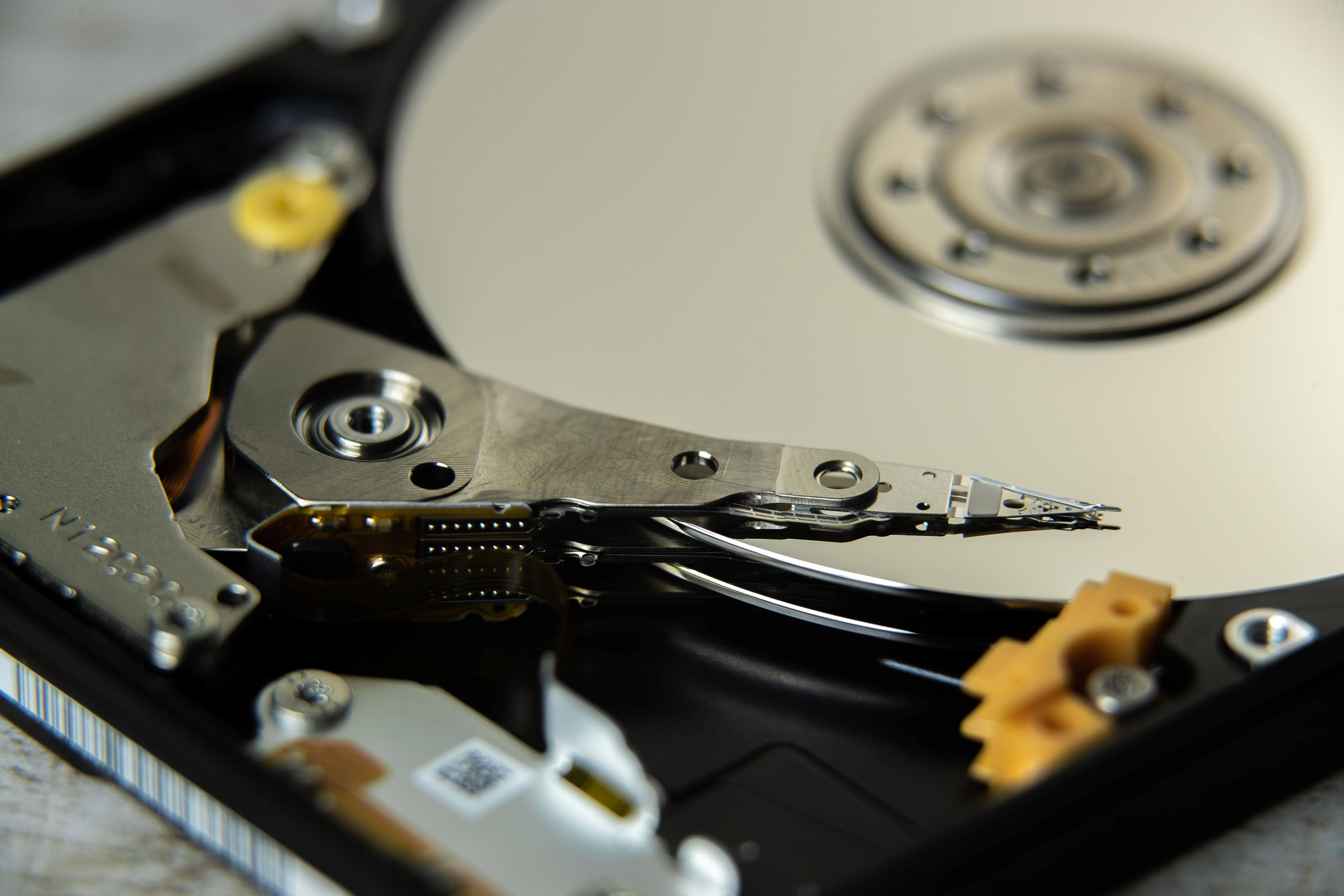
US and Hong Kong Storage Industry
Explore the US and Hong Kong storage industry, including the growing demand created by artificial intelligence, cloud computing, and data centers. This topic covers HBM, DRAM, NAND, SSD, HDD, and related technologies, along with the products, financial performance, industry cycles, competition, and valuations of relevant US- and Hong Kong-listed companies. Company analysis, earnings coverage, and industry guides help readers understand the storage supply chain, its major participants, and the opportunities and risks associated with the sector.
Related Blogs

Is Falling Inventory at Storage Companies a Good Sign? How to Read the Inventory Line in Financial Statements
Falling inventory at storage companies is not automatically bullish. Learn how to read inventory, DIO, gross margin, ASP, cash flow, write-downs, and AI storage demand when analyzing the inventory cycle.

Neve
2026-07-06 17:00:54

Which Storage Chip Concept Stocks Are There in 2026? Classification of Related U.S. and Hong Kong Companies
Which storage chip concept stocks are worth watching in 2026? From DRAM, HBM, NAND Flash, enterprise SSDs, nearline HDDs, SSD controllers, and advanced packaging to Hong Kong-listed semiconductor companies, this guide classifies related U.S. and Hong Kong stocks by business exposure, AI demand drivers, financial sensitivity, and key risks.

Tomas
2026-07-03 18:15:12

What Are the Differences Between RDIMM, LPDDR, GDDR, and HBM? An Investor-Focused Explanation
RDIMM, LPDDR, GDDR, and HBM all belong to the DRAM ecosystem, but their use cases, bandwidth, power consumption, packaging, and investment logic are very different. Understanding these memory types helps investors evaluate AI data centers, smartphones, GPUs, and memory stock cycles.

William
2026-07-03 18:06:15

What Is QLC NAND? Why Enterprise SSDs and AI Data Centers Are Paying Attention
QLC NAND improves SSD capacity density by storing 4 bits per cell. It is suitable for enterprise storage, AI data lakes, and read-intensive workloads, but users should evaluate write endurance, TBW, DWPD, power consumption, and overall TCO.

Reggie
2026-07-03 17:58:35

Which Products Are Affected by NAND Price Increases? SSDs, Smartphones, Servers, and Consumer Electronics
NAND price increases affect SSDs, smartphones, laptops, servers, AI data centers, and consumer electronics. Learn how NAND Flash prices flow through products, procurement decisions, and investment signals.

Matt
2026-07-03 17:50:29

Who Are the Leading HBM Companies? Business Differences Between Samsung, SK hynix, and Micron
Who are the leading HBM companies? This article compares Samsung, SK hynix, and Micron across market share, HBM3E and HBM4 product progress, customer certification, advanced packaging, financial leverage, and business structure.
Neve
2026-07-03 17:42:51

Why Is HBM Supply So Tight? Explaining Capacity, Packaging, and Long-Term Customer Agreements
Why does HBM supply remain tight? This article explains the supply-demand bottlenecks behind HBM3E and HBM4 from the perspectives of AI GPU and ASIC demand, DRAM wafer allocation, TSV stacking, CoWoS advanced packaging, long-term customer agreements, and price transmission.
Neve
2026-07-03 17:26:27

What Is the Difference Between HBM Stocks and GPU Stocks?
HBM stocks and GPU stocks both benefit from AI compute demand, but they differ in supply-chain position, profit drivers, technical barriers, and cycle risks. This article compares GPUs, HBM, high-bandwidth memory, AI accelerators, advanced packaging, and the memory cycle to help you understand the core differences between the two types of stocks.
Neve
2026-07-03 17:21:15

Why Look at HBM and Storage After GPUs? Breaking Down the AI Infrastructure Investment Chain
AI infrastructure investing is no longer only about GPUs. This article breaks down the relationship between AI compute and storage demand from the angles of HBM, DRAM, enterprise SSDs, Nearline HDDs, data center storage, transaction costs, key indicators, and major risks.

Maggie
2026-07-03 17:08:30