

Latest Articles

Tesla Q2 Earnings Preview: Can Robotaxi, Energy Storage Growth, and AI Investment Support Its Valuation?
Ahead of Tesla’s Q2 earnings, investors should focus on deliveries, automotive margins, Robotaxi progress, energy storage deployments, AI investment, and free cash flow to assess whether TSLA’s valuation remains supported.
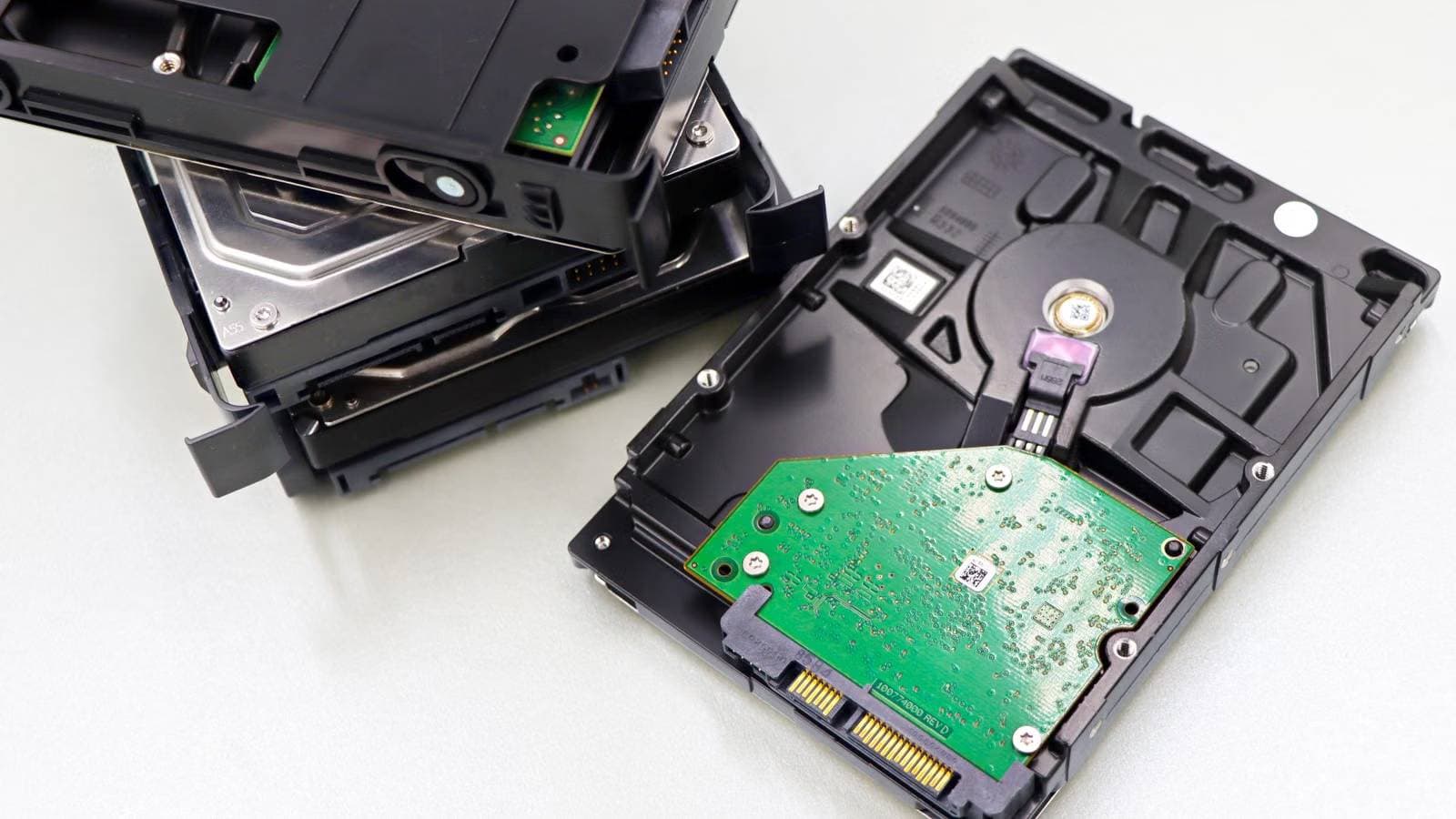
Which Company Depends More on Nearline HDDs: Seagate (STX) or Western Digital (WDC)?
Which company depends more on Nearline HDDs, Seagate (STX) or Western Digital (WDC)? This analysis compares the two HDD leaders through data-center revenue, cloud revenue, nearline EB shipments, HAMR roadmaps, AI data-center demand, and investment risks.

How to Tell Western Digital (WDC) and Sandisk (SNDK) Apart After the Spin-Off: HDD vs NAND
How should investors compare WDC and SNDK after the spin-off? This analysis explains the difference between Western Digital’s HDD business and Sandisk’s NAND Flash business from the angles of AI data-center demand, financial metrics, technology roadmaps, trading costs, and key risks.

Micron MU vs NVIDIA NVDA: How Are the Investment Logic of AI Chips and AI Storage Different?
Micron MU and NVIDIA NVDA both benefit from AI data center growth, but their investment logic is different. NVDA is more of an AI chip platform and compute infrastructure story, while MU is more tied to AI memory, HBM, DRAM, NAND, and data center SSD cycle leverage.

Is NetApp an AI Infrastructure Stock? Cloud Data Management and Enterprise Storage Positioning
Is NetApp NTAP an AI infrastructure stock? This article explains NetApp’s role, value, and risks in AI data infrastructure from the perspectives of cloud data management, enterprise storage, ONTAP, all-flash arrays, Public Cloud, NVIDIA partnerships, and the latest financial results.

HPE, Dell, and Enterprise Storage: Which Company Looks More Like an AI Infrastructure Player?
HPE, Dell, and enterprise storage companies are all benefiting from AI infrastructure investment, but their positions are not the same. This analysis compares AI servers, networking, enterprise storage, private cloud AI, data platforms, margins, cash flow, and valuation logic to explain which companies look more like AI infrastructure players.

How Do Dell’s AI Server and Storage Businesses Affect Its Stock Price?
Dell’s AI server and storage businesses are reshaping the DELL stock narrative. This analysis explains how AI orders, backlog, ISG revenue, storage attach, margins, cash flow, valuation, and risk signals affect Dell Technologies’ stock price.

How to Read Seagate STX Earnings: Nearline HDD, Free Cash Flow, and Shareholder Returns
Seagate STX earnings should be analyzed through nearline HDD shipments, Data Center revenue, gross margin, free cash flow, dividends, buybacks, and the HAMR technology roadmap. This article explains the key framework for reading Seagate’s earnings from the perspective of AI data center demand, the HDD cycle, cash flow quality, and shareholder returns.
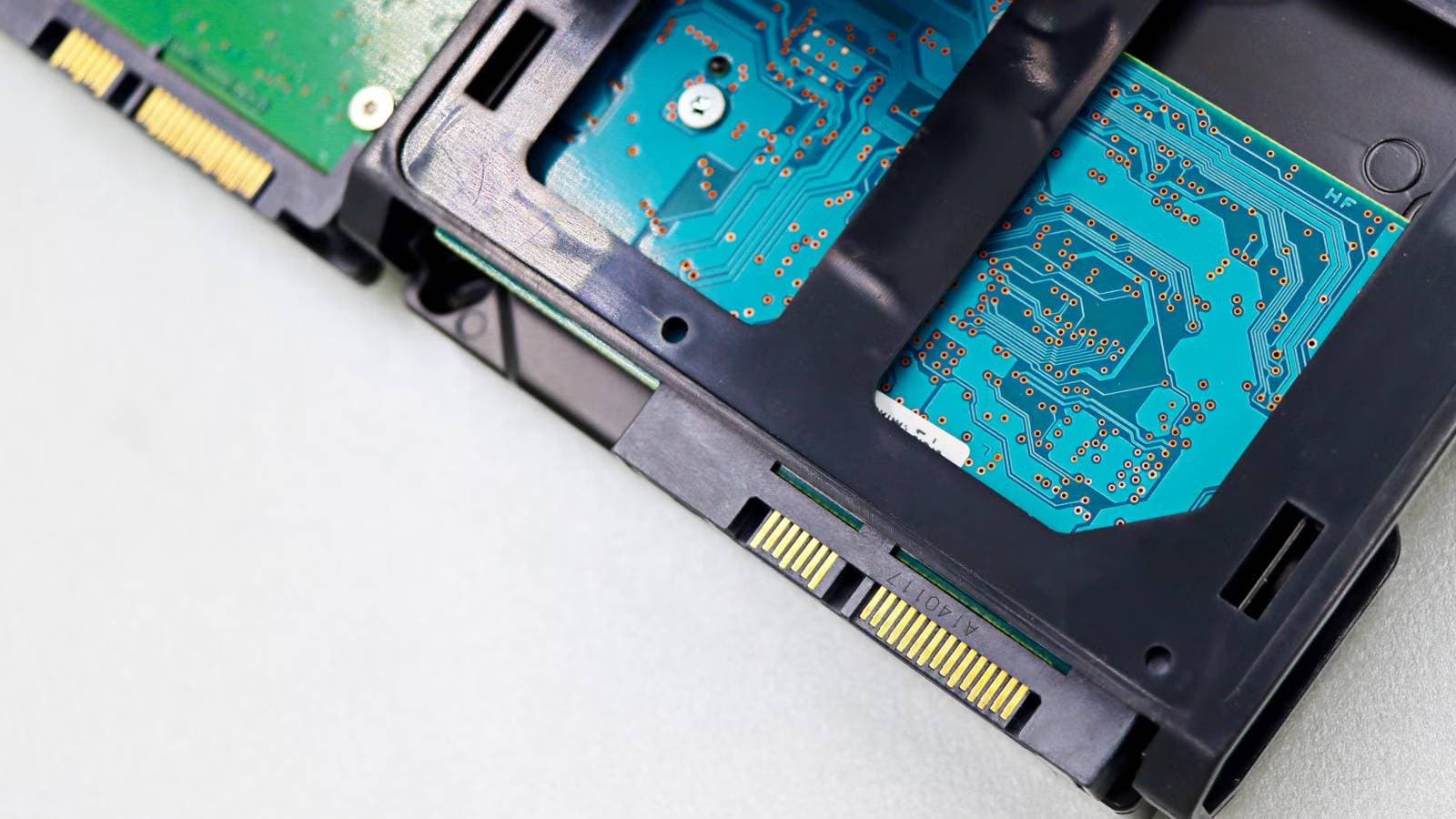
How to Read Sandisk SNDK Earnings: NAND Prices, Enterprise SSDs, and Post-Spin-Off Performance
Sandisk SNDK earnings should be analyzed through NAND price cycles, Datacenter revenue, enterprise SSD growth, gross margin, free cash flow, NBM agreements, and post-spin-off capital structure. Understanding these indicators can help you judge whether SNDK is a short-term cyclical rebound or a structural re-rating driven by AI data center storage demand.