

Latest Articles

Bull Call Spread: Achieving Certain Profits in the Moderate Rise of a Small Bull Market
The bull call spread helps you lock in predictable profits with limited costs in a mild bull market, planning maximum gains and risks upfront, ideal for prudent investors.

How to Judge a Company’s Stock Potential with Earnings Per Share (EPS)?
Earnings Per Share (EPS) helps you evaluate a company’s profitability and stock potential, but it must be analyzed alongside growth trends, industry conditions, and analyst expectations.
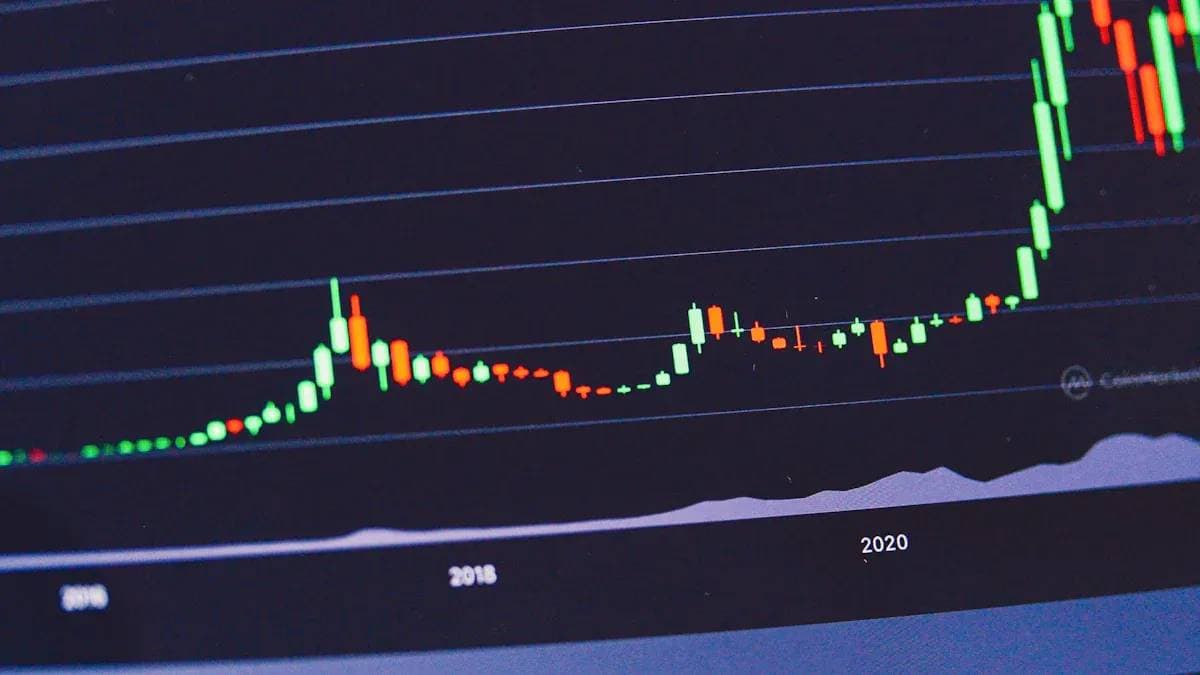
Unsure When to Sell Stocks? Use the 20%-25% Profit-Taking Rule to Secure Gains
When should you sell stocks? The 20%-25% profit-taking rule helps you set a scientific profit target, lock in gains promptly, reduce drawdown risks, and improve investment discipline.

Stop Making One-Sided Bets! Vertical Spread is the Advanced Path in Options Trading
One-sided bets too risky? Vertical spreads help you cap maximum losses, boost capital efficiency, and achieve controlled risk with steady returns in options trading.
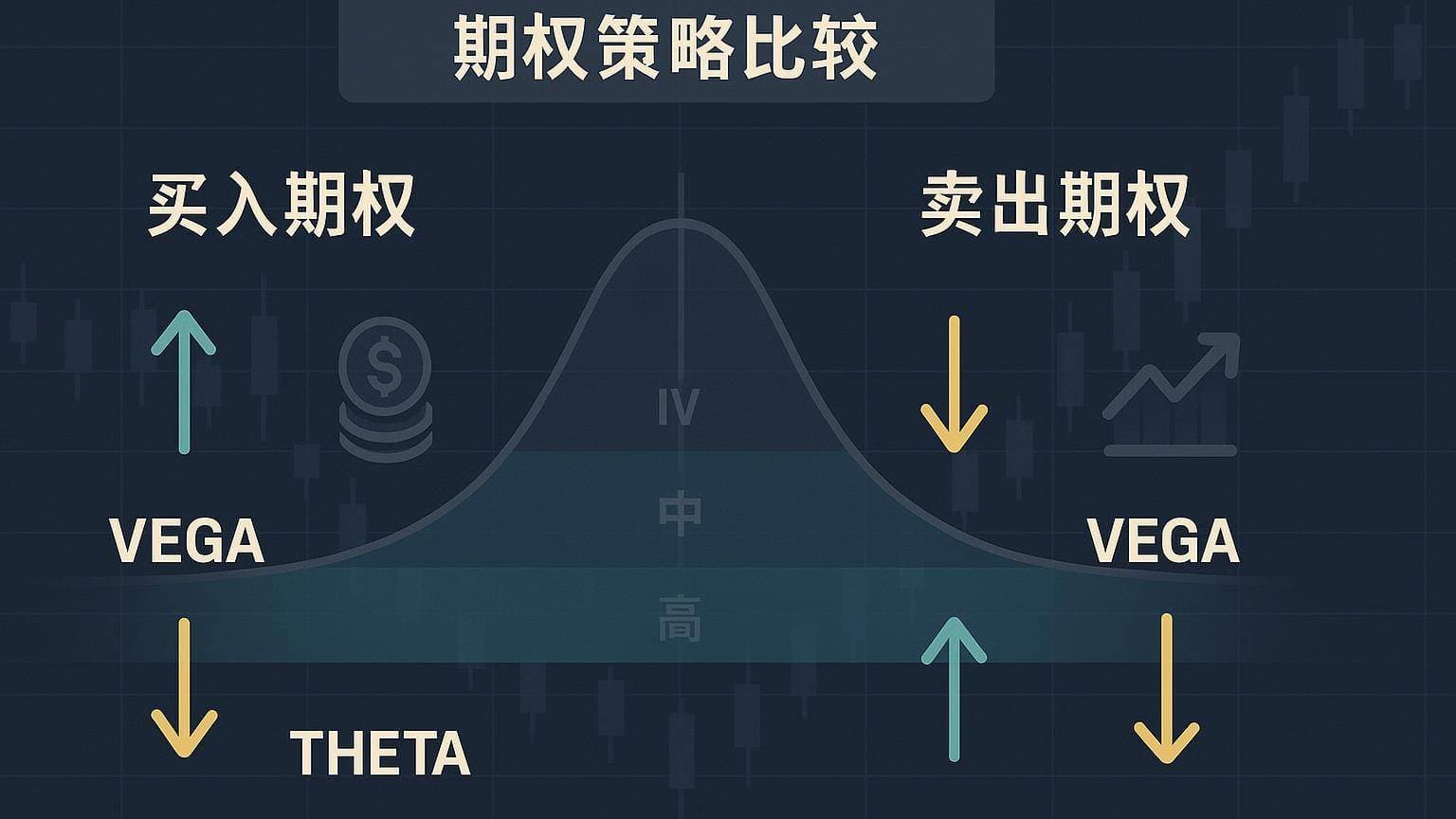
Should You Buy or Sell Options? The Key Depends on Which Range the Implied Volatility Is In
Which is better: buying or selling options? This article uses implied volatility (IV) ranges (low, medium, high) as the main framework, integrating IV Rank, Greeks, and risk management for a one-page layered comparison to aid scientific decision-making.
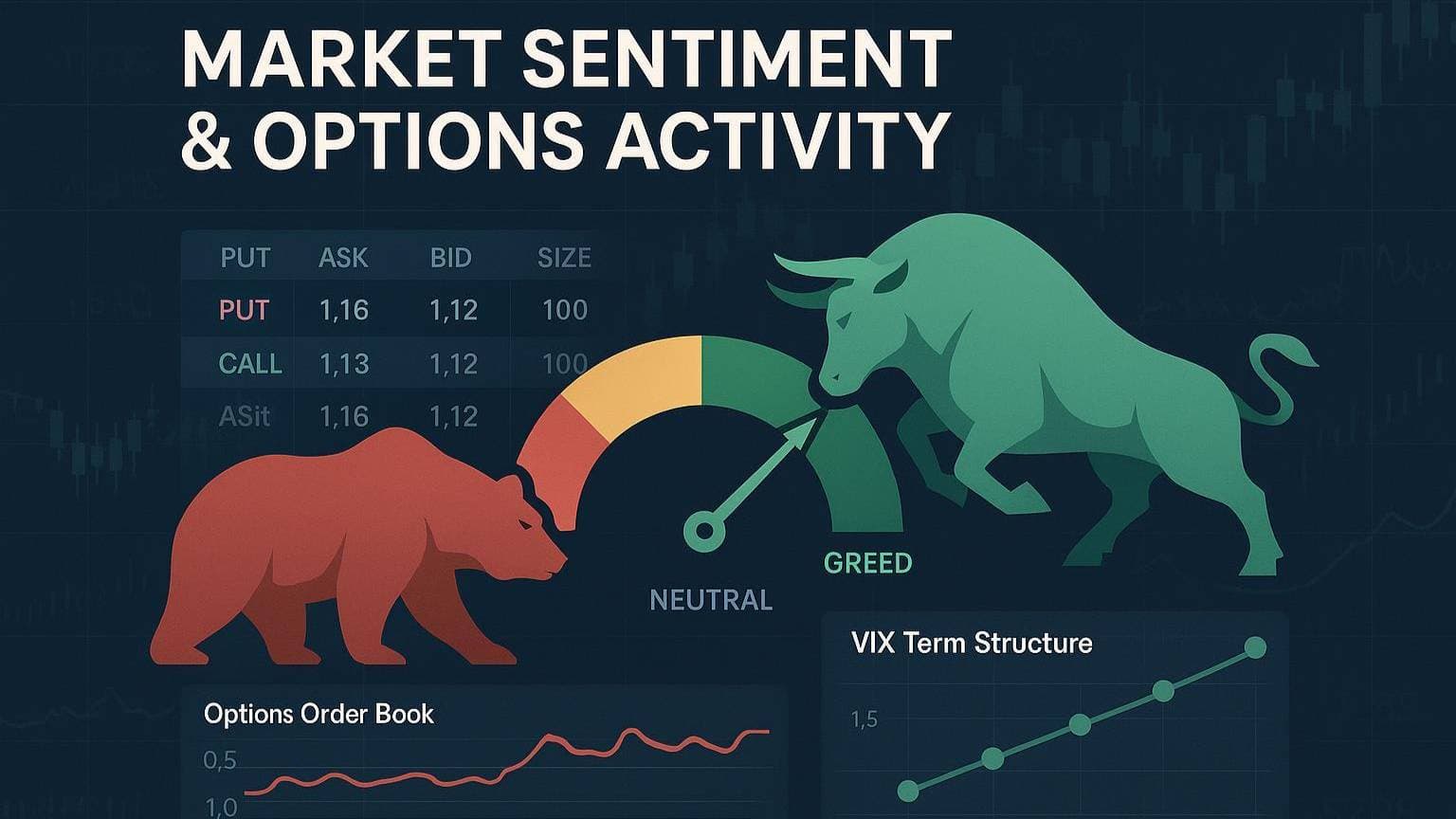
Can the Put/Call Ratio Really Predict Market Reversals? A Deep Analysis of the Value and Traps of Sentiment Indicators
An in-depth analysis of the Put/Call Ratio as a sentiment indicator in US, A-share, and Hong Kong stock markets, its practical applications, limitations, and risks, along with best practices for multi-signal resonance and risk management.
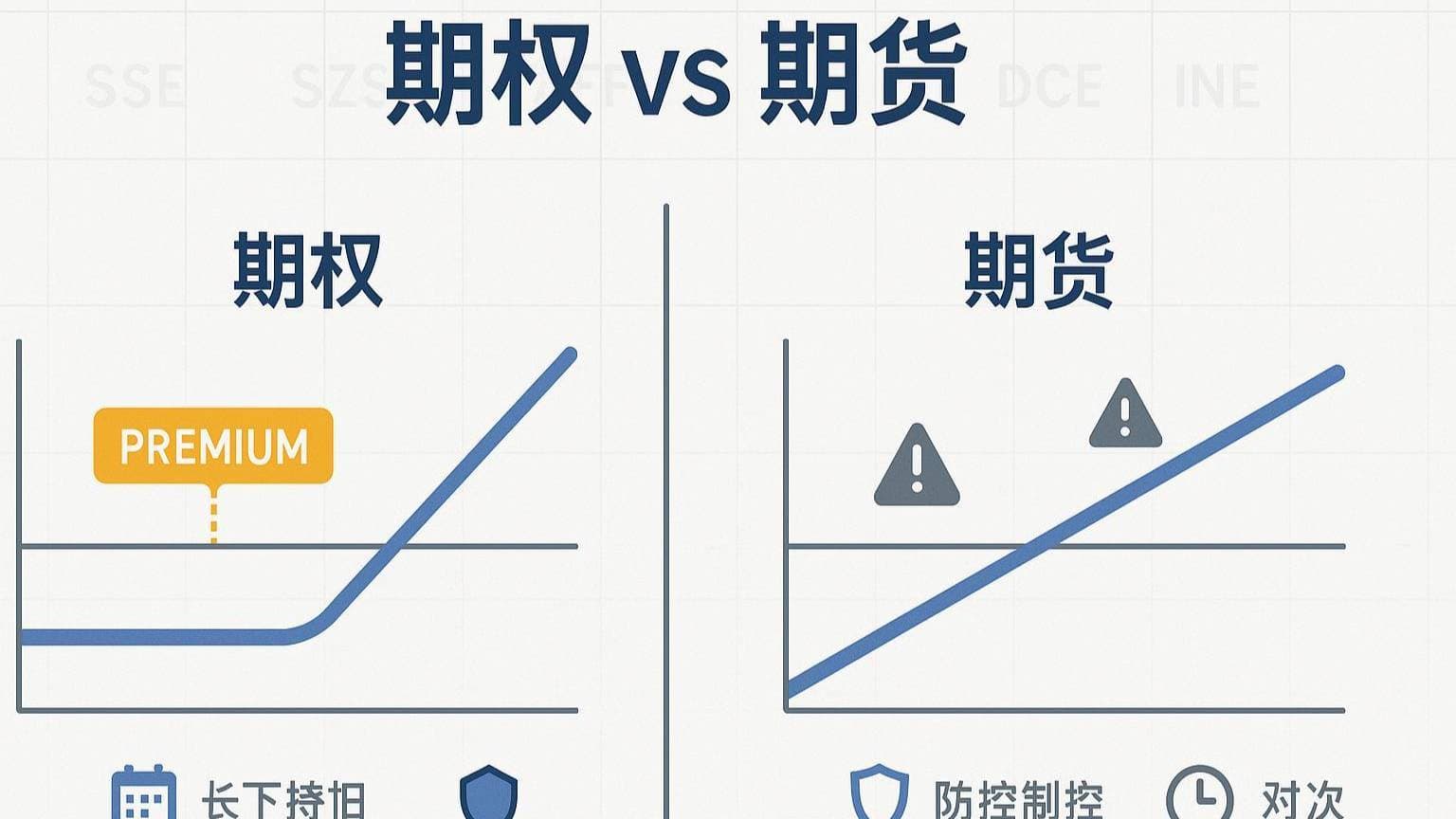
How to Choose between Options and Futures? Understanding the Core Differences to Formulate the Right Strategies
How to choose between options and futures? This article provides a detailed comparison of rights and obligations, margin and leverage, profit and risk structures, costs, delivery and settlement, and unique features of the Chinese market, helping you make informed decisions in 2025.
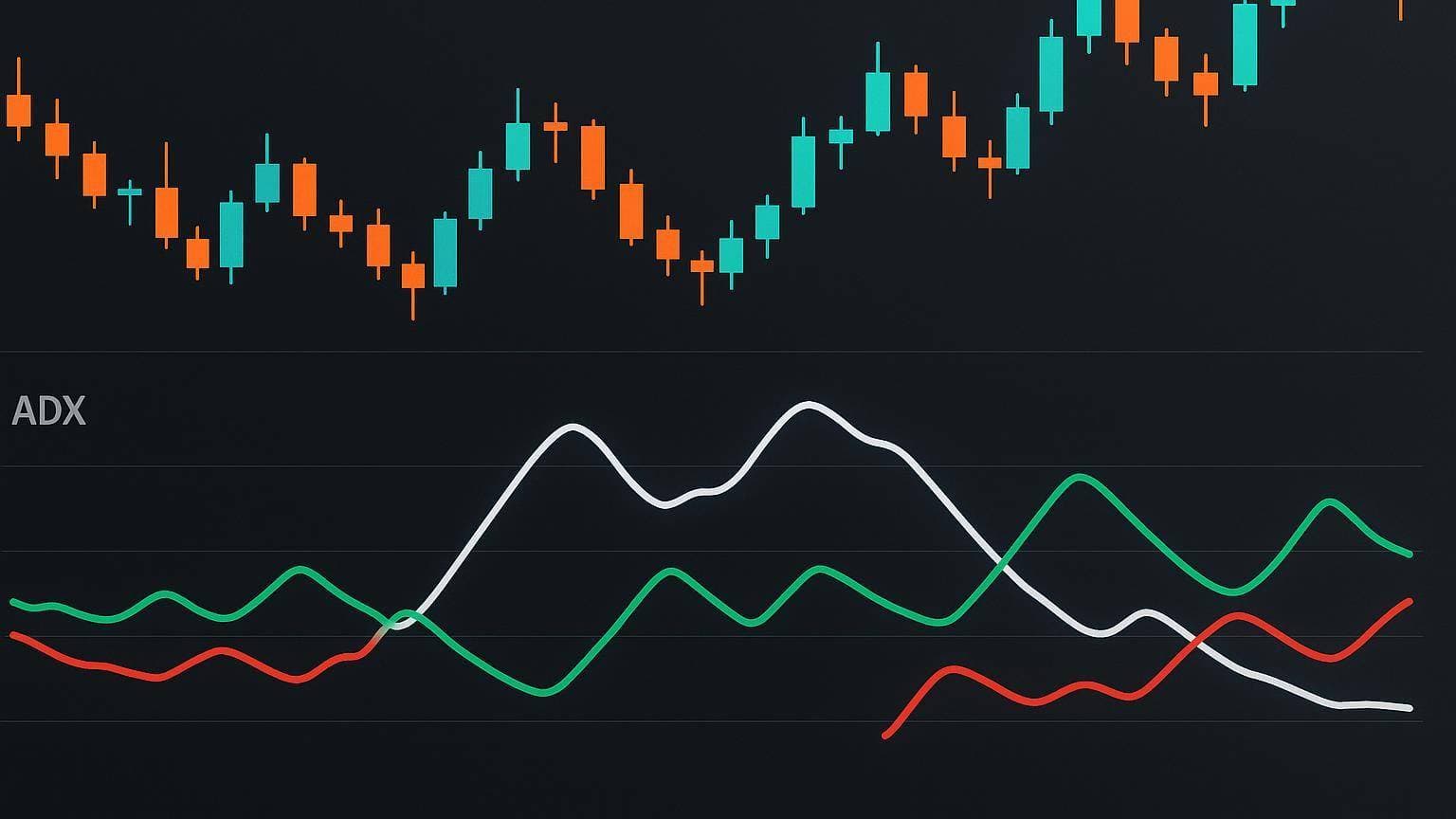
How to Use the ADX Trend Indicator? Key Techniques for Mastering Trading Strength and Weakness Signals
A detailed guide to correctly interpret trend strength with ADX+DMI, set 20/25/40 thresholds, reduce false entries during consolidation periods, and improve real trading success rates.

A Comprehensive Guide to NVIDIA's Financial Reports: How to Obtain, Understand, and Analyze Them
This article tells you where to find NVIDIA's financial reports, how to read them, and how to analyze them. It introduces the structure of financial reports, key metrics, and competitive comparisons, suitable for long-term reference by investors or tech enthusiasts.