Are 闪迪 and SanDisk the Same Company? Stock Ticker, Spin-Off Background, and Business Explained





In everyday usage, Sandisk and SanDisk usually refer to the same brand and company system. In today’s investment context, the more precise listed entity is Sandisk Corporation, whose stock ticker is SNDK. You should note three layers: SanDisk is the more common historical and consumer-facing spelling; Sandisk is now more commonly used in the company’s branding and investor materials; and SNDK is the stock ticker under which the company resumed independent trading after being spun off from Western Digital in 2025. Understanding these three layers can help you avoid confusing the consumer brand, historical stock, and current listed company.
Key Takeaways
- Sandisk, SanDisk, and “闪迪” usually refer to the same brand system.
- SNDK is the Nasdaq ticker for Sandisk Corporation after the spin-off.
- The old SanDisk stock history should not be directly applied to today’s SNDK.
- Western Digital once acquired SanDisk and later spun off its Flash business.
- Sandisk’s current core businesses are NAND Flash, SSDs, and enterprise storage.
- Before investing, verify the company name, ticker, exchange, and reporting basis.
Are Sandisk, SanDisk, and “闪迪” the Same Company?

For most consumers and investors, the Chinese name “闪迪” and the English names SanDisk / Sandisk can generally be understood as referring to the same brand and company system. The differences mainly come from spelling, historical stage, and listed-company structure. The SanDisk memory cards, USB drives, and portable SSDs you see on e-commerce platforms, and the Sandisk Corporation / SNDK you see in stock quote platforms, belong to the same brand and corporate evolution. But not all historical information can be directly treated as information about the current stock.
“闪迪” is the Chinese name long used in the Chinese-speaking market. Many users first became familiar with the brand through camera SD cards, mobile phone memory cards, USB flash drives, portable SSDs, or computer solid-state drives. “SanDisk” is the spelling used for a long time, so international users still search for terms such as “SanDisk memory card,” “SanDisk SSD,” and “SanDisk stock.” Today, the company more often uses “Sandisk” in its official materials. In 2024, the company introduced The New Sandisk brand direction, preparing to re-emerge as an independent Flash and memory technology company.
You can distinguish the names this way:
| Name | Common Usage | Same Company System? | What to Note |
|---|---|---|---|
| 闪迪 | Chinese consumer market and product descriptions | Usually yes | Chinese name for SanDisk / Sandisk |
| SanDisk | Historical brand, consumer products, older materials | Usually yes | Many older news items and products still use this spelling |
| Sandisk | Current company branding and investor materials | Yes | Closer to the current official listed-company spelling |
| Sandisk Corporation | Current listed company entity | Yes | Investment analysis should use this entity |
| SNDK | Nasdaq stock ticker | Yes | Refers to the post-spin-off Sandisk stock |
The real source of confusion is not the name itself, but the timeline. The old SanDisk was once an independent company. It was later acquired by Western Digital. In 2025, Western Digital spun off its Flash business, and Sandisk became an independent public company again. So at the naming level, you can say they are basically part of the same brand system. At the investment level, however, you must ask a further question: are you referring to the consumer brand, the old listed company, or the current SNDK?
Summary: Sandisk, SanDisk, and “闪迪” usually point to the same brand and company system, but they belong to different historical contexts. Chinese users often say “闪迪,” consumers are more familiar with “SanDisk,” and the current listed company is Sandisk Corporation. If you are buying a memory card or portable SSD, it is usually fine to treat them as the same brand. If you are researching the stock, you must confirm that the current entity is Sandisk Corporation, the ticker is SNDK, and the financial reporting basis is now that of a post-spin-off independent company.
What Does the SNDK Stock Ticker Mean, and How Is It Related to the Old SanDisk Stock?
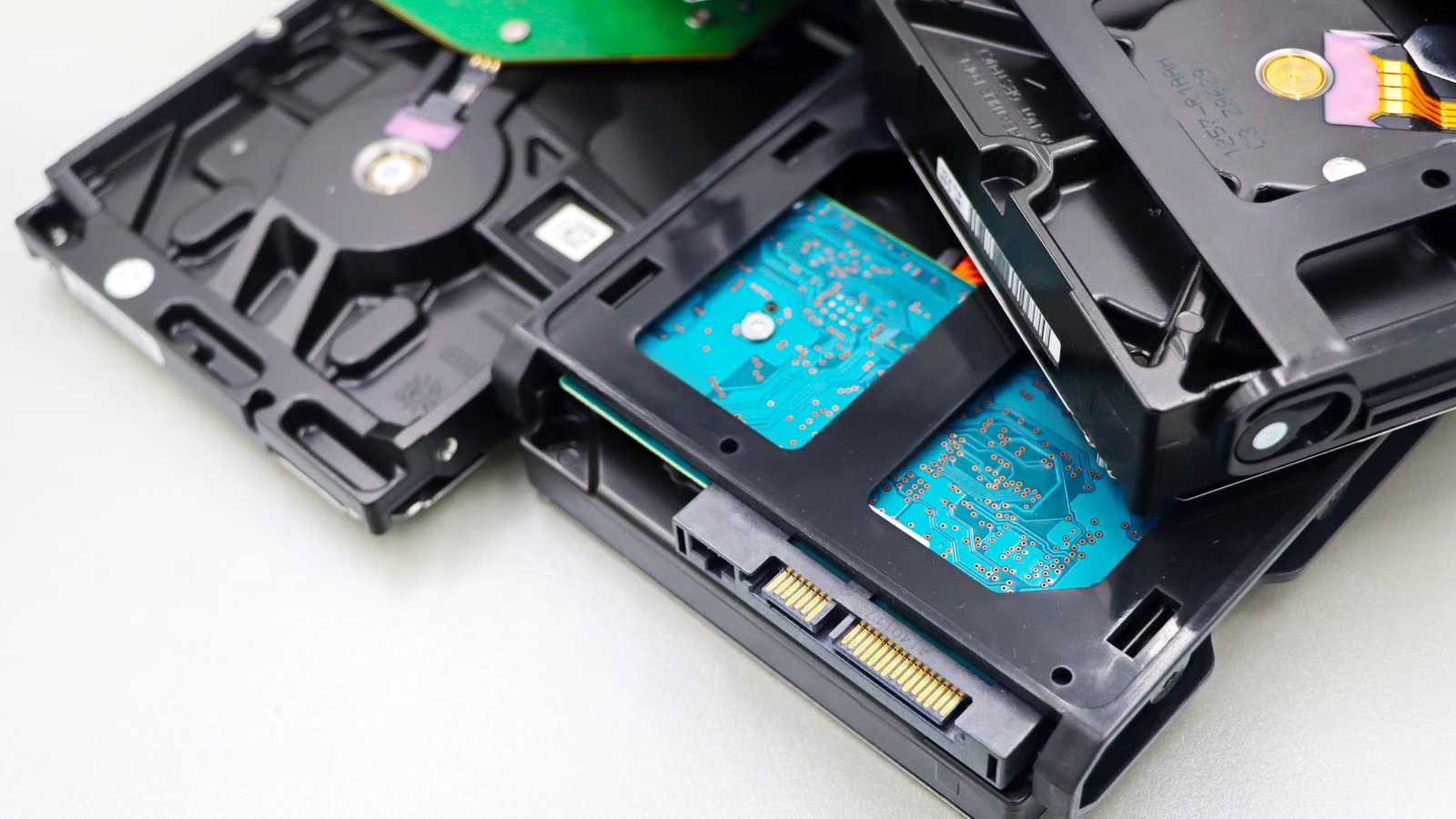
SNDK is the current Nasdaq ticker for Sandisk Corporation. It is not Western Digital’s ticker, nor is it a product model number. After completing its separation from Western Digital, Sandisk resumed trading as an independent public company. Sandisk Corporation announced that it began independent trading on Nasdaq under the ticker “SNDK” on February 24, 2025. When you search for “SanDisk stock symbol,” “Sandisk ticker,” or “SNDK stock,” you should verify whether the company name shown by the platform is Sandisk Corporation.
SNDK Is the Current Nasdaq Ticker for Sandisk
SNDK refers to the post-spin-off Sandisk Corporation. WDC still represents Western Digital. After the spin-off, the two companies are no longer the same stock. When you see SNDK on a quote platform, you should check three things: company name, exchange, and post-spin-off reporting basis. Do not treat it as an ordinary consumer electronics stock simply because the brand name is familiar.
The Old SanDisk Stock and Today’s SNDK Should Not Be Treated as Identical
The old SanDisk once traded independently under the SNDK ticker. In 2015, the announcement of Western Digital’s acquisition of SanDisk valued SanDisk common stock at roughly $19 billion. After the acquisition was completed, SanDisk’s Flash business became part of Western Digital. In 2025, Sandisk became an independent listed company again through the spin-off.
The same ticker can easily create confusion in historical searches. You should not directly use the old SanDisk stock price history, reporting structure, or valuation level to judge today’s SNDK. The current SNDK is shaped by its post-spin-off capital structure, independent financial statements, AI data center storage demand, the NAND price cycle, and enterprise SSD growth.
| Stage | Company Status | Stock Ticker | How Investors Should Understand It |
|---|---|---|---|
| Earlier independent listed stage | SanDisk as an independent company | SNDK | Historical old SanDisk stock |
| After WDC acquisition | Became Western Digital’s Flash business | No independent SNDK | Financials were included in WDC |
| After 2025 spin-off | Sandisk Corporation independently listed | SNDK | Current tradable stock |
| Current analysis basis | NAND / Flash / SSD company | SNDK | Should be analyzed using post-spin-off financials |
Summary: SNDK is the key ticker for understanding today’s Sandisk stock, but “same ticker” does not mean “same investment logic.” The old SanDisk once used SNDK, then was acquired by WDC. Today’s SNDK is Sandisk Corporation, which resumed independent trading after the 2025 spin-off. When researching current SNDK, you should rely on post-spin-off company disclosures, current business structure, and the NAND cycle rather than directly using the old SanDisk valuation or historical stock-price range.
Why Was Sandisk Spun Off from Western Digital?
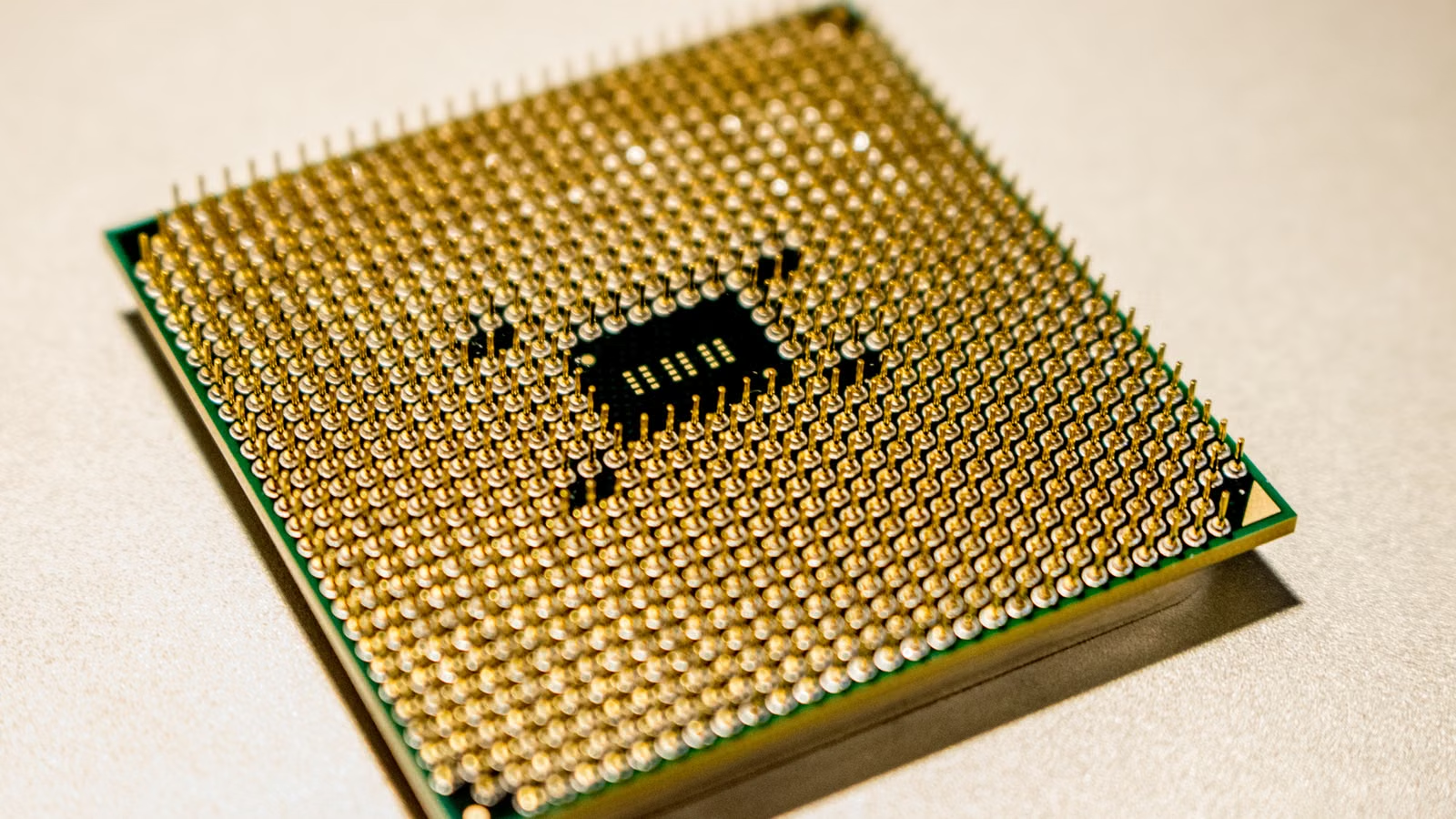
Sandisk was spun off from Western Digital mainly because HDD and Flash / NAND follow two different business logics. HDD is more exposed to nearline HDD, cloud data center cold data, and high-capacity storage. Flash is more exposed to NAND Flash, SSDs, embedded storage, consumer storage, and enterprise SSDs. When both businesses sit inside one company, the market has difficulty valuing their growth profiles, cycles, capital intensity, and valuation multiples separately.
Western Digital previously explained that it would separate its flash business and hard disk drive business into two independent publicly traded companies. The new Sandisk would hold the Flash business, while WDC would focus on the HDD business. This background is important: the separation was not a simple name change or a regular IPO. It separated two different storage businesses that had previously existed inside WDC, allowing investors to value them separately.
Before the spin-off, investors looking at WDC had to evaluate both the HDD cloud storage cycle and the Flash NAND pricing cycle at the same time. After the spin-off, WDC became more of an HDD and high-capacity storage company, while Sandisk became more of a NAND, Flash, and SSD company. For investors, this improved analytical clarity but also increased exposure to a single cycle.
The spin-off mechanism also explains why some WDC shareholders saw SNDK shares appear in their accounts. Sandisk’s SEC filing shows that WDC executed the spin-off on February 21, 2025, by distributing Sandisk shares pro rata to WDC shareholders. WDC distributed 80.1% of Sandisk’s outstanding common stock; for each share of WDC common stock held, shareholders received one-third of one Sandisk common share. After the spin-off, WDC retained a 19.9% stake in Sandisk, and Sandisk began trading independently on Nasdaq as SNDK on February 24, 2025.
| Comparison Item | Before the Spin-Off | After the Spin-Off |
|---|---|---|
| Listed entity | Western Digital included HDD and Flash | WDC and SNDK trade separately |
| WDC core | HDD + Flash mixed together | HDD and high-capacity cloud storage |
| SNDK core | Flash business inside WDC | NAND Flash, SSDs, enterprise storage |
| Investment variable | Mixed exposure to two cycles | More direct exposure to NAND cycle |
| Reporting basis | WDC consolidated reporting | Sandisk independent-company reporting |
Summary: The purpose of the Sandisk spin-off was to separate two different storage businesses, HDD and Flash, so the market could value them more clearly. WDC is now more focused on hard drives, high-capacity storage, and cloud customer nearline demand. SNDK is more focused on NAND Flash, SSDs, enterprise storage, and AI data center storage demand. You should not view SNDK only as a familiar USB drive brand. It is a Flash and NAND company that became independent from the Western Digital system. After the spin-off, Sandisk’s financials, valuation, and risks should all be analyzed as those of an independent public company.
What Does Sandisk Mainly Do Now?
Sandisk’s core business today is data storage devices and solutions based on NAND Flash technology. Consumers may know the company through memory cards, USB drives, and portable SSDs. Investors, however, are more focused on NAND pricing, enterprise SSDs, AI data center storage, and high-capacity Flash demand. In other words, Sandisk is not only a consumer storage brand, but also a Flash storage company serving data centers, edge devices, and consumer markets.
NAND Flash is the foundation. It is non-volatile memory, meaning it can retain data even after power is turned off. It is mainly used in SSDs, memory cards, USB drives, embedded storage, and enterprise storage devices. It differs from DRAM / HBM: DRAM and HBM are high-speed temporary memory, while NAND is mainly used for long-term data storage. When researching SNDK, you should not analyze it like a DRAM company. You should focus on NAND supply and demand, contract pricing, product mix, and SSD demand.
Sandisk’s business can be divided into three end-market categories. According to its Fiscal Q3 2026 earnings release, the company generated $5.95 billion in revenue, with the revenue beat driven by a shift toward higher-value customers and higher pricing, while Datacenter revenue increased 233% sequentially. This shows that SNDK’s investment focus is no longer only consumer storage, but increasingly enterprise SSDs and data center storage.
| Business Line | Products | Main Customers | Key Earnings Variables |
|---|---|---|---|
| Datacenter | Enterprise SSDs, high-performance storage | Cloud providers, AI data centers, enterprise customers | AI infrastructure, enterprise SSDs, low-latency demand |
| Edge | PCs, smart devices, embedded storage | Device manufacturers, OEM customers | PC / smartphone demand and inventory |
| Consumer | Memory cards, USB drives, portable SSDs | Retail users, creators, consumers | Price sensitivity and channel inventory |
| NAND technology platform | 3D NAND, TLC, QLC | Internal product lines and partners | Bit density, yield, cost |
| Enterprise SSD | TLC / QLC SSDs | Data centers and high-performance workloads | Qualification, capacity, performance, reliability |
Sandisk’s Q3 FY2026 earnings presentation also showed that Datacenter revenue reached about $1.5 billion, driven by demand for TLC-based enterprise SSD products in performance-intensive compute workloads. The company also mentioned that QLC Stargate solutions were expected to begin contributing revenue in fiscal Q4. This means Sandisk’s business should not be reduced to “selling memory cards.” It should be understood through AI data center storage, enterprise SSDs, and the NAND price cycle.
Summary: Sandisk is now a storage company centered on NAND Flash, with products spanning Datacenter, Edge, and Consumer end markets. Consumer memory cards and USB drives helped users recognize the brand, but investors should pay more attention to enterprise SSDs, data center revenue, NAND pricing, and the technology roadmap. SNDK’s upside comes from the NAND cycle and a higher-value SSD product mix. Its risks come from the same direction, including price declines, inventory changes, delayed customer orders, and industry capacity expansion.
Why Do Many People Confuse Sandisk, WDC, and SNDK?
The confusion mainly comes from three facts: SanDisk existed for a long time as a consumer storage brand; Western Digital acquired and held the SanDisk / Flash business for many years; and after the 2025 spin-off, SNDK became an independent listed stock again. The brand did not disappear, but the listed entity, reporting basis, and investment logic changed. If you only look at the brand name, it is easy to mix up the product, former parent company, and stock ticker.
The first layer of confusion comes from brand history. Users know SanDisk from cameras, phones, USB drives, portable hard drives, and memory cards. Investors, however, see Sandisk Corporation / SNDK in stock platforms. The Verge, when covering the brand update, noted the SanDisk now SANDISK / Sandisk spelling shift around the spin-off period, which added to search confusion. Different capitalization or spelling does not necessarily mean a different company. It is more likely the coexistence of a brand refresh and historical naming.
The second layer of confusion comes from WDC. Western Digital acquired SanDisk in 2015, so many users long regarded SanDisk as part of WDC. After the 2025 spin-off, WDC and SNDK became two different listed companies. WDC remains Western Digital, while SNDK is Sandisk Corporation. Western Digital later reduced debt by selling part of its Sandisk stake, which also shows that the two companies have been separating in capital-market terms.
The third layer of confusion comes from stock searches. Common questions include:
- “What is the SanDisk stock ticker?”
- “Are SNDK and WDC the same company?”
- “Why did I receive SNDK shares after holding WDC?”
- “Was SanDisk acquired by Western Digital?”
- “Can I still buy SanDisk stock?”
The correct understanding is: SNDK is the current Sandisk stock ticker; WDC and SNDK are two different listed companies after the spin-off; WDC shareholders may have received SNDK shares due to the spin-off distribution; SanDisk was once acquired by WDC, but the Flash business was later spun off; and when searching for SanDisk stock today, you should verify that it refers to Sandisk Corporation.
| Common Source of Confusion | Correct Understanding | What Investors Should Verify |
|---|---|---|
| Whether SanDisk and Sandisk are different | In most cases, they belong to the same brand system | Current company name and official spelling |
| Whether SNDK equals WDC | No | Stock ticker and listed entity |
| Why WDC shareholders received SNDK | Due to spin-off distribution | Source of shares and distribution ratio |
| Whether old SanDisk stock prices are directly comparable | Not suitable for direct comparison | Post-spin-off financials and capital structure |
| Whether SanDisk stock can still be bought | The current ticker is SNDK | Exchange, fees, and platform rules |
Summary: The confusion among Sandisk, WDC, and SNDK is not just a naming issue. It is the result of brand continuity, acquisition, spin-off, relisting, and capital-structure changes. You can understand the timeline this way: SanDisk is the long-standing brand; WDC once acquired and held the Flash business; Sandisk became an independent public company again after the 2025 spin-off; and SNDK is the current stock ticker. By checking four layers—brand, company entity, stock ticker, and reporting basis—you can avoid most misunderstandings.
How Investors Should Understand SNDK: Not Just a Consumer Brand, but a NAND Cycle Stock
If you treat SNDK as a stock research target, you should not simply think of it as “Sandisk, the company that sells USB drives and memory cards.” Post-spin-off Sandisk is more like a NAND Flash and enterprise SSD company. Its core variables are NAND pricing, Datacenter revenue, enterprise SSD demand, gross margin, free cash flow, and customer agreements. Brand awareness can help you understand the products, but it cannot replace earnings and cycle analysis.
SNDK occupies a different position from other storage-chain companies. Micron is more exposed to DRAM / NAND. Western Digital is more exposed to HDD and high-capacity storage. Seagate is more focused on HDD. Pure Storage is more focused on enterprise storage systems. Sandisk is more concentrated in NAND Flash, SSDs, and Flash-based products. If you treat all storage stocks as one category, you may miss the fact that the variables driving upside and downside are different.
| Company | Main Focus | Investment Variables |
|---|---|---|
| SNDK | NAND Flash, SSDs, enterprise storage | NAND pricing, enterprise SSDs, Datacenter revenue |
| WDC | HDD, high-capacity cloud storage | Nearline HDD, cloud customer orders, capacity demand |
| MU | DRAM, NAND, HBM | DRAM / HBM / NAND cycles |
| STX | HDD, nearline storage | Cloud data center HDD demand |
| PSTG | Enterprise storage systems | Software subscriptions, all-flash arrays, enterprise IT budgets |
Beginners looking at SNDK should first verify five things: whether the company name is Sandisk Corporation; whether the ticker is SNDK; whether the exchange is Nasdaq; whether the financials are reported on a post-spin-off independent-company basis; and whether the core business is NAND Flash, SSDs, and Datacenter / Edge / Consumer. This helps avoid mixing up old SanDisk, WDC, and current SNDK.
If you plan to follow U.S.-listed storage-chain stocks such as SNDK, WDC, MU, and STX, you should understand actual trading costs in addition to confirming the stock ticker. U.S. stock trading costs may include not only commissions, but also platform fees, external agency fees, transaction activity fees, settlement-related charges, and other costs. Biya U.S. stock trading fees state that U.S. stock trading commission is $0, while platform fees, external agency fees, and other charges are subject to the fee schedule and the order page. Understanding the fee structure before trading is more reliable than looking only at “zero commission.”
If related services are available in your region, you can also use Biya to track U.S. stocks, Hong Kong stocks, and digital assets, and use U.S. stock information search to build a watchlist covering SNDK, WDC, MU, STX, and other storage-chain stocks. Service availability depends on your location, identity verification result, platform rules, and applicable laws and regulations.
Summary: SNDK’s investment logic is not “Sandisk is a familiar brand,” but rather “post-spin-off Sandisk is a more focused NAND / Flash / SSD stock.” You need to start from the company entity, ticker, spin-off background, reporting basis, and NAND cycle, rather than from consumer brand memory alone. If NAND pricing, enterprise SSDs, Datacenter revenue, and free cash flow remain strong, SNDK may continue to attract market attention. If industry prices fall, inventories rise, or customer demand slows, SNDK may also be more sensitive than a more diversified company.
If you continue to follow U.S.-listed storage-chain companies such as SNDK, Western Digital, Micron, Seagate, and Pure Storage, you can start by building a basic table that separates company name, stock ticker, main business, reporting basis, and cycle variables. After each earnings release, first confirm revenue structure, then judge where NAND, DRAM, HDD, or enterprise storage demand sits in its cycle, and finally combine valuation with trading costs before making decisions. The Biya App can be used to view multi-asset market information and trading details, but any U.S. stock, Hong Kong stock, or digital asset transaction should follow platform rules, order-page disclosures, local regulatory requirements, and your own risk tolerance. Public market information analysis does not constitute investment advice. Storage stocks may experience significant volatility when pricing cycles, industry expansion, customer orders, or market sentiment change.
FAQ
Are Sandisk and SanDisk the Same Company?
Yes. The Chinese name “闪迪” usually corresponds to the English SanDisk / Sandisk brand and company system. The current listed company more commonly uses Sandisk Corporation, and its stock ticker is SNDK. SanDisk is the more common historical and consumer-facing spelling.
What Does the Sandisk Stock Ticker SNDK Represent?
SNDK is the Nasdaq stock ticker for Sandisk Corporation after the spin-off. It is not WDC, which represents Western Digital. When searching for quotes, investors should verify the company name, exchange, and post-spin-off reporting basis.
Why Did SanDisk Once Belong to Western Digital?
SanDisk once belonged to Western Digital because Western Digital announced the acquisition of SanDisk in 2015. After that, SanDisk became part of WDC’s Flash business until the Flash business was spun off in 2025 and Sandisk became an independent listed company again.
Why Did WDC Shareholders Receive SNDK Shares?
WDC shareholders received SNDK shares because Western Digital distributed Sandisk shares to shareholders on a pro rata basis through the spin-off. Spin-off filings show that for each share of WDC common stock, shareholders received one-third of one Sandisk common share.
What Business Does Sandisk Mainly Operate Now?
Sandisk now mainly operates around NAND Flash, SSDs, enterprise storage, data center storage, edge-device storage, and consumer storage. Investors should focus more on NAND pricing, enterprise SSDs, Datacenter revenue, and free cash flow.
What Should Beginners Confirm Before Buying SNDK?
Before buying SNDK, beginners should confirm the company name, stock ticker, exchange, core business, spin-off background, reporting basis, and NAND cycle risk. For any transaction, platform rules, order-page fees, and local regulatory requirements should be followed.
*本文仅供参考,不构成 BiyaPay 或其子公司及其关联公司的法律,税务或其他专业建议,也不能替代财务顾问或任何其他专业人士的建议。
我们不以任何明示或暗示的形式陈述,保证或担保该出版物中内容的准确性,完整性或时效性。
其他BiyaPay博客内容

How Does Venmo Make Money? How Payments, Credit Cards, and Merchant Services Affect PayPal’s Valuation


Comparing the Beneficiaries of the AI Equipment Cycle: ASML, Applied Materials, Lam Research, and KLA


Understanding Net Interest Margin and Provision Changes Through JPM, BAC, and Citi


What Are IGV’s Holdings? Microsoft, Salesforce, Oracle, ServiceNow Weights and AI Risks
选择国家或地区,阅读当地博客
 澳大利亚
澳大利亚 奥地利
奥地利 比利时
比利时 加拿大
加拿大 塞浦路斯
塞浦路斯 捷克
捷克 丹麦
丹麦 爱沙尼亚
爱沙尼亚 芬兰
芬兰 法国
法国 德国
德国 希腊
希腊 香港
香港 印度
印度 印度尼西亚
印度尼西亚 爱尔兰
爱尔兰 意大利
意大利 日本
日本 拉脱维亚
拉脱维亚 立陶宛
立陶宛 卢森堡
卢森堡 马来西亚
马来西亚 马耳他
马耳他 摩洛哥
摩洛哥 尼泊尔
尼泊尔 荷兰
荷兰 新西兰
新西兰 挪威
挪威 巴基斯坦
巴基斯坦 菲律宾
菲律宾 波兰
波兰 葡萄牙
葡萄牙 罗马尼亚
罗马尼亚 新加坡
新加坡 斯洛伐克
斯洛伐克 斯洛文尼亚
斯洛文尼亚 南非
南非 韩国
韩国 西班牙
西班牙 瑞典
瑞典 泰国
泰国 美国
美国 土耳其
土耳其 阿联酋
阿联酋 英国
英国 越南
越南
联系我们



