Apple Fiscal 2026 Q3 Earnings Preview: iPhone, Services, China Revenue, and Guidance





The core of Apple's FY2026 Q3 earnings is not only whether revenue and EPS beat expectations, but whether iPhone, Services, and China revenue can together prove that Q2's strength was not a one-time rebound. In Q2, Apple delivered strong growth in total revenue, iPhone, Services, and Greater China. But after earnings, the market will care more about durability: whether high-end iPhone demand can hold, whether high-margin Services can continue supporting EPS, whether the recovery in China is real, and whether management's next-quarter commentary can absorb pressure from Apple Intelligence features, memory costs, and product cycles.
For AAPL stock, FY2026 Q3 is not a quarter to judge only by a headline beat. Apple's valuation has long depended on its hardware ecosystem, Services revenue, gross margin, and cash returns. But the market is also paying more attention to AI feature rollout, on-device compute costs, DRAM/NAND pricing, and local competition in China. If iPhone, Services, Greater China, and gross margin are all strong together, Apple's high valuation will be easier to support. If one of them clearly weakens, earnings quality will be discounted.
Key Takeaways
- Apple's FY2026 Q3 earnings call will be held at 2:00 p.m. PT / 5:00 p.m. ET on July 30, 2026.
- In Q2, Apple revenue was $111.2 billion, up 17% year over year, and EPS was $2.01, up 22%.
- Q2 iPhone revenue was $56.994 billion, up 22% year over year, mainly driven by Pro model sales.
- Q2 Services revenue was $30.976 billion, up 16% year over year, and Services gross margin reached 76.7%, remaining a profit stabilizer.
- Q2 Greater China revenue was $20.497 billion, up 28% year over year, with iPhone as the key driver.
- Q3 market expectations vary widely, and the key issues are iPhone durability, high-margin Services, China recovery, and whether next-quarter guidance can support a high valuation.
When Will Apple Report FY2026 Q3 Earnings, and How High Are Market Expectations?

Apple's investor relations page shows that the FY2026 Q3 earnings call will be held at 2:00 p.m. PT / 5:00 p.m. ET on July 30, 2026, corresponding to around 5:00 a.m. Beijing time on July 31, 2026. Because Amazon is also reporting in the same time window, post-earnings reactions in large-cap tech may be influenced by consumer electronics demand, AI investment, and cloud-stock sentiment at the same time.
Q2 set a high bar for Q3. Apple's official FY2026 Q2 earnings release showed quarterly revenue of $111.2 billion, up 17% year over year, and diluted EPS of $2.01, up 22%. These numbers were strong, but they also raise the natural Q3 question: can iPhone strength continue, can Services keep setting records, can the China recovery persist, and can gross margin remain high?
Market expectations are not fully consistent. Pre-earnings reports from sources such as Investopedia and Investors.com have placed Q3 revenue expectations broadly in the $103 billion to $109 billion range, with EPS around $1.87 to $1.89. The wide range suggests the market is not unified on Q3: some investors emphasize the continuation of Q2 strength, while others worry about iPhone seasonality, AI features not yet fully monetizing, and higher memory and storage costs.
| Q3 Earnings Variable | Q2 Baseline | What Q3 Needs to Validate |
|---|---|---|
| Total revenue | $111.2 billion, up 17% | Whether growth remains above expectations |
| EPS | $2.01, up 22% | Whether earnings quality stays solid |
| iPhone | $56.994 billion, up 22% | Whether Pro models and ASP remain stable |
| Services | $30.976 billion, up 16% | Whether high-margin Services keep double-digit growth |
| Greater China | $20.497 billion, up 28% | Whether the recovery is real demand |
| Gross margin | 49.3% | Whether it stays stable under cost pressure |
A true beat should not be judged only by EPS. Apple's EPS is affected by product mix, Services margins, buybacks, tax rate, and expense timing. If an EPS beat comes from buybacks or expense control while iPhone, China, or Services growth slows, the market reaction may be less positive than the headline suggests. A higher-quality result would combine solid revenue, iPhone, Services, Greater China, gross margin, and next-quarter commentary.
Summary: Apple's Q3 bar is not simply whether revenue and EPS meet expectations. The market needs confirmation that Q2's strong growth can continue. If iPhone, Services, and Greater China all remain solid, AAPL's high valuation will be easier to support. If only EPS slightly beats, the market may still discount earnings quality.
Can iPhone Demand Continue: Pro Models, Upgrade Cycle, and Pricing Pressure
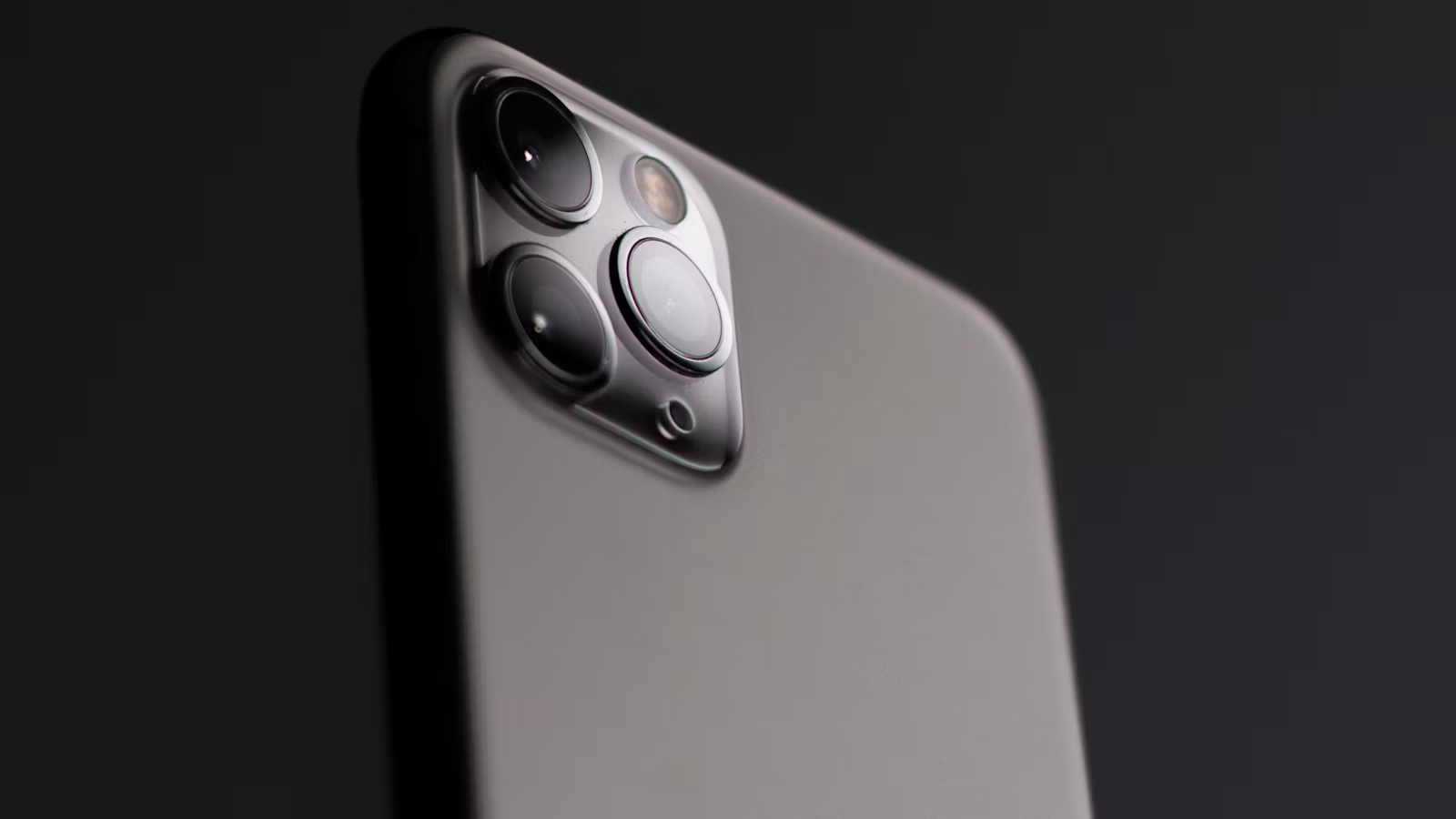
iPhone remains the first variable in Apple earnings. Apple's FY2026 Q2 Form 10-Q showed iPhone net sales of $56.994 billion in Q2, up 22% year over year. The company said growth was driven primarily by Pro models. This mix matters because high-end models not only increase revenue, but also support ASP, product gross margin, and ecosystem value.
Q3 needs to validate whether iPhone 17-series demand remains healthy. Apple's fiscal Q3 is usually not a new iPhone launch quarter, so it reflects the durability of the prior generation in the middle-to-late part of its cycle. If the Pro mix remains high, high-end users' upgrade willingness and ecosystem stickiness remain strong. If growth relies mainly on channel promotions, carrier subsidies, or lower-end models, the market will worry about ASP and margin pressure.
The upgrade cycle is the second variable. In recent years, consumer replacement cycles have lengthened. Only more meaningful improvements in camera, chips, displays, battery, AI features, and storage experience can push high-end users to upgrade sooner. If management mentions healthy installed base, switchers, upgraders, or Pro demand in Q3, the market will more easily believe iPhone growth is not just a one-time restocking rebound.
| iPhone Demand Signal | Positive Signal | Cautious Signal |
|---|---|---|
| Pro model mix | High-end demand remains stable | Lower-end or promotional models contribute more |
| ASP | Stable or rising | Discounts expand |
| Upgrade cycle | Upgraders and switchers are healthy | Users delay upgrades |
| Channel inventory | Inventory remains normal | Sell-in exceeds real sell-through |
| AI features | Support high-end model value | User value perception is not clear |
| Costs | Pricing and mix absorb DRAM/NAND costs | Memory and storage costs pressure margins |
Pricing pressure cannot be ignored. AI phones usually require higher DRAM, NAND, SoC, and on-device compute configurations. If component costs rise and Apple cannot absorb them through ASP, product mix, or Services attach rate, products gross margin will come under pressure. Counterpoint's report on Q2 2026 global smartphone shipments also identified memory cost pressure as an industry variable. Conversely, if Apple can offset costs through Pro model mix, storage-tier upgrades, and pricing strategy, the market will view AI features as an upgrade reason for high-end devices rather than a margin risk.
China iPhone performance will also feed back into the global view. If Greater China keeps growing in Q3, iPhone remains competitive in the high-end market. If China pulls back, the market will worry that Q2 iPhone strength came more from short-term channel and promotional recovery than from sustained global high-end demand.
Summary: iPhone remains the first variable in Apple earnings. If Q3 proves that Pro demand, ASP, and the upgrade cycle remain healthy, the market will view high-end hardware demand as still strong. If growth slows or relies on promotions, Services alone will struggle to support valuation expansion.
Can Services Keep Supporting Profit: App Store, Advertising, Cloud Services, and Gross Margin

Services are Apple's profit stabilizer. Q2 Services revenue was $30.976 billion, up 16% year over year and reaching another record. Services gross margin reached 76.7%, up from 75.7% a year earlier. By comparison, Q2 products gross margin was 38.7%. That means each additional dollar of Services revenue contributes far more to EPS than an additional dollar of hardware revenue.
The 10-Q shows Services revenue growth was mainly driven by advertising, App Store, and cloud services. This mix shows Apple's Services business is not only a subscription story, but a combination of app distribution, search advertising, cloud storage, payments, warranty, media subscriptions, and ecosystem services. As long as the iPhone installed base keeps expanding, Services can maintain growth through user retention, paid conversion, and multi-service bundling.
Q3 needs to show whether Services revenue can keep growing at a double-digit rate while maintaining a gross margin around 76%. If Services growth stays stable, Apple can offset hardware seasonality, component cost increases, and product margin pressure. If Services growth slows, the market will revisit Apple's valuation logic as a company shifting from hardware toward a high-margin ecosystem.
| Services Signal | Positive Signal | Risk |
|---|---|---|
| App Store | Transactions and subscriptions keep growing | Commission and payment rules face regulatory changes |
| Advertising | Search ads and ecosystem ads are strong | Privacy, regulation, and ad-budget volatility |
| Cloud services | iCloud paid storage demand grows | User upgrade pace slows |
| AppleCare / payments | Attach rate improves | Slower hardware sales affect new users |
| Gross margin | Remains around 76% | Content, cloud, and compliance costs rise |
| Installed base | Device base keeps reaching new highs | Longer replacement cycles reduce new service entry points |
Regulation is the biggest valuation discount for Services. App Store commissions, external payment links, the EU DMA, U.S. antitrust lawsuits, and platform rule changes across regions can all affect Services revenue growth and gross margin. Apple's European Digital Markets Act page lists compliance information related to iOS, App Store, Safari, and iPadOS, while Apple Developer provides guidance on reporting external purchase transactions. Apple's Services quality is high, but it is not risk-free cash flow. If management is asked about regulation on the Q3 call, the response will affect confidence in long-term Services margins.
Services and iPhone are not separate. High-end iPhone users usually have stronger Services spending ability, with higher App Store, iCloud, AppleCare, payments, and subscription attach rates. If high-end iPhone demand and Services revenue are both strong, Apple's ecosystem flywheel is more solid. If iPhone slows, Services can support profit in the short term, but the long-term entry point for new users narrows.
Summary: Services are Apple's profit stabilizer. If App Store, advertising, and cloud services keep growing with quality in Q3 and maintain gross margin around 76%, Apple's EPS quality will be more stable. Regulation, payment rules, and App Store commission changes remain the main valuation discounts for Services.
Is the China Revenue Recovery Real: Greater China, iPhone Share, and Local Competition
Greater China is the most sensitive regional variable in Apple's Q3 earnings. Q2 Greater China net sales were $20.497 billion, up 28% year over year. The 10-Q shows growth in Greater China was mainly driven by iPhone, while a stronger renminbi against the U.S. dollar also provided a positive effect. This growth was very strong, but the market needs to judge whether it reflects real demand recovery, or a temporary rebound amplified by FX, channel restocking, promotions, and a low base.
Real improvement should show three signals. First, high-end iPhone sell-through remains strong rather than just channel sell-in. Second, Pro models and higher storage configurations remain stable, supporting ASP. Third, Apple does not continue losing high-end share to Huawei, Xiaomi, OPPO, vivo, and other local competitors. If Q3 shows these signals, the China recovery will look more credible.
Competition in China remains intense. Local brands continue investing in foldables, imaging, fast charging, battery, system ecosystems, and AI assistants. Some consumers are also more focused on local AI functions, channel subsidies, and price-performance. Counterpoint's smartphone report also noted that the iPhone 17 series remained resilient globally, while China was still a relatively pressured market. Apple's advantages remain chips, system ecosystem, App Store, privacy, brand, and high-end user stickiness, but in China, every iPhone generation must prove its upgrade reason again.
| China Signal | Positive Interpretation | Cautious Interpretation |
|---|---|---|
| Greater China revenue | Q3 keeps growing | Falls clearly after Q2 |
| iPhone sell-through | Real end demand is strong | Channel restocking lifts revenue |
| Pro mix | High-end demand is stable | Driven by promotions and lower-priced models |
| FX | Local-currency demand is also strong | Dollar revenue is amplified by FX |
| Local competition | High-end share remains stable | Huawei, Xiaomi, and others continue pressuring |
| Promotions / subsidies | Support upgrades without hurting margin | Discounts widen and pressure ASP |
Q3 also needs to be watched for channel inventory. If Q2 growth came from channel restocking, Q3 sell-in may slow. If Q2 and Q3 sell-through are both healthy, consumer demand recovery is more real. On the earnings call, management usually does not provide detailed regional sell-through, but commentary on channel inventory, installed base, switchers, upgraders, and regional performance can offer clues.
The importance of China is not only revenue. AAPL's high valuation implies stable global high-end demand, and China is one of the world's largest high-end smartphone markets. If China's recovery continues, investor confidence in iPhone and Services will strengthen. If China becomes volatile again, the market will worry more about Apple's long-term position in AI phones and local ecosystem competition.
Summary: China is the most sensitive regional variable in Apple's Q3 earnings. Q2's 28% growth was strong, but the market needs to confirm it came from real high-end demand and iPhone share improvement, not FX, channel restocking, or a temporary promotion-driven rebound.
Mac, iPad, Wearables, and Guidance: How Do AI Costs and Gross Margin Affect the Next Quarter?
Mac, iPad, and Wearables are not Apple's core Q3 conflict, but they determine whether total revenue is more balanced. In Q2, Mac revenue was $8.399 billion, up 6% year over year, mainly driven by laptops. iPad revenue was $6.914 billion, up 8%, driven by iPad growth but partly offset by iPad mini. Wearables, Home and Accessories revenue was $7.901 billion, up 5%. These businesses are growing slower than iPhone and Services, but they can reduce reliance on one product cycle.
Mac and iPad also connect to AI. M-series chips, on-device AI, creative workflows, education, and enterprise refresh cycles all affect Mac and iPad demand. In its WWDC26 Apple Intelligence update, Apple placed iPhone, iPad, Mac, Apple Watch, and Vision Pro within its AI feature ecosystem. If Q3 management commentary mentions the M-series product cycle, enterprise adoption, education demand, or AI workloads driving Mac/iPad, the market will more easily view Apple AI as a cross-device ecosystem rather than only an iPhone story.
Wearables growth is slower, so investors should watch Apple Watch, AirPods, HomePod, Vision, and spatial-computing clues. Wearables are not necessarily the short-term growth engine, but they reflect ecosystem stickiness and service entry points. If Apple Watch / AirPods refresh cycles are weak, accessories contribute less to total revenue. If health, audio, spatial computing, and home scenarios show new demand, ecosystem value becomes more complete.
| Business Line | Q2 Performance | Q3 Focus |
|---|---|---|
| Mac | $8.399 billion, up 6% | M-series product cycle and AI PC replacement demand |
| iPad | $6.914 billion, up 8% | Education, creative, and enterprise scenarios |
| Wearables | $7.901 billion, up 5% | Watch, AirPods, Vision clues |
| Products margin | 38.7% | DRAM/NAND/advanced chip costs |
| Services margin | 76.7% | Whether high margin stays stable |
| Total gross margin | 49.3% | Whether product mix and Services mix support it |
The focus of guidance is next-quarter revenue, gross margin, operating expenses, tax rate, and Services growth. Apple usually does not give full line-item guidance like some companies, but CFO and CEO commentary affects expectations. If management suggests strong next-quarter revenue growth, double-digit Services growth, and stable gross margin, AAPL's valuation will be easier to support.
Cost pressure also matters. The 10-Q risk factors mention that prices and supply changes for key components such as advanced semiconductors, NAND, and DRAM can affect gross margin. AI features can increase memory, storage, chip, and R&D costs. If those costs can be absorbed through high-end model ASP, storage-tier upgrades, and Services attach rates, the market will accept them. If not, product gross margin becomes a post-earnings pressure point.
Summary: Mac, iPad, and Wearables are not Apple's core Q3 conflict, but they can complement the revenue structure. More importantly, next-quarter guidance, gross margin, and AI cost commentary matter. If management can prove costs are controlled, Services margins remain high, and iPhone demand continues, AAPL valuation will be easier to support.
Which Signals Matter for AAPL Valuation After Q3?
AAPL valuation after Q3 should not be judged only by an EPS beat. A more complete framework should include whether iPhone beats expectations, whether Services continue growing double digits, whether Greater China remains stable, whether gross margin holds, whether next-quarter guidance is strong, and whether AI features can support high-end devices and ecosystem services. Apple's advantage is that multiple variables reinforce each other. Its risk is that any one weak variable can be magnified by a high valuation.
If iPhone, Services, and Greater China are all strong, the market will view Apple's hardware ecosystem and high-margin Services as still solid. If iPhone meets expectations but China falls back, or Services growth slows, or gross margin is hit by memory/storage costs, the stock may first reflect valuation pressure. For Apple, the post-earnings reaction is rarely simply "good" or "bad." It is the market's reassessment of growth quality over the next few quarters.
For users with U.S. stock trading needs, biya can be used to follow large-cap tech stocks such as AAPL, Microsoft, Amazon, and Meta, while combining earnings schedules, order types, and personal risk tolerance into a plan. biya supports multi-asset trading across U.S. stocks, Hong Kong stocks, and cryptocurrencies. Users can also view tradable names through the U.S. stock list, or use mobile services by downloading the app.
On fees, biya's U.S. stock commission is $0. Platform fees, external institution fees, FX costs, order prices, and other applicable fees should be based on the biya pricing page, order-page display, and platform rules. Post-earnings trading also requires attention to after-hours liquidity, bid-ask spreads, the difference between limit orders and market orders, applicable account and regional rules, and the maximum drawdown an investor can tolerate.
| Post-Q3 Valuation Signal | Positive Combination | Cautious Combination |
|---|---|---|
| iPhone | Pro models strong and ASP stable | Growth relies on promotions or channel restocking |
| Services | Double-digit growth and stable margin | Growth slows or regulatory pressure expands |
| Greater China | Real demand keeps recovering | Clear decline after Q2 |
| Gross margin | Near or above market expectations | DRAM/NAND costs pressure product margin |
| Next-quarter outlook | Revenue and Services tone are strong | Management is cautious on demand |
| AI features | Support high-end devices and ecosystem value | User perception is weak while costs rise |
A more disciplined observation sequence is to first check whether revenue and EPS beat consensus, then review iPhone, Services, Greater China, and gross margin, and finally listen for next-quarter commentary, AI costs, memory/storage pricing, and regulation. The biggest risk on earnings day is not missing the first after-hours move, but treating a single EPS beat as proof that Apple's full growth logic has been validated.
Summary: AAPL valuation after Q3 should not be judged only by an EPS beat. High-end iPhone demand, high-margin Services, China recovery, gross margin, and next-quarter guidance together determine earnings quality. Only when these signals improve together will the market be more willing to keep assigning Apple a high valuation.
FAQ
When Will Apple Report FY2026 Q3 Earnings?
Apple's FY2026 Q3 earnings call will be held at 2:00 p.m. PT / 5:00 p.m. ET on July 30, 2026, corresponding to around 5:00 a.m. Beijing time on July 31, 2026.
What Are Apple's Q3 Market Expectations?
Recent market expectations vary. Revenue expectations are broadly in the $103 billion to $109 billion range, while EPS expectations are around $1.87 to $1.89. Final figures should be based on the latest consensus from each platform before earnings.
What Matters Most for iPhone in Q3?
The key items are iPhone 17-series durability, Pro model mix, ASP, channel inventory, China demand, and whether memory costs affect pricing and gross margin. If Pro models and higher storage configurations are strong, revenue quality is higher.
Why Are Services Important for Apple EPS?
Services have much higher margins than hardware. Q2 Services revenue was $30.976 billion, up 16% year over year, and Services gross margin was 76.7%, providing important support for EPS stability and valuation.
Why Is China Revenue a Focus in Apple Earnings?
Q2 Greater China revenue was $20.497 billion, up 28% year over year, mainly driven by iPhone. Q3 needs to confirm whether growth can continue, and whether local competition, channel inventory, and FX factors affect demand.
*本文仅供参考,不构成 BiyaPay 或其子公司及其关联公司的法律,税务或其他专业建议,也不能替代财务顾问或任何其他专业人士的建议。
我们不以任何明示或暗示的形式陈述,保证或担保该出版物中内容的准确性,完整性或时效性。
其他BiyaPay博客内容

The Three Questions Palantir Earnings Must Answer: AIP Growth, Government Contracts, and Valuation Risk


Can Silicon Motion Still Be Bought After Rising Over 300% in a Year? Watch SSD Share, Valuation, and 2027 Growth in Earnings

Will Rising Memory Prices Pressure Apple's Margins? iPhone Pricing, Supply Chain, and Earnings Impact


Will Amazon Keep Raising AI Capital Spending? AWS, Free Cash Flow, and the \$200 Billion Investment Plan

选择国家或地区,阅读当地博客
 澳大利亚
澳大利亚 奥地利
奥地利 比利时
比利时 加拿大
加拿大 塞浦路斯
塞浦路斯 捷克
捷克 丹麦
丹麦 爱沙尼亚
爱沙尼亚 芬兰
芬兰 法国
法国 德国
德国 希腊
希腊 香港
香港 印度
印度 印度尼西亚
印度尼西亚 爱尔兰
爱尔兰 意大利
意大利 日本
日本 拉脱维亚
拉脱维亚 立陶宛
立陶宛 卢森堡
卢森堡 马来西亚
马来西亚 马耳他
马耳他 摩洛哥
摩洛哥 尼泊尔
尼泊尔 荷兰
荷兰 新西兰
新西兰 挪威
挪威 巴基斯坦
巴基斯坦 菲律宾
菲律宾 波兰
波兰 葡萄牙
葡萄牙 罗马尼亚
罗马尼亚 新加坡
新加坡 斯洛伐克
斯洛伐克 斯洛文尼亚
斯洛文尼亚 南非
南非 韩国
韩国 西班牙
西班牙 瑞典
瑞典 泰国
泰国 美国
美国 土耳其
土耳其 阿联酋
阿联酋 英国
英国 越南
越南
联系我们



