Will Rising Memory Prices Pressure Apple's Margins? iPhone Pricing, Supply Chain, and Earnings Impact




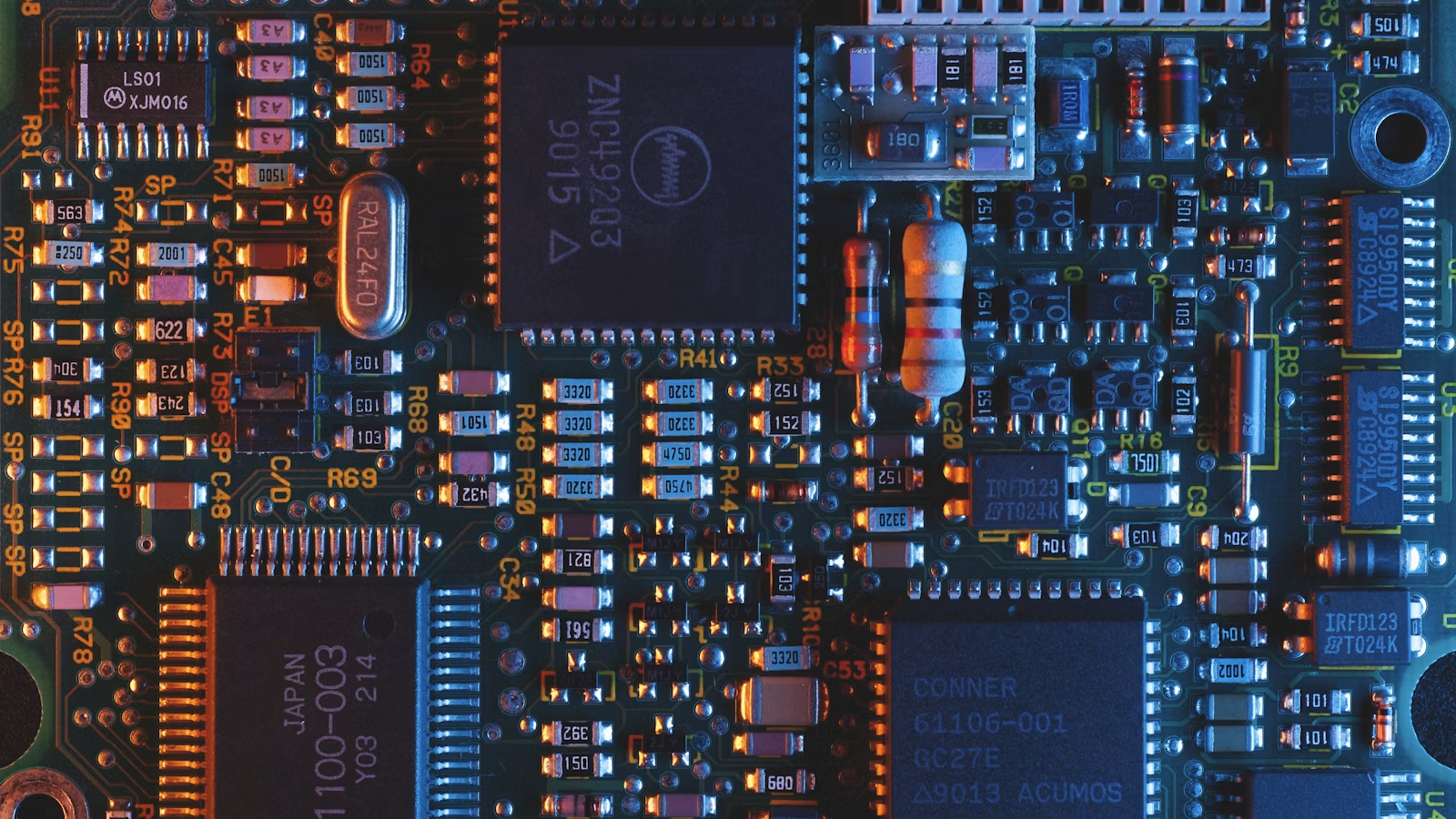
Will rising memory prices pressure Apple's margins? This question has become more sensitive ahead of Apple's FY2026 Q3 earnings. In the past, the market mainly watched iPhone shipments, Services, buybacks, China revenue, and guidance. But after the AI device cycle began, capacity competition among DRAM, NAND, HBM, server memory, and smartphone memory started to reshape hardware companies' cost structures. For Apple, rising memory prices are not an isolated component issue. They can affect iPhone BOM cost, Pro model pricing, Apple Intelligence on-device experience, Products gross margin, and next-quarter margin guidance at the same time.
The market's focus now is not simply to decide that "memory is more expensive, so Apple's margins must fall." Apple has strong supply-chain bargaining power, long-term purchase agreements, a premium user base, Pro mix, and high-margin Services, so it can absorb cost volatility better than most consumer-electronics companies. But if DRAM and NAND price increases continue, and AI features require higher memory and storage configurations, Apple will still need to balance price, configuration, volume, and margin. What earnings really need to verify is whether memory-cost pressure has started to enter product margins, and whether Apple can turn that pressure into higher ASP rather than margin erosion.
Key Takeaways
- According to Apple's Investor Relations schedule, Apple's FY2026 Q3 earnings call will be held on July 30, 2026, at 2:00 p.m. PT / 5:00 p.m. ET.
- Apple's FY2026 Q2 10-Q showed iPhone net sales of $56.994 billion, up 22% year over year, mainly driven by Pro models.
- Apple's Q2 total gross margin was 49.3%, Products gross margin was 38.7%, and Services gross margin was 76.7%.
- TrendForce said 2Q26 mobile DRAM contract prices rose sharply, with both LPDDR4X and LPDDR5X posting notable increases.
- AI servers, HBM, and data-center demand can push memory-chain prices higher, but consumer-electronics devices have limited pricing tolerance.
- The earnings focus is not whether memory prices have risen, but whether Apple can offset hardware cost pressure through Pro mix, ASP, supply-chain management, and Services.
Why Rising Memory Prices Affect Apple: DRAM, NAND, and the iPhone Cost Structure
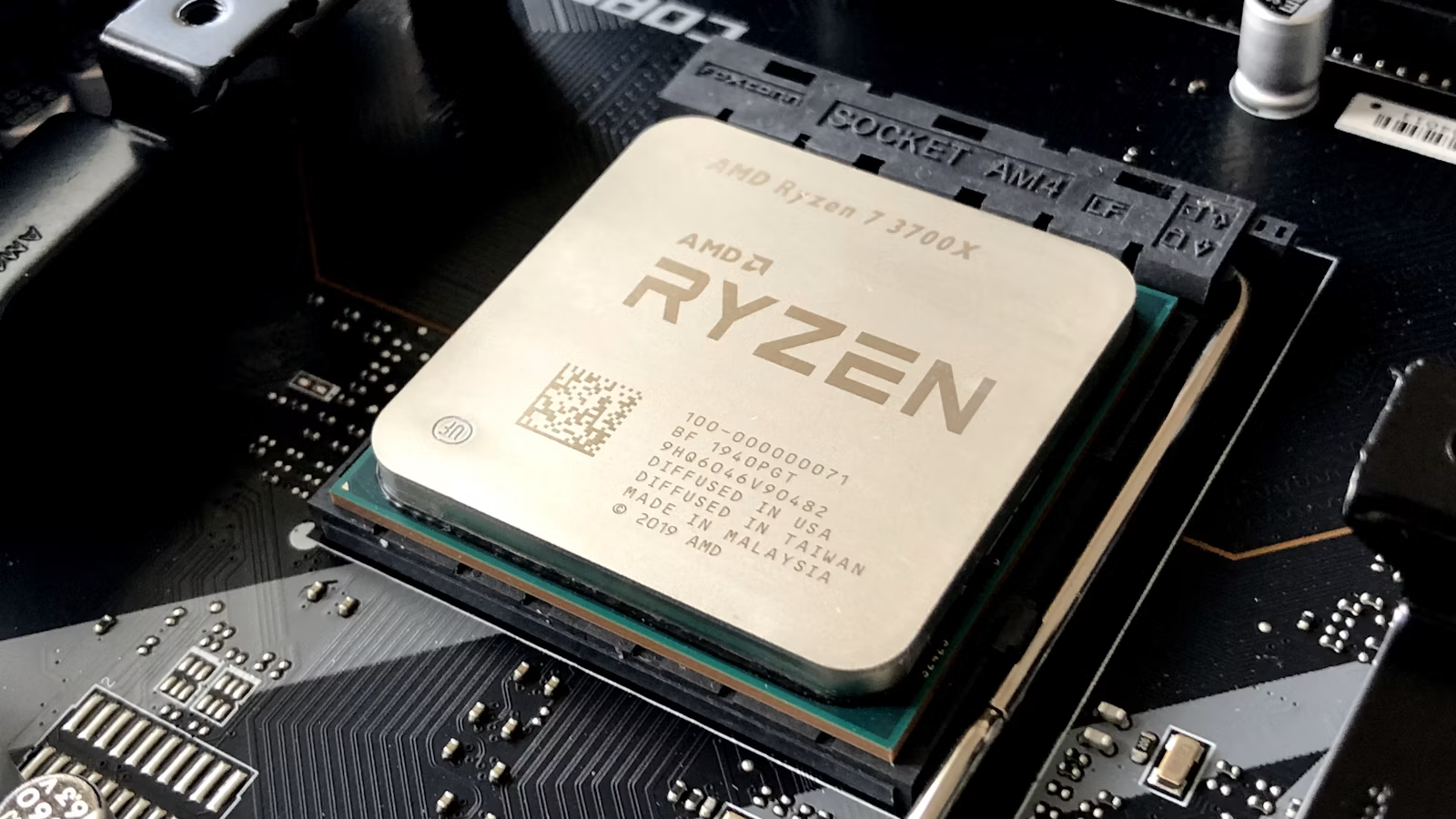
The impact of rising memory prices on Apple should first be separated into DRAM and NAND. DRAM affects iPhone RAM, multitasking, on-device AI inference, image processing, and text processing. NAND affects local storage, photo and video retention, ProRes workflows, high-storage configurations, and users' willingness to upgrade to 256GB, 512GB, or 1TB versions. For Apple, these two types of memory are not low-value optional parts; they are baseline costs for the premium iPhone experience.
TrendForce said in its 2Q26 mobile DRAM contract-price report that smartphone customers actively replenished inventory amid tight supply, causing mobile DRAM contract prices to rise significantly. The report also noted strong increases in both LPDDR4X and LPDDR5X. This means that even with long-term procurement and bargaining advantages, Apple cannot fully detach itself from the industry price cycle. If suppliers shift more capacity and negotiating leverage toward AI servers, HBM, and high-end data-center customers, smartphone memory costs will have a harder time returning to low levels.
The NAND logic is similar, but the transmission path is different. TrendForce's 3Q26 memory price outlook noted that DRAM and NAND prices are still supported by AI server and enterprise demand, while consumer-end affordability has become an important constraint on price increases. For iPhone, higher NAND prices may not immediately appear as higher starting prices. They are more likely to show up first in high-capacity model margins, storage configuration strategy, and product mix.
| Memory Type | Impact on iPhone | Margin Transmission |
|---|---|---|
| LPDDR DRAM | Supports multitasking, on-device AI, system response, and imaging | Raises unit cost, especially for high-end models |
| NAND Flash | Supports local storage, photo/video, Pro workflows, and high-capacity models | Compresses profit room for high-storage versions |
| HBM | Not directly used in iPhone, but competes for advanced capacity and investment focus | Increases memory-chain bargaining power |
| Server DRAM | Driven by AI data-center demand | Pushes suppliers toward higher-margin customers |
| Packaging and testing | High-end memory requires more complex processes | Indirectly raises procurement and delivery cost |
| Inventory cycle | Customer pre-buying can amplify short-term increases | Makes Apple's price locking and inventory planning harder |
Rising memory prices matter because memory is not a normal component that users can easily ignore. Better cameras, larger local models, longer videos, and more complex AI features all require more DRAM and NAND. Apple can optimize chips, software, and cloud coordination, but if Apple Intelligence relies more on on-device capability, hardware configuration still needs to keep up. In other words, Apple's low-CapEx AI route may reduce cloud data-center pressure, while shifting part of AI cost to the device side.
Summary: Rising memory prices affect Apple not only through higher DRAM or NAND costs, but also through high-end iPhone configurations, on-device AI experience, and Products gross margin. Apple can cushion the pressure through supply chain and product mix, but it cannot fully escape an upward memory cycle.
Can iPhone Pricing Pass Through Costs: Pro Models, ASP, and Storage Upgrades

Whether Apple can offset rising memory prices depends mainly on whether the iPhone pricing system can pass through costs. According to Apple's FY2026 Q2 Form 10-Q, Q2 iPhone net sales were $56.994 billion, up 22% year over year, mainly driven by Pro models. This matters because Pro models and high-storage versions usually carry higher ASP and have more ability to absorb cost increases in DRAM, NAND, cameras, SoCs, and displays.
Apple does not necessarily need to raise the starting price of the entire iPhone lineup. A more common approach is to keep base prices stable while encouraging users to choose Pro, Pro Max, and higher-storage versions. For example, if memory costs rise but more users buy 512GB or 1TB versions, Apple has a chance to use higher ASP to offset unit-cost pressure. If users remain concentrated in entry-level storage tiers, NAND price increases will more easily compress hardware margins.
This is also why investors cannot look only at iPhone revenue growth in earnings; they need to evaluate growth quality. If iPhone growth comes from Pro mix, a move up the price ladder, a higher share of high-capacity models, and healthy replacement demand, the margin hit from memory inflation will be more manageable. If growth comes from discounts, channel restocking, or low-end model volume, revenue growth may still hide product-margin pressure.
| Cost Pressure | Possible Apple Response | Impact on Margin | Impact on Volume |
|---|---|---|---|
| DRAM price increase | Increase configuration differentiation for Pro models | Helps maintain high-end margins | Base-model appeal may weaken |
| NAND price increase | Encourage higher storage capacities | ASP improvement can partly offset cost | Entry-level users may extend replacement cycles |
| AI configuration needs | Bind stronger features to high-end hardware | Pro mix improves margins | Feature segmentation may cause controversy |
| FX volatility | Adjust regional pricing | Partly passes through cost | Price-sensitive markets face pressure |
| Tight supply | Lock capacity and inventory in advance | Reduces short-term volatility | Inventory management becomes harder |
| Promotion competition | Use trade-in and carrier subsidies | Reduces pressure for direct price cuts | Depends on channel cooperation |
It is important to remember that iPhone pricing is not an isolated financial model; it also affects the replacement cycle. Premium users are less price-sensitive, but not all global users are willing to pay a premium for AI, storage, and high-end imaging. If memory inflation forces Apple to raise prices while Apple Intelligence's perceived value is not strong enough, users may extend their replacement cycle. In that case, margins may be protected in the short term, but volume and revenue growth could come under pressure.
Summary: Apple's ability to digest memory inflation depends on Pro mix, ASP, and the share of high-storage models, not simply on raising iPhone starting prices. If premium demand continues, cost pressure can be absorbed by product mix. If user price sensitivity rises, margin and volume will start pulling against each other.
How Will the Supply Chain Adjust: Samsung, SK hynix, Micron, and Long-Term Purchase Agreements

Apple's biggest advantage when facing memory inflation is supply-chain scale and cash flow. As one of the world's largest consumer-electronics buyers, Apple can usually reduce the impact of short-term price volatility through long-term purchase agreements, prepayments, capacity guarantees, supplier diversification, and product-roadmap coordination. DRAM and NAND suppliers mainly include Samsung, SK hynix, Micron, and others. Apple can balance across suppliers, capacity specifications, and regional supply.
But the 2026 memory cycle has a new variable: AI data centers are increasing memory suppliers' bargaining power. HBM, server DRAM, enterprise SSDs, and high-end NAND carry higher margins, and customers are more willing to pay a premium for secured capacity. By contrast, the smartphone market is more mature, and end consumers are more sensitive to price increases. This can push memory suppliers to allocate advanced capacity and negotiating resources more toward AI server and enterprise customers.
TrendForce's view on future DRAM and NAND prices already reflects this structural change: AI server demand continues to support prices, but consumer-electronics affordability limits the magnitude of increases. Apple sits between these two worlds. On one hand, iPhone is a consumer-electronics product and cannot raise prices without limit. On the other hand, Apple's premium positioning, strong brand, and stable procurement scale make it closer to a high-quality strategic customer than a typical smartphone vendor.
| Supply-Chain Tool | Apple's Advantage | Potential Limitation |
|---|---|---|
| Long-term purchase agreements | Smooths short-term price volatility | If the cycle keeps rising, locked prices also become more expensive |
| Multi-supplier strategy | Reduces single-supplier risk | High-end specifications may have limited substitutes |
| Prepayments and capacity locks | Secures critical components in advance | Uses cash and raises inventory risk |
| Product-roadmap coordination | Lets suppliers prepare capacity early | Demand forecasting errors raise cost |
| Specification optimization | Uses system and chip efficiency to reduce brute-force configuration | AI features may push configuration higher again |
| Regional supply adjustment | Reduces policy and logistics risk | Certification, quality, and capacity switching take time |
Supply-chain management can also affect the earnings timeline. If Apple locked in lower prices in advance, the margin impact from memory inflation may appear with a lag. If suppliers renegotiate more quickly, cost pressure may show up first in next-quarter gross margin guidance. Therefore, investors should not only look at current-quarter Products gross margin. They should also listen for whether management mentions component cost, supply constraint, inventory, pricing, and the next-quarter margin range.
Summary: Apple has strong supply-chain bargaining power, but AI data centers are changing customer priority in the memory industry. If suppliers prioritize high-margin capacity for AI servers, Apple will still face higher procurement costs, even if the impact is delayed by long-term agreements and product mix.
Will Rising Memory Prices Directly Pressure Apple's Margins? Watch Products Gross Margin, Not Just Total Gross Margin
To judge whether rising memory prices are pressuring Apple's margins, investors should not look only at total gross margin. Apple's Q2 10-Q showed total gross margin of 49.3%, Products gross margin of 38.7%, and Services gross margin of 76.7%. The gap among these metrics shows that Apple's total margin is increasingly supported by Services, while DRAM, NAND, display, camera, and chip costs mainly hit Products gross margin.
If total gross margin remains stable after earnings, investors still cannot immediately conclude that hardware cost pressure is absent. One possible explanation is that high-margin Services continued to expand and offset a decline in Products gross margin. Conversely, if Products gross margin remains stable even as memory prices rise, it would suggest Apple may have absorbed costs through product mix, supply-chain agreements, ASP, FX management, and inventory timing.
Management's next-quarter gross margin guidance is equally important. Memory price increases usually do not affect only one quarter, especially when procurement, inventory, and new-product preparation cycles overlap. Cost pass-through can arrive with a delay. If Apple's guided margin range is below market expectations and management mentions component cost, memory cost, or new-product cost, the market may view memory inflation as a more direct margin risk.
| Earnings Metric | Positive Signal | Cautious Signal |
|---|---|---|
| Products gross margin | Stable or slightly improved | Clear decline with cost-heavy explanation |
| Total gross margin | Remains high | Services hides hardware pressure |
| Services gross margin | Continues supporting EPS | Regulation and costs drag on margins |
| iPhone revenue | Driven by Pro models | Driven by discounts or channel restocking |
| Gross margin guidance | In line with or above expectations | Below expectations and mentions component costs |
| Inventory | Healthy preparation | High-cost inventory limits future flexibility |
Investors also need to separate accounting margins from commercial pricing power. Apple can maintain margins through price increases, higher Pro mix, and fewer discounts. But if this causes users to lengthen replacement cycles, long-term revenue growth will be affected. For AAPL valuation, the ideal combination is stable Products gross margin, high-quality iPhone revenue growth, and continued Services expansion, rather than short-term price tactics used to force margins to hold.
Summary: The most direct way to judge whether memory inflation is pressuring Apple's margins is to watch Products gross margin and next-quarter margin guidance. Stable total gross margin may simply mean high-margin Services is offsetting hardware pressure, so earnings analysis must separate the pieces.
Will AI Features Amplify Memory Demand: Apple Intelligence, On-Device Inference, and Configuration Upgrades
Apple Intelligence makes the memory question more complex. On its Apple Intelligence page, Apple emphasizes that AI features combine personal context, system-level experience, and privacy protection. At the same time, Apple's Private Cloud Compute architecture sends complex requests to a privacy-focused cloud system. This combination means Apple is neither fully dependent on the cloud nor placing every task on device. Instead, it allocates AI work between device and cloud.
But as long as Apple emphasizes on-device AI, hardware configuration pressure will increase. Stronger Siri AI, local models, multimodal recognition, photo and video understanding, text generation, screen awareness, and cross-app actions all require more RAM, NAND, and SoC capability. Apple can reduce memory usage through system optimization, but if AI experience becomes a core selling point for premium iPhones, the hardware stack will still become heavier.
When Apple introduced Siri AI in June, it emphasized personal context, onscreen awareness, world knowledge, and systemwide app actions. For users, the more natural these features feel, the more likely they are to drive upgrades. For Apple, the more these features rely on local data and low-latency response, the more likely they are to raise device-side memory demand.
| AI Feature | Possible Additional Hardware Need | Earnings Meaning |
|---|---|---|
| Personal context | More local data indexing and memory use | Demand for high-capacity versions may rise |
| Onscreen awareness | Image recognition and real-time processing | Pro model differentiation strengthens |
| App actions | Multi-app background coordination | RAM requirements rise |
| Generative text and images | Local inference and caching | SoC, DRAM, and NAND all face pressure |
| Private Cloud Compute | Reduces some local compute pressure | Cloud cost and privacy-architecture investment increase |
| Gemini / external models | Supplements large-model capability | Reduces in-house model pressure, but does not remove device configuration needs |
This also explains the two sides of Apple's AI strategy. A low-CapEx route helps protect free cash flow because Apple does not need to build AI data centers at hyperscaler scale. But if more AI experiences are completed through end-user hardware, costs may shift into the iPhone BOM. If users are willing to buy higher-end devices for AI features, that supports valuation. If AI features do not feel meaningful, rising memory cost looks more like margin risk.
Regional availability also affects cost pass-through. If Apple Intelligence or Siri AI rolls out slowly in certain markets, users will have weaker reasons to pay a premium for higher memory configurations. In price-sensitive markets, consumers may care more about battery, camera, discounts, and local ecosystems than AI features that are not fully available yet. If management says AI is driving upgrades during the earnings call, the market will keep asking about available regions and device thresholds.
Summary: Apple Intelligence may increase the appeal of iPhone upgrades, but it also amplifies on-device DRAM and NAND demand. If the AI experience is strong enough, memory inflation can be absorbed by premium upgrades. If the experience is not obvious, higher configuration cost looks more like margin pressure.
How to Judge After Earnings Whether AAPL Has Digested Memory-Price Risk
After earnings, the first step in judging whether AAPL has absorbed memory-price risk is not to look at the first stock-price candle, but to build an indicator checklist. First, see whether Q3 revenue, EPS, iPhone revenue, and Services revenue beat expectations. Then check whether Products gross margin is stable. Finally, listen to management's commentary on next-quarter demand, gross margin, component cost, supply chain, and AI availability. The judgment becomes more reliable only when these three layers of signals line up.
If iPhone revenue is strong, Products gross margin is stable, Services continues high-margin growth, and next-quarter margin guidance is not cut, the market will likely downplay memory-price risk. Conversely, if iPhone revenue is not weak but Products gross margin declines, or if management repeatedly emphasizes component and new-product costs on the call, investors should be alert that Apple may be exchanging revenue growth for margin pressure.
Users with U.S. stock trading needs can use biya to follow AAPL, Micron, Samsung, and other Apple supply-chain or memory-related names, while combining earnings schedules, order types, and personal risk tolerance into a plan. biya supports multi-asset trading including U.S. stocks, Hong Kong stocks, and cryptocurrencies. Users can also view tradable names through the U.S. stock list, or use mobile services by downloading the app.
On fees, biya's U.S. stock commission is $0. Platform fees, external institution fees, exchange rates, order prices, and other applicable costs should be checked against the biya fee page, order-page display, and platform rules. Post-earnings trading should also account for after-hours liquidity, bid-ask spreads, limit-order versus market-order differences, account and regional rules, and the maximum drawdown each user can tolerate.
| Signal to Watch | Positive Combination | Cautious Combination |
|---|---|---|
| iPhone revenue | Driven by Pro models and high-capacity versions | Driven by discounts or channel restocking |
| Products gross margin | Stable or better than expected | Clear decline |
| Services | High-margin expansion continues | Cannot offset hardware pressure |
| Gross margin guidance | Range remains stable | Below market expectations |
| Component cost | Management downplays cost pressure | Clearly mentions rising costs |
| AI availability | Feature rollout drives upgrades | Regional limits weaken the upgrade reason |
For ordinary investors, the more practical method is to split earnings into two tables: one for operating results and one for cost transmission. Operating results include revenue, EPS, iPhone, Services, and Greater China. Cost transmission includes Products gross margin, inventory, margin guidance, and component-cost commentary. If both tables are positive, memory-price risk is manageable. If operations are strong but the cost table is weak, the stock may still face short-term volatility.
Summary: After earnings, the key to judging AAPL is not confirming whether memory prices have risen, but whether Apple has absorbed the cost through Pro mix, ASP, Services, and supply-chain management. If Products gross margin and guidance remain stable, the market will likely downplay memory-price risk.
FAQ
Which Apple Margin Metric Is Most Affected by Rising Memory Prices?
The main impact is on Products gross margin, because DRAM and NAND are hardware costs for iPhone, iPad, Mac, and other devices. Total gross margin is also supported by high-margin Services, so investors should not use total gross margin alone to judge hardware pressure.
Will iPhone Prices Rise Because of Memory Inflation?
Possibly, but Apple does not necessarily need to raise starting prices across the full lineup. A more common approach is to pass through part of the cost through Pro model mix, higher-storage versions, configuration tiers, regional pricing, and carrier subsidies.
Why Does AI Increase Smartphone Memory Demand?
On-device AI needs more RAM for local models, multitasking, image and text inference, and may also need more local storage for photos, videos, AI content, and personal-context data. That raises the importance of both DRAM and NAND.
Is Apple Better Positioned Than Android Vendors to Offset Memory Inflation?
Relatively yes. Apple has a higher share of premium users, stronger Pro mix, strong supply-chain bargaining power, and high-margin Services. But if costs rise too quickly, Apple's hardware margins can still come under pressure.
What Is the Most Important Metric to Watch in Earnings?
Prioritize Products gross margin, iPhone revenue, Pro mix or ASP clues, next-quarter gross margin guidance, and management commentary on component cost, memory supply, AI availability, and the supply chain.
*本文仅供参考,不构成 BiyaPay 或其子公司及其关联公司的法律,税务或其他专业建议,也不能替代财务顾问或任何其他专业人士的建议。
我们不以任何明示或暗示的形式陈述,保证或担保该出版物中内容的准确性,完整性或时效性。
其他BiyaPay博客内容

The Three Questions Palantir Earnings Must Answer: AIP Growth, Government Contracts, and Valuation Risk


Apple Fiscal 2026 Q3 Earnings Preview: iPhone, Services, China Revenue, and Guidance

Is Apple's Low-Investment AI Strategy Working? Siri AI, the Gemini Partnership, and AAPL Valuation Logic


Amazon 2026 Q2 Earnings Preview: AWS Growth, Revenue, EPS, and Third-Quarter Guidance

选择国家或地区,阅读当地博客
 澳大利亚
澳大利亚 奥地利
奥地利 比利时
比利时 加拿大
加拿大 塞浦路斯
塞浦路斯 捷克
捷克 丹麦
丹麦 爱沙尼亚
爱沙尼亚 芬兰
芬兰 法国
法国 德国
德国 希腊
希腊 香港
香港 印度
印度 印度尼西亚
印度尼西亚 爱尔兰
爱尔兰 意大利
意大利 日本
日本 拉脱维亚
拉脱维亚 立陶宛
立陶宛 卢森堡
卢森堡 马来西亚
马来西亚 马耳他
马耳他 摩洛哥
摩洛哥 尼泊尔
尼泊尔 荷兰
荷兰 新西兰
新西兰 挪威
挪威 巴基斯坦
巴基斯坦 菲律宾
菲律宾 波兰
波兰 葡萄牙
葡萄牙 罗马尼亚
罗马尼亚 新加坡
新加坡 斯洛伐克
斯洛伐克 斯洛文尼亚
斯洛文尼亚 南非
南非 韩国
韩国 西班牙
西班牙 瑞典
瑞典 泰国
泰国 美国
美国 土耳其
土耳其 阿联酋
阿联酋 英国
英国 越南
越南
联系我们



