
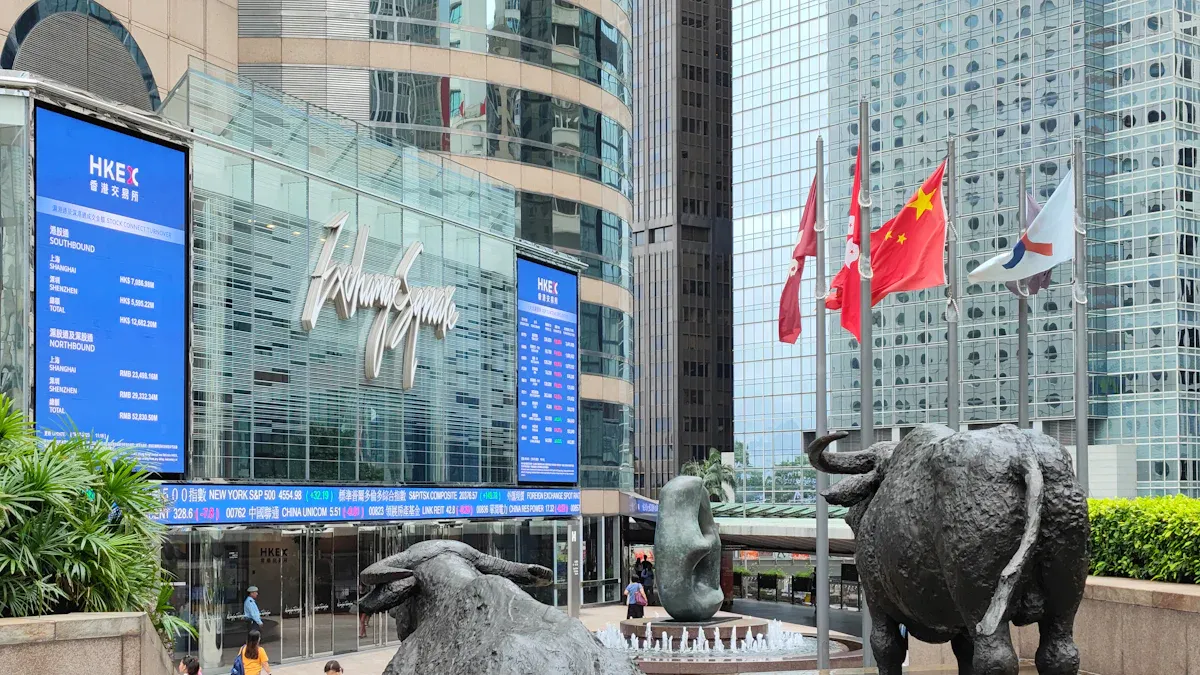
คู่มือเบื้องต้นการลงทุนหุ้นฮ่องกง
หัวข้อคู่มือเบื้องต้นการลงทุนหุ้นฮ่องกงรวบรวมข้อมูลพื้นฐานเกี่ยวกับการเปิดบัญชี เวลาซื้อขาย ค่าธรรมเนียม ประเภทคำสั่งซื้อขาย Stock Connect ของฮ่องกง และกฎเกณฑ์ของตลาด เพื่อช่วยให้นักลงทุนมือใหม่เข้าใจวิธีการดำเนินงานของตลาดหุ้นฮ่องกง คำศัพท์ที่ใช้บ่อย และความเสี่ยงในการลงทุน
บล็อกที่เกี่ยวข้อง

ปฏิทินการรายงานผลประกอบการสหรัฐฯ และฮ่องกง ปลายเดือนสิงหาคม 2026: สิ่งที่ควรจับตาใน Tencent, SMCI, Xiaomi, Baidu และอื่น ๆ
ปฏิทินรายได้ฉบับกระชับสำหรับช่วงกลางถึงปลายเดือนสิงหาคม 2026 ครอบคลุมหุ้น Tencent, SMCI, Xiaomi, Baidu และหุ้นสำคัญอื่นๆ ในตลาดสหรัฐฯ และฮ่องกง โดยเน้นไปที่คำสั่งซื้อ AI, การโฆษณา, อัตรากำไรยานยนต์ และกระแสเงินสด

Matt
2026-08-10 18:59:35

What Are the Hong Kong AI Infrastructure Stocks? Investment Logic for SMIC, Hua Hong Semiconductor, and Lenovo Group
Hong Kong AI infrastructure stocks mainly cover wafer foundry, specialty processes, AI servers, storage, and liquid cooling. This analysis explains the business positioning, financial indicators, growth catalysts, valuation methods, and key investment risks of SMIC, Hua Hong Semiconductor, and Lenovo Group.

William
2026-07-15 17:09:25

หุ้นพื้นที่เชิงพาณิชย์ที่จดทะเบียนในฮ่องกงตัวไหนน่าจับตามอง? ผู้ได้ประโยชน์ปี 2026 จากดาวเทียมวงโคจรต่ำ (LEO), การเสนอขายหุ้น IPO บริษัทจรวด และการประมวลผลเชิงอวกาศ
สำรวจหุ้นอวกาศเชิงพาณิชย์ที่จดทะเบียนในฮ่องกงในปี 2026 รวมถึงบริษัทที่เกี่ยวข้องกับดาวเทียมวงโคจรต่ำ การเสนอขายหุ้น IPO ของจรวดเชิงพาณิชย์ บริการดาวเทียมตรงถึงอุปกรณ์ และการประมวลผลเชิงอวกาศ พร้อมเปรียบเทียบการมีส่วนได้เสียทางธุรกิจ ความคืบหน้าในการแปลงเป็นเชิงพาณิชย์ และความเสี่ยงสำคัญ

Maggie
2026-07-10 17:04:56
ทำไมหุ้นหน่วยความจำที่จดทะเบียนในสหรัฐฯ จึง “บริสุทธิ์” กว่า? แล้วบริษัทที่เกี่ยวข้องกับหน่วยความจำที่จดทะเบียนในฮ่องกงควรถูกจัดประเภทอย่างไร?
ทำไมหุ้นหน่วยความจำที่จดทะเบียนในสหรัฐฯ จึงมักเป็นหุ้น "บริสุทธิ์" มากกว่าบริษัทที่เกี่ยวข้องกับหน่วยความจำที่จดทะเบียนในฮ่องกง? บทความนี้เปรียบเทียบ DRAM, NAND, HBM, HDD, SSD, บริการผลิตแบบรับจ้าง (foundry), หน่วยความจำแบบไม่ลบเลือน, การบรรจุชิปขั้นสูง และความต้องการจากศูนย์ข้อมูล AI เพื่ออธิบายว่านักลงทุนสามารถจำแนกหุ้นที่เกี่ยวข้องกับหน่วยความจำของสหรัฐฯ และฮ่องกง จุดหมายการประเมินมูลค่า (valuation anchors) และความเสี่ยงสำคัญได้อย่างไร

Neve
2026-07-08 17:43:24

Which Storage Chip Concept Stocks Are There in 2026? Classification of Related U.S. and Hong Kong Companies
Which storage chip concept stocks are worth watching in 2026? From DRAM, HBM, NAND Flash, enterprise SSDs, nearline HDDs, SSD controllers, and advanced packaging to Hong Kong-listed semiconductor companies, this guide classifies related U.S. and Hong Kong stocks by business exposure, AI demand drivers, financial sensitivity, and key risks.

Tomas
2026-07-03 18:15:12

How to Distinguish A-Share and Hong Kong Stock Memory-Related Companies? H-Shares, A-Shares, and Business Classification Explained
Learn how to distinguish memory-related A-share and Hong Kong stock companies, including H-shares, A+H listings, business classification, typical company categories, valuation differences, and investment risks.
William
2026-06-30 18:01:29

How to Choose Between U.S. Memory Leaders and Hong Kong-Listed Related Companies? A Comparison of Business Purity, Liquidity, and Risk
How should investors choose between U.S. memory leaders and Hong Kong-listed related companies? From Micron, Sandisk, Western Digital, and Seagate to Shanghai Fudan, ASMPT, SMIC, and Hua Hong Semiconductor, this article compares their business purity, liquidity, and risk differences across DRAM, NAND, HBM, HDD, eNVM, advanced packaging, and wafer foundry exposure.
Neve
2026-06-30 17:20:25

How to Classify Hong Kong AI Memory-Related Stocks? Breaking Down Chip Design, Packaging Equipment, and Foundry Companies
Hong Kong AI memory-related stocks should not be judged only by concept labels. This article breaks down Shanghai Fudan, ASMPT, SMIC, and Hua Hong Semiconductor across three supply-chain paths: chip design, advanced packaging equipment, and foundry manufacturing, and explains their links to HBM, DRAM, eNVM, NOR Flash, Chiplet, and AI server demand.

Reggie
2026-06-30 16:51:35

U.S. Storage Stocks vs. Hong Kong Storage-Related Stocks: How Do Purity, Upside Potential, and Risk Differ?
Compare U.S. storage stocks and Hong Kong storage-related stocks, including Micron, Western Digital, Seagate, Sandisk, ASMPT, Shanghai Fudan Microelectronics, and Lenovo. Learn how they differ in business purity, upside potential, risk structure, and suitable use cases for cross-market storage-sector research.
Matt
2026-06-26 16:53:48