

SWIFT, IBAN and Bank Codes
Understand the bank identifiers used in international transfers, including SWIFT/BIC, IBAN, routing numbers, sort codes, and MT103, with guides to their purpose, format, lookup, and correct use.
Related Blogs
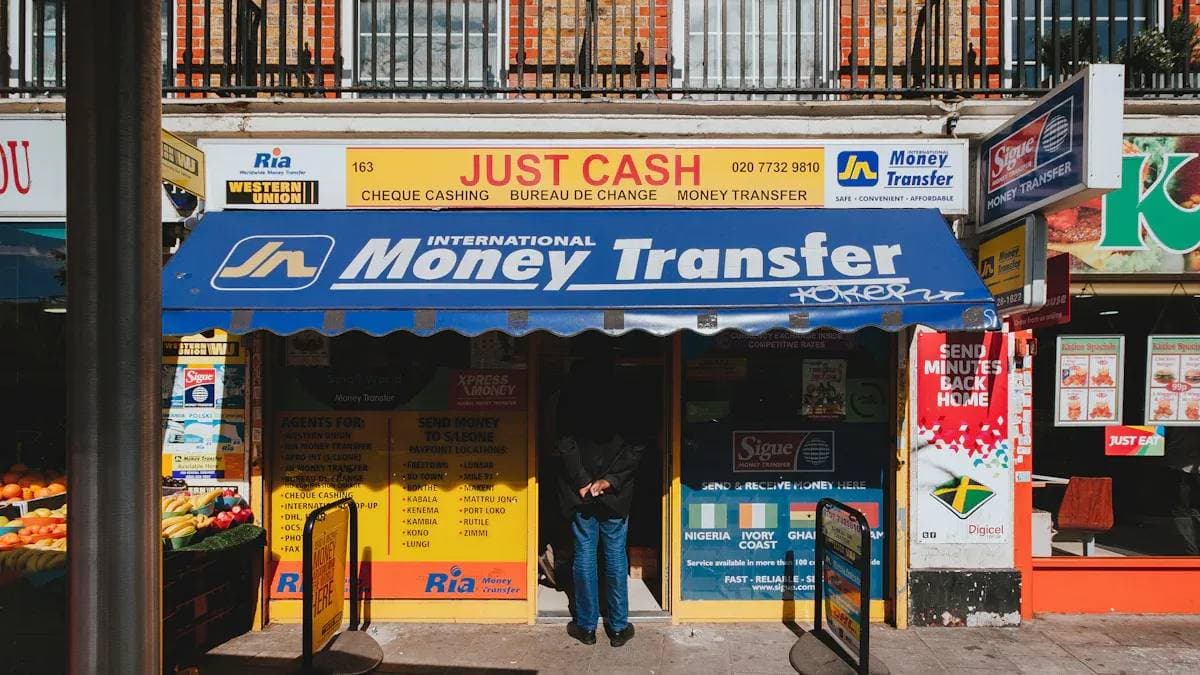
Overview and Scenario Analysis of International Remittance Channels for Chinese Users
Detailed analysis of mainstream international remittance channels for Chinese users, comparing fees, receipt speeds, exchange rates, and limits to help you choose the most efficient and secure international transfer method.

Neve
2025-08-08 15:37:52

In-Depth Analysis of KYC and AML Compliance Key Points in International Remittances
International remittances require strict adherence to KYC and AML compliance, focusing on identity verification, risk assessment, and transaction monitoring to reduce legal and financial risks and ensure fund security.
Neve
2025-08-08 14:55:14

International Remittance Safety Tips to Protect Every Transaction
How to ensure international remittance safety? Choose regulated platforms, verify information, prevent fraud, and comply with regulations to fully protect your funds.
Neve
2025-08-08 14:49:21
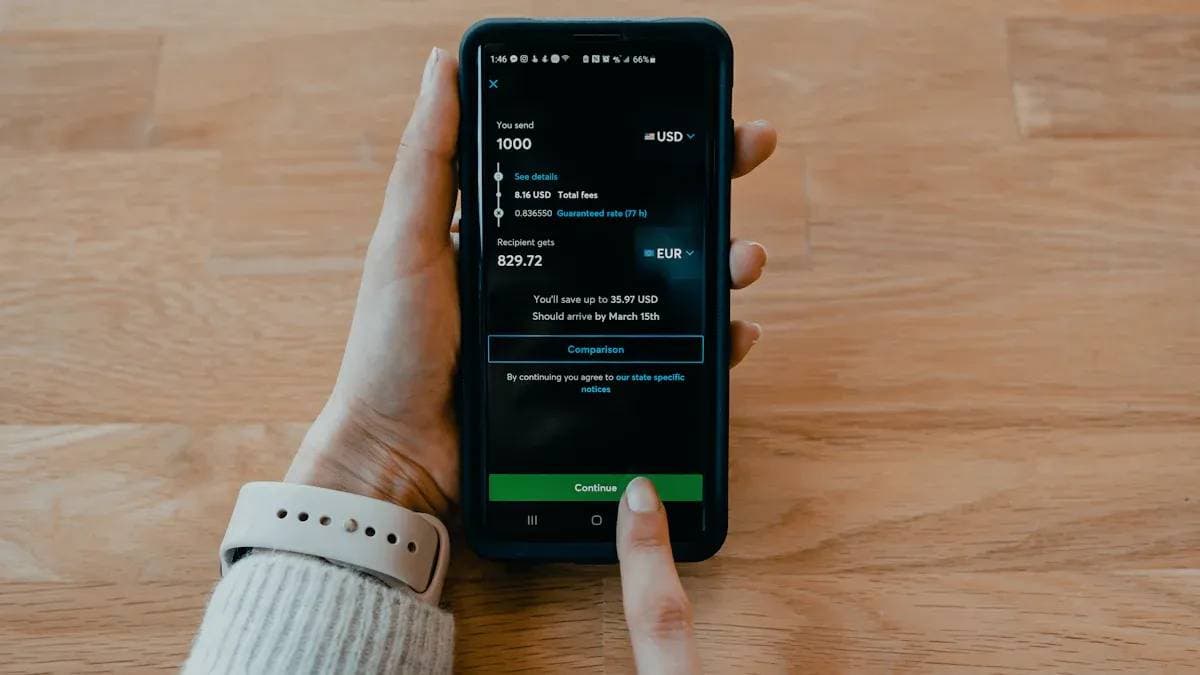
How Chinese Users Can Choose Between Wise and Western Union for International Remittances
How should Chinese users choose between Wise and Western Union? Compare fees, delivery speed, exchange rate transparency, and collection methods to find the best international remittance solution.

Maggie
2025-08-08 11:45:31

Alipay International Remittance vs. WeChat Pay: A Deep Dive into Cross-Border Transfer Efficiency
Comparing Alipay International Remittance with WeChat Pay, analyzing delivery speed, fees, and currency coverage to help you optimize cross-border transfer efficiency and choose the best solution.
Maggie
2025-08-08 10:58:32
International Remittance Fees Explained: Practical Tips for Choosing the Best Platform
International remittance fees include transfer fees, exchange rate spreads, and more, with significant differences between platforms and banks. Compare fees and receipt speeds to learn how to choose the optimal international remittance solution.
Maggie
2025-08-08 10:29:33

How to Effectively Communicate with Your Bank to Resolve International Transfer Failures
International transfer failures often result from incorrect information, compliance reviews, or missing documents. Efficiently communicating with your bank, preparing necessary documents and error messages, can quickly identify and resolve issues.
Maggie
2025-08-08 10:24:01
Common Exchange Rate Traps in International Remittances and Methods to Secure the Best Rates Safely
Be cautious of common exchange rate traps in international remittances, understand hidden fees and rate markups, master legitimate channels and comparison tools, and secure the best exchange rates safely to protect your funds.
Maggie
2025-08-08 10:19:44
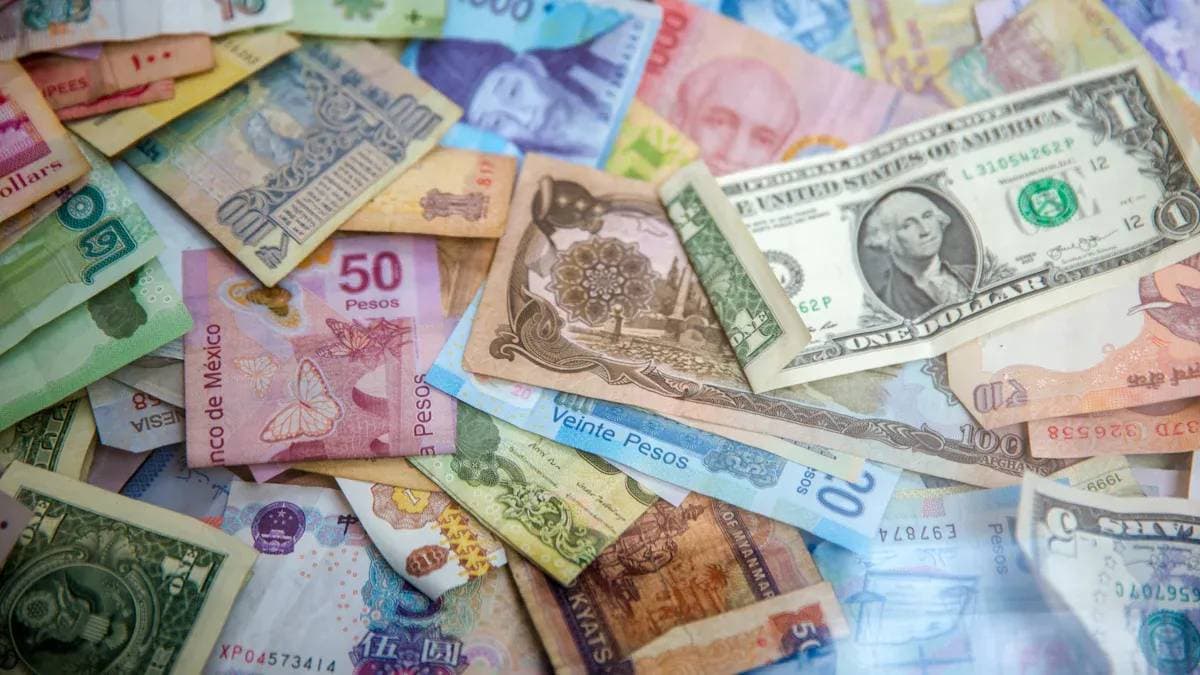
2025 SME International Remittance Cost Trends and Optimization Suggestions
In 2025, SME international remittance costs continue to decline. This article analyzes fee trends, channel selection, and digital optimization suggestions to help businesses efficiently reduce costs and enhance effectiveness.
Maggie
2025-08-08 09:51:30