

Latest Articles

Beginner's Guide to Investing in US Stocks: Everything You Need to Know About 2025 Trading Hours and Rules
Planning to invest in US stocks? This article explains the latest 2025 trading hours and rules. We've compiled daylight saving and standard time US stock market opening hours (including Beijing time conversion), full-year holiday calendar, and T+0 trading rules to help you get started easily.

Planning to Trade? Bookmark This 2025 US Stock Market Holiday Schedule
Planning your 2025 US stock trading? This article provides a complete holiday calendar and schedule, including 10 full closure days such as New Year's Day and Thanksgiving, as well as 3 early closure days like the day before Independence Day. It also includes regular US stock closing times and reminders for daylight saving time changes.

Beginner’s Guide: What to Do When a Stock Hits Limit-Down? Can You Still Trade?
Can you still trade a stock after it hits limit-down? Theoretically yes, but selling is extremely difficult while buying is easy. This article explains A-share limit-down rules, why you can’t sell, and gives hanging-order tips and coping strategies to stay calm during volatility.

China A-Share Crash Turning Point: Will 2026 Deliver a Legendary Bull Market?
After the recent A-share plunge, can a bull market emerge in 2026? This article analyzes that the market may be driven by earnings growth and benefit from the start of the 15th Five-Year Plan, yet real estate debt and external risks pose challenges. The rally is more likely to be a structural slow bull rather than a broad explosive surge.

Like a Snowball: Let Shanghai Stock Market Index Make Your Money Work for You
Investing in Shanghai stock market index for ordinary people is actually very simple. This article teaches you a three-step method: choose core indices like CSI 300, start regular investments through platforms like Alipay, and master low-fee, large-scale fund selection techniques to steadily grow your wealth.

Hong Kong Stock Closing Analysis: Hang Seng Holds Above 26,000—How Will the Market Evolve Next?
Latest Hong Kong stock news analysis: The Hang Seng Index holds steady above 26,000—how will the market evolve going forward? This article provides an in-depth review of market performance, macroeconomic drivers, and potential risks, while revealing investment strategies and opportunities in non-ferrous metals and major consumer sectors.

Futu MooMoo Overseas Account Opening: Do You Really Need 10,000 HKD?
Opening an overseas account with Futu MooMoo does not mandatorily require 10,000 HKD. This amount is typically for obtaining new user account opening rewards or as a verification requirement in the online account opening process. If choosing offline account opening or not interested in rewards, there is no such minimum deposit threshold.

Sending Money from China to the US: The Secret Weapon to Halve Fees
Want to know how to save money when sending remittances from China to the US? Traditional bank wire transfers involve fees and exchange rate losses up to hundreds of dollars. This article reveals how online platforms like Wise bypass intermediary banks and use mid-market exchange rates to legally cut remittance fees in half, ensuring more funds arrive safely.
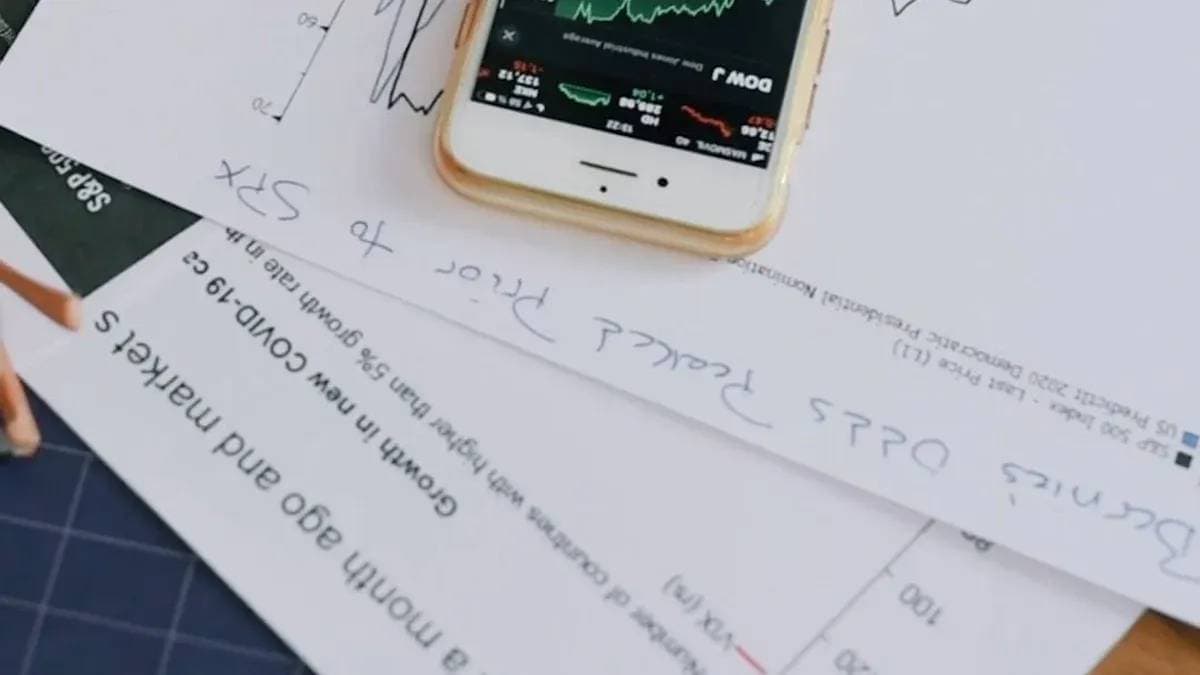
Steady Investment Strategies for the S&P 500 Index Amid High-Level Volatility
Facing the S&P 500 Index's high-level volatility in 2025, this article provides a set of steady investment strategies: using systematic dollar-cost averaging as the core to smooth costs, dynamically adjusting positions based on the VIX fear index, and allocating to gold and non-US assets to diversify risks, helping you navigate fluctuations and share in the long-term growth dividends of the US economy.