Will Memory Shortages Drag Down Qualcomm? China Handset Inventory, Snapdragon, and Earnings Guidance





Memory shortages can drag on Qualcomm, but the impact is more likely to appear first through handset OEM production plans and inventory adjustments, rather than a sudden weakening of Snapdragon competitiveness. Qualcomm has already said fiscal 2026 Q3 guidance includes memory supply constraints and related pricing effects on demand from certain handset OEMs, and it expects QCT handset revenue from China customers to bottom in Q3 before returning to sequential growth the following quarter. The key for investors is whether this is only a short-term inventory cycle or a deeper weakening in Android end demand.
Key Takeaways
- Qualcomm has explicitly said Q3 guidance includes memory supply constraints and related pricing effects.
- Q2 Handsets revenue was $6.024 billion, down 13% year over year.
- China Android QCT shipments are below end demand mainly because OEMs reduced build plans and worked down inventory.
- Management expects China customer QCT handset revenue to bottom in Q3 and return to sequential growth next quarter.
- High-end Snapdragon platforms and AI phones can cushion pressure, but may not fully offset midrange weakness.
- To judge short-term drag versus demand weakness, watch QCT, QTL, inventory, and Q4 guidance together.
Why Do Memory Shortages Affect Qualcomm: Are They Hurting Chip Demand or OEM Build Plans?

Memory shortages affect Qualcomm not because Qualcomm directly sells LPDDR or NAND, but because handset OEMs need to confirm total device BOM, memory supply, storage capacity, pricing, and channel inventory before buying Snapdragon platforms. If LPDDR and NAND prices rise or supply becomes uncertain, OEMs may reduce build plans, cut high-configuration models, and clear channel inventory first. The result is that Qualcomm's QCT handset revenue can temporarily fall below real end-market demand.
In Q2 FY2026 results, Qualcomm already incorporated this issue into guidance. The company said Q3 guidance includes the estimated impact of memory supply constraints and related pricing on demand from certain handset OEMs, and it expects QCT handset revenue from China customers to bottom in Q3 before returning to sequential growth the following quarter. This shows management views memory as a real short-term operating variable, not just external market noise.
TrendForce's Mobile DRAM contract pricing report also explains why smartphone makers have become more cautious. It expected 2Q26 LPDDR4X solution ASP to rise at least 70%-75% quarter over quarter, and LPDDR5X solution ASP to rise 78%-83%. It also noted that several quarters of steep price increases had significantly increased smartphone brand cost pressure and could lead to lower 2026 smartphone production. For Android OEMs, rising memory and storage costs directly squeeze midrange and low-end model margins.
| Transmission Step | Impact on Handset OEMs | Impact on Qualcomm |
|---|---|---|
| LPDDR price increase | High-configuration BOM rises | Snapdragon procurement slows |
| NAND price increase | 512GB/1TB version costs rise | Premium SKU build becomes more cautious |
| Memory supply uncertainty | OEMs avoid aggressive builds | QCT handset revenue pressured |
| Channel inventory digestion | Existing devices sell first | Chip shipments lag end demand |
| QTL sell-through | Observes device sales and licensing revenue | Helps judge whether this is only inventory cycle |
So memory shortages drag Qualcomm more like a production-plan brake than a product-competitiveness problem. If consumers are still buying phones, but OEMs temporarily build fewer devices and buy fewer chips, QCT handset revenue can be pressured in the short term but may have restocking upside in Q4 or later quarters. If consumer demand also weakens at the same time, QTL, sell-through, premium tier demand, and management tone would all deteriorate, making the risk deeper.
Summary: Memory shortages mainly drag Qualcomm through handset OEM production plans and inventory. To judge whether this is a short-term issue or a demand problem, investors should not only watch QCT handset revenue decline, but also QTL, end-market sell-through, China Android inventory, and whether Q4 guidance worsens at the same time.
China Handset Inventory: Why Are QCT Android Shipments Below End Demand?
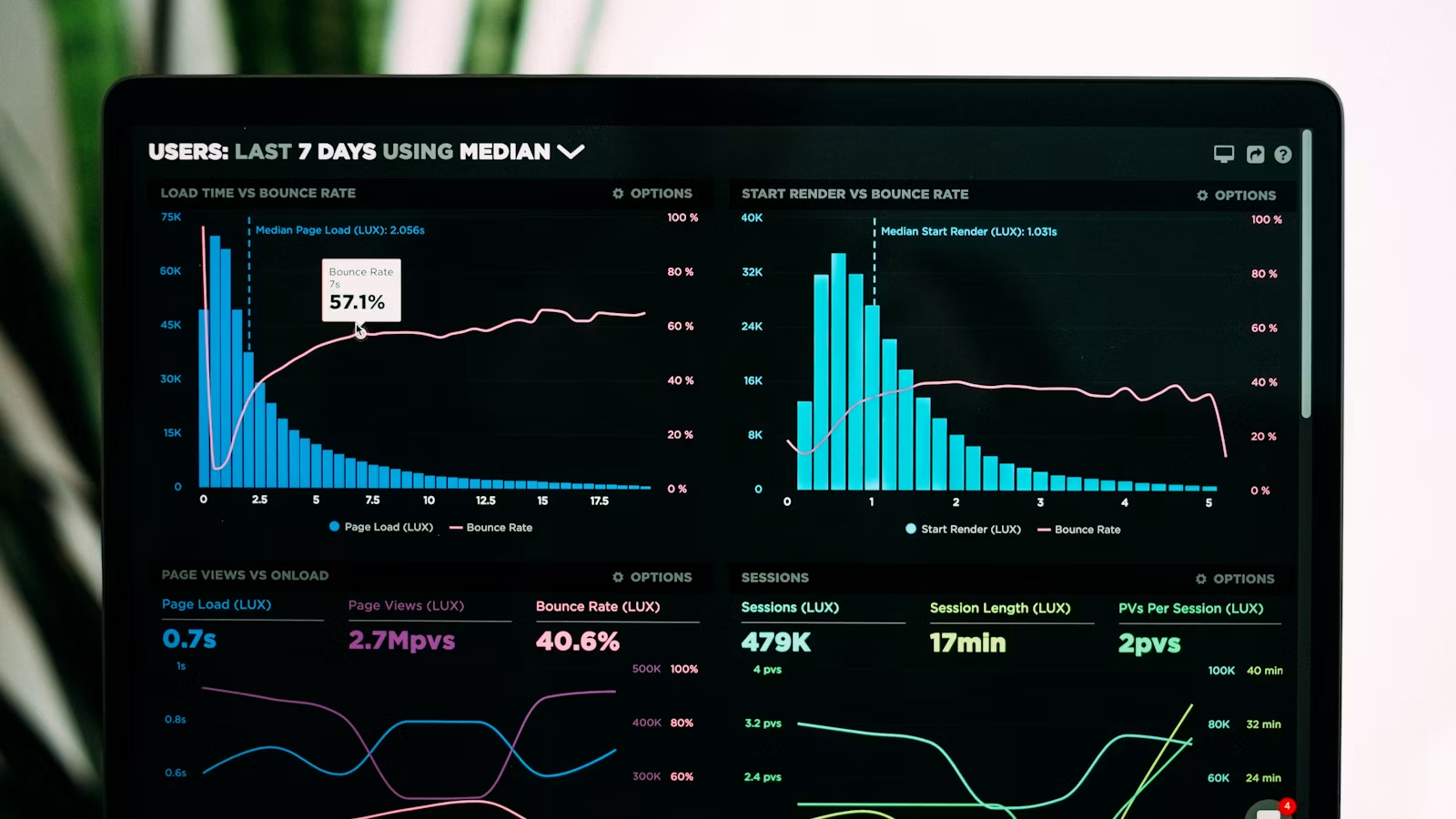
China handset inventory is the most important clue ahead of Qualcomm's earnings. On the Q2 call, management said China QCT Android shipments in Q2 and Q3 were meaningfully below end-consumer handset demand because OEMs reduced build plans due to memory industry dynamics and worked down channel inventory. In other words, consumer demand may not have fallen by the same amount, but Qualcomm chip shipments to OEMs have been depressed by production plans and inventory cycles.
This language comes from the Qualcomm Q2 FY2026 earnings call transcript. Management noted that increased AI data center demand for memory created uncertainty around memory supply and pricing, leading handset OEMs, especially China OEMs, to reduce build plans and work down channel inventory more cautiously. The call also gave an expectation for Q3 QCT handset revenue of about $4.9 billion and said China customers should bottom in Q3 before returning to sequential growth next quarter.
| China Handset Inventory Signal | Short-Term Inventory Adjustment | Real Demand Weakness |
|---|---|---|
| QCT Android shipments | Below end demand | Weakens alongside end demand |
| Channel inventory | OEMs actively work down inventory | Inventory remains high and sell-through slow |
| QTL / activations | Licensing revenue stable | Licensing revenue and ASP weaken |
| Q4 guidance | China customers recover sequentially | Recovery timeline delayed |
| Premium phones | High-end Snapdragon demand stable | Premium Android also weakens |
The easily confused distinction is shipment versus sell-through. QCT handset revenue is closer to Qualcomm chip shipments to OEMs and customer build schedules. QTL licensing revenue is closer to end-device sales, licensing, and activation signals. If QCT shipments are weak but QTL is stable, consumers may not be deteriorating by the same amount, and the issue may be more about OEM inventory and production planning. If QCT and QTL both weaken significantly, the problem looks more like end demand itself.
China customers are particularly sensitive because price bands are dense. Premium Android models can absorb some memory inflation through brand and configuration premiums, but midrange and entry models are more sensitive to LPDDR, NAND, display, battery, and other costs. When memory price increases squeeze margins for mid-to-low-end models, OEMs may reduce builds, delay launches, or adjust configurations, directly affecting Qualcomm shipments to China Android customers.
Summary: QCT Android shipments below end demand suggest Qualcomm's current pressure is more likely an OEM inventory and production-plan adjustment. The real warning sign would be QTL, activations, premium Android, and Q4 guidance weakening at the same time. If those stay stable, the Q3 low point is more likely a short-term inventory cycle.
Can High-End Snapdragon Cushion Memory Pressure?

High-end Snapdragon platforms can cushion memory pressure, but they are unlikely to fully offset cost pressure in midrange and low-end models. Flagship Android phones usually have higher ASPs, more AI features, stronger imaging and gaming demand, and a greater willingness to use high-end Snapdragon platforms. But midrange and low-end phones are more sensitive to BOM costs. When LPDDR and NAND prices rise, OEMs are more likely to adjust configurations and production plans. High-end strength can dampen the impact, but may not immediately restore total QCT handset volume.
Qualcomm's Snapdragon 8 Elite Gen 5 product page emphasizes on-device agentic AI, Oryon CPU, Hexagon NPU, Adreno GPU, and X85 5G Modem-RF capabilities. For premium Android, these features help preserve flagship differentiation and give smartphone brands more room to justify high-configuration pricing through AI, imaging, gaming, and connectivity experience.
| Snapdragon Signal | Why It Cushions Pressure | Risk to Watch |
|---|---|---|
| High-end Snapdragon 8 | Stronger flagship ASP and brand premium | Larger impact if premium demand weakens |
| Agentic AI phones | On-device AI adds replacement reasons | Features may not immediately drive upgrades |
| NPU / CPU / GPU | Improves imaging, gaming, multitasking | Still needs higher memory configurations |
| Premium tier | Better margin room than midrange | High prices may limit consumer acceptance |
| China premium Android | Can support Q4 recovery | Midrange inventory may still drag volume |
AI phones are Qualcomm's long-term opportunity, but in the short term they need real product-cycle validation. On-device AI raises requirements for CPU, NPU, GPU, memory, storage, and connectivity, which is positive for Snapdragon platforms. But whether consumers upgrade earlier depends on whether features are truly useful, pricing is reasonable, and OEMs are still willing to offer high memory configurations while memory prices rise. If memory becomes too expensive, AI phones can face a constraint where the chip is powerful, but RAM and storage configurations are not upgraded aggressively.
Therefore, earnings commentary should go beyond "Snapdragon demand is strong." More useful signals include premium tier shipments, Snapdragon 8 series adoption, China premium Android performance, AI phone attach rates, OEM inventory, and Q4 build plans. If management confirms both premium stability and China customer sequential recovery, the argument that high-end Snapdragon cushions memory pressure becomes much stronger.
Summary: High-end Snapdragon can help Qualcomm withstand memory shortage pressure because flagship and premium Android models have higher ASPs, brand premiums, and AI feature demand. But midrange Android is more sensitive to LPDDR and NAND price increases, so premium strength may not fully offset total QCT handset pressure.
How Should Investors Read Q3 Guidance: Is Memory Pressure Already Reflected or Could It Be Revised Lower?
Q3 guidance is the core test of whether memory pressure has already been reflected. Qualcomm guided fiscal 2026 Q3 revenue to $9.2 billion to $10.0 billion, QCT revenue to $7.9 billion to $8.5 billion, QTL revenue to $1.15 billion to $1.35 billion, and non-GAAP EPS to $2.10 to $2.30. The earnings call further noted QCT handset revenue is expected to be around $4.9 billion, mainly reflecting the impact of memory industry dynamics on OEM build plans.
If Q3 revenue approaches the $10.0 billion high end, memory drag may be manageable and automotive, IoT, or licensing may provide a cushion. If QCT handset revenue is above the roughly $4.9 billion expectation, OEM build plans are better than management assumed at the time. If QTL is stable near the high end of the range, end-market sell-through may not have stalled materially. Conversely, if QCT and QTL are both weak and Q4 recovery is delayed, the market will interpret memory as a deeper demand risk.
| Q3 Metric | Positive Signal | Pressure Signal |
|---|---|---|
| Total revenue | Near or above $10.0B | Only mid-to-low range |
| QCT revenue | Near or above $8.5B | Chip business remains weak |
| QCT handset | Above about $4.9B | Below expectation with unclear Q4 |
| QTL revenue | Near $1.35B | Licensing revenue and ASP pressure |
| Non-GAAP EPS | Above $2.30 | Weak operating leverage |
| Q4 tone | China customers recover sequentially | Recovery delayed or guide lowered |
The Qualcomm Q3 earnings date also matters because the call Q&A is likely to focus on three questions: whether memory supply is improving, whether Android OEMs are restoring build plans, and whether China customers are restocking. If the answers lean toward "Q3 low point, Q4 recovery," the market is more likely to treat the pressure as temporary. If the answer becomes "visibility remains low," QCOM valuation could come under renewed pressure.
The 10-Q risk disclosures should also be read alongside guidance. Qualcomm's FY2026 Q2 Form 10-Q reminds investors that the business is affected by customer concentration, China exposure, supply chains, handset demand, customer vertical integration, and licensing agreements. These are not new risks, but when memory shortages make OEMs more cautious, they amplify market concerns about handset revenue visibility.
Summary: Whether Q3 guidance already reflects memory pressure depends on whether QCT handset revenue exceeds the roughly $4.9 billion expectation, QTL remains stable, and management confirms sequential recovery from China customers in Q4. If Q3 is weak but Q4 recovery is clear, the drag looks more short-term. If Q4 remains unclear, the risk is deeper.
Will Memory Shortages Affect Qualcomm's Automotive, IoT/PC, and Data Center Narratives?
Memory shortages mainly drag handset OEM procurement timing, but they can also affect IoT/PC, especially AI PCs and high-configuration edge devices. Automotive is more indirectly affected and depends more on vehicle production, automaker projects, and backlog. Data center is a longer-term variable and does not depend on an immediate Q3 handset recovery to prove its value. For Qualcomm, the stronger non-handset businesses are, the easier it is to cushion handset memory pressure.
In Q2, Automotive revenue was $1.326 billion, up 38% year over year, and IoT revenue was $1.726 billion, up 9% year over year. These two lines show Qualcomm is still pushing diversification and not relying only on a handset recovery. Automotive benefits from Snapdragon Digital Chassis, digital cockpit, ADAS, and connectivity platforms. IoT/PC is influenced by industrial devices, edge AI, AI PCs, and XR demand.
| Business Line | Impact from Memory Shortage | Q3 Earnings Checkpoint |
|---|---|---|
| Automotive | Relatively indirect | Whether growth remains high and vehicle programs stay on track |
| IoT / PC | Moderate, AI PCs affected by DRAM/SSD costs | Whether high-single-digit growth is achieved |
| Data Center | Low in the short term | Custom silicon and Dragonfly progress |
| QTL | Depends on end-device sell-through | Licensing revenue and EBT margin |
| Handsets | Most directly affected | Whether China customers bottom in Q3 |
Data center is a long-term valuation line. In June, Qualcomm released the Dragonfly data center roadmap, including Dragonfly C1000 CPU, AI200/AI250/AI300, HBC, connectivity, and custom silicon. Even if handsets are temporarily affected by memory shortages, if management continues confirming hyperscaler custom silicon initial shipments and customer progress, QCOM's long-term narrative still has support.
But non-handset businesses cannot fully replace handset scale in the short term. Handsets generated $6.024 billion in Q2 revenue, still far larger than Automotive or IoT individually. Automotive and data center can improve the valuation structure, but they are unlikely to fully offset handset chip revenue weakness in a single quarter. Therefore, the core of Q3 earnings remains whether handsets bottom, while non-handset businesses determine whether the market gives QCOM more time.
Summary: The direct impact of memory shortages on Qualcomm is concentrated in handsets, though IoT/PC can also be affected by cost pressure. Automotive and data center improve the diversification narrative, but cannot fully replace handset revenue scale in the short term. Q3 should still prioritize whether China handset customers have bottomed.
How Can Investors Tell Short-Term Drag from Demand Weakness: Earnings Signals and Trading Costs
To judge whether memory shortages are a short-term drag or a real demand weakening for Qualcomm, investors should split earnings signals into three groups: inventory cycle, real demand, and trade execution. The inventory cycle includes QCT handset revenue, OEM build plans, channel inventory, and Q4 guidance. Real demand includes QTL, sell-through, premium tier, high-end Snapdragon, and China Android end sales. Trade execution includes after-hours liquidity, bid-ask spreads, order types, and fees.
A practical framework is this: if QCT handset revenue is low in Q3, but QTL is stable, premium tier demand is stable, and management confirms Q4 sequential recovery, the memory drag looks more like a short-term inventory problem. If QCT, QTL, premium tier, and Q4 guidance all weaken at the same time, the problem may have shifted from production planning to demand itself. That distinction determines whether QCOM becomes a low-point recovery trade or a handset-cycle downgrade trade after earnings.
| Question | Short-Term Inventory Drag Signal | Real Demand Weakness Signal |
|---|---|---|
| QCT handset | Q3 low point, Q4 sequential recovery | Q4 remains weak |
| QTL / sell-through | Licensing revenue stable | QTL declines or ASP weakens |
| OEM inventory | Restocking after channel inventory falls | Inventory remains high and shipments weak |
| Premium tier | High-end Snapdragon stable | Premium Android also weakens |
| Guidance tone | Management confirms recovery | Recovery delayed or guide lowered |
If you need to track Qualcomm, Apple, ARM, Micron, SK hynix, the Android handset chain, or memory-related names, Biya U.S. stock quotes can help you build a watchlist and compare handset chips, memory, AI PCs, and consumer electronics companies in one place. During earnings season, do not only watch QCOM's one-day move; also check whether related supply-chain names confirm memory pressure and restocking timing.
Trading costs should also be checked in advance. Biya is a global multi-asset trading wallet that supports U.S. stocks, Hong Kong stocks, cryptocurrencies, and other assets. In U.S. stock trading scenarios, Biya charges $0 commission for U.S. stock trades, while platform fees, external institutional fees, and other costs are subject to Biya U.S. stock trading fees and order display. If you later need to manage watched assets, complete account information, or prepare for trading, you can enter the personal account system through Biya registration, and you can also use the Biya App to track post-earnings market moves. Availability of related services depends on the user's location, identity verification results, platform rules, and applicable laws and regulations.
Summary: To judge whether memory shortages are dragging Qualcomm, do not only look at Q3 handset revenue declining. If QTL is stable, end demand is not weak, OEM inventory falls, and Q4 guidance recovers, the drag is more short-term. If these signals weaken together, investors should watch for a deeper Android demand downgrade.
FAQ
Why Do Memory Shortages Drag Down Qualcomm Handset Chip Revenue?
Memory shortages can drag Qualcomm through handset OEM production plans. If OEMs face uncertain LPDDR and NAND supply or rising prices, they may reduce build plans and work down inventory first, lowering Snapdragon purchases. Qualcomm does not sell memory, but handset chip shipments are affected by device BOM and production timing.
What Does It Mean That Qualcomm China Handset Customers May Bottom in Q3?
Bottoming in Q3 means management expects QCT handset revenue from China customers to reach a low point in fiscal 2026 Q3 and return to sequential growth the following quarter. It does not mean end demand is already strong; rather, it suggests inventory digestion and conservative OEM production plans may be nearing their end.
Why Can QTL Licensing Help Judge Real Handset Demand?
QTL licensing is connected to end-device sales and licensing revenue, so it lets Qualcomm observe real market demand through sell-through and activations. If QCT shipments are weak but QTL remains stable, the issue may be more about OEM inventory adjustment than a collapse in consumer demand.
Can High-End Snapdragon Chips Offset Memory Shortage Impact?
High-end Snapdragon chips can partially cushion the impact because flagship and premium Android models have higher ASPs, brand premiums, and AI feature demand. But midrange and low-end models are more sensitive to memory and storage price increases, so high-end strength may not fully offset total volume pressure.
Which Memory-Related Signals Matter Most in Qualcomm Q3 Earnings?
The most important signals are whether QCT handset revenue is above the roughly $4.9 billion expectation, whether China customers are confirmed to have bottomed in Q3, whether Q4 returns to sequential growth, whether QTL remains stable, and whether management still cites memory supply constraints affecting OEM demand.
Are Memory Shortages a Short-Term Issue or a Long-Term Risk for Qualcomm?
They are more likely to appear first as a short-term inventory and production-plan issue. But if memory prices stay high for a long time, Android OEM shipments keep being revised down, or consumer replacement demand slows, it could become a deeper demand risk. The key is Q4 guidance, QTL stability, and China Android customer restocking timing.
*本文仅供参考,不构成 BiyaPay 或其子公司及其关联公司的法律,税务或其他专业建议,也不能替代财务顾问或任何其他专业人士的建议。
我们不以任何明示或暗示的形式陈述,保证或担保该出版物中内容的准确性,完整性或时效性。
其他BiyaPay博客内容

Can Microsoft Earnings Prove AI Investment Returns? Three Key Focus Areas: Azure Demand, CapEx, and Free Cash Flow


vertiv Q2 Earnings Preview: Can AI Data Center Power, Liquid Cooling Orders, and Capacity Keep Up with Demand?


Silicon Motion Q2 Earnings Preview: SSD Controllers, AI DPU Orders, and Revenue-Doubling Expectations

Microsoft Fiscal 2026 Q4 Earnings Preview: What to Watch in Revenue, EPS, Azure Growth, and Guidance
选择国家或地区,阅读当地博客
 澳大利亚
澳大利亚 奥地利
奥地利 比利时
比利时 加拿大
加拿大 塞浦路斯
塞浦路斯 捷克
捷克 丹麦
丹麦 爱沙尼亚
爱沙尼亚 芬兰
芬兰 法国
法国 德国
德国 希腊
希腊 香港
香港 印度
印度 印度尼西亚
印度尼西亚 爱尔兰
爱尔兰 意大利
意大利 日本
日本 拉脱维亚
拉脱维亚 立陶宛
立陶宛 卢森堡
卢森堡 马来西亚
马来西亚 马耳他
马耳他 摩洛哥
摩洛哥 尼泊尔
尼泊尔 荷兰
荷兰 新西兰
新西兰 挪威
挪威 巴基斯坦
巴基斯坦 菲律宾
菲律宾 波兰
波兰 葡萄牙
葡萄牙 罗马尼亚
罗马尼亚 新加坡
新加坡 斯洛伐克
斯洛伐克 斯洛文尼亚
斯洛文尼亚 南非
南非 韩国
韩国 西班牙
西班牙 瑞典
瑞典 泰国
泰国 美国
美国 土耳其
土耳其 阿联酋
阿联酋 英国
英国 越南
越南
联系我们



