
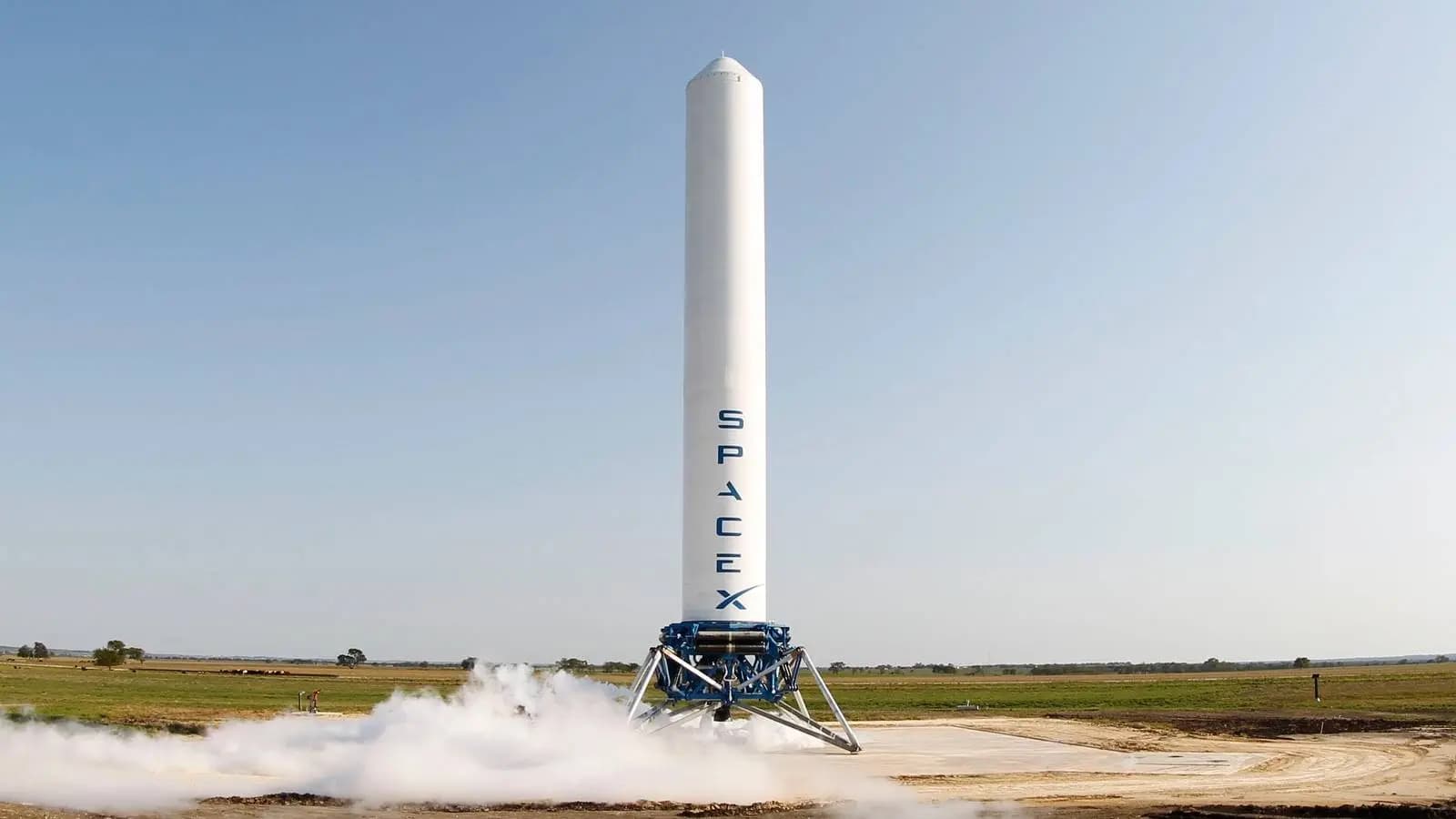
การบินอวกาศ SpaceX
หัวข้อ SpaceX รวบรวมและติดตามความเคลื่อนไหวด้านการปล่อยจรวดของบริษัท การทดสอบยาน Starship ธุรกิจ Starlink การบินอวกาศแบบมีมนุษย์โดยสาร และพัฒนาการของธุรกิจอวกาศเชิงพาณิชย์อย่างต่อเนื่อง ครอบคลุมประเด็นที่ตลาดให้ความสนใจ เช่น Falcon 9, Starship, Starlink ความร่วมมือกับ NASA มูลค่าบริษัท การระดมทุน และแผนการเข้าจดทะเบียนในตลาดหลักทรัพย์ที่อาจเกิดขึ้น ผ่านการวิเคราะห์ข่าว ข้อมูลเบื้องหลัง และการติดตามเหตุการณ์สำคัญ เพื่อช่วยให้ผู้อ่านเข้าใจความก้าวหน้าทางเทคโนโลยี รูปแบบธุรกิจ และอิทธิพลต่ออุตสาหกรรมของ SpaceX รวมถึงช่องทางหลักและความเสี่ยงที่นักลงทุนทั่วไปให้ความสนใจเกี่ยวกับ SpaceX และอุตสาหกรรมอวกาศเชิงพาณิชย์
บล็อกที่เกี่ยวข้อง

What Is the Relationship Between SpaceX, Starlink, and Tesla? Elon Musk’s Corporate Map and Market Linkages
SpaceX, Starlink, and Tesla are not the same company. This guide explains their ownership relationship, business links, market impact, and investment risks.

Reggie
2026-06-23 18:13:25

What Are the Risks of Trading SpaceX IPO on Day One? Opening Price, Liquidity, and Chasing Risk Explained
SpaceX IPO day-one trading risks go beyond stock price volatility. Key risks include the gap between IPO price and opening price, changing liquidity, market order slippage, unfilled limit orders, and chasing high prices. Learn how SPCX day-one trading works, how order types affect execution, and what costs and risk controls new investors should consider.

Matt
2026-06-23 18:06:54

When Did SpaceX Go Public? How to Read the IPO Process, Prospectus, and Trading Time
SpaceX has listed on Nasdaq under the ticker SPCX. This guide explains the SpaceX IPO timeline, S-1 prospectus, pricing vs. first trading day, pre-market and after-hours trading rules, lock-up periods, share unlocks, and follow-on financing risks.
Matt
2026-06-23 17:55:33

How to Buy SpaceX After It Goes Public: U.S. Stock Accounts, Order Timing, Limit Orders, and Risk Notes
How can you buy SpaceX after its IPO? Learn how U.S. stock accounts, the SPCX ticker, trading hours, limit orders, market orders, fees, and IPO risks work for new investors.

Neve
2026-06-23 17:52:43

How Can Ordinary Investors Buy SpaceX After Its Listing? U.S. Brokerage Accounts, Order Timing, and Risk Notes
After SpaceX goes public, ordinary investors can search for SPCX through a brokerage account that supports U.S. stock trading, but whether they can buy depends on brokerage permissions, trading hours, and order types. Before placing an order, investors should check W-8BEN requirements, USD funding, commissions and platform fees, pre-market and after-hours risks, valuation volatility, lock-up periods, and earnings execution, instead of treating a popular IPO as a low-risk opportunity.

Maggie
2026-06-23 17:47:33

Which ETFs Could Buy SpaceX After Its IPO? QQQ, SPY, VOO, and Index Fund Exposure Explained
Whether SpaceX enters the Nasdaq-100 or S&P 500 after listing depends on exchange listing, liquidity, market capitalization, free float, profitability, and trading history. The Nasdaq-100 Fast Entry mechanism may allow large IPOs to be reviewed sooner, while S&P 500 inclusion is still affected by the 12-month trading-history requirement, GAAP profitability, and index committee judgment.

Tomas
2026-06-23 17:40:02

Will SpaceX Join the Nasdaq-100 or S&P 500? Index Inclusion Rules and ETF Flow Impact
Will SpaceX join the Nasdaq-100 or S&P 500? This article explains Nasdaq-100 Fast Entry, free float, S&P 500 profitability and trading-history requirements, and how passive ETF rebalancing in QQQ, SPY, VOO, and IVV may affect investors.

William
2026-06-23 17:30:01

What Is the SpaceX Stock Ticker? Can You Trade It Now?
The SpaceX stock ticker is SPCX, traded on Nasdaq as Space Exploration Technologies Corp. Class A common stock. This guide explains whether SPCX can be bought, how to confirm the correct stock, how investment access changed after the IPO, trading costs, valuation volatility, and common mistakes.
Reggie
2026-06-23 17:24:33

Why Is SpaceX Valued So Highly? A Breakdown of Starlink, Launch Services, NASA Contracts, and Risks
SpaceX’s high valuation comes from Starlink revenue, reusable Falcon 9 launches, NASA contracts, and Starship’s long-term potential. Learn the key drivers, risks, costs, and investor considerations behind SPCX.
Matt
2026-06-23 17:18:50