
When Did SpaceX Go Public? How to Read the IPO Process, Prospectus, and Trading Time





SpaceX has completed its IPO and now trades on Nasdaq under the ticker SPCX. To understand “when SpaceX went public,” you should not look at just one date. You need to distinguish between the S-1 prospectus filing date, the IPO pricing date, and the first public trading day. Whether ordinary investors can actually trade also depends on whether their broker supports Nasdaq-listed U.S. stocks, whether the account has the required permissions, the trading session, and applicable local rules. Understanding these milestones helps you avoid confusing the prospectus date, offering price, and actual execution price.
Key Takeaways
- SpaceX trades on Nasdaq under the ticker SPCX.
- The IPO timeline should be read through S-1 filing, pricing, and first trading day.
- The prospectus should be reviewed for business, financials, risks, and share structure.
- Seeing quotes does not mean your account can place orders.
- Pre-IPO private shares are different from post-listing common stock.
- Early trading requires attention to volatility, lock-ups, and trading costs.
When did SpaceX go public? How to read the key timeline
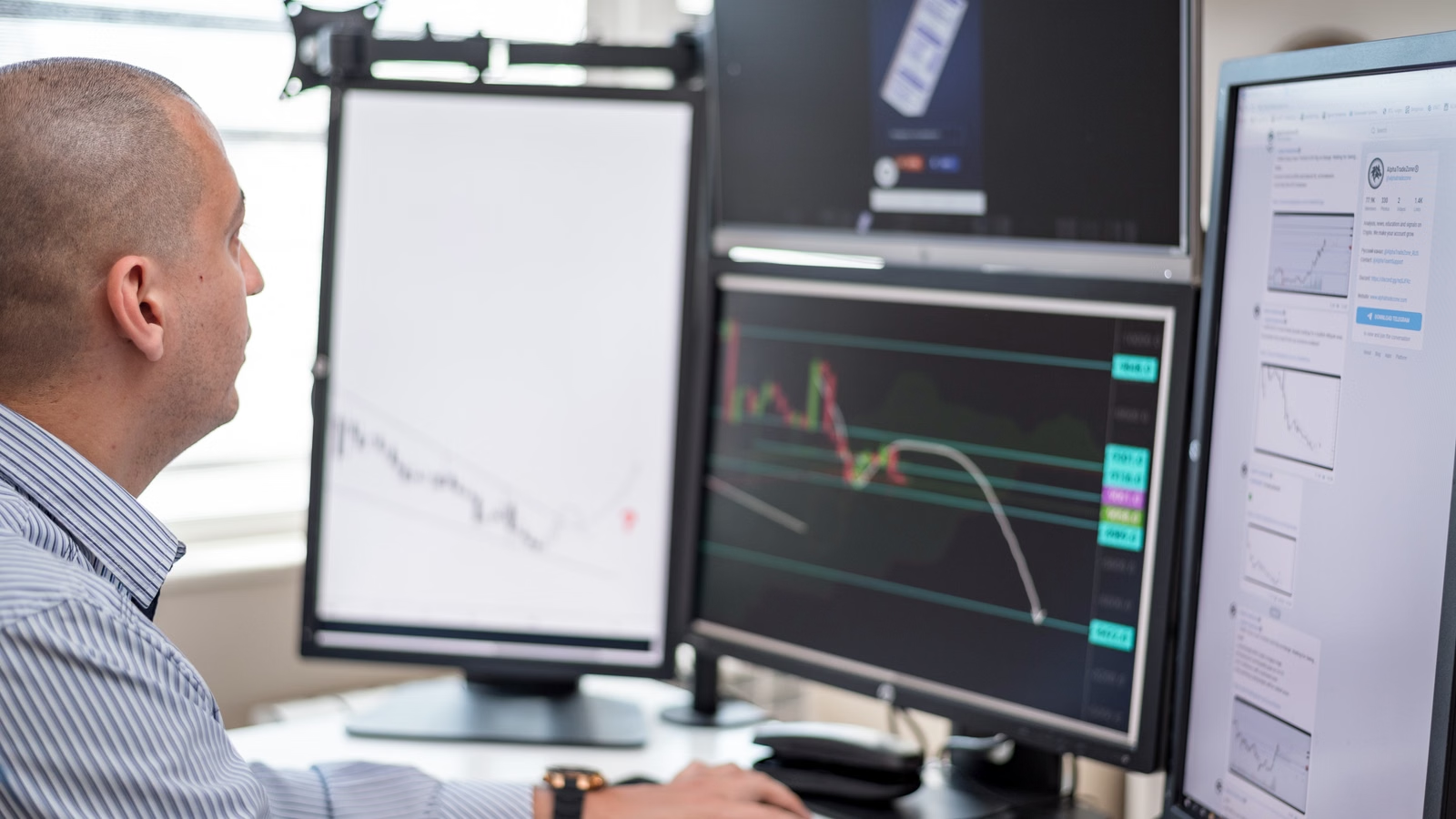
SpaceX is listed on Nasdaq and trades under the ticker SPCX. When judging the listing timeline, you should look at three types of dates: the SEC S-1 prospectus filing date, the IPO pricing date, and the first public trading day. For ordinary investors, the first trading day matters most because it determines whether you may be able to search for SPCX through a broker and submit an order in the public market. The S-1 filing only marks the start of public disclosure; it does not mean the stock can be bought and sold on that day.
SpaceX’s IPO public filings can be found through SEC EDGAR. The relevant S-1 filing shows a filing date of May 20, 2026, with Space Exploration Technologies Corp. as the issuer. After that, the company goes through prospectus amendments, bookbuilding, pricing, and public trading. CNA reported that SpaceX priced its IPO at $135 per share and planned to trade on June 12, 2026; the Nasdaq SPCX page can be used to verify the post-listing ticker, company name, and trading status.
| Timeline Milestone | What It Means | What Investors Can Do | What to Watch |
|---|---|---|---|
| S-1 filing | Prospectus enters public disclosure | Study business, financials, and risk factors | Not the official trading day |
| S-1/A amendment | Additional offering information is disclosed | Watch share count, price range, underwriters | Versions may be updated |
| Roadshow / bookbuilding | Company and underwriters gauge institutional demand | Ordinary investors mostly observe | Does not mean you can buy at the offering price |
| IPO pricing | Offering price and size are finalized | Assess offering valuation | Not the same as secondary-market execution price |
| First trading day | Stock begins trading on the exchange | Try to place orders through a broker | Volatility and spreads may be high |
| Post-IPO events | Greenshoe, lock-up, financing, and disclosures | Track supply-demand changes | Do not focus only on first-day performance |
The S-1 filing date is not the official trading date
The S-1 is a registration statement and prospectus document. Its role is to disclose the company’s business, financials, risks, use of proceeds, share structure, and management information. SpaceX’s Form S-1 discloses the offering of Class A common stock, but the publication of the S-1 does not mean the stock is already tradable. Only after pricing is completed and trading begins on the exchange may ordinary investors be able to participate through the secondary market.
You can understand the IPO timeline this way:
- S-1: Disclosure materials appear, and investors can begin research.
- Roadshow: The company and underwriters communicate with institutional investors.
- Pricing: The offering price and offering size are finalized.
- Trading day: The stock begins trading on Nasdaq or another exchange.
- Post-IPO: The market starts watching lock-ups, earnings, index eligibility, and follow-on financing.
The first trading day is the date ordinary investors care about most
Ordinary investors typically cannot directly participate in the institutional allocation of a major IPO. A more realistic trading window is the first public trading day. The SPCX quote can help you view post-listing price, volume, and news, but seeing quotes does not mean your brokerage account can definitely buy the stock. A broker may show market data while trading is still unavailable because of security synchronization, account permissions, regional rules, trading session limitations, or risk controls.
| What You See | What It Means | Can You Buy? | Next Step |
|---|---|---|---|
| S-1 filed | Company has disclosed IPO materials | No direct buying | Study the prospectus |
| IPO priced | Offering price finalized | Not necessarily | Wait for first trading day |
| Nasdaq shows SPCX | Exchange has the ticker | Depends on broker | Check your order page |
| Broker shows quote only | Ticker synced but trading not open | Usually no | Wait or contact the platform |
| Broker opens buy/sell | Order page accepts orders | You can try to trade | Check costs and risk |
Summary: The answer to “when did SpaceX go public?” cannot be reduced to one date. The S-1 filing means the IPO entered public disclosure, IPO pricing means the offering price was finalized, and the first trading day means ordinary investors may be able to trade SPCX in the public market. The practical way to judge the timeline is to cross-check SEC filings, exchange status, quote data, and your broker’s order page. Do not treat the S-1 date as the listing date, and do not assume the offering price is the price at which you can trade.
How does the SpaceX IPO process work? From prospectus to Nasdaq trading
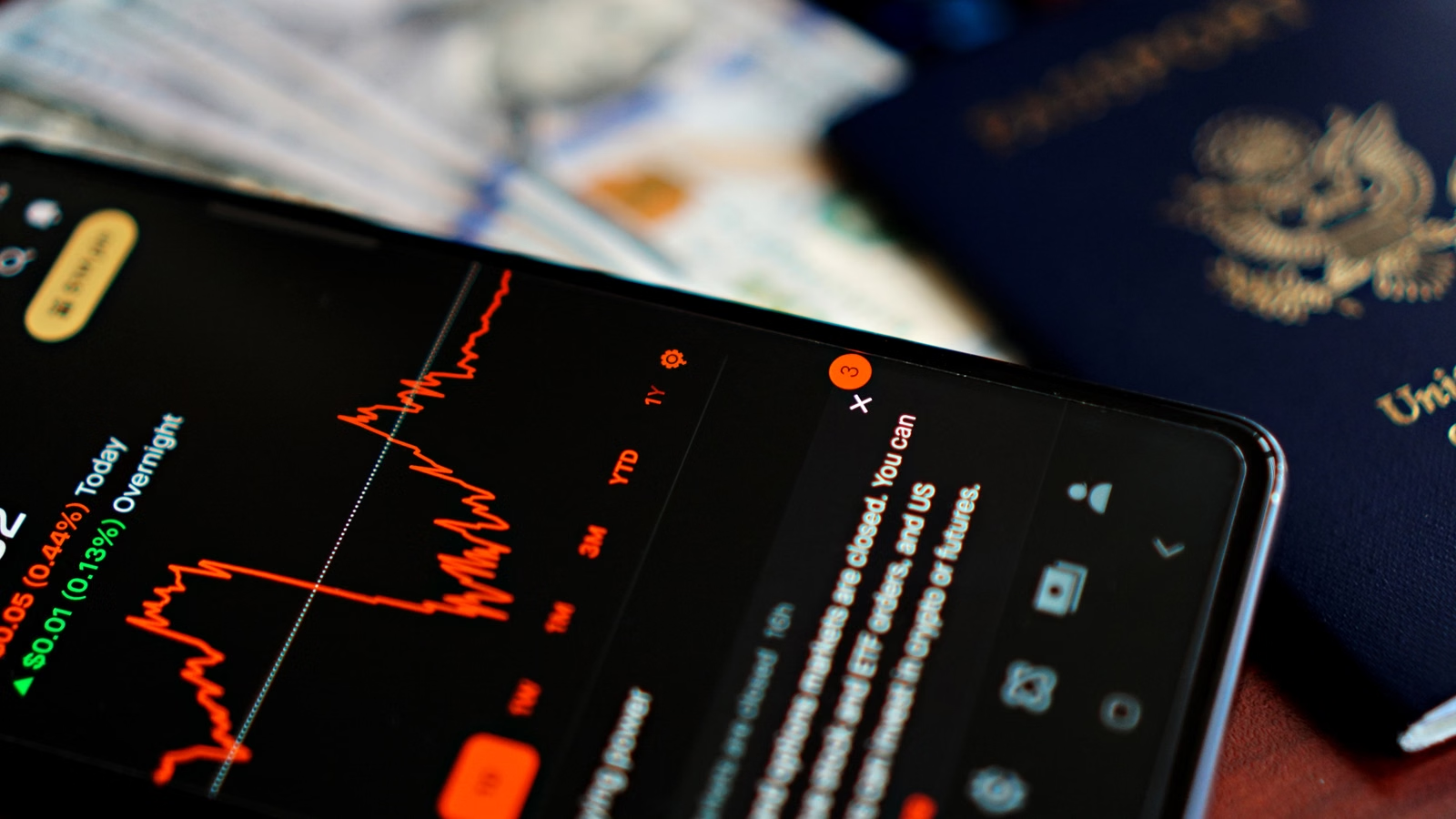
The SpaceX IPO process can be understood in six steps: filing the S-1 prospectus, going through SEC review and supplemental disclosure, conducting institutional roadshow and bookbuilding, setting the offering price and offering size, allocating shares and completing settlement, and starting trading on Nasdaq. Ordinary investors do not need to participate in every step, but they do need to understand what each milestone means. Otherwise, it is easy to mix up the primary offering, IPO allocation, and secondary-market trading.
The S-1 and prospectus are the starting point for IPO analysis
The S-1 prospectus is the core document for understanding the SpaceX IPO. You should not only look at news headlines about “fundraising size,” “valuation,” or “first-day performance.” You should go back to the prospectus to review the company’s business, financials, and risk factors. SpaceX’s S-1/A amendment provides additional information on the offering, financing, risks, and business. Amended filings are often closer to the final offering structure than the first version.
Key sections worth reading include:
- Prospectus summary: Business overview, offering summary, and key definitions.
- Risk factors: Technology, regulation, financing, competition, and governance risks.
- Use of proceeds: How IPO proceeds may be used.
- Capitalization: Capital structure before and after the offering.
- Dilution: How new issuance affects existing and new investors.
- Management discussion: Management’s explanation of operations and financial results.
- Principal stockholders: Major shareholders and voting-power arrangements.
- Description of capital stock: Share classes, voting rights, and shareholder rights.
What is the difference between the pricing date and the first trading day?
The IPO pricing date is the key moment in the primary market. It determines the price at which the company sells shares to allocated investors. The first trading day is when secondary-market trading begins and ordinary investors see public-market price movement. Investing.com’s report on SpaceX IPO pricing mentioned the $135-per-share pricing, but the price ordinary investors actually pay through a broker may be the opening price, intraday price, or the price filled by a limit order.
| Price Type | Who Determines It | Who Can Participate | Common Misunderstanding |
|---|---|---|---|
| Offering price | Company and underwriters, based on demand | Mainly allocated investors | Assuming ordinary investors can definitely buy at this price |
| Opening reference price | Exchange price-discovery process | All market participants can reference it | Mistaking it for the final execution price |
| First trade price | Formed by public-market matching | Secondary-market investors | It may be far above or below the offering price |
| Intraday price | Continuous buy and sell orders | All tradable accounts | Volatility can be very high |
| Closing price | End-of-day trading result | Secondary-market investors | It does not confirm a future trend |
Stabilization, greenshoe, and follow-on financing may still occur after the IPO
The IPO is not the end of the process. SpaceX’s free writing prospectus states that Class A common stock will trade on Nasdaq under SPCX. After listing, underwriters may exercise an over-allotment option, commonly known as the greenshoe option. Reuters’ report on the SpaceX IPO greenshoe reported that underwriters exercised the over-allotment option, raising the total IPO proceeds further.
Post-IPO developments to keep tracking include:
- Stabilization: Short-term underwriter activity to stabilize the market.
- Greenshoe option: Over-allotment that may affect float and total proceeds.
- Lock-up expiration: When insiders and early shareholders may be able to sell.
- Follow-on offering: Secondary issuance may increase share supply.
- Debt financing: Borrowing may alter the capital structure.
- Insider selling: Insider sales may affect market sentiment.
Summary: An IPO is not a single action where a company files a prospectus and immediately lists. It is a sequence of steps. For a high-profile company like SpaceX, the S-1, roadshow, pricing, first trading day, lock-up schedule, and follow-on financing can all affect market expectations. You should not use the IPO offering price as your own guaranteed entry price, and you should not judge long-term value only by first-day performance. When analyzing the SpaceX IPO, separate the primary offering from secondary-market trading.
How to read the SpaceX prospectus? What should ordinary investors focus on?

When reading the SpaceX prospectus, you should not focus only on valuation and offering size. More important areas include business structure, revenue sources, profitability or losses, cash flow, capital expenditure, Starlink, Starship, government contracts, AI-related investment, share structure, voting-right arrangements, and risk factors. These items shape the valuation logic and risk boundary for SPCX after listing, and they influence how the market prices the stock.
Start with the business: how Starlink, launch services, and Starship support valuation
SpaceX’s long-term growth story mainly comes from three lines of business: Starlink satellite internet, Falcon / Dragon launch services, and the long-term cost-reduction and deep-space narrative around Starship. Reuters’ breakdown of SpaceX’s business structure emphasized that investors are watching not only rocket launches themselves, but also satellite broadband, government and commercial contracts, future infrastructure, and technology iteration.
When reviewing the business, ask these questions:
- Are Starlink users growing, and is regional coverage expanding?
- Does launch-service revenue come from government contracts, commercial customers, or internal demand?
- Can Falcon and Dragon maintain high launch frequency?
- Is Starship testing progressing as expected?
- How much uncertainty comes from technical failures, launch delays, and regulatory approvals?
- Will capital expenditure continue to consume cash?
Then review financials: revenue, losses, cash, and funding needs
A high-growth company can have a strong business story, but it still needs to be judged through revenue, profit, cash flow, and financing needs. Reuters’ report on SpaceX’s post-IPO debt financing noted that the company entered the bond market after the IPO. This shows that even after a major IPO, capital expenditure, R&D, infrastructure, and debt arrangements remain important areas for investors to monitor.
| Financial Item | How to Understand It | Risk Signal | How Not to Misread It |
|---|---|---|---|
| Revenue | Look at growth sources and sustainability | Growth relies on a small number of businesses | Looking only at total revenue |
| Gross margin | Measures launch and satellite-business efficiency | Cost reduction falls short | Treating scale growth as profitability |
| Net income | Shows whether losses remain | Losses expand without clear explanation | Ignoring one-off items |
| Operating cash flow | Shows core business cash generation | Long-term negative cash flow | Looking only at cash balance |
| Capital expenditure | Tracks Starship, Starlink, and AI investment | Spending remains elevated | Underestimating funding needs |
| Debt | Shows interest and repayment pressure | Debt expands too quickly | Assuming debt does not affect stock price |
Finally, review share structure and voting rights
Class A common stock does not necessarily mean you have the same control rights as founders or insiders. High-growth technology companies often use dual-class structures. Publicly traded shares may provide economic ownership, while voting arrangements, insider ownership, and board control affect corporate governance. In SpaceX’s prospectus and later disclosures, share classes, voting power, lock-ups, and major shareholders should be read together with financial data.
Pay attention to:
- Economic rights and voting rights of Class A common stock.
- Whether there is a dual-class structure.
- Founder and insider ownership.
- Voting power of major shareholders.
- Post-IPO float and available float.
- How lock-ups and dilution may affect future supply.
Summary: When reading the SpaceX prospectus, do not focus only on IPO size, valuation, and first-day performance. The most useful information for ordinary investors is business quality, financials, cash flow, capital expenditure, risk factors, and share structure. SpaceX’s long-term story comes from Starlink, launch services, and Starship, but valuation must return to revenue quality, profit path, cash consumption, and financing needs. The prospectus is the core document for understanding the IPO; news reports should only supplement it.
How to read SpaceX trading time? First trading day, pre-market, after-hours, and broker availability
After SpaceX lists on Nasdaq, its trading time should be interpreted according to U.S. stock market rules and your broker’s permissions. Regular trading hours, pre-market and after-hours sessions, first-day opening delays, and broker availability may differ. Seeing SPCX quotes does not mean your account can place an order immediately. Whether your order can be filled depends on order type, liquidity, price limits, platform rules, and applicable requirements in your location.
The first IPO trade may not happen at the exact regular market open
Regular U.S. stock trading hours usually begin at 9:30 a.m. New York time, but an IPO does not necessarily trade at exactly 9:30 on its first day. A high-profile IPO may require exchange-led price discovery. Underwriters and the exchange coordinate the open based on the order book, buy-sell demand, and price range. Nasdaq trading hours can help you understand regular sessions and market holidays, but the actual first trade still depends on the exchange’s opening auction process that day.
On the IPO first day, watch:
- Whether pre-open indications appear.
- The gap between first trade price and offering price.
- Whether trading volume is sufficient.
- Whether bid-ask spreads are too wide.
- Whether volatility pauses or trading halts occur.
- Whether your broker has accepted the order or it remains queued.
Pre-market and after-hours trading depend on your broker and account permissions
Pre-market and after-hours liquidity is usually lower than regular-session liquidity, and bid-ask spreads can be wider for newly listed, high-profile stocks. Some brokers do not support extended-hours trading, or may restrict order types during the early stage of a new listing. Seeing pre-market quotes in a market-data app does not mean your own account can trade pre-market. Before placing an order, rely on your broker’s order page for tradability, order type, and fees.
| Trading Scenario | Always Tradable? | What to Watch |
|---|---|---|
| Regular session | Depends on broker permissions | Liquidity, spread, order type |
| Pre-market | Not always | Low volume, wider spreads |
| After-hours | Not always | Price jumps and liquidity |
| Fractional shares | Not always | Whether fractional shares are supported |
| Margin buying | Not always | Margin requirements and volatility risk |
| Market order | Technically may be available | High slippage in volatile markets |
| Limit order | Better for price control | May not fill |
If you are watching trading opportunities after a high-profile IPO such as SpaceX / SPCX, you also need to consider actual trading costs, not just price movement. U.S. stock trading costs may include commissions, platform fees, external agency fees, trading activity fees, settlement fees, and FX spreads. Biya charges $0 commission for U.S. stock trading, while platform fees, external agency fees, and other costs are subject to the fee center and order page. You can also use Biya real-time exchange rates to understand currency conversion. Availability depends on user location, identity verification result, platform rules, and applicable laws and regulations.
Summary: After SpaceX lists, trading time is not only about the IPO date. It also includes when the stock actually opens on its first day, whether pre-market and after-hours trading are available, when your broker enables orders, and whether order types are restricted. Ordinary investors should rely on the broker order page while also referencing Nasdaq and mainstream quote sources. Early post-listing price volatility can be large, liquidity and spreads can change quickly, and limit orders, position control, and cost awareness are more important than chasing first-day excitement.
What should you keep watching after the SpaceX IPO? Lock-ups, unlocks, indexes, and financing
The SpaceX IPO is not the end of the story. After listing, you still need to track lock-up periods, employee-share unlocks, greenshoe activity, follow-on debt financing, secondary offerings, index inclusion, quarterly earnings, and major contracts. For a high-profile new stock like SPCX, the post-IPO event calendar may explain medium- and short-term price movements better than first-day performance alone. It also helps you understand why the market may suddenly reprice the stock.
Lock-ups and share unlocks affect public float supply
After an IPO, some early shareholders, employees, and insiders are usually subject to lock-up restrictions. Unlocking does not mean these shareholders will sell immediately, but the market often anticipates the potential increase in supply. For high-valuation new stocks, changes in float are especially sensitive because a small float can amplify both rallies and drawdowns. Business Insider’s analysis of SpaceX lock-up risk highlighted valuation, lock-ups, and earnings validation as key variables for investors.
You should monitor:
- Exact lock-up expiration dates.
- Insider ownership levels.
- Changes in available float.
- Employee shares and early-investor holdings.
- Whether early release provisions exist.
- Trading volume and price reaction around unlock dates.
Debt financing and secondary offerings reflect funding needs
Even after IPO proceeds are raised, a company may still adjust its capital structure through bonds, convertible notes, secondary offerings, or employee-share sales. Debt financing does not directly dilute equity, but it introduces interest and repayment pressure. Secondary offerings may increase the share count, creating dilution and additional supply. Greenshoe activity can also affect early market stabilization and offering size.
| Financing Method | Dilutive to Equity? | Investor Focus | Common Misunderstanding |
|---|---|---|---|
| IPO | Yes | Offering price, size, valuation | Looking only at proceeds and ignoring dilution |
| Greenshoe | May increase float | Whether underwriters exercise it | Assuming it is always positive |
| Debt | Not directly | Interest rate, maturity, repayment pressure | Thinking it does not affect stock price |
| Convertible debt | May dilute later | Conversion price and terms | Ignoring future share increase |
| Secondary offering | Usually dilutive | New share supply and use of proceeds | Looking only at cash increase |
| Employee-share sale | Not necessarily new shares | Selling pressure and signal effect | Assuming unlocks always cause declines |
Index inclusion and first earnings can change the pricing framework
In the early listing stage, the market often prices around index inclusion, passive fund demand, analyst coverage, and retail attention. After the first earnings report, the market tends to focus more on revenue, gross margin, cash flow, capital expenditure, and management guidance. Reuters’ report on SpaceX post-listing trading noted that index-inclusion expectations and trading activity can affect short-term inflows, but financial validation still becomes the foundation for later pricing.
Post-IPO events can be organized into a timeline:
- Index eligibility and inclusion dates.
- First quarterly earnings report.
- Revenue guidance and management commentary.
- Starlink users and ARPU.
- Major Starship test milestones.
- Government and commercial launch contracts.
- Debt issuance, secondary offerings, or M&A events.
Summary: After the SpaceX IPO, investors should not focus only on the first trading day. Lock-ups, share unlocks, follow-on financing, index inclusion, earnings, and major contracts can all reshape market expectations. For high-valuation new stocks, float changes and funding needs are especially important because they directly affect supply-demand balance and valuation tolerance. To assess SPCX’s medium- and short-term trading risk, build a post-IPO event timeline instead of focusing only on single-day price moves.
Following SpaceX / SPCX requires tracking U.S. market trading hours, quote changes, trading costs, exchange rates, and funding records at the same time. You can use Biya U.S. stock search for ticker lookup and quote observation, then confirm tradability through your own broker’s order page. As a global multi-asset trading wallet, Biya supports scenarios across U.S. stocks, Hong Kong stocks, and digital assets. If your location, identity verification result, and platform rules meet applicable service conditions, you can also view multi-market trading access through the Biya web platform. Biya charges $0 commission for U.S. stock trading, with a platform fee of $0.005 per share, a minimum of $0.99 per order, and a maximum of 1% of trade value; external agency fees and trading activity fees are $0.00396 per share. Actual costs remain subject to the fee center and order page. This content introduces public-market information, trading rules, and fee structures only, and does not constitute investment advice.
FAQ
What was the exact trading date of the SpaceX IPO?
SpaceX has completed its IPO and started trading on Nasdaq under the ticker SPCX. When judging the listing date, distinguish between the S-1 filing date, the IPO pricing date, and the first trading day. Ordinary investors care most about the first public trading day because it determines whether orders can be placed through a broker.
Where can I read the SpaceX prospectus?
The SpaceX prospectus can be found by searching for Space Exploration Technologies Corp. S-1 filings in SEC EDGAR. When reading it, focus on business, financials, risk factors, use of proceeds, share structure, dilution, major shareholders, and voting-right arrangements, rather than only valuation and offering size.
Is the SpaceX IPO offering price the same as my purchase price?
No. The SpaceX IPO offering price is not necessarily the same as an ordinary investor’s actual purchase price. The offering price mainly applies to the issuance and allocation process. The first-day opening price, intraday price, and brokerage execution price may all differ, especially for a volatile high-profile IPO.
Why can the SpaceX first trading day open late?
The first trading day of SpaceX may open later than the regular U.S. market open because of price discovery, order matching, and exchange coordination. You should watch the first trade price, volume, bid-ask spread, and broker order status instead of relying only on the regular market opening time.
What impact does the SpaceX IPO lock-up period have?
The SpaceX IPO lock-up period restricts some insiders or early shareholders from selling in the short term. After the lock-up expires, share supply may increase. Unlocking does not guarantee the stock will fall, but high-valuation IPOs often price in potential selling pressure in advance, so investors should track dates and float changes.
Can investors still buy Pre-IPO shares after SpaceX goes public?
After SpaceX goes public, ordinary investors should clearly distinguish SPCX common stock from historical Pre-IPO shares. Private shares, fund interests, and secondary-market products have different rights, liquidity, pricing mechanisms, and fee structures, so they should not be treated as equivalent to Nasdaq-listed common stock.
*บทความนี้จัดทำขึ้นเพื่อวัตถุประสงค์ในการให้ข้อมูลทั่วไปเท่านั้น และไม่ถือเป็นคำแนะนำทางกฎหมาย ภาษี หรือคำแนะนำจากผู้เชี่ยวชาญอื่น ๆ จาก BiyaPay หรือบริษัทย่อยและบริษัทในเครือ และไม่ได้มีเจตนาเพื่อทดแทนการขอคำแนะนำจากที่ปรึกษาทางการเงินหรือผู้เชี่ยวชาญอื่นใด
เราไม่ให้คำรับรองหรือการรับประกันใด ๆ ไม่ว่าโดยชัดแจ้งหรือโดยนัย เกี่ยวกับความถูกต้อง ความครบถ้วน หรือความทันเวลาของเนื้อหาในสิ่งพิมพ์ฉบับนี้
บล็อกที่เกี่ยวข้องกับ

US to Portugal Online Money Transfer Limits: Per-Transaction Caps Explained


Wire Transfer Requirements: Sender and Beneficiary Details Checklist


เปรียบเทียบค่าธรรมเนียมคริปโตเอกซ์เชนจ์: ค่าธรรมเนียมการเทรด ส่วนต่างราคา (Spread) และการถอนเงิน

เวลาโอนเงินระหว่างประเทศทางสาย: อะไรส่งผลต่อระยะเวลาการส่งมอบ?

เลือกประเทศหรือภูมิภาคเพื่ออ่านบล็อกท้องถิ่น
 ออสเตรเลีย
 ออสเตรีย
 เบลเยียม
 แคนาดา
 ไซปรัส
 สาธารณรัฐเช็ก
 เดนมาร์ก
 เอสโตเนีย
 ฟินแลนด์
 ฝรั่งเศส
 เยอรมนี
 กรีซ
 ฮ่องกง
 อินเดีย
 อินโดนีเซีย
 ไอร์แลนด์
 อิตาลี
 ญี่ปุ่น
 ลัตเวีย
 ลิทัวเนีย
 ลักเซมเบิร์ก
 มาเลเซีย
 มอลตา
 โมร็อกโก
 เนปาล
 เนเธอร์แลนด์
 นิวซีแลนด์
 นอร์เวย์
 ปากีสถาน
 ฟิลิปปินส์
 โปแลนด์
 โปรตุเกส
 โรมาเนีย
 สิงคโปร์
 สโลวาเกีย
 สโลวีเนีย
 แอฟริกาใต้
 เกาหลีใต้
 สเปน
 สวีเดน
 ประเทศไทย
 สหรัฐอเมริกา
 ตุรกี
 สหรัฐอาหรับเอมิเรตส์
 สหราชอาณาจักร
 เวียดนาม