The Ultimate Guide to Renting in Thailand: Rental Websites, Price Analysis, and Key Considerations




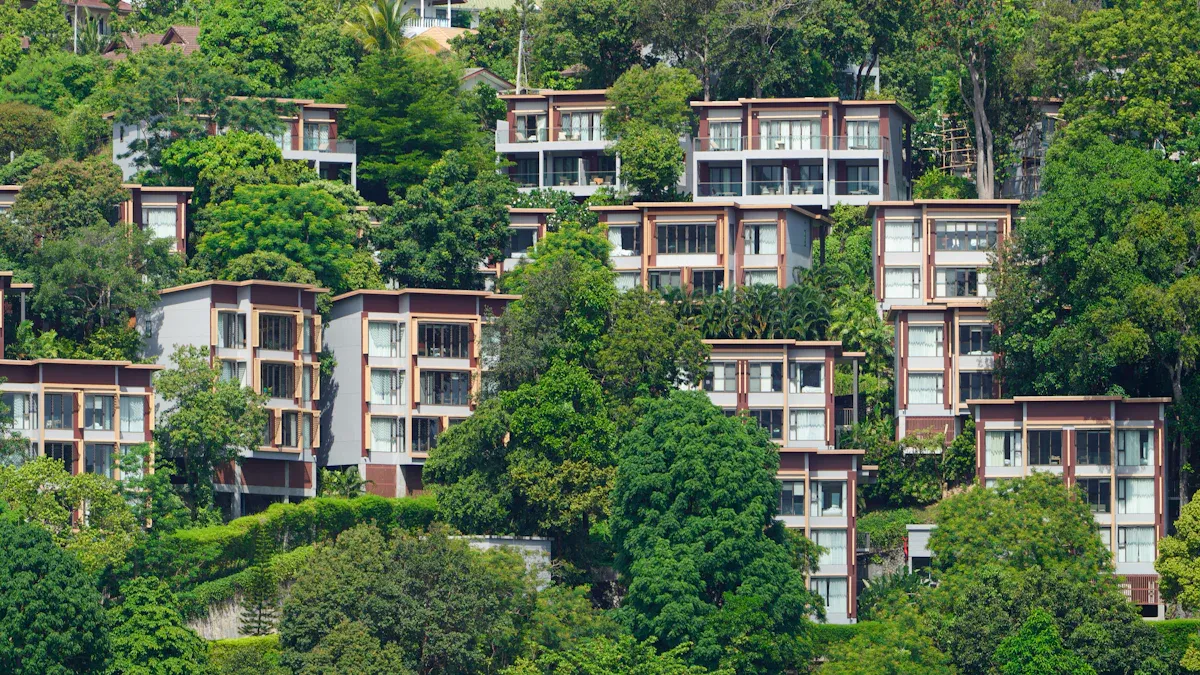
Image Source: pexels
When renting in Thailand, choosing the right rental website and having a clear budget plan are crucial. Rental prices vary significantly across different cities, for example:
| City | Average Rent (USD) |
|---|---|
| Bangkok | $486-$594 |
| Chiang Mai | $278-$340 |
| Phuket | $462-$565 |
You should first clarify your needs and budget, then focus on the authenticity of property listings. Thorough information gathering and careful review of contract terms are essential. Only by preparing in advance can you reduce rental risks and successfully find your ideal home.
Key Points
- Choose a reliable rental website to ensure information authenticity. Compare listings across multiple platforms to enhance selection safety.
- Clarify your budget and needs, and understand rental price differences across cities. Bangkok has higher rents, while Chiang Mai and Phuket are relatively cheaper.
- Inspect the property condition carefully during viewings to ensure it matches the photos. Maintain good communication with the landlord and clearly express your needs.
- Before signing a lease, carefully review the terms to ensure full understanding. Seek legal assistance if necessary to protect your rights.
- Verify the property’s authenticity before moving in and avoid making advance payments. Set up utilities and internet services to ensure a convenient living experience.
Rental Websites and Channels
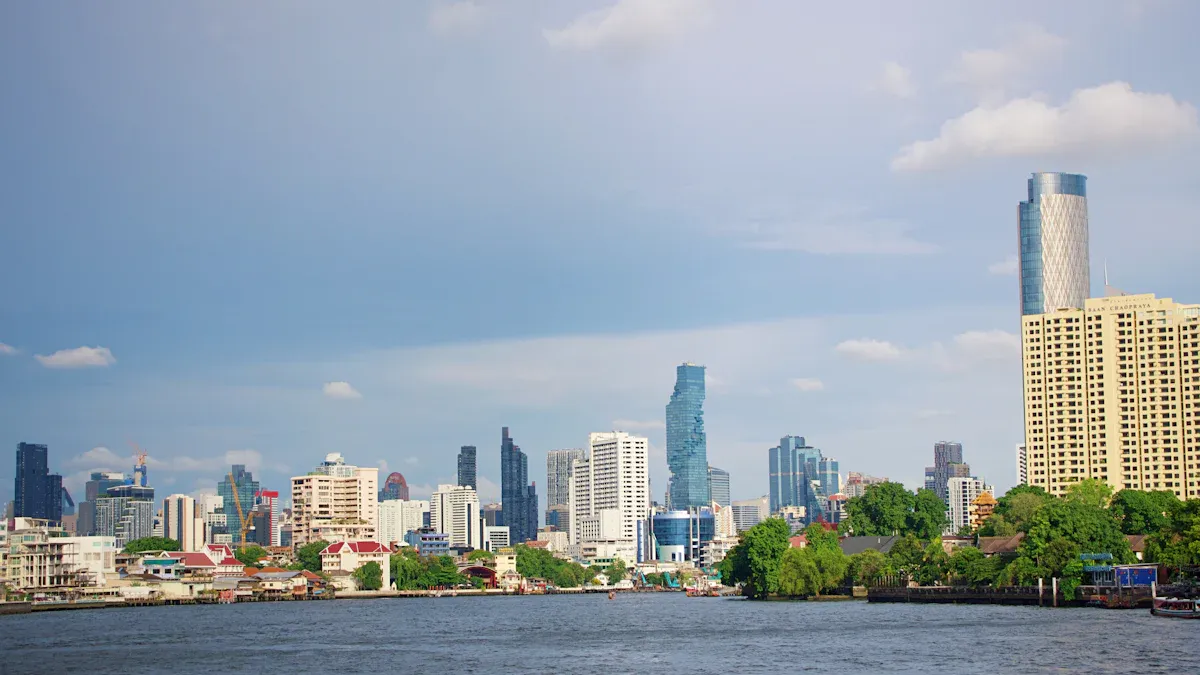
Image Source: pexels
Recommended Rental Websites
When renting in Thailand, you can prioritize using mainstream rental websites. Platforms like Dot Property, Hipflat, RentHub, and Thai Apartment cover popular cities such as Bangkok, Chiang Mai, and Phuket. You can filter listings on these websites by setting conditions like price range, property type, and location. These platforms typically provide detailed photos and maps to help you quickly understand the property’s situation. When browsing, pay attention to the authenticity of the information and prioritize listings with verification badges or user reviews.
Tip: You can compare multiple rental websites to avoid relying on a single platform, increasing the breadth and safety of your choices.
Agents and Offline Channels
You can also opt for traditional real estate agents or offline channels. Agents typically recommend suitable properties based on your needs and assist in communicating with landlords. You need to visit the agent’s office in person or contact them by phone. Agent services are more professional but have limited property coverage.
| Feature | Online Rental Platforms | Traditional Real Estate Agents |
|---|---|---|
| Accessibility | More convenient, accessible anytime, anywhere | Requires in-person visits or phone contact |
| User Experience | Typically offers a more intuitive interface and search functionality | Relies on the agent’s expertise and service |
| Market Coverage | Access to a broader market and options | Limited by the agent’s resources and contacts |
You can access a wider range of market information through rental websites, while agents are better suited for tenants needing professional services.
Community and Social Media Platforms
You can also use community forums and social media platforms to find properties. For example, Facebook groups, local Thai forums, and WeChat groups often have direct listings from tenants and landlords. You can interact with landlords or previous tenants on these platforms to gain authentic experiences and advice. When using social media platforms, be cautious about verifying information to avoid encountering fake listings.
Suggestion: You can combine rental websites and social media platforms to expand your information sources and increase your chances of finding an ideal home.
Rental Process and Documents
Location Selection and Budget Analysis
When renting in Thailand, you first need to determine your ideal location. Lifestyles vary greatly across different cities and areas. You can choose beachfront villas, mountain retreats, or urban apartments. You need to consider your budget, as rental and living costs differ significantly by area. For example, apartments in central Bangkok have monthly rents of about $1,000 to $1,700, while Chiang Mai or non-central areas are more suitable for singles or couples with budgets of $1,000 to $1,500. You should also consider climate, healthcare access, community atmosphere, and transportation convenience.
Tip: You can filter properties on rental websites, combining factors like transportation, nearby amenities, and natural disaster risks to choose the most suitable area.
When setting your budget, include accommodation costs, utilities (water, electricity, internet), and other living expenses. Monthly utility costs are approximately $400. You should also select areas close to cultural attractions or recreational activities based on your interests.
Location Selection Checklist
- Lifestyle: Beachfront, mountain, urban
- Budget: Rental differences across areas
- Climate: Choose your preferred climate type
- Healthcare: Access to quality medical services
- Community: Expat community or local experience
- Transportation: Public transport and infrastructure
- Activities: Areas related to your interests
Property Viewing and Communication
After identifying target properties, you need to schedule viewings. You can contact landlords through rental websites, real estate agents, or social media platforms. During viewings, carefully inspect the property’s condition to ensure it matches the photos. You should establish clear communication channels with the landlord, agree on a preferred contact method (e.g., email, phone, or text), and set reasonable response times. You should remain respectful and polite, clearly expressing your needs and questions.
Suggestion: During viewings, actively listen to the landlord’s opinions, show empathy, avoid technical jargon, and ensure information is easy to understand.
You can negotiate details such as rent, lease term, and furniture/appliance provisions with the landlord. You can research the prices of similar properties nearby to propose reasonable offers. If rent cannot be lowered, you can request additional services like free Wi-Fi, one month’s free rent, furniture, or regular cleaning services. You should ensure all agreements are documented in writing, and the lease should be signed in both English and Thai.
Communication and Negotiation Tips
- Establish contact method and response time
- Maintain a polite and professional tone
- Actively listen to the landlord’s opinions
- Clearly express needs and questions
- Research nearby property prices for reasonable negotiation
- Document all agreed terms
Signing and Contracts
After selecting a property, you need to sign a formal lease agreement. Long-term leases in Thailand are typically 12 months, short-term leases are 30 days, and ultra-long-term leases can last up to 30 years. You should carefully review the contract terms to ensure full understanding. The contract should include full names and addresses of both parties, detailed property description, lease term, rent amount and payment method, deposit amount and refund conditions, maintenance and repair responsibilities, utility cost sharing, termination clauses, and dispute resolution methods.
Note: You can seek assistance from legal professionals to ensure the contract terms are legal and fair.
As a foreign tenant, you typically need to prepare the following documents:
- Valid passport
- Sufficient funds for deposit and rent payments
- Typically, a refundable deposit of two months’ rent and one month’s rent in advance
- Some landlords may require several months’ rent in advance
You can negotiate the lease term with the landlord, proposing a longer lease or advance rent payments for discounts. You should ensure all agreements are documented in writing and keep a copy of the contract.
| Lease Type | Typical Duration | Common Use |
|---|---|---|
| Short-term Lease | 30 days | Vacation, business trips |
| Long-term Lease | 12 months | Expats, digital nomads, families |
| Ultra-long-term Lease | Up to 30 years | Investment, long-term residence |
Move-in Preparation
After signing the contract, you need to prepare for move-in. You should re-verify the property’s authenticity to ensure it matches the photos. You can request to see the landlord’s ID and avoid cash transactions or unusual payment methods. You should be cautious of unusually low-priced properties, especially in popular areas. You should check if water and electricity meters are correctly registered and separated from other units. You should never make advance payments before personally inspecting the property. You should consider factors such as air conditioning efficiency, water pressure, building rules, noise levels, kitchen ventilation, security systems, maintenance response times, parking policies, and pet policies.
Suggestion: You can view multiple properties and compare them before deciding to avoid rushed choices.
Before moving in, you need to set up electricity, water, and internet services. Electricity and water are typically arranged with the landlord’s assistance, while internet providers like TrueMove, AIS, and 3BB require your passport and proof of address. You can open an account with a Hong Kong-licensed bank or a local bank to facilitate rent and bill payments.
Move-in Preparation Checklist
- Verify property authenticity
- Check landlord’s ID
- Avoid cash and unusual payment methods
- Verify water and electricity meter registration
- View multiple properties
- Set up electricity, water, and internet services
- Open a bank account (preferably with a Hong Kong-licensed bank)
Price Analysis
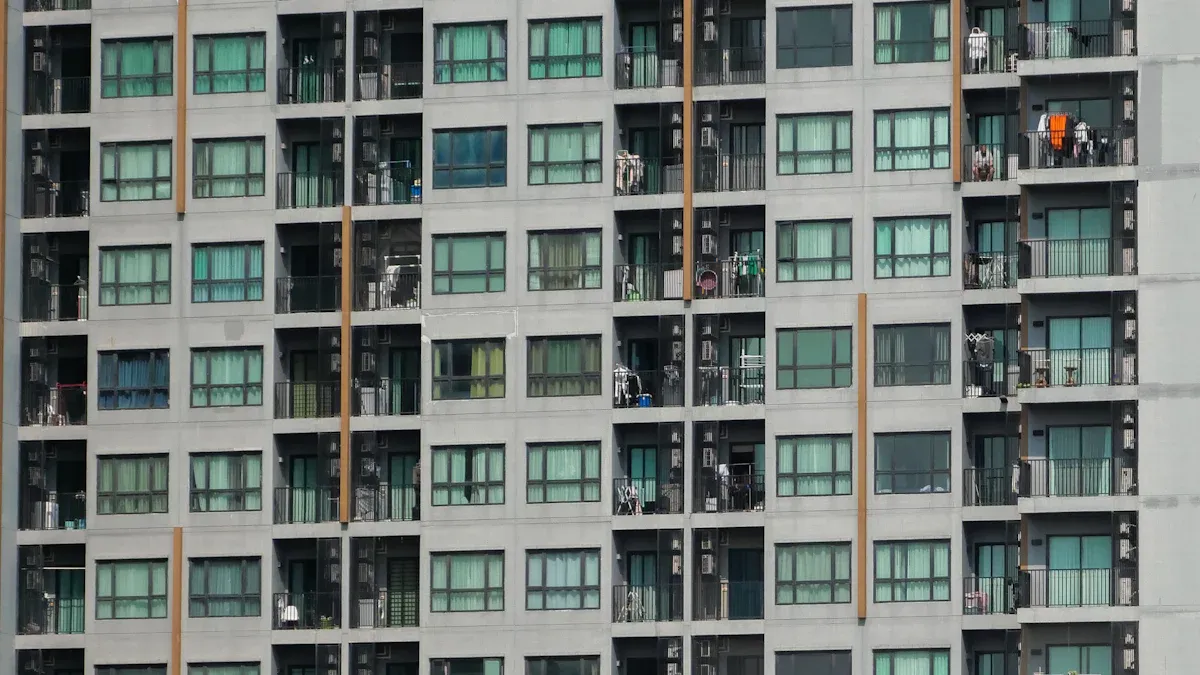
Image Source: pexels
Bangkok Rent
When renting in Bangkok, rent levels vary significantly by location and property type. Central areas like Sukhumvit, Silom, and Sathorn have higher rents, offering convenient lifestyles and well-developed transportation. Suburban areas like Ladprao are more affordable. The table below shows the average monthly rent for one-bedroom apartments in key Bangkok areas (converted to USD based on current exchange rates):
| Area | Average Monthly Rent (USD) |
|---|---|
| Sukhumvit | $680 – $1,090 |
| Silom | $545 – $955 |
| Sathorn | $600 – $1,040 |
| Ladprao | $330 – $495 |
When selecting a property, you can prioritize areas with convenient transportation and comprehensive amenities based on your budget and lifestyle needs. High-end apartments in central areas typically include gyms, pools, and security systems, with correspondingly higher rents. Suburban properties are suitable for budget-conscious tenants with lower living costs.
Tip: You can filter properties on rental websites, combining your actual needs to choose the most suitable home.
Popular Cities’ Prices
Rental prices vary significantly across Thailand’s major cities. Bangkok, as the capital, has the highest rents. Chiang Mai and Phuket have lower rents due to different lifestyles and tourism resources. The table below compares the monthly rent range for one-bedroom apartments in the city centers of three popular cities (in USD):
| City | One-Bedroom Apartment (City Center) Rent (USD) |
|---|---|
| Bangkok | $410 – $955 |
| Chiang Mai | $220 – $545 |
| Phuket | $330 – $820 |
When renting in Chiang Mai, living costs are lower, making it suitable for long-term residence or digital nomads. Phuket’s rents may rise significantly during the tourist season in certain areas. You can flexibly choose a city and property based on work, study, or leisure needs.
Suggestion: If your budget is limited, prioritize Chiang Mai or non-central areas of Phuket for better value.
Property Types and Amenities
When renting in Thailand, common property types include standard apartments, serviced apartments, and standalone houses. In Bangkok’s market, apartments account for 80%, other apartments 15%, and serviced apartments and houses about 5%. Rent and amenities vary significantly by property type. The table below shows the proportion of property types in Bangkok:
| Property Type | Proportion |
|---|---|
| Apartments | 80% |
| Other Apartments | 15% |
| Serviced Apartments and Houses | 5% |
When choosing a property type, you should consider amenities. High-end apartments typically include gyms, pools, and security systems, with higher rents. Budget apartments focus on basic infrastructure, suitable for cost-conscious tenants. Amenities in different areas also affect rent levels. For example, riverside high-end apartments have rents of $680 – $1,900, while central area budget apartments range from $410 – $820. Sukhumvit, being a commercial hub, has above-average rents. Areas like On Nut are more affordable for budget-conscious tenants.
| Area | Rent Range (USD) | Notes |
|---|---|---|
| Riverside | $680 – $1,900 | High-end apartments, expensive |
| Central Area | $410 – $820 | More affordable options |
| Sukhumvit | Above average | Commercial hub, high demand |
| On Nut | More affordable | Suitable for budget-conscious tenants |
Tip: You can prioritize apartments with comprehensive amenities to enhance your living experience while managing your budget.
Deposits and Agent Fees
When renting in Thailand, upfront costs mainly include security deposits, prepaid rent, and agent fees. Deposits are typically one to two months’ rent, and prepaid rent is one month’s rent. For landlords owning five or more properties, the law stipulates that deposits cannot exceed one month’s rent. The table below summarizes common upfront costs (in USD):
| Cost Type | Amount (USD) |
|---|---|
| Security Deposit | Typically two months’ rent |
| Prepaid Rent | Typically one month’s rent |
| Utility Costs | Approx. $40 – $135 per month |
| Internet and Maintenance Fees | Typically paid separately |
You also need to cover monthly utility costs for water, electricity, and internet. Electricity averages about $40 per month, reaching $100 with frequent air conditioning use. Water costs around $10 per month, and internet ranges from $20 – $70, depending on speed and shared usage. The table below shows typical utility cost ranges:
| Utility Type | Average Monthly Cost (USD) | Notes |
|---|---|---|
| Electricity | $40 | Up to $100 with frequent air conditioning |
| Water | $10 or less | Drinking water requires additional purchase |
| Internet | $20 – $70 | Varies by speed and shared users |
When signing, you can prioritize using a Hong Kong-licensed bank or local bank account for convenient rent and bill payments. Agent fees are typically covered by the landlord, but in some cases, tenants may need to pay half to one month’s rent as an agent fee. You should clarify all cost details in advance to avoid disputes later.
Note: Before signing, carefully review deposit and agent fee terms to ensure all costs are transparent and reasonable, avoiding unnecessary financial losses.
Considerations and Risks
Scam Prevention and Information Verification
When renting in Thailand, scam prevention is a top priority. Rental scams are common in short-term accommodations, where scammers post fake listings to lure you into paying deposits and then disappear. You can take the following measures to protect yourself:
- Sign lease agreements only through reputable platforms or agents.
- Avoid transferring money to private accounts; prioritize official payment channels.
- Always inspect the property in person or via video before making payments.
- Be cautious of properties with unusually low prices, especially in popular areas.
- Do not pay deposits or provide personal information before seeing the property and landlord.
- Check if property photos have watermarks matching the landlord or agent’s information.
- Verify information through multiple channels, prioritizing platforms with many authentic listings.
Tip: Stay vigilant during the rental process and stop transactions immediately if you encounter suspicious situations to protect your financial security.
Furniture, Appliances, and Maintenance
When signing a lease, you should clarify the maintenance responsibilities for furniture and appliances. Generally, landlords are responsible for repairing or replacing furniture and appliances damaged due to normal wear, such as air conditioners. You are responsible for replacing consumables like light bulbs. If damage is caused by your misuse or negligence, you bear the repair costs. The table below summarizes common responsibility divisions:
| Responsible Party | Responsibility |
|---|---|
| Landlord | Repair or replace faulty furniture and appliances, handle defect repairs during the contract period. |
| Tenant | Replace consumables (e.g., light bulbs); responsible for damages caused by misuse or negligence. |
You can take photos of furniture and appliance conditions upon move-in to facilitate future claims.
Contract Duration and Renewal
When renting in Thailand, the contract duration is typically 12 months. Upon lease expiration, renewal is not automatic and requires active negotiation by both parties. You need to notify the landlord 30 to 90 days in advance if you wish to renew. Renewal terms may differ from the original contract, and rent may be adjusted. You should prepare relevant legal documents to ensure the renewal process is legally valid. The table below shows common renewal terms:
| Lease Renewal Terms | Description |
|---|---|
| Renewal Rights | Requires active negotiation, not automatic. |
| Renewal Duration | Renewal term cannot exceed 30 years. |
| Legal Advice | Consult professionals to ensure terms are legal and valid. |
Suggestion: Before renewing, communicate thoroughly with the landlord, confirm all changes, and sign a written agreement.
Move-Out and Deposit Refund
When moving out, you need to fulfill all tenant responsibilities, including cleaning and repairing the property. You can schedule a move-out inspection with the landlord in advance to ensure the property is in good condition. The move-out process generally follows these steps:
- Clean the property and repair minor damages caused by use.
- Arrange a move-out inspection with the landlord.
- Discuss with the landlord during the inspection, confirming no disputes before requesting a deposit refund.
- If disputes arise, try to negotiate a resolution or make a written request if necessary.
You should keep copies of the contract and payment receipts for evidence in case of deposit disputes. You should communicate with the landlord in advance to avoid misunderstandings affecting the deposit refund.
When renting in Thailand, you should prioritize information verification and careful contract review. You can prepare a passport and proof of income in advance to ensure complete rental documents. You should understand utility and maintenance responsibilities and report issues promptly. You should maintain good communication with the landlord and pay rent on time. During negotiations, you should respect the other party and make reasonable suggestions. This will make your rental process smoother and safer.
FAQ
What documents are needed for renting?
You need to prepare a valid passport, deposit, and first month’s rent. Some landlords may require proof of income or visa copies. Confirm required documents with the landlord in advance.
Can I rent short-term in Thailand?
You can opt for short-term rentals. Some apartments and serviced apartments offer 30-day leases. Short-term rentals may be in high demand during peak tourist seasons, so book in advance.
How long does it take to get a deposit refunded?
After moving out, landlords typically refund deposits within 7 to 30 days. Ensure the property is undamaged and utility bills are settled to avoid deductions.
What are the payment methods for rent?
You can pay rent via bank transfer, cash, or third-party payment platforms. Preferably use a Hong Kong-licensed bank or local bank account for secure transactions.
What should I do if a rental dispute arises?
If a dispute occurs, first negotiate with the landlord. If unresolved, seek legal consultation or contact local rental arbitration agencies to protect your rights.
You have completed the comprehensive guide to renting in Thailand, mastering key skills from city rent differences (Bangkok $486-$594 vs. Chiang Mai $278-$340) and contract details to preventing deposit scams. However, while living in Thailand, cross-border fund management is an inevitable challenge. Whether paying the large security deposit (typically two months’ rent) and prepaid rent, or remitting monthly utility bills and rent, you may face the pain points of traditional banking: high fees, non-transparent exchange rate losses, and prolonged fund transfer times.
You need a low-cost, high-efficiency solution that also allows for global asset management to ensure your financial life in Thailand is seamless.
BiyaPay is your ideal platform for managing both cross-border payments and investment needs. We offer real-time exchange rate inquiry and conversion services for fiat currencies, with remittance fees as low as 0.5% and zero commission on contract limit orders, effectively lowering your living expenses. BiyaPay supports most countries and regions globally and enables same-day fund arrival, ensuring your money is available when needed. Most importantly, you can use one platform to participate in global asset allocation, including US and Hong Kong stocks, without needing a complex overseas account. Register quickly with BiyaPay now, and use ultimate financial efficiency to ensure your residency in Thailand is both secure and smooth!
*This article is provided for general information purposes and does not constitute legal, tax or other professional advice from BiyaPay or its subsidiaries and its affiliates, and it is not intended as a substitute for obtaining advice from a financial advisor or any other professional.
We make no representations, warranties or warranties, express or implied, as to the accuracy, completeness or timeliness of the contents of this publication.
Related Blogs of

Reasons for Cross-Border Payment Account Closure (Account Shutdown) and How to Respond: Essential Anti-Account-Ban Guide for Foreign Trade Professionals


Cross-Border Charity and International Rescue: How Digital Assets Enable Point-to-Point Ultra-Fast Fund Delivery in Major Global Events?

Funds Frozen for Half a Year? Administrative Reconsideration After 'Involved Account' and Cross-Border Multi-Currency Account Backup Solutions


Cross-Border Merchants' Dilemma: Received Crypto Payments Containing Gray Assets — How to Clean and Comply Through a Compliant Platform?
Choose Country or Region to Read Local Blog
 Australia
 Austria
 Belgium
 Canada
 Cyprus
 Czech Republic
 Denmark
 Estonia
 Finland
 France
 Germany
 Greece
 Hong Kong
 India
India Indonesia
 Ireland
 Italy
Italy Japan
Japan Latvia
 Lithuania
 Luxembourg
 Malaysia
 Malta
Malta Morocco
 Nepal
Nepal Netherlands
 New Zealand
 Norway
 Pakistan
 Philippines
 Poland
 Portugal
 Romania
 Singapore
 Slovakia
 Slovenia
 South Africa
 South Korea
 Spain
Spain Sweden
 Thailand
 The United States
 Turkey
 United Arab Emirates
 United Kingdom
 Vietnam
Contact Us




BIYA GLOBAL LLC is registered with the Financial Crimes Enforcement Network (FinCEN), an agency under the U.S. Department of the Treasury, as a Money Services Business (MSB), with registration number 31000218637349, and regulated by the Financial Crimes Enforcement Network (FinCEN).
BIYA GLOBAL LIMITED is a registered Financial Service Provider (FSP) in New Zealand, with registration number FSP1007221, and is also a registered member of the Financial Services Complaints Limited (FSCL), an independent dispute resolution scheme in New Zealand.