
Does Coinstar Exchange Foreign Currency? Accepted Coins and Alternatives




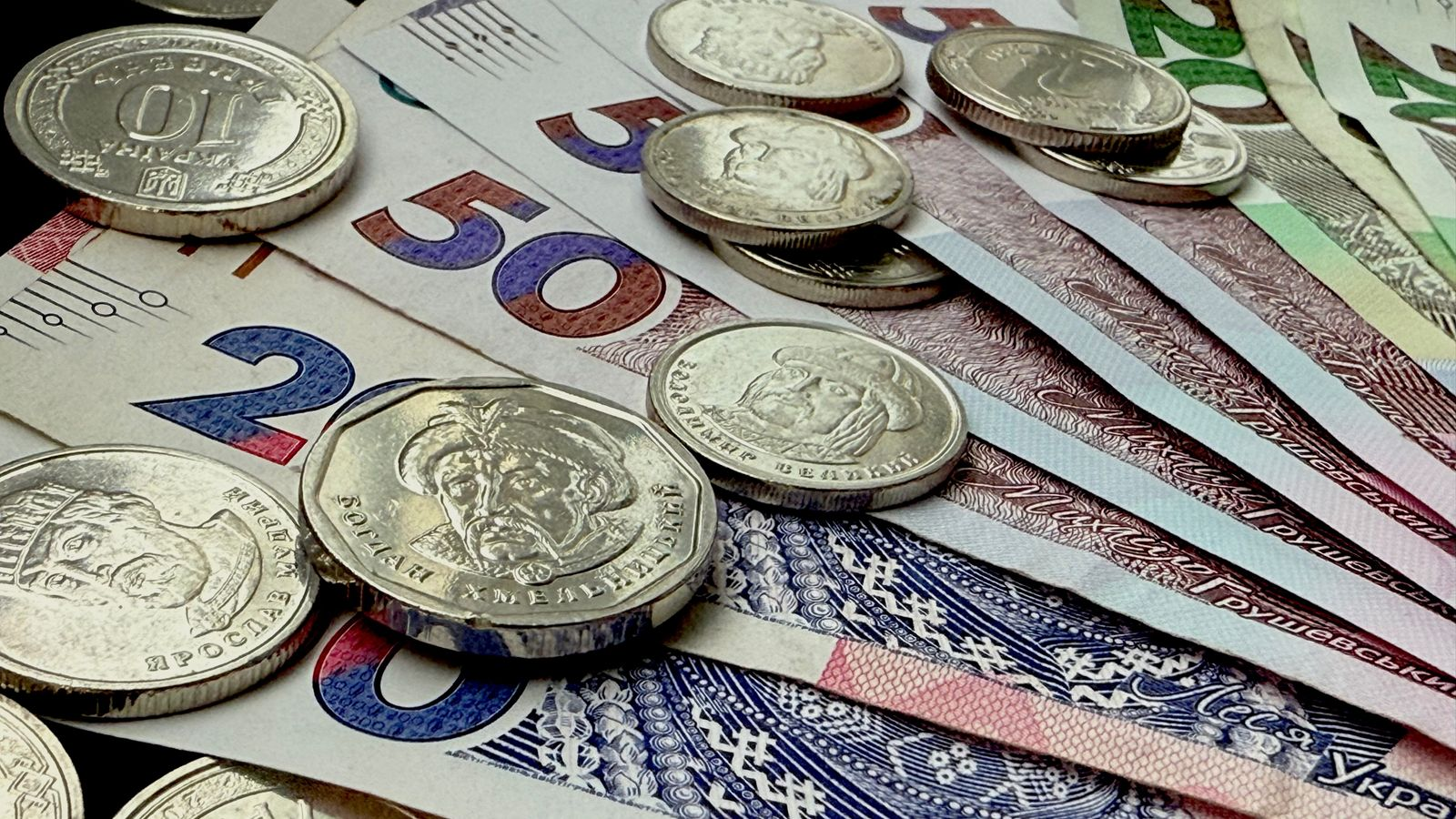
US Coinstar kiosks do not accept foreign coins. You cannot pour leftover euro, pound, or Canadian dollar coins into a machine to exchange them for US dollars. Coin counting and foreign currency exchange are different services, and choosing cash, a gift card, or a donation does not change what the machine accepts. To deal with leftover travel money, first identify the currency, separate coins from banknotes, and check whether they are still in circulation. Then find a suitable bank, specialist service, or donation channel. For small amounts, calculate postage and net proceeds first so that the cost does not exceed the value recovered.
Acceptance rules and service conditions checked as of November 2, 2026. The discussion focuses primarily on US Coinstar services. Kiosks, fees, and features in other countries or regions must be checked against the relevant local service.
Key Takeaways
- US Coinstar kiosks exclude foreign coins and cannot be used for cross-currency exchange.
- Ordinary US change differs from special older coins; denomination alone does not determine acceptance.
- Unsupported coins are not guaranteed to be returned after insertion.
- Foreign banknotes and coins may require different exchange channels and acceptance checks.
- Compare net proceeds for small amounts, including postage and any payment-receiving fees.
Does Coinstar Exchange Foreign Currency?
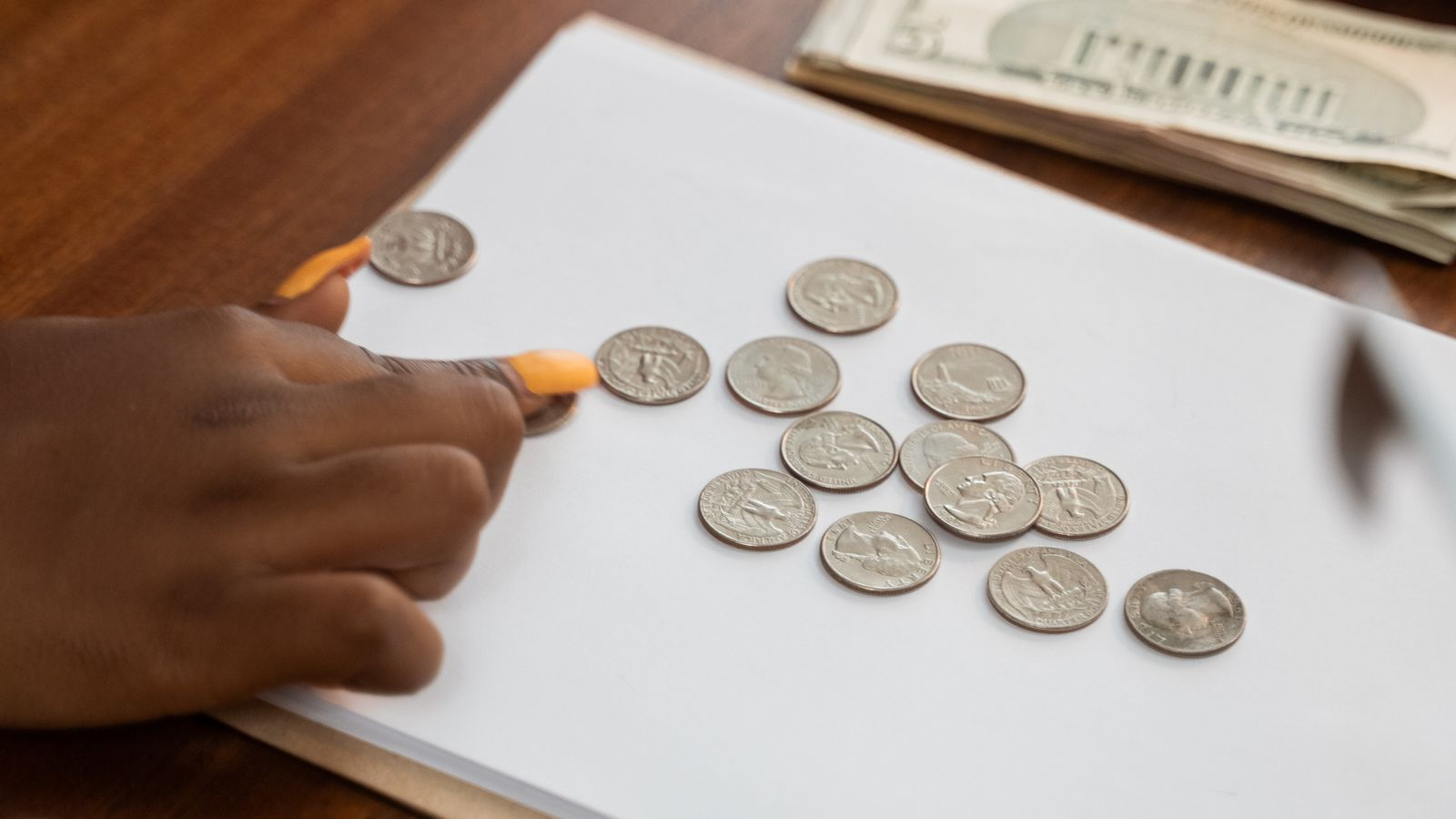
If you want to turn foreign coins into US dollars, a US Coinstar kiosk does not meet that need. Coinstar's coin acceptance rules explicitly exclude foreign coinage. This is different from asking whether a machine can turn loose change into usable funds. Foreign currency exchange requires support for converting between currencies; coin counting may simply total money in one currency and deliver its value through the option you select.
For example, having ordinary circulating US change counted so you can collect cash is different from bringing a bag of euro coins to exchange for dollars. A US kiosk's ability to recognize and process supported US coins does not mean it identifies other currencies, looks up exchange rates, and offers a conversion quote. Similar sizes or colors do not make coins interchangeable.
Cash vouchers, eGift Cards, and donations are different destinations for the value of eligible coins. Choosing a gift card does not make unsupported Canadian coins eligible. Selecting a donation does not enable the machine to accept change from every country. Establish what the kiosk accepts before comparing these output options.
A banknote slot does not establish currency exchange capability either. Some Coinstar kiosks offer cash transfers into participating bank accounts, but adding cash to an account is different from exchanging foreign currency. Check the specific kiosk, supported types of funds, and participating account requirements. “Accepts cash deposits” does not mean “accepts any currency and converts it automatically.”
Coinstar's presence in multiple markets also does not mean every location follows the same acceptance rules. If you see the brand outside the US, check the service information for that country or region instead of assuming US currencies, charges, and gift card options apply. The brand name can help you find the service, but it does not replace checking the features.
Before making a trip, establish three things: where the kiosk is, which currency you hold, and whether you want cash or another form of funds. If the currency is unsupported, comparing that machine's cash-out fees will not solve the problem. Move on to an appropriate foreign currency channel.
Which Coins Does Coinstar Accept, and What Should You Remove?
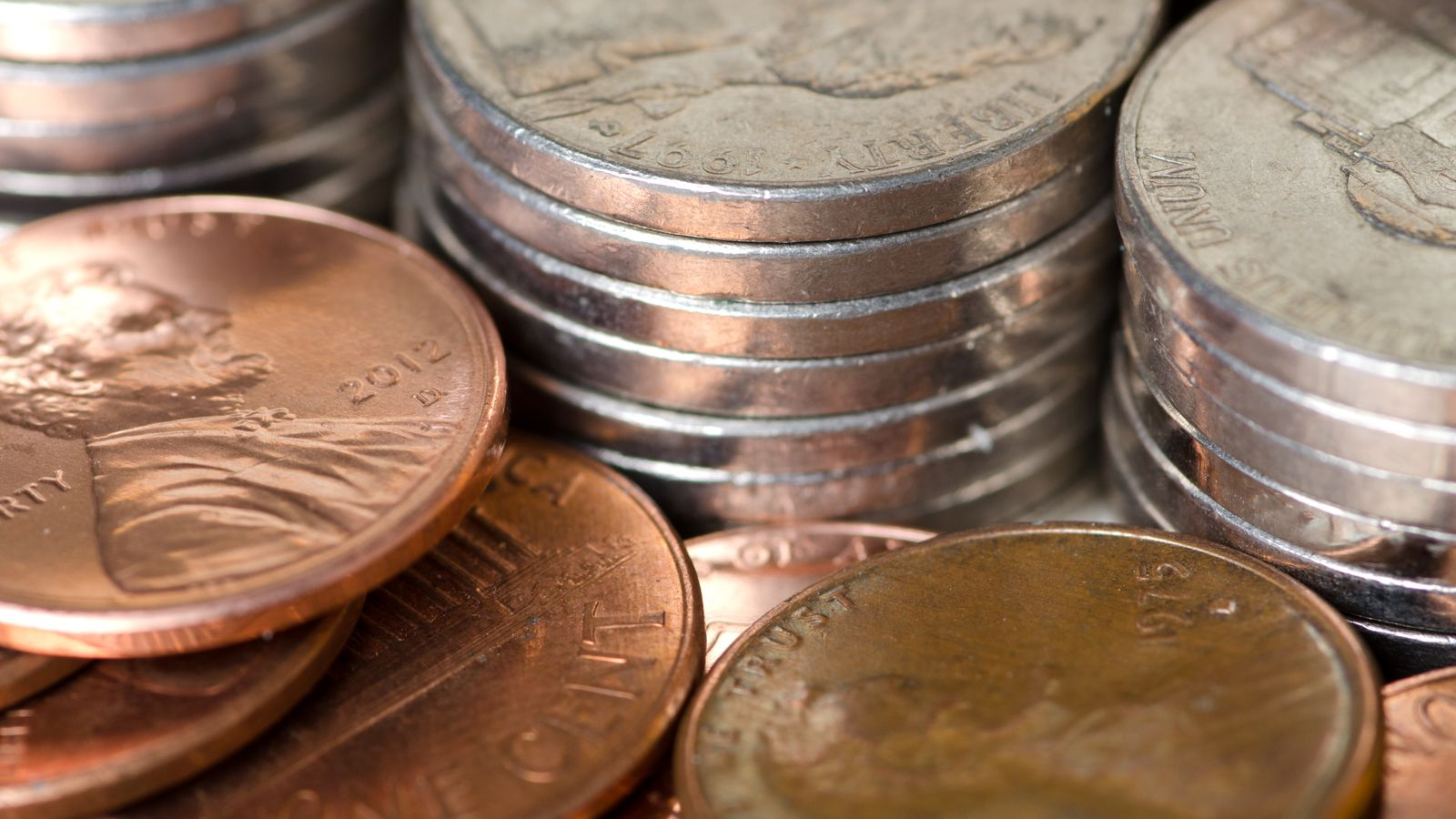
US Coinstar kiosks commonly handle ordinary circulating US change, such as everyday pennies, nickels, dimes, and quarters. That does not mean every US-minted coin can be inserted. Separate foreign coins, special materials or issues, commemorative coins, and non-currency objects in advance. Acceptance depends on the coin's identity and the current kiosk rules, rather than only the amount printed on it.
| What you have | How to assess it | What to do before inserting it |
|---|---|---|
| Ordinary circulating US change | A common use for US kiosks | Check kiosk instructions and remove dirt and foreign objects |
| Euro, Canadian dollar, and other foreign coins | Explicitly excluded by US Coinstar | Separate by currency and find another option |
| Certain older coins, pure silver coins, and commemoratives | Should not be treated as ordinary change | Check the issue, material, and exclusion list |
| Tokens, keys, jewelry, and other objects | Not eligible coins for counting | Remove them from your change and keep them out of the kiosk |
| Banknotes | Not suitable for the coin-counting opening | Check the specific cash service separately; do not assume foreign currency support |
Coinstar's exclusions include Eisenhower dollars, 1943 steel pennies, pure silver coins, and commemorative coinage. Notice that “dollar coin” describes a denomination, while “Eisenhower dollar” identifies a particular type. Seeing the word “dollar” is not enough to determine acceptance. If you cannot identify an older coin's issue, set it aside and identify it rather than relying on the machine.
A rejected coin is not necessarily worthless. Its currency, material, or type may simply fall outside the service's scope. Some older coins may also have separate collectible value. However, being old or uncommon does not automatically make a coin valuable, and high asking prices on social media are not a reliable valuation. Preserve an unusual coin's condition and establish its identity before deciding between ordinary exchange and professional assessment.
Coinstar's statement that sorting, counting, or rolling is unnecessary describes convenience for eligible coins. It does not mean everything in a change jar can be poured into the machine. Removing foreign currency and objects is different from sorting and rolling every denomination. Coins should be clean and dry because sticky material and debris can interfere with counting.
In particular, do not treat the return tray as a reliable coin-testing device. Coinstar warns that unsupported coinage may not be recognized or returned. “Put it in and see whether it comes back” is therefore not a sensible approach. If you have already inserted an unsupported coin, check the return tray and contact store staff and Coinstar customer service for help. Avoid adding more ineligible items.
If an ordinary coin is returned, do not immediately conclude that it is counterfeit or has lost its face value. Check its currency, appearance, and the machine's condition first. Do not repeatedly insert an unidentified coin hoping it will be counted, or treat one machine's response as an authenticity or collectible-value assessment.
What Can You Do with Foreign Coins and Banknotes Coinstar Does Not Accept?
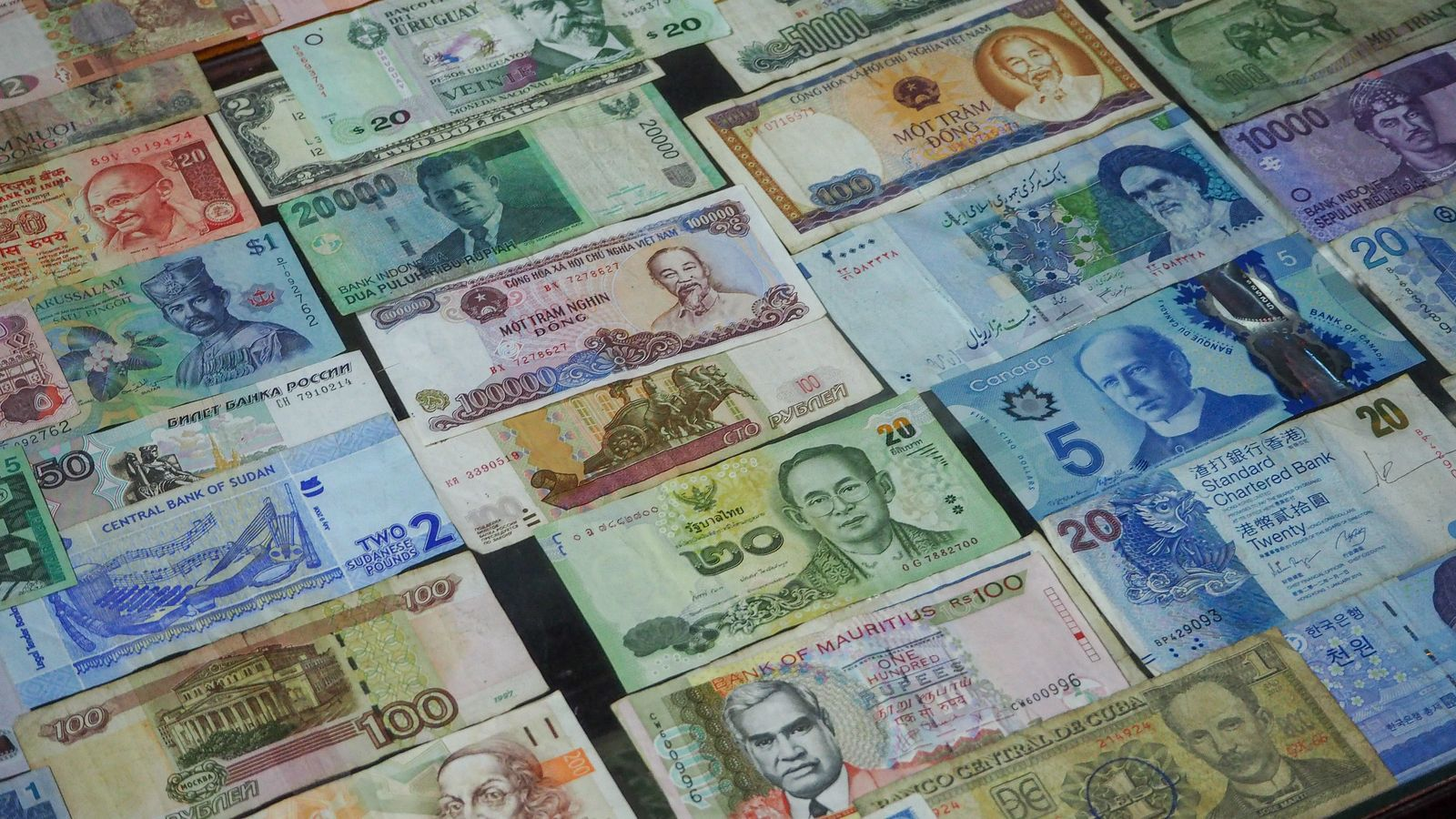
Choose an alternative based on the type of cash you have. For banknotes, ask a bank or exchange business offering buyback for that currency. For coins, find a specialist that explicitly accepts the currency and issue. Keeping, spending, or donating the money may be more suitable when the amount is small, you expect to use it again, or net exchange proceeds are low. A provider's ability to exchange a currency does not mean it accepts every physical form of that currency.
Foreign Banknotes: Check Bank and Exchange Buyback Conditions
When asking for a quote, explain that you are selling foreign cash you already hold in exchange for another currency, rather than buying travel money. Confirm the accepted currency, denominations, issues, and condition, along with any account or original receipt requirements. Some services are available only at selected branches. Checking before you travel can prevent an unsuccessful visit with your cash.
Separate current banknotes from older issues that are no longer in circulation. The same currency name and face value do not mean an ordinary exchange business will buy both under identical conditions. Older notes may require checking the issuer's exchange arrangements, deadlines, or a specialist service. Do not use the current currency's reference rate to calculate a guaranteed payout for an older note.
If you are comparing cash buyback with account conversion, first consider currency exchange through banks, exchange services, and cards. Establish whether the cash is accepted before comparing quotes. A conversion rate for an account balance is not a commitment to buy physical banknotes at that price.
Foreign Coins: Find a Service That Explicitly Accepts Them
Specialist leftover-currency services can be candidates, but check the currency and physical items individually. For example, Leftover Currency's acceptance and exchange terms require submitted coins or banknotes to meet its acceptance conditions. Items not listed require prior confirmation. Customers may have to pay to have unaccepted cash returned on request.
Location eligibility matters too. Its current terms explicitly exclude residents of Texas, USA, so accepting international customers should not be presented as availability to every US user. Payment method and location may also affect minimum payout requirements. Confirm how you will actually receive the money before submitting an exchange.
Before choosing postal exchange, check whether the carrier permits that type of cash shipment, any relevant declaration requirements, and the protection available. Then consider postage, packaging, and tracking. Do not assume ordinary parcel protection covers cash losses. Record the currencies, quantities, and service reference before sending, and establish when the quote is fixed and whether it can change after the contents are checked.
Small Amounts: Spend, Save, or Donate Them
If you are still somewhere the currency is used, consider spending the coins on purchases you already need, where the merchant accepts them. Avoid buying extra items simply to empty your pocket. If you expect to return, you can sort and save cash that remains in circulation. Consider whether you are likely to use it again rather than indefinitely accumulating unidentified change.
If you do not need a payout, consider charitable programs that collect leftover travel money. UNICEF Change for Good works with the airline industry to collect passengers' unused coins and banknotes in support of programs for children. Confirm participating flights, collection arrangements, and accepted items with the relevant channel. Do not assume the service is available at every airport or on every flight.
Donation puts the value toward a charitable purpose, while exchange aims to return usable funds. They should not be judged solely by the amount paid back to you. At an airport donation box, check the organization and acceptance instructions. Not every collection point is a destination for any currency.
What Is the Most Practical Way to Handle Small Amounts of Foreign Cash?
Whether a small balance is worth exchanging depends mainly on the net proceeds and the costs of obtaining them. Converting the coins' face value at a market exchange rate provides only a reference, not the amount a provider will pay. The physical-cash buyback quote, postage, applicable payment-receiving fees, and transport to a branch can all affect the result, particularly for a heavy bag of low-value coins.
Suppose some foreign cash has a reference-rate equivalent of $30, but a service quotes $22 for the actual items. Postage costs $7 and an applicable receiving fee is $1. Your net proceeds after those costs would be $14. These figures are hypothetical illustrations, not any provider's actual quote.
Start the calculation with the $22 physical-cash quote, rather than the $30 reference value, before deducting postage and receiving charges. If the $22 already reflects an exchange spread, do not deduct that difference again. When comparing quotes, keep the type and quantity of cash, payout currency, and quote time consistent.
| Cash situation | Options to check first | What to compare before deciding |
|---|---|---|
| Eligible ordinary US change | US Coinstar or a suitable service at your account bank | Actual fees, payout form, and service conditions |
| Accepted foreign banknotes | Bank or exchange-business buyback | Note issues, actual quote, and cost of visiting |
| Explicitly supported foreign coins | Specialist leftover-currency or postal exchange service | Location eligibility, postage, and net proceeds |
| Small amounts you may use again | Keep them or spend them sensibly where accepted | Future use, circulation status, and sorting effort |
| Unneeded leftover travel money | A verified foreign-currency donation channel | Acceptance scope and donation arrangements |
It makes sense to compare Coinstar's cash and eGift Card options only when you have eligible US coins. Its US service currently notes that cash transaction fees vary by location and may include a service fee of up to 15.9% plus a transaction fee of up to $0.99. Check what the kiosk displays before you begin. These charges are not a quote for exchanging foreign currency.
Some eGift Card options may have a zero fee, but brand and location conditions vary. A gift card is also different from cash. Whether you already shop with the merchant, can use the card in the relevant region, and can retain any unused balance affects its practical value. Do not select a card you will struggle to use simply to avoid a fee.
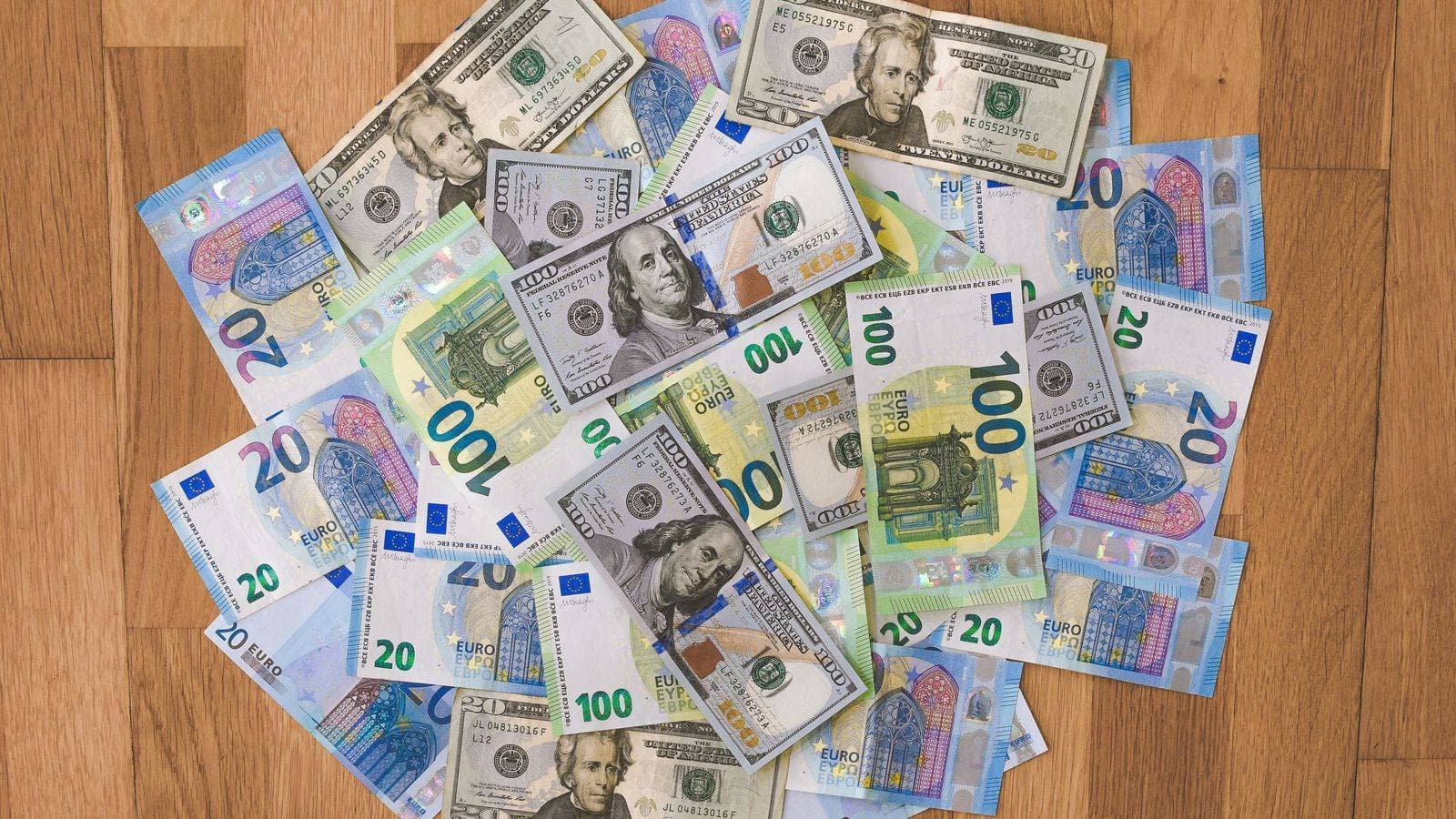
When organizing leftover money, first separate it by currency, coins or banknotes, and circulation status, then record the quantities. Amounts marked “10” in different currencies cannot simply be added together. Older banknotes shown in photographs should not automatically be treated as currently exchangeable cash. If research and shipping costs approach the expected proceeds, keeping or donating a small amount may be more practical than pursuing the highest reference valuation.
For your next trip, plan physical cash and account funds separately to reduce the change you need to handle afterward. If considering Biya for fiat currency conversion or cross-border funding, first confirm the currencies, funding methods, and payment routes actually available to you. Then use the Biya Fee Center and transaction quote to check conversion and transfer-out costs. These account services differ from collecting physical foreign currency. Do not mail leftover coins or banknotes to an unverified address expecting them to become a wallet balance automatically. Whether Biya suits your subsequent use of funds depends on the purpose and service conditions. Service availability depends on your location, identity verification, platform rules, and applicable laws and regulations.
Frequently Asked Questions
Do US Coinstar Kiosks Accept Euro or Canadian Dollar Coins?
No. US Coinstar acceptance rules explicitly exclude foreign coins. Euro and Canadian dollar coins do not become eligible simply because their size resembles US change. Separate them before using the kiosk, then consider specialist exchange, saving them for future use, or donation. Do not use the machine to test them.
Does a Banknote Slot Mean a Coinstar Kiosk Can Exchange Foreign Notes?
No. Some cash services transfer supported funds into participating accounts, which differs from exchanging foreign banknotes into another currency. Check the kiosk's specific features, accepted currencies, and account requirements. A banknote slot alone is not evidence of foreign currency exchange support.
Can Choosing a Coinstar eGift Card Make Foreign Coins Eligible?
No. An eGift Card is a destination for the value of eligible coins after counting. It does not expand the kiosk's currency acceptance. Even if a card is displayed with no fee, that does not mean foreign coins are accepted. Brand, regional, and usage terms must still be checked for the current option.
Will Foreign Coins Accidentally Inserted into Coinstar Always Be Returned?
No return is guaranteed. Coinstar warns that unsupported coinage may not be recognized or returned. Check the return tray and ask store staff and Coinstar customer service for help. Do not add more foreign coins or attempt to dismantle or interfere with the kiosk.
Does a Bank Offering Foreign Currency Exchange Also Accept Foreign Coins?
Not necessarily. A bank may buy back only specified currencies and banknote issues, with separate requirements for coins, older money, or non-customers. State whether you have coins or notes and check with the branch handling the transaction. Offering foreign currency services does not mean accepting every form of foreign cash.
Can Foreign Coins and Banknotes That Are No Longer in Circulation Still Have Exchange Value?
Possibly, but check the issuer's exchange arrangements and deadlines, specialist quotes, and any collectible value separately. Withdrawal from circulation does not automatically mean an item is worthless. It also does not guarantee redemption at face value using today's exchange rate. Identify the currency and issue before choosing a channel.
*Bài viết này chỉ được cung cấp cho mục đích thông tin chung và không cấu thành lời khuyên pháp lý, thuế hoặc lời khuyên chuyên môn khác từ BiyaPay hoặc các công ty con và công ty liên kết của BiyaPay, và cũng không nhằm thay thế việc tìm kiếm tư vấn từ cố vấn tài chính hoặc bất kỳ chuyên gia nào khác.
Chúng tôi không đưa ra bất kỳ tuyên bố hay bảo đảm nào, dù rõ ràng hay ngụ ý, về tính chính xác, đầy đủ hoặc kịp thời của nội dung ấn phẩm này.
Các blog liên quan đến
Intesa Sanpaolo Wire Transfer Fees to the US: Charges, Exchange Rates, and Total Cost

Crypto Trading vs. Forex Trading: Markets, Costs, and Risks Compared

Binance Hot Wallet Outflows: User Funds, Loss Coverage, and Withdrawal Updates
Using a Virtual Visa Card: Online Payments, Subscriptions, and Declined Transactions

Chọn quốc gia hoặc khu vực để đọc blog địa phương
 Úc
 Áo
 Bỉ
 Canada
 Síp
 Cộng hòa Séc
 Đan Mạch
 Estonia
 Phần Lan
 Pháp
 Đức
 Hy Lạp
 Hồng Kông
 Ấn Độ
 Indonesia
 Ireland
 Ý
 Nhật Bản
 Lát-vi-a
 Litva
 Luxembourg
 Malaysia
 Malta
 Ma-rốc
 Nê-pan
 Hà Lan
 New Zealand
 Na Uy
 Pakistan
 Philippin
 Ba Lan
 Bồ Đào Nha
 Rumani
 Singapore
 Slovakia
 Xlô-venia
 Nam Phi
 Hàn Quốc
 Tây Ban Nha
 Thụy Điển
 Thái Lan
 Hoa Kỳ
 Thổ Nhĩ Kỳ
 Các Tiểu vương quốc Ả Rập Thống nhất
 Vương quốc Anh
 Việt Nam