
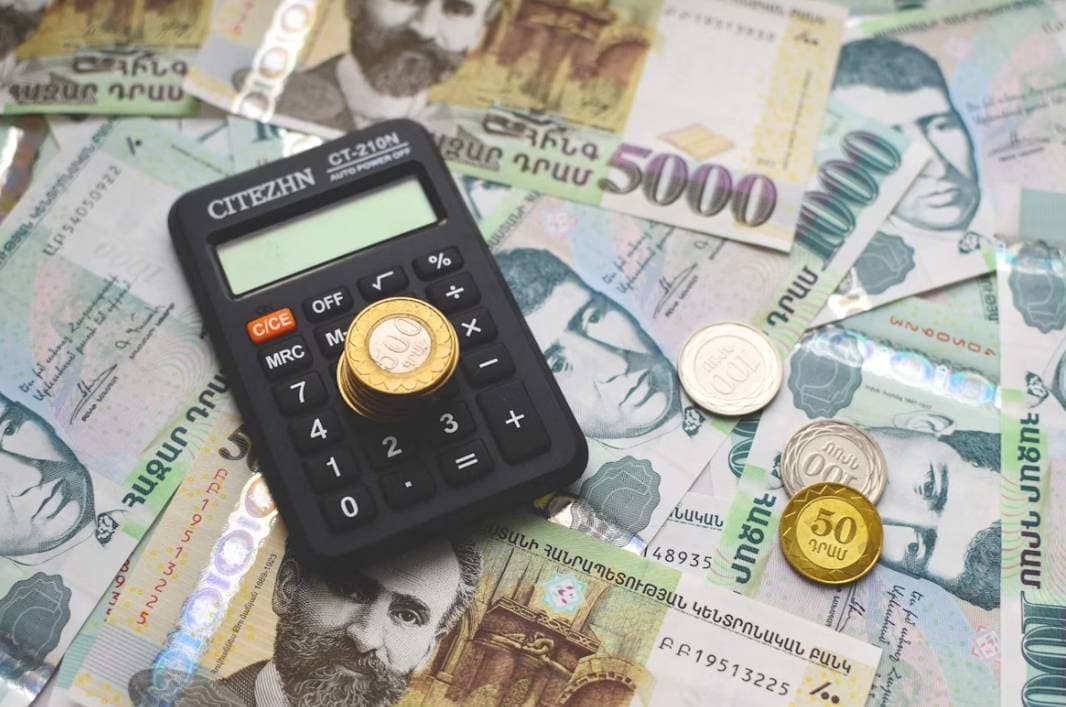
อัตราแลกเปลี่ยนและการแลกเปลี่ยนสกุลเงิน
หัวข้ออัตราแลกเปลี่ยนและการแลกเปลี่ยนสกุลเงินรวบรวมข้อมูลอัตราแลกเปลี่ยนของสกุลเงินที่ใช้กันทั่วไป วิธีการคำนวณและแนวทางการแลกเปลี่ยนเงิน ครอบคลุมการคำนวณอัตราแลกเปลี่ยน การแลกเปลี่ยนสกุลเงิน อัตรารับซื้อและอัตราขายของธนาคาร อัตรากลางตลาด ส่วนต่างอัตราแลกเปลี่ยน และค่าธรรมเนียมการแลกเปลี่ยนเงิน ผ่านคำอธิบายคู่สกุลเงินหลัก การวิเคราะห์แนวโน้มอัตราแลกเปลี่ยน และสถานการณ์การแลกเปลี่ยนเงินจริง เพื่อช่วยให้ผู้ใช้เข้าใจว่าอัตราแลกเปลี่ยนเกิดขึ้นได้อย่างไร เปรียบเทียบต้นทุนระหว่างธนาคารและช่องทางการแลกเปลี่ยนเงินต่าง ๆ และเลือกวิธีแลกเปลี่ยนสกุลเงินที่เหมาะสมยิ่งขึ้นสำหรับการโอนเงินข้ามประเทศ การใช้จ่ายในต่างประเทศ และการลงทุนระหว่างประเทศ
บล็อกที่เกี่ยวข้อง
กระเป๋าเงินคริปโตเป็นกระเป๋าเงินฟิอัต: ขั้นตอนการแปลงเงิน ค่าธรรมเนียม และการถอนเงิน
เรียนรู้วิธีแปลงคริปโตเป็นยอดเงินในกระเป๋าเงินสกุลเงิน fiat เปรียบเทียบต้นทุนการแปลงและการถอนเงิน รวมถึงแก้ไขปัญหาเมื่อยอดเงินจากการขายไม่สามารถถอนได้

Matt
2026-10-21 18:20:44
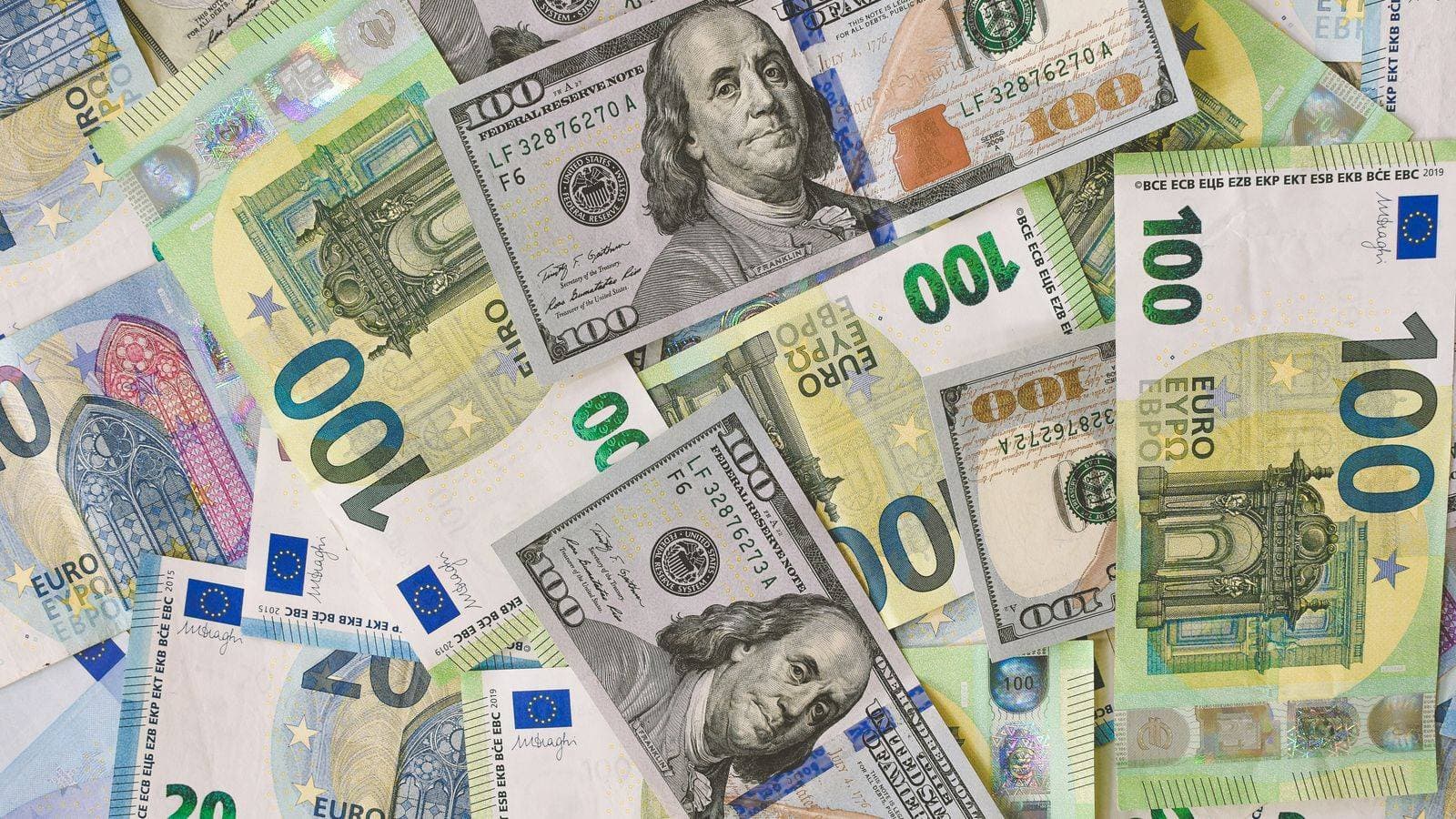
วิธีที่ดีที่สุดในการแลกเปลี่ยนเงินตรา: เปรียบเทียบธนาคาร บริการแลกเปลี่ยนเงิน และบัตร
เปรียบเทียบธนาคาร บริการแลกเปลี่ยนสกุลเงิน และบัตรต่าง ๆ ในด้านอัตราแลกเปลี่ยน ค่าธรรมเนียม การเข้าถึงเงินสด และการชำระเงิน เรียนรู้วิธีประเมินต้นทุนรวมและหลีกเลี่ยงเรื่องน่าประหลาดใจจาก DCC

Neve
2026-10-21 18:00:29
วิธีถอนเงิน USDT เข้าบัญชีธนาคาร
เรียนรู้วิธีถอน USDT เข้าบัญชีธนาคาร ตรวจสอบเครือข่าย TRC-20 และ ERC-20 และเปรียบเทียบเส้นทางผ่านแพลตฟอร์ม กระเป๋าเงินดิจิทัล และ P2P พร้อมค่าธรรมเนียม ระยะเวลา และความเสี่ยง

Maggie
2026-10-16 17:28:03

How to Choose a USD Exchange Platform? Differences Between Banks, Wise, Revolut, PayPal, and Brokerage Accounts
Choosing a USD exchange platform is not just about exchange rates. You also need to compare fees, spreads, transfer speed, funding purpose, account restrictions, and withdrawal paths. This guide compares banks, Wise, Revolut, PayPal, and brokerage accounts to help you choose the right tool for cross-border transfers, overseas spending, investment funding, and multi-currency money management.

William
2026-06-25 10:52:07

How to Invest in U.S. Stocks Without an Overseas Bank Card? Accounts, FX, Funding, and Trading Paths Explained
You may still be able to invest in U.S. stocks without an overseas bank card, but the key is your brokerage account, FX path, same-name funding route, and withdrawal loop. Learn about account setup, USD funding, fees, and compliance risks before making your first trade.

Tomas
2026-06-25 10:12:36

How Should You Prepare Funds Before Buying U.S. Stocks? USD, Cash, FX, and Fee Checklist
Before buying U.S. stocks, you should prepare USD funds, cash buffers, FX paths, funding accounts, trading fees, and tax documents. Learn about cash accounts, T+1 settlement, platform fees, regulatory fees, dividend withholding, withdrawal routes, and a funding checklist before placing your first order.
William
2026-06-25 10:09:27

Wise vs Revolut vs PayPal vs Bank Currency Exchange: What Are the Differences?
Compare Wise, Revolut, PayPal, and bank currency exchange by fees, exchange rates, transfer speed, use cases, and compliance limits to help you choose for remittances, travel spending, online payments, and large FX transfers.
William
2026-06-23 18:17:54

How to Buy U.S. Stocks Without a USD Account: Currency Conversion, Funding, and Fee Paths Explained
You can still buy U.S. stocks without a USD account. Learn how local currency converts into USD, how non-USD funding works, how platform FX and auto-conversion operate, and where trading and withdrawal fees may be charged.
Matt
2026-06-23 16:31:24

Do You Need an HKD Account to Buy Hong Kong Stocks? Funding, Currency Conversion, and Trading Fees Explained
You do not necessarily need an HKD account to buy Hong Kong stocks. Learn how Hong Kong stock funding, non-HKD conversion, HKD buying power, commissions, stamp duty, trading fees, and withdrawal costs work.
Neve
2026-06-23 16:14:51