
Investing in Commodities: Physical Assets, Funds, Futures, and Stocks Compared





If you are bullish on gold, crude oil, or copper, the next decision is which asset to use. Buying bullion, purchasing a commodity fund, holding futures, and owning producer stocks involve different rights, sources of returns, and management responsibilities. A rise in commodity prices does not necessarily translate into an equal gain in related investments. First establish whether you want physical ownership, price exposure, or participation in company earnings. Then compare holding periods, total costs, and account requirements to determine which route fits your funding plans.
Key Takeaways
- Physical commodities, fund shares, futures contracts, and company stocks provide different ownership rights.
- Physically backed products reduce the need to arrange storage yourself, but fees and custody structures still matter.
- Futures-based returns depend on contracts and rolling strategies and may diverge from spot prices.
- Resource stocks carry commodity-cycle, company operating, and equity market risks.
- Compare investment routes using consistent budgets, holding periods, and actual price exposure.
What Are the Main Ways to Invest in Commodities? Start With What You Own
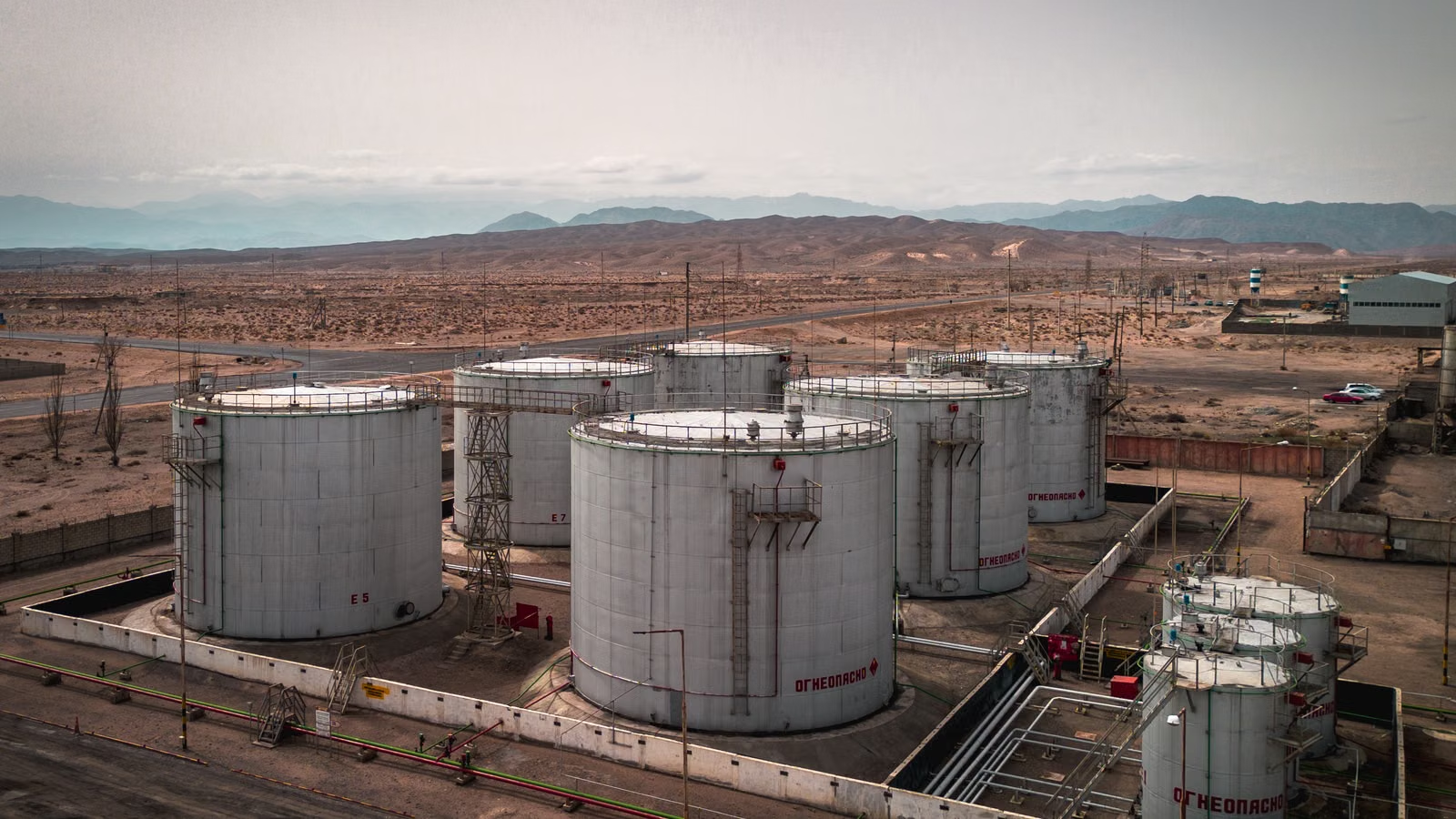
You can invest in commodities by buying physical assets or through investment product shares, futures contracts, and company equity. The underlying assets and contractual arrangements determine the nature of your holding. Words such as “gold,” “energy,” or “resources” in a name do not establish that. Gold bars, a gold trust, and mining stocks have different return mechanisms even when you hold the same positive view on gold prices.
Precious metals, energy, industrial metals, and agricultural commodities also have different supply and demand conditions. Crude oil and natural gas are affected by production, inventories, and transportation. Copper is linked to industrial activity, while agricultural commodities also depend on weather and growing cycles. For a broad commodity product, examine category weights to understand which risks your additional investment mainly takes on.
| Investment route | What you hold | Main sources of returns | Key costs and risks |
|---|---|---|---|
| Physical ownership | Specific commodities, such as gold or silver bars | Difference between selling and purchase prices | Purchase premiums, storage, insurance, and resale conditions |
| Physically backed products | Shares in a fund, trust, or other structure holding physical commodities | Changes in physical commodity prices, less product expenses | Ongoing charges, custody arrangements, and bid-ask spreads |
| Futures-based products | Shares in a product using futures or other instruments for exposure | Futures strategies and income from collateral assets, among other sources | Roll effects, tracking differences, and product structure |
| Direct futures positions | Standardized contracts for a particular commodity and delivery month | Changes in contract prices | Leverage, margin, expiration management, and trading costs |
| Resource stocks or equity funds | Company shares or fund shares holding related equities | Company earnings, valuation changes, and possible dividends | Operating, financial, policy, and equity market risks |
Before buying, examine the investment objective, latest holdings, and legal structure. An exchange listing describes how a product trades; it does not establish whether the underlying holdings are physical commodities, futures, or stocks. Labels such as ETF, trust, and ETC used across markets also require a review of product documents to understand your rights and risks.
Physical Commodities vs. Physically Backed Products: How Does Storage Affect the Choice?

Physical ownership suits investors who want to acquire, store, and eventually dispose of the commodity itself. Physically backed products arrange custody through the product, while investors mainly buy and sell shares. Both may closely reflect the price movements of the same commodity, but purchase premiums, ongoing expenses, resale methods, and holder rights differ. Compare them over your expected holding period.
What Purchase and Exit Costs Come With Physical Ownership?
Gold and silver bar quotes may include fabrication, dealer, and small-bar premiums. When selling, check the dealer’s buyback quote, accepted brands and purity standards, testing requirements, and settlement method. The spot price on a screen is a reference for evaluating actual terms; it may not be a price at which you can transact.
Storage also has costs. Keeping bullion yourself involves considerations such as loss, theft, and insurance coverage. Third-party storage requires checking fees, withdrawal arrangements, and ownership rights. Obtain resale terms before buying and retain invoices and weight and purity records to reduce information gaps when you sell.
The practicality of physical ownership varies considerably by commodity. Small quantities of precious metals are relatively easy to divide and store. Crude oil, natural gas, and large quantities of agricultural commodities require specialized facilities, transport, and quality management. Listed products or futures are generally more convenient ways for individual investors to obtain price exposure to those commodities.
How Do Physically Backed Products Connect to Commodity Prices?
The iShares Gold Trust (IAU) seeks to reflect the performance of gold bullion prices and holds gold through a trust. Investors acquire trust shares without arranging bullion storage themselves. Their results still depend on ongoing expenses, market execution prices, and bid-ask spreads.
When screening similar products, review physical asset lists, custody arrangements, inspection reports, and fee documents. Physical backing does not automatically allow every ordinary shareholder to collect bullion whenever they choose. Physical redemption availability, eligibility, and minimum units depend on the specific terms.
Check the legal structure separately. For example, IAU states that it is not an investment company registered under the U.S. Investment Company Act of 1940. Similar fund labels on a trading screen can represent different regulatory arrangements. The full product name and legal documents are more useful than an abbreviation when assessing your rights.
Why Can Futures-Based Products Diverge From Spot Prices?
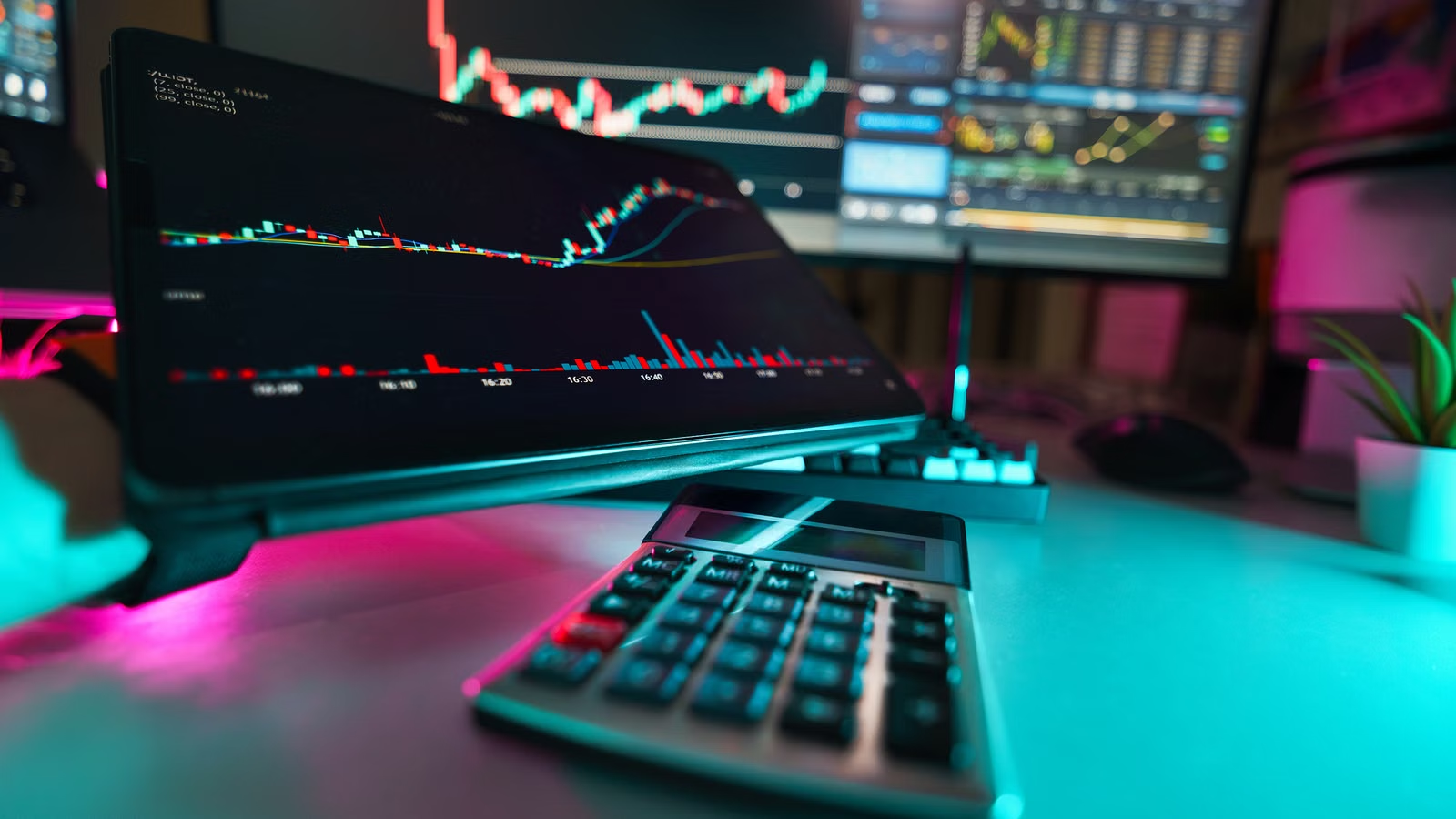
Futures-based products obtain commodity exposure through contracts and follow a particular futures strategy. Contract months, the term structure, rolling methods, and collateral income all influence results. Assess performance against the product’s actual benchmark and return methodology. Using only the change in spot prices over a period can overlook important contributors.
How Do Futures Prices, Rolling, and Collateral Income Affect Returns?
Futures contracts expire. To maintain exposure, a product generally closes positions in an existing contract month and establishes positions in a later month. Rolling changes the price conditions for continued exposure and incurs trading expenses. The CFTC’s discussion of commodity ETP and fund risks also emphasizes that returns from holding futures-based products can diverge from underlying commodity prices.
Suppose a commodity’s spot price stays at $80. A product buys a later-month contract at $84 and subsequently closes it at $80. Ignoring other factors, the futures price loss over that period is approximately 4.76%, calculated as “80 ÷ 84 − 1.” The spot price has not fallen during the same period. The difference comes from the price movement of the contract held.
When later-month contracts are relatively expensive and subsequently converge toward lower spot prices, maintaining long exposure can create a drag. The opposite term structure may have a favorable effect. Changing market conditions affect the outcome. Buying a new contract above the price at which the old contract was sold also does not create an immediate loss equal to that difference when the new position opens.
Cash or short-term debt instruments supporting the futures exposure may generate income too. Review futures strategy returns, collateral income, and expenses together. Where roll effects are already reflected in strategy performance, do not deduct an estimated “roll cost” again.
How Do Management Responsibilities Differ Between a Futures-Based Fund and Direct Futures?
When you buy shares in a futures-based fund, the manager handles contracts and rolling under the strategy. With direct futures positions, you manage contract months, margin, and exits yourself. Fund shares can also fall substantially, and borrowing separately through your account adds financing-related risk.
For example, PDBC’s commodity investment strategy involves futures across energy, precious metals, industrial metals, and agriculture. Examine commodity weights, contract selection, and the benchmark to assess whether such a product meets your needs. Broad commodity coverage does not mean equal weights across categories.
For direct futures, margin is performance security, while notional value measures price exposure. The same cash budget may support a position much larger than the cash amount, and losses can exceed initial margin. Before holding crude oil futures directly, review the specific contract size, margin requirements, and expiration arrangements to determine whether you can manage the position throughout its life.
What Exposure Do Mining and Energy Stocks Provide?
Resource stocks represent company ownership. Investment results are transmitted through operating profits, cash flow, and equity valuations. Commodity selling prices are only one variable. Holding mining or energy company shares also exposes you to production, costs, financing, and management decisions. Assess the conditions affecting company profitability alongside commodity prices.
How Do Higher Commodity Prices Feed Into Company Profits?
Consider a simplified example of gross profit per unit. Assume production volume is unchanged, all amounts use the same unit, and other expenses, interest, and taxes are excluded:
| Hypothetical scenario | Commodity selling price | Production cost per unit | Gross profit per unit |
|---|---|---|---|
| Starting position | $80 | $60 | $20 |
| Selling price rises; costs are unchanged | $88 | $60 | $28 |
| Selling price and costs both rise | $88 | $72 | $16 |
With the same 10% increase in the selling price, gross profit per unit can rise 40% or fall 20%. Lower output, higher capital expenditure, or increased debt interest can further change earnings and cash flow. The calculation illustrates operating sensitivity; stock returns also depend on prior market expectations and valuations.
If a company has locked in part of its selling price in advance, a spot price increase may not immediately flow fully into revenue. Review realized selling prices, production and sales volumes, unit costs, and hedging arrangements to understand how commodity conditions affect operating results.
What Risks Apply to Individual Resource Stocks and Resource Equity Funds?
An individual company’s risks may be concentrated in particular mines, oilfields, or new projects. Production stoppages, construction delays, funding needs, and policy changes in operating regions can all change its value. An integrated energy company’s production, refining, and other operations may also respond differently to the same commodity price movement.
A resource equity fund can reduce the influence of a single company, but its top ten holdings, industry concentration, and business mix still matter. Producers, processors, and equipment or service providers have different operating sensitivities. Funds with similar names may hold substantially different portfolios.
Dividends depend on funds available for distribution and company decisions. Higher commodity prices do not guarantee higher dividends, and resource stocks remain exposed to broader equity market valuation changes. When adding commodity price exposure, examine existing resource stocks alongside the new product’s underlying holdings to avoid further concentration in the same industry.
How Can You Compare Total Investment Costs With the Same Budget?
A cost comparison should hold the cash budget, initial commodity exposure, and holding period constant. Physical purchase and resale premiums and storage costs arise differently from listed products’ account charges, spreads, and ongoing expenses. Calculate costs around your expected use, then assess whether continued holding is worthwhile. This identifies the expenses that materially affect results.
Assume a total budget of $10,000. Both gold investment routes establish $9,400 in initial gold price exposure, with the remaining $600 reserved for expenses. Gold prices stay unchanged. Physical gold has a 2% purchase premium, a 1% resale discount, and annual storage and insurance costs of $50. Assume the physically backed product has total purchase and sale costs of $20 and an annual ongoing charge of 0.30%, estimated using a constant average asset value of $9,400.
| Hypothetical cost | Physical gold | Physically backed product |
|---|---|---|
| Total purchase and sale costs | $188 + $94 = $282 | $20 |
| Estimated annual holding costs | $50 | $28.20 |
| Total costs for a one-year holding | $332 | $48.20 |
| Total costs for a five-year holding | $532 | $161 |
Under these assumptions, initial and exit pricing account for a larger share of physical ownership costs, while the product’s ongoing expenses accumulate over time. Replace the assumptions with the quotes, storage arrangements, and product charges available to you. The example excludes taxes, currency conversion, and other unlisted costs and does not assume future gold price gains.
Internal fund expenses are generally reflected in net asset value, or NAV. When assessing results using actual NAV returns, do not deduct the expense ratio again. Commissions, platform or market charges, account currency conversion, and your own trading spreads belong in your personal cash flow records.
Futures-based products also require analysis of the rolling strategy. Direct futures involve additional considerations such as contract trading, market data, and cash management costs. Resource stocks require consideration of company factors and equity fund expenses. For instruments available in your Biya account, check applicable charges through the fee center, then match them to the order quote. Verify the fee category for each product separately.
How Do You Match an Investment Route to Your Goals Before Buying?
Decide what you want to hold before selecting a product and account. If you want physical precious metals, focus on delivery, storage, and resale. For commodity price exposure, examine holdings and tracking objectives. For participation in producer earnings, research company financials. Direct futures also require ongoing management of margin and expiration dates.
Before placing an order, work through these checks:
- Record the full product name, ticker, exchange, and legal structure. Establish whether the underlying holdings are physical commodities, contracts, or stocks.
- Check account jurisdiction, investor eligibility, and product permissions to confirm you can purchase the selected shares or contracts.
- Use consistent budgets, price exposure, and holding periods to calculate entry, holding, and exit costs.
- Confirm trading currency, your reference currency, and conversion arrangements, then review liquidity, spreads, and exit conditions.
When comparing listed products’ domicile, share classes, and currencies, the framework for international ETF selection and currency risk can help, alongside a review of the commodity product’s own structure. Paying in dollars still requires considering the dollar’s movements against the currency of your future spending.
If you use Biya to follow or manage U.S. and Hong Kong stock-related assets, first classify candidates as physically backed products, futures-based products, or resource equities. Then verify instrument availability, holdings, and settlement currency. Where currency conversion or transfers are involved, record funding costs separately from product holding costs and confirm that the receiving institution accepts the relevant funding route. This helps you compare similar products and identify overlap between existing resource stocks and new commodity exposure. Service availability depends on your location, identity verification results, platform rules, and applicable laws and regulations.
Frequently Asked Questions
Are Commodity Funds Suitable for Long-Term Holding?
It depends on the product’s structure, objective, and ongoing costs. Physically backed products, futures-based products, and resource equity funds have different sources of long-term returns. Futures-based products particularly require reviewing the rolling strategy and actual tracking performance. A longer holding period does not automatically eliminate strategy divergence or the risk of falling commodity prices.
Do You Need Futures Trading Permission to Buy a Commodity ETF?
Buying shares in a listed product does not establish a direct personal futures position and generally falls under the relevant securities product permissions. Specific commodity products may have additional restrictions, so check your jurisdiction, investor classification, and broker’s rules. A fund’s use of futures does not necessarily mean buyers of its shares need the same permissions as direct futures traders.
Do Commodity Investments Always Hedge Inflation?
No. Commodities respond differently to supply, demand, interest rates, and economic activity. Instrument-specific expenses, rolling, and company operations also affect results. Assessing protection against your own rising expenses requires considering the holding period, commodity mix, and spending currency. The “commodity” label alone is insufficient.
Do Commodity Funds Make Regular Distributions Like Equity Funds?
It depends on the product’s income sources and distribution policy. Physical gold itself does not generate company profits. Futures-based products may earn collateral income, while resource equity funds may receive company dividends. Check the documents for whether distributions are made, their frequency, and their nature. A cash distribution is not automatically an investment profit.
Can a Commodity Fund Bought in Dollars Still Carry Currency Risk?
Yes. If your future spending or personal accounting uses another currency, movements between that currency and the dollar still affect the final result. Identify the product’s trading currency, accounting currency, and actual exposure separately. Switching to a listing in another currency does not necessarily change the underlying investment or automatically provide currency hedging.
*이 문서는 일반 정보 제공 목적으로만 제공되며, BiyaPay 또는 그 자회사 및 계열사의 법률, 세무 또는 기타 전문적 조언을 구성하지 않으며, 재무 자문가나 기타 전문가의 조언을 받는 것을 대체할 의도도 없습니다.
당사는 본 간행물의 내용의 정확성, 완전성 또는 적시성에 관하여 명시적이든 묵시적이든 어떠한 진술이나 보증도 하지 않습니다.
의 관련 블로그
Safest Ways to Send Money Internationally: Provider Checks, Scam Prevention, and Transfer Recovery


Can You Use a Virtual Card for ChatGPT? Subscription Payments and Card Declines




 호주
 오스트리아
 벨기에
 캐나다
 키프로스
 체코 공화국
 덴마크
 에스토니아
 핀란드
 프랑스
 독일
 그리스
 홍콩
 인도
 인도네시아
 아일랜드
 이탈리아
 일본
 라트비아
 리투아니아
 룩셈부르크
 말레이시아
 몰타
 모로코
 네팔
 네덜란드
 뉴질랜드
 노르웨이
 파키스탄
 필리핀
 폴란드
 포르투갈
 루마니아
 싱가포르
 슬로바키아
 슬로베니아
 남아프리카
 한국
 스페인
 스웨덴
 태국
 미국
 터키
 아랍에미리트
 영국
 베트남