What is the Limit of Apple Pay? Transfer Limits in Different Countries and Methods to Increase the Limit



Apple Pay is a convenient mobile payment tool that allows users to transfer funds, remit money, and make online payments through devices such as iPhone, iPad, and Apple Watch. However, many users are not aware that the limits of Apple Pay may vary depending on the country, bank, or payment method.
This article will provide a detailed introduction to the limits of Apple Pay in different countries, how to apply for an increase in the transfer limit, the impact of bank accounts on Apple Pay transactions, the international remittance function, and related fees.
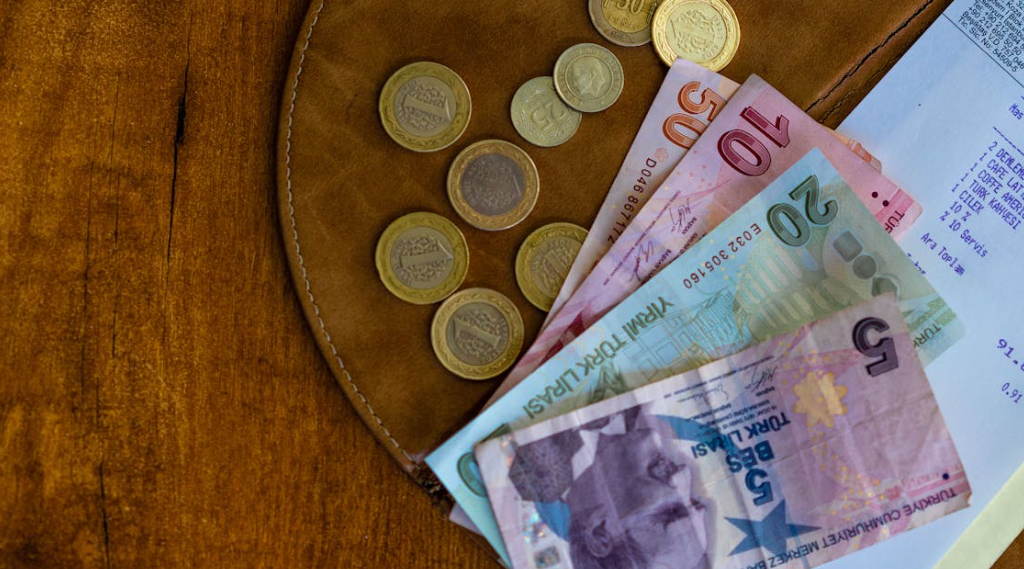
What are the Transfer Limits of Apple Pay in Different Countries?
The transaction limits of Apple Pay vary by country and region, and the specific limits are usually set by merchants or card issuers. In some countries or regions, you may need to enter a PIN code, sign the receipt, or use other verification methods according to the requirements of the merchant or card issuer. Card issuers and merchants may set transaction limits or PIN code requirements. For specific details, please contact the card issuer or merchant.
To ensure the smooth progress of transactions, it is recommended to understand the local transaction limits before using Apple Pay and confirm the relevant information with the card issuer or merchant.
These limits may be adjusted with changes in financial regulatory policies. In addition, banks or credit card companies may also set additional limits on Apple Pay transactions. Therefore, before making large transactions, it is recommended that users contact their bank or Apple customer service to confirm their actual transfer limits.
How to Apply for an Increase in the Transfer Limit of Apple Pay?
If the default limit of Apple Pay does not meet your needs, you can try to apply for an increase in the transfer limit. However, Apple does not guarantee that your request will be approved. The application process usually includes the following steps:
- Contact Apple customer service and explain the reasons why you need to increase the transfer limit, such as business needs, family remittances, etc.
- Submit relevant documents. Apple may require you to provide identity information, financial status, or business certificates to assess your credit risk.
- Wait for review. Apple will evaluate your application, which usually takes a few days to a few weeks.
Even if Apple approves your application, Apple will still regularly monitor the user’s transaction activities. If suspicious transactions are found, the increased limit may be adjusted or revoked.
How Do Bank Account Limits Affect Apple Pay Transactions?
Apple Pay transactions are not only restricted by Apple’s policies but also affected by the transaction limits of bank accounts. The user’s daily transaction limit may determine the maximum amount that can be transferred through Apple Pay.
- Bank transfer limits: Some banks have limits on the daily transfer amount, which may be lower than the maximum amount allowed by Apple Pay.
- Credit card/debit card limits: If your credit card limit is low, Apple Pay transactions may be restricted.
- Transaction frequency: Some banks will limit the number of transactions per day or per week. Even if the amount allowed by Apple Pay is high, it may still be subject to the bank’s rules.
If you hope to increase the flexibility of transfers, you can bind multiple bank accounts or credit cards to Apple Pay, so that you can switch between different accounts and reduce the impact of limits.
Does Apple Pay Support International Remittances?
Apple Pay does support international remittances and cooperates with remittance companies such as Western Union and MoneyGram, allowing users to make cross-border transfers directly from their iPhone or iPad. This service has the following advantages:
- Fast fund arrival: Remittances are usually completed within a few minutes to a few hours.
- High security: Encryption technology is used to ensure the security and reliability of the transaction process.
- Global availability: It supports multiple currencies and covers many countries and regions.
When using Apple Pay for international remittances, it is recommended to understand the remittance regulations of the destination country in advance to ensure the smooth progress of the transaction.
Are There Any Additional Fees for Transferring Money Using Apple Pay?
Although Apple Pay provides a convenient payment method, additional fees may be involved during the use process, mainly including:
- International remittance fees: Apple Pay remittances usually charge an exchange rate conversion fee of about 3% of the total transfer amount.
- Credit card handling fees: If you pay with a credit card, a transaction fee of 2%-3% may be incurred, while payments with a debit card or bank account usually do not incur additional fees.
- Third-party platform fees: If you transfer money using Apple Pay through third-party platforms such as PayPal and Western Union, these service providers may charge additional handling fees.
If you want to reduce transfer fees, it is recommended to give priority to paying with a bank account and avoid using a credit card for large transfers to reduce unnecessary costs.
Conclusion: Does the Limit of Apple Pay Affect Daily Payments and Remittances?
Apple Pay provides a flexible, safe, and convenient payment experience, but users still need to understand the transfer limits of their country/region, bank account restrictions, and possible transaction fees. If the current limits do not meet the needs, you can try to contact Apple to apply for an increase in the limit, or bind multiple payment methods to increase flexibility.
For users who need no limit, support for most countries and regions around the world, and the most efficient local remittance method, BiyaPay can also be considered. BiyaPay provides a faster and safer international payment method. It can not only bypass the high handling fees of traditional SWIFT transactions but also ensure that remittances arrive in real time, helping individuals and businesses to conduct cross-border transfers more efficiently.
*This article is provided for general information purposes and does not constitute legal, tax or other professional advice from BiyaPay or its subsidiaries and its affiliates, and it is not intended as a substitute for obtaining advice from a financial advisor or any other professional.
We make no representations, warranties or warranties, express or implied, as to the accuracy, completeness or timeliness of the contents of this publication.
Related Blogs of

US-China Trade War Enters New Phase: How the Tech Industry Can Respond to Supply Chain Impacts


Must-Read for Investing in US Stocks in 2025: 5 Technical Indicator Tips for Analyzing Real-Time Quotes


In-Depth Analysis of US GDP: Comprehensive Insights from Consumption to Investment


US Stock Index Futures Trading Secrets: Master the Four Major Indices to Unlock Wealth Opportunities

Choose Country or Region to Read Local Blog
 Australia
 Austria
 Belgium
 Canada
 Cyprus
 Czech Republic
 Denmark
 Estonia
 Finland
 France
 Germany
 Greece
 Hong Kong
 India
India Indonesia
 Ireland
 Italy
Italy Japan
Japan Latvia
 Lithuania
 Luxembourg
 Malaysia
 Malta
Malta Morocco
 Nepal
Nepal Netherlands
 New Zealand
 Norway
 Pakistan
 Philippines
 Poland
 Portugal
 Romania
 Singapore
 Slovakia
 Slovenia
 South Africa
 South Korea
 Spain
Spain Sweden
 Thailand
 The United States
 Turkey
 United Arab Emirates
 United Kingdom
 Vietnam
Contact Us




BIYA GLOBAL LLC is a licensed entity registered with the U.S. Securities and Exchange Commission (SEC No.: 802-127417); a certified member of the Financial Industry Regulatory Authority (FINRA) (Central Registration Depository CRD No.: 325027); regulated by the Financial Industry Regulatory Authority (FINRA) and the U.S. Securities and Exchange Commission (SEC).
BIYA GLOBAL LLC is registered with the Financial Crimes Enforcement Network (FinCEN), an agency under the U.S. Department of the Treasury, as a Money Services Business (MSB), with registration number 31000218637349, and regulated by the Financial Crimes Enforcement Network (FinCEN).
BIYA GLOBAL LIMITED is a registered Financial Service Provider (FSP) in New Zealand, with registration number FSP1007221, and is also a registered member of the Financial Services Complaints Limited (FSCL), an independent dispute resolution scheme in New Zealand.