How to Remit Money with a Prepaid Card? Understand the Methods, Fees, and Limits of Prepaid Card Transfers





Image Source: pexels
Yes, you can use some prepaid cards for prepaid card remittances. This is a payment method that does not require linking to a bank account and is relatively secure, as the card is usually protected by a zero liability policy. It provides an ideal solution for people who cannot use traditional banking services, making it increasingly popular worldwide.
Did you know? In 2023, about 5.9% of households used prepaid cards, with a higher proportion among unbanked households. The key to success lies in the type of prepaid card you hold (such as a bank-issued reloadable card) and the chosen remittance channel.
Key Points
- Not all prepaid cards support remittances; only bank-issued prepaid debit cards that require identity verification support this function.
- There are three main methods for prepaid card remittances: card-to-card transfers, through online payment platforms, and using third-party remittance services.
- Before remitting, be sure to understand the issuing institution fees, third-party service fees, and currency conversion fees to calculate the total cost.
- Prepaid card remittances have amount limits and geographic restrictions; you need to confirm these regulations in advance.
- Before remitting, please confirm the card type, compare total fees, and understand all restrictions.
Main Methods for Prepaid Card Remittances
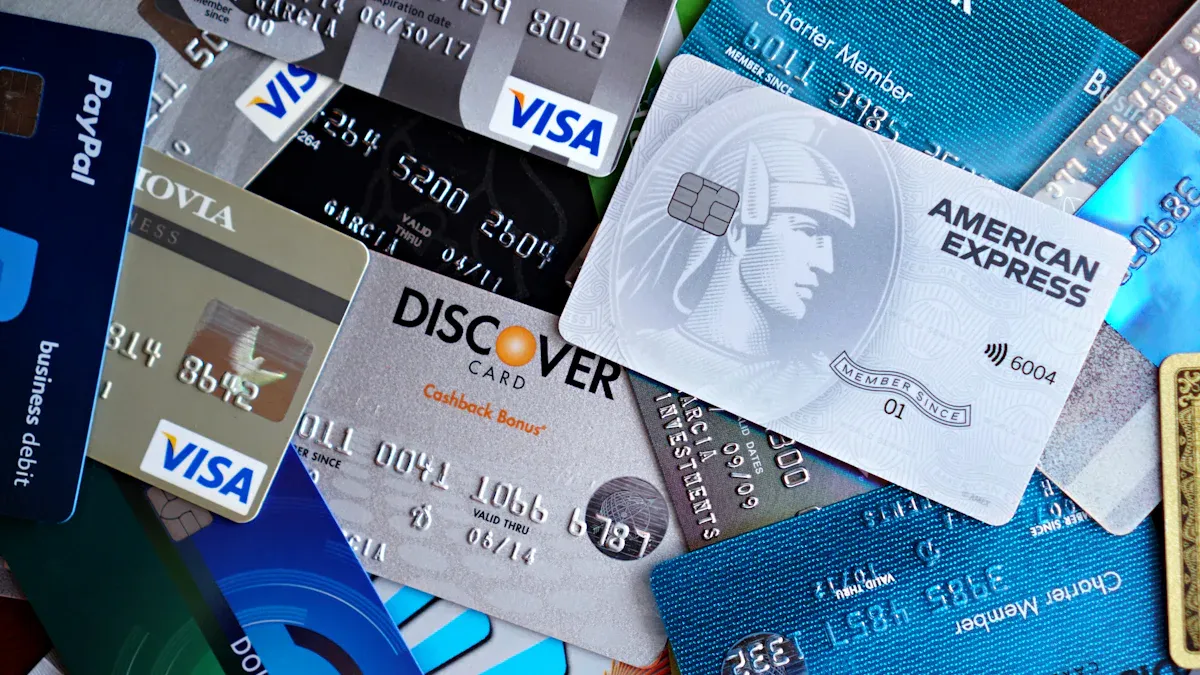
Image Source: pexels
Once you confirm that your prepaid card supports the transfer function, the next step is to choose the appropriate remittance channel. Different methods vary in operation process, speed, and cost. You can choose from the following three main methods based on your specific needs.
Card-to-Card Direct Transfer
This is probably the most direct method for prepaid card remittances. It allows you to send funds directly from your prepaid card to another prepaid card. This method is usually very fast, with funds arriving almost instantly.
However, this transfer method has one major limitation: it is usually only applicable between cards issued by the same institution or of the same brand. For example, a Netspend prepaid card user can easily transfer to another Netspend user.
A typical example: Visa Direct Visa Direct is a service that allows fast fund transfers. If your prepaid card supports this feature, you can remit to eligible Visa cardholders worldwide. This service usually has a limit, such as a maximum remittance of $2,500 per 24 hours.
Through Online Payment Platforms
Linking a prepaid card to online payment platforms such as PayPal, Venmo, or Cash App is another very popular remittance method. You can use the prepaid card as a funding source and then transfer to others through these platforms.
Taking PayPal as an example, the operation steps are very simple. You can follow the process below to add a prepaid card to your account:
- Log in to your PayPal account.
- Go to the “Wallet” page.
- Click “Link a Debit or Credit Card”.
- Accurately enter the prepaid card’s card number, expiration date, and security code (CVV).
- Click “Link Card” to complete the operation.
Note: Not all prepaid cards can be successfully linked. Some store-specific gift cards or cards with regional restrictions may not be added to the PayPal wallet. If linking fails, the card may still be used directly on websites that support PayPal payments, but cannot be used for transferring to others.
In addition to PayPal, you have other options. Many mainstream digital wallets support adding prepaid cards:
- Apple Pay: You can easily add a prepaid card through the Wallet app for online or offline payments.
- Google Pay: Similarly allows you to select “Add payment method” in the app to link your prepaid card.
- Chime and Netspend: These fintech apps work seamlessly with prepaid cards, providing convenient reloading and transfer services.
Using Third-Party Remittance Services
If you need to make international remittances, using professional third-party remittance services such as Western Union or MoneyGram is an ideal choice. These companies have a vast global service network, allowing you to use a prepaid card to remit to recipients in other countries/regions, who can choose to collect cash at an agent location or receive it in a bank account.
The main advantages of this method are its wide coverage and flexibility. However, you need to pay special attention to its fee structure.
Taking Western Union as an example, although it may waive card purchase fees, transaction fees, etc., during specific promotional periods, fees still exist under normal circumstances. More importantly, these services usually profit through currency exchange. This means the exchange rate they provide may not be as favorable as the market mid-rate.
When choosing a service, you should carefully compare the total cost, not just the surface handling fee.
| Feature | Advantage | Note |
|---|---|---|
| Coverage | Global network, supports remittances to multiple countries | Some remote areas may lack service outlets |
| Receiving Method | Flexible, can choose cash pickup or bank transfer | Cash pickup may require the recipient to go to a designated location |
| Fee Structure | Complex fee structure, including service fees and exchange rate spreads | Be sure to confirm the total fee and final received amount before remitting |
In summary, choosing which prepaid card remittance method depends on your specific needs: whether it’s a quick domestic transfer or a complex international remittance.
Remittance Fee Structure
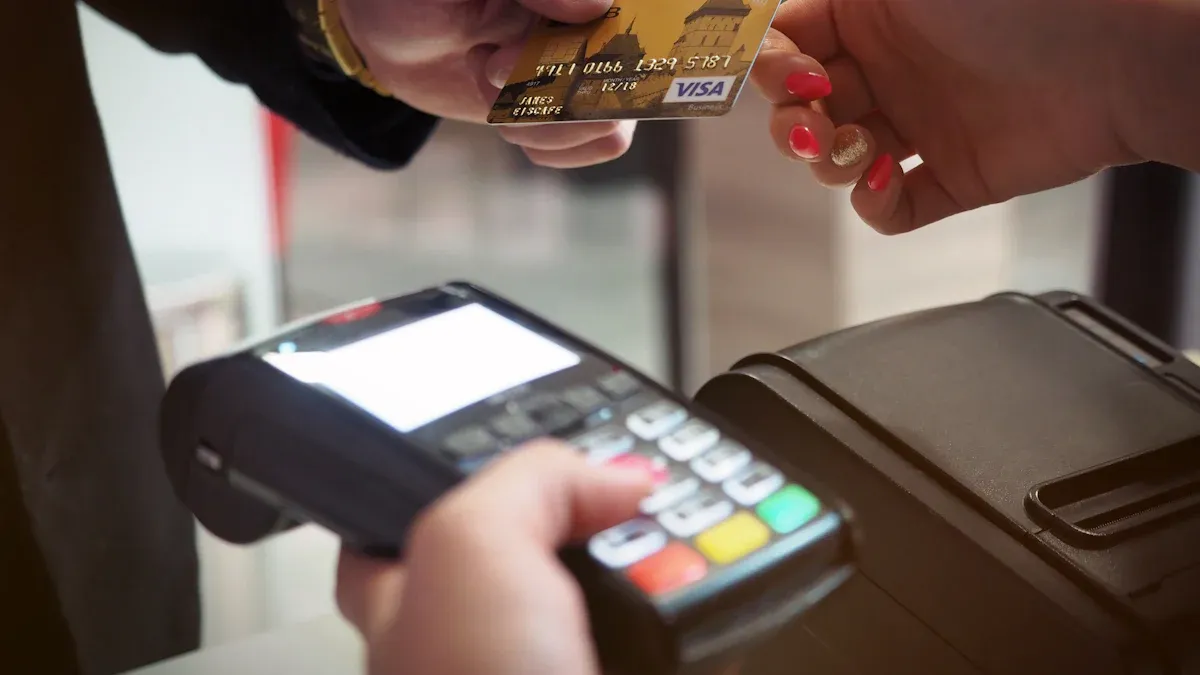
Image Source: pexels
Although using a prepaid card for remittances is convenient, you must understand the related fees to accurately calculate the total cost. These fees usually come from three aspects: the card issuing institution, third-party service platforms, and the currency exchange process. Ignoring any one may result in paying more than expected.
Issuing Institution Fees
Your prepaid card issuing institution may charge fees for specific operations. Before remitting, it’s best to review the card’s user agreement to understand these potential costs.
Tip: Many bank-issued prepaid cards (such as ICBC Canada prepaid cards) provide a clear fee schedule when you purchase the card. Be sure to read it carefully and keep the document safe.
Main fees include:
- Transfer Fee: The fee incurred when transferring from your card to another card. The fee level depends on the method you choose.
Transfer Method Fee Account-to-account transfer via website $0 Account-to-account transfer via customer service agent $4.95 - Monthly Fee: Some reloadable prepaid cards charge a monthly fee to maintain account activity. However, some cards waive this fee if certain conditions are met (such as setting up direct deposit).
Card Name Monthly Fee GO2bank Visa® Debit Card No monthly fee if direct deposit condition is met Green Dot EveryDay Visa® Debit Card No monthly fee if direct deposit condition is met, otherwise $7.95 per month - Inactivity Fee: If your card is unused for a long time, some issuing institutions may charge this fee.
Third-Party Service Fees
When you remit through third-party platforms such as PayPal or Western Union, these platforms charge a service fee. This fee is their compensation for processing your transaction. Service fees come in various forms, possibly a fixed amount or a percentage of the remittance total. Before finalizing the remittance, the platform usually displays a total fee breakdown including the handling fee.
Currency Conversion Fees
If you are making an international remittance, currency conversion fees are an important cost you must consider. This fee is usually hidden in the exchange rate. The exchange rate provided by remittance service providers is often lower than the real-time market mid-rate, and this spread is their profit source and the hidden fee you need to bear. Therefore, when comparing different services, you should not only focus on their claimed “low handling fees” but calculate the final received amount to assess the true remittance cost.
Key Restrictions and Notes
Although prepaid cards offer great convenience, you must understand the rules behind them before remitting. Ignoring these key restrictions and notes may lead to transaction failure or unexpected issues. Understanding these rules can help you complete every transfer smoothly.
Card Type Restrictions
The most important point is: Not all prepaid cards support remittance functions. Whether you can successfully transfer depends entirely on the type of card you hold.
Core Point Usually, only prepaid debit cards issued by banks, reloadable, and requiring you to provide personal information for identity verification (KYC, Know Your Customer) during application support remittances. In contrast, anonymous cards and one-time gift cards purchased at supermarkets or convenience stores mostly do not support this function.
According to regulatory requirements, such as the Hong Kong Monetary Authority (HKMA) guidelines, when the stored value of a prepaid card (Stored Value Facility, SVF) reaches a certain threshold (such as web-based SVF exceeding HKD 8,000), the issuing institution must identify the user. Such registered cards are considered to have established a formal customer relationship with the bank, so their functions are closer to traditional debit cards.
The following table clearly shows the core differences between these two types of cards:
| Feature | Prepaid Debit Card | Gift Card |
|---|---|---|
| Identity Verification/Registration | Usually requires identity verification and registration | Usually does not require identity verification |
| Reloadability | Usually reloadable | Usually non-reloadable, one-time use |
| ATM Withdrawal | Usually supported | Usually not supported |
| Direct Deposit | Usually supported (e.g., salary, government benefits) | Not supported |
| Fraud Protection | Usually provided after registration | Limited or no protection |
Even for bank-issued prepaid cards, you need to carefully read their terms. For example, the prepaid Mastercard issued by MainStreet Bank clearly states that the card is only for merchant purchases and cannot be used for ATM withdrawals or fund transfers.
Transaction Amount Limits
To prevent financial risks and comply with anti-money laundering regulations, all prepaid card service providers set caps on transaction amounts. These limits are usually divided into three dimensions: per transaction, daily, and monthly.
Your card service provider is obligated to provide detailed limit information on its website or upon your request. Before making a large transfer, be sure to review this information.
A typical prepaid card single transaction limit may look like this:
| Limit Type | Amount (USD) |
|---|---|
| ATM Withdrawal Limit | $1,000 |
| Point of Sale (POS) Transaction | $2,500 |
| Bank/Teller Over-the-Counter Withdrawal | $6,000 |
| ACH Transfer to Bank Account | $6,000 |
In addition to single transaction limits, daily and monthly total limits are also crucial. Different tiers of cards may have vastly different limits. For example, different tiers of cards provided by a service provider have varying daily and monthly reload and transfer limits.
Important Tip: Remember, your card balance must be sufficient to cover the remittance principal and all related fees. If the balance is insufficient, the transaction will be rejected.
Geographic and Recipient Restrictions
Finally, you need to pay attention to geographic and recipient restrictions. Using a prepaid card for remittances is not universally available worldwide.
Due to international sanctions, anti-terrorism financing policies, and the issuing institution’s own risk control strategies, remittances to certain countries or regions are strictly restricted. Especially when using a US-issued prepaid card, you may find that transfers to the following countries and regions are not possible:
| Country/Region | Country/Region | Country/Region |
|---|---|---|
| Afghanistan | Ethiopia | Russia |
| Balkans | Iran | Somalia |
| Belarus | Iraq | South Sudan |
| Myanmar | Lebanon | Sudan and Darfur |
| Central African Republic | Libya | Syria |
| Mainland China | Mali | Ukraine |
| Cuba | Nicaragua | Venezuela |
| Democratic Republic of the Congo | North Korea | Yemen |
Before initiating an international prepaid card remittance, be sure to confirm with the issuing institution or third-party remittance platform’s customer service whether your target recipient country/region is on the supported list.
In summary, prepaid card remittance is a viable option. It is particularly suitable for users who need to control spending, prioritize security, or do not have a bank account for small transfers.
Action Recommendation 💡 Before remitting, you must complete the following three checks:
- Confirm Card Type: Check if your card supports transfer functions.
- Compare Total Fees: Carefully calculate the full costs of different channels.
- Understand All Restrictions: Be clear about amount caps and regional regulations.
Finally, remember that for large or regular remittances, traditional bank transfers or professional online remittance tools may still be more cost-effective and efficient choices.
FAQ
Can all prepaid cards be used for remittances?
No. You need to confirm your card type. Usually, only bank-issued, reloadable prepaid debit cards that require identity verification support remittances. Most one-time store gift cards do not have this function.
Is it safe to remit with a prepaid card?
Yes, relatively safe. Many prepaid cards offer a zero liability protection policy, meaning you are not responsible for unauthorized transactions if your card is misused. This provides an extra layer of security.
What should I do if my remittance fails?
If your remittance fails, please check the following steps:
- Confirm that the card balance is sufficient to cover the principal and all fees.
- Check if the recipient information you entered is accurate.
- Contact your issuing institution to confirm if the card supports this type of transaction.
Can I use a gift card for remittances?
Usually not. Gift cards are mainly for purchases at designated merchants and generally do not support P2P transfers, ATM withdrawals, or international remittances. You need to use a prepaid debit card that supports remittance functions.
Through this comprehensive breakdown of prepaid card remittance methods, we’ve highlighted Visa Direct’s instant transfers and Paysend’s zero-fee options, effectively countering PayPal’s 5% rate gaps and Western Union’s $3.99 fixed fees—ideal for unbanked users’ small family supports or international payments. Yet, for demands broadening to global multi-currency swaps, digital asset conversions, or higher volumes, a fuller, low-fee platform delivers seamless elevation, bypassing prepaid cards’ $2,500 daily caps and KYC delays. BiyaPay, the premier professional payment solution, enables instant swaps between over 30 fiat currencies and 200+ cryptocurrencies, with real-time exchange rate queries securing optimal mid-market rates, free of hidden surcharges.
Simply register quickly to access remittance fees as low as 0.5%, spanning most countries worldwide with same-day arrivals. This outpaces Netspend’s $4.95 transfer fees and Revolut’s 0.5% membership costs, powered by end-to-end encryption, multi-factor authentication, and live tracking for worry-free security. Whether tackling MainStreet cards’ merchant-only limits or large transactions, BiyaPay’s worldwide web maximizes your fund value and eases multi-platform navigation.
Simplify your remittances now! Visit the real-time exchange rate query to track live exchange rates and launch your free account. Choose BiyaPay and embrace a secure, straightforward prepaid card remittance era where every transfer is efficient and dependable.
*This article is provided for general information purposes and does not constitute legal, tax or other professional advice from BiyaPay or its subsidiaries and its affiliates, and it is not intended as a substitute for obtaining advice from a financial advisor or any other professional.
We make no representations, warranties or warranties, express or implied, as to the accuracy, completeness or timeliness of the contents of this publication.
Related Blogs of

Run Local Large Models or Call APIs? 2026 AI Development Cost and Payment Method Comparison


How to Write Remittance Notes to Avoid Bank Risk Control Interception? 2026 Cross-Border Remittance Compliance Guide & Sensitive Words Avoidance
YouTube Video Monetization: How Overseas Creators Convert Received USD Ad Revenue to Chinese Living Expenses the Fastest Way?


Capital Preparation in Early Stages of Cross-Border M&A: How Enterprises Safely Transfer Millions in USD Deposits to Overseas Trust Escrow Accounts?
Choose Country or Region to Read Local Blog
 Australia
 Austria
 Belgium
 Canada
 Cyprus
 Czech Republic
 Denmark
 Estonia
 Finland
 France
 Germany
 Greece
 Hong Kong
 India
India Indonesia
 Ireland
 Italy
Italy Japan
Japan Latvia
 Lithuania
 Luxembourg
 Malaysia
 Malta
Malta Morocco
 Nepal
Nepal Netherlands
 New Zealand
 Norway
 Pakistan
 Philippines
 Poland
 Portugal
 Romania
 Singapore
 Slovakia
 Slovenia
 South Africa
 South Korea
 Spain
Spain Sweden
 Thailand
 The United States
 Turkey
 United Arab Emirates
 United Kingdom
 Vietnam
Contact Us




BIYA GLOBAL LLC is registered with the Financial Crimes Enforcement Network (FinCEN), an agency under the U.S. Department of the Treasury, as a Money Services Business (MSB), with registration number 31000218637349, and regulated by the Financial Crimes Enforcement Network (FinCEN).
BIYA GLOBAL LIMITED is a registered Financial Service Provider (FSP) in New Zealand, with registration number FSP1007221, and is also a registered member of the Financial Services Complaints Limited (FSCL), an independent dispute resolution scheme in New Zealand.