Complete Guide to Alipay Recharge Overseas: Credit Cards and Third-Party Platforms Explained



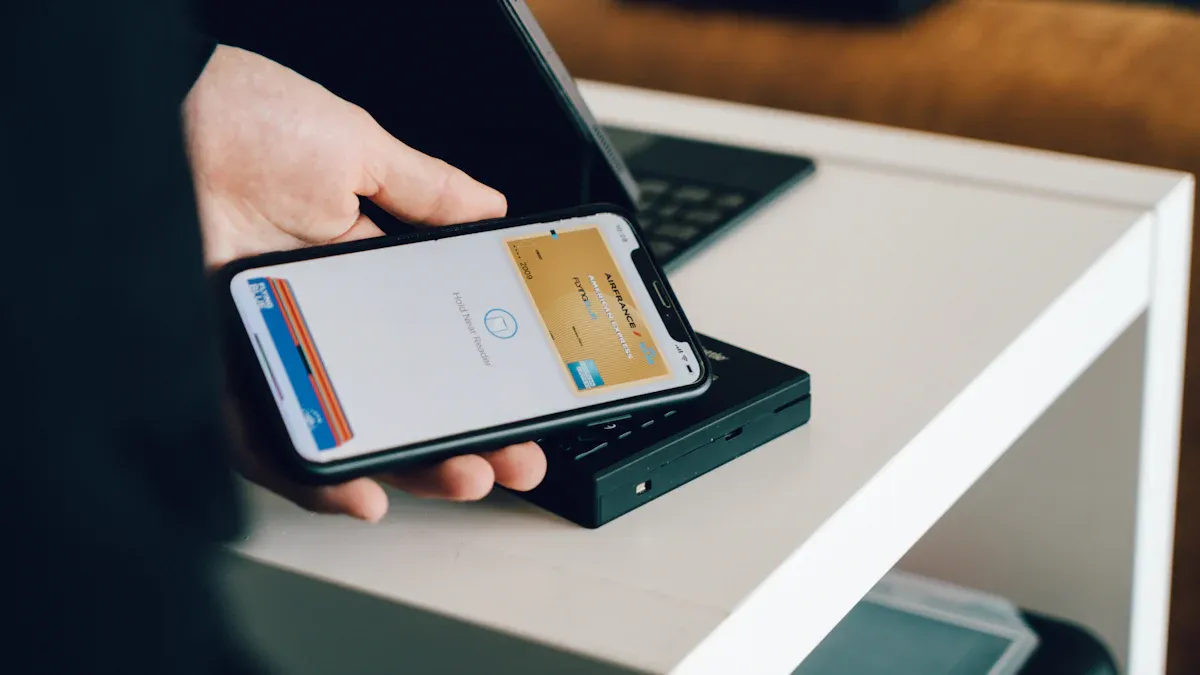
Image Source: unsplash
When you’re overseas, you may encounter situations where you need to recharge your Alipay account. Generally, there are three mainstream options: directly binding an overseas credit card for payments, recharging through third-party platforms, or asking friends or family in mainland China for help.
This article serves as a practical Alipay recharge tutorial guide. We will conduct an in-depth comparison and analysis of the two main methods—credit cards and third-party platforms—to help you clearly understand their respective advantages and disadvantages, enabling you to find the most suitable recharge path for you.
Key Points
- Overseas users have three ways to recharge Alipay: binding an overseas credit card, using third-party platforms, or asking friends/family in China for assistance.
- Directly binding an overseas credit card is convenient and fast, suitable for small-amount spending, but it does not support transfers or red packets.
- Third-party platforms are suitable for large-amount recharges and transfers, but you should choose platforms with good reputation and transparent fees.
- Asking friends/family in China for help is the most direct and has no handling fees, but be aware of overseas large-amount fund declaration regulations.
- When choosing a recharge method, consider your needs and prioritize fund security.
Method 1: Directly Binding an Overseas Credit Card

Image Source: unsplash
For many overseas users, directly binding their overseas credit card to their Alipay account is the quickest way to enable payment functions. This method allows you to pay without pre-recharging, with deductions made directly from your credit card during transactions. Next, we will detail the specific operations and precautions for this approach.
Applicable Scenarios and Supported Card Types
If you’re traveling short-term in mainland China, on a business trip, or just occasionally need to make online purchases, directly binding a credit card is very convenient. It eliminates the hassle of figuring out how to recharge.
Before binding, confirm whether your bank card is supported. Currently, Alipay supports binding major international card organizations, including:
- Visa
- Mastercard
- UnionPay
- Diners Club
It’s worth noting that Alipay has partnered with American Express, and it is expected to be fully integrated into the payment system in the future. However, at this stage, you may not yet be able to directly bind an American Express card for payments.
Directly Binding for Consumption Payments
After successfully binding an overseas credit card, this does not mean your Alipay “balance” has funds. In fact, it acts more like a payment authorization. When you scan a merchant’s QR code to pay, Alipay will directly deduct the corresponding amount from your bound overseas credit card.
Supported Consumption Scenarios This method covers most everyday spending scenarios. For example, Mastercard holders can make cashless payments at tens of millions of merchants in mainland China that accept Alipay. Specifically, you can use it for:
- Shopping at malls, supermarkets, restaurants, and other physical stores
- Taking taxis or ride-hailing services
- Using public transportation in some cities
- Booking flights and hotels
Important Note: Functional Limitations
Directly binding an overseas credit card is primarily for consumption. You cannot use it for personal transfers, sending red packets, or purchasing wealth management or insurance products.
Transaction Limits To ensure fund security, Alipay has set clear limits for payments using overseas credit cards. You need to understand these restrictions to avoid payment failures.
- Single Transaction Limit: RMB 3,000
- Monthly Cumulative Limit: RMB 50,000
- Annual Cumulative Limit: RMB 60,000
Recharging via Tour Pass for Consumption
In addition to direct binding for payments, Alipay offers a workaround called “Tour Pass” (now upgraded to TourPass). You can think of it as a “prepaid card” within the Alipay app. You need to first recharge this virtual card using your overseas credit card, then use its balance for consumption.
Recharge Limits and Validity Period The Tour Pass limits are relatively flexible but still capped.
- Recharge Limit: The maximum recharge for a single Tour Pass is RMB 10,000.
- Validity Period: The card is valid for 180 days. After expiration, any remaining funds will be automatically refunded to your overseas credit card, and you can open a new one anytime.
Handling Fees The main cost of using Tour Pass is the service fee. Each time you recharge the Tour Pass, Alipay charges a 5% service fee. For example, if you recharge RMB 100, you actually receive RMB 95, with the additional RMB 5 being the service fee.
Pros, Cons, and Fee Analysis
Directly binding a credit card and using Tour Pass each have advantages, suitable for different users and needs. Understanding their differences can help you make a better choice.
According to Alipay’s official rules, when using an overseas credit card for direct consumption, transactions of RMB 200 or less are free of handling fees, while amounts exceeding that are charged 3%. Tour Pass, on the other hand, charges a fixed 5% fee on each recharge.
To make the comparison clearer, we’ve organized the following table:
| Item | Direct Binding for Consumption | Tour Pass |
|---|---|---|
| Convenience | Very high; pay immediately after binding, no pre-recharge needed. | High, but requires completing the recharge step first. |
| Handling Fees | Free for transactions ≤ RMB 200; 3% on excess. | 5% service fee on each recharge. |
| Usage Scope | Limited to merchant consumption; no transfers or red packets. | More comprehensive; supports transfers and red packets. |
| Fund Flexibility | Deducted only at time of consumption; no pre-deposit required. | Requires pre-recharge; funds locked in the card. |
| Suitable Users | Short-term tourists, small-amount spenders. | Users needing transfers or planned spending. |
In summary, if you prioritize ultimate convenience and mainly make small payments, directly binding a credit card is the best choice. If you need transfer functions or want better budget control, consider using Tour Pass.
Alipay Recharge Tutorial: Third-Party Platforms Explained
Image Source: pexels
When you find that directly binding an overseas credit card cannot meet your needs—such as transferring money to friends, sending red packets, or exceeding the roughly $400 single-transaction limit—third-party recharge platforms become your best alternative. These platforms act as intermediaries, allowing you to recharge your Alipay “balance” using overseas payment methods.
Suitable Users and Selection Criteria
If you’re a long-term overseas worker or student of Chinese descent, or need large payments or transfers, third-party platforms are more suitable than directly binding a credit card. However, platforms vary in quality, so making a wise choice is crucial.
When selecting a platform, you need to investigate the following key criteria like a detective to maximize the protection of your funds.
- Platform Credentials and User Reputation: First, confirm whether the platform has legitimate business registration. You can also search for real user reviews on social media like Weibo or Zhihu, and choose platforms with high positive ratings and prompt complaint handling. A reliable platform will never ask for your Alipay password.
- Fee Transparency and Exchange Rates: Handling fees are the main cost of using third-party platforms. A legitimate platform will clearly list all fees with no hidden charges. Additionally, pay close attention to exchange rates. Different platforms may have varying rates, with some offering rates closer to real-time interbank rates.
| Institution Type | Exchange Rate Characteristics |
|---|---|
| Traditional Banks | Rates usually include higher markups to cover operational costs. |
| Online Recharge Platforms | More competitive rates, but may charge a percentage-based service fee. |
- Supported Payment Methods: Confirm whether the platform supports your preferred payment methods. Mainstream platforms typically support various overseas channels, such as:
- PayPal
- Visa/Mastercard debit or credit cards
- Local payments in specific countries/regions, such as BANCOMAT, Okto, etc.
- Customer Service Response and Processing Efficiency: A professional platform should offer 24/7 support. You can test response speed and professionalism by contacting customer service before recharging. Also, check the platform’s average recharge arrival time—most reliable platforms process within 30 minutes.
General Operation Process Guide
Although different platforms (such as Biyapay or Kavip) have varying interface designs, the core operation process is similar. Mastering this general Alipay recharge tutorial process will allow you to get started easily.
Step 1: Choose a Platform and Register an Account Visit the official website of your selected third-party platform or download its app. Register using your email or phone number, and set a payment password as required.
Step 2: Fill in Recharge Information On the recharge page, accurately enter your Alipay account (usually your phone number or email) and the verified real-name on Alipay. Then, input the desired recharge amount.
Step 3: Select Payment Method and Complete Payment The platform will display a list of supported overseas payment methods. Choose one that’s convenient for you, such as PayPal or your overseas credit card. The page will redirect to the corresponding payment gateway—follow the prompts to complete the payment.
Step 4: Wait for Processing and Confirm Arrival After successful payment, the platform will automatically process your order. You can check the status in your order history. Typically, funds arrive in your Alipay account within a few minutes to half an hour. Log in to the Alipay app to check your balance.
Operation Tip: Before any Alipay recharge tutorial operation, it’s recommended to test with a small-amount recharge to ensure the process is smooth and funds arrive safely.
Pros, Cons, and Security Risks
Choosing a third-party platform as your Alipay recharge tutorial solution has significant advantages but also comes with unavoidable risks.
Advantages
- More Comprehensive Functions: After successful recharge, your Alipay balance can be used in all scenarios, including personal transfers, red packets, bill payments, etc., no longer limited to merchant consumption.
- Higher Limits: Compared to the roughly $400 single-transaction limit with credit cards, third-party platforms usually support larger single recharges, better for users with high-amount needs.
- Flexible Payment Methods: You can use PayPal and other overseas channels that Alipay itself does not directly support.
Disadvantages and Costs
- Handling Fees: This is the primary cost. Rates vary by platform and payment method, typically 3% to 8%. For example, credit card payments may have higher fees than bank transfers.
- Exchange Rate Spread: Some platforms add a spread to the real-time exchange rate for profit. Thus, the final USD amount you pay may be slightly higher than calculated at real-time rates.
- Arrival Delay: Unlike the instant nature of credit card payments, third-party recharges usually take a few minutes to tens of minutes.
Security Risks The biggest risk comes from choosing unreliable platforms. Beware of sites that lure with “ultra-low rates” or “zero fees”—they may be phishing sites aiming to steal your information or funds. Traditional remittance institutions like Western Union (with official Alipay partnership), though potentially less competitive on fees, offer extremely high security.
In summary, selecting a platform with a long operational history, good user reviews, and transparent pricing is key to safely completing recharges.
Other Auxiliary Recharge Methods
In addition to binding credit cards and using third-party platforms, there are some more traditional methods to recharge Alipay. These are less digital but very effective in specific situations.
Assistance from Friends/Family in China
If you have trustworthy family or friends in mainland China, asking them for help is undoubtedly the most direct and safest way. The process is simple: you transfer foreign currency (e.g., USD) to them, and they transfer the equivalent RMB to your Alipay via their account. This method has no handling fees and provides real-time exchange rates.
Important Legal Note
When receiving large amounts from friends/family in mainland China while overseas, be aware of U.S. tax and financial regulations. This doesn’t necessarily mean paying taxes, but fulfilling reporting obligations.
- Large Gift Reporting: If you receive overseas gifts totaling over $100,000 in a year, you must file Form 3520 with the IRS.
- Bank Transaction Reporting: Banks automatically report single transactions over $10,000 to the government. Do not split large amounts into smaller transfers to avoid reporting—this can lead to hefty fines.
- Foreign Bank and Financial Accounts Report (FBAR): If you have a bank account in mainland China with a total balance exceeding $10,000 at any point in the year, you must file an annual FBAR.
Offline Physical Stores and Currency Exchange Services
In some Chinese community commercial areas, you may find physical shops offering RMB exchange services, such as mobile phone stores or grocery stores. You can exchange local currency cash (e.g., USD) directly in-store, and the shop owner will transfer the corresponding RMB to your Alipay account on the spot.
This method seems convenient but carries extremely high risks, as most are unofficial and unregulated. Before using such services, clearly understand the following risks:
- Untraceable Transactions: These usually lack receipts or proofs. If funds don’t arrive or amounts are incorrect, recovery is difficult.
- Lack of Legal Protection: Since unauthorized, disputes cannot be resolved legally.
- Risk of Fund Loss: Possibility of the owner misappropriating funds or transfer errors, leading to complete loss.
- Hidden Fees and Rate Traps: Shop rates are often poor, with undisclosed hidden fees, resulting in much less than expected.
- Potential Legal Issues: You cannot verify the legitimacy of the counterparty’s funds. Using unregulated channels may inadvertently involve you in complex legal problems.
We hope this Alipay recharge tutorial helps clarify your options. Now you understand the three methods: binding credit cards, using third-party platforms, and seeking help from friends/family in China. You can make the wisest choice based on your specific needs.
Selection Recommendations
- Short-term tourists or small-amount spending: Directly binding an overseas credit card is most convenient.
- Students or large transfer needs: Reputable third-party platforms offer more complete functions.
- Occasional emergencies: Assistance from friends/family in China is the most direct and lowest-cost.
No matter which method you choose, always prioritize fund security and personal information protection.
Common Questions
Why can’t I transfer money using my bound overseas credit card?
Your bound overseas credit card is mainly for consumption payments. Alipay restricts this function for fund security. Therefore, you cannot use it for personal transfers or red packets. For transfers, consider recharging your balance via a third-party platform.
Is recharging via third-party platforms safe?
Safety depends on the platform you choose. Reliable platforms typically have a long history and good user reviews.
Choose platforms with transparent fees and prompt customer service. Beware of sites claiming “zero fees” or unrealistic rates to avoid risks.
What are the handling fees for payments with an overseas credit card?
When single transactions are below approximately $30, Alipay charges no fees. If exceeding this amount, the excess is charged 3%.
My payment failed—what should I do?
Payment failures can have multiple causes. First, check if you’ve exceeded the single-transaction limit of approximately $430. Also, confirm your credit card has sufficient balance and that your issuing bank hasn’t declined the cross-border transaction.
*This article is provided for general information purposes and does not constitute legal, tax or other professional advice from BiyaPay or its subsidiaries and its affiliates, and it is not intended as a substitute for obtaining advice from a financial advisor or any other professional.
We make no representations, warranties or warranties, express or implied, as to the accuracy, completeness or timeliness of the contents of this publication.
Related Blogs of

Comprehensive US Tax Filing Guide: Master Federal and State Tax Declaration Tips Easily

Comprehensive Guide to Zelle Transfers: Why It Cannot Be Used for International Remittances


Italy Visa-Free Policy Explained: Which Chinese Passport Holders Are Exempt


Ultimate Guide to Applying for UK Standard Visitor Visa in the USA
Choose Country or Region to Read Local Blog
 Australia
 Austria
 Belgium
 Canada
 Cyprus
 Czech Republic
 Denmark
 Estonia
 Finland
 France
 Germany
 Greece
 Hong Kong
 India
India Indonesia
 Ireland
 Italy
Italy Japan
Japan Latvia
 Lithuania
 Luxembourg
 Malaysia
 Malta
Malta Morocco
 Nepal
Nepal Netherlands
 New Zealand
 Norway
 Pakistan
 Philippines
 Poland
 Portugal
 Romania
 Singapore
 Slovakia
 Slovenia
 South Africa
 South Korea
 Spain
Spain Sweden
 Thailand
 The United States
 Turkey
 United Arab Emirates
 United Kingdom
 Vietnam
Contact Us




BIYA GLOBAL LLC is a licensed entity registered with the U.S. Securities and Exchange Commission (SEC No.: 802-127417); a certified member of the Financial Industry Regulatory Authority (FINRA) (Central Registration Depository CRD No.: 325027); regulated by the Financial Industry Regulatory Authority (FINRA) and the U.S. Securities and Exchange Commission (SEC).
BIYA GLOBAL LLC is registered with the Financial Crimes Enforcement Network (FinCEN), an agency under the U.S. Department of the Treasury, as a Money Services Business (MSB), with registration number 31000218637349, and regulated by the Financial Crimes Enforcement Network (FinCEN).
BIYA GLOBAL LIMITED is a registered Financial Service Provider (FSP) in New Zealand, with registration number FSP1007221, and is also a registered member of the Financial Services Complaints Limited (FSCL), an independent dispute resolution scheme in New Zealand.