Bookmark for Reference: 2025 US Stock Market Holiday Calendar and Early Closure Dates




Image Source: pexels
2025US Stock** Holidays and Early Closures Overview**
- Holiday Dates: January 1, January 9, January 20, February 17, April 18, May 26, June 19, July 4, September 1, November 27, December 25
- Early Closure Dates: July 3, November 28, December 24
Mastering this calendar is crucial for US stock investors. It can help investors plan trading strategies in advance. Investors can also better manage funds. This avoids inconveniences caused by holiday closures. It is recommended to bookmark this article as a reference for the entire year of 2025, ensuring your trading plans stay synchronized with US stock market trading hours.
Key Highlights
- In 2025, the US stock market has 11 full-day holidays and 3 early closure days; investors need to know these dates in advance.
- Understanding US stock market holidays and early closures can help investors better plan trades and avoid missing important trading days.
- US stock market opening and closing times correspond to different Beijing times during daylight saving time and standard time; international investors need to note time changes.
2025 US Stock Market Holiday Dates
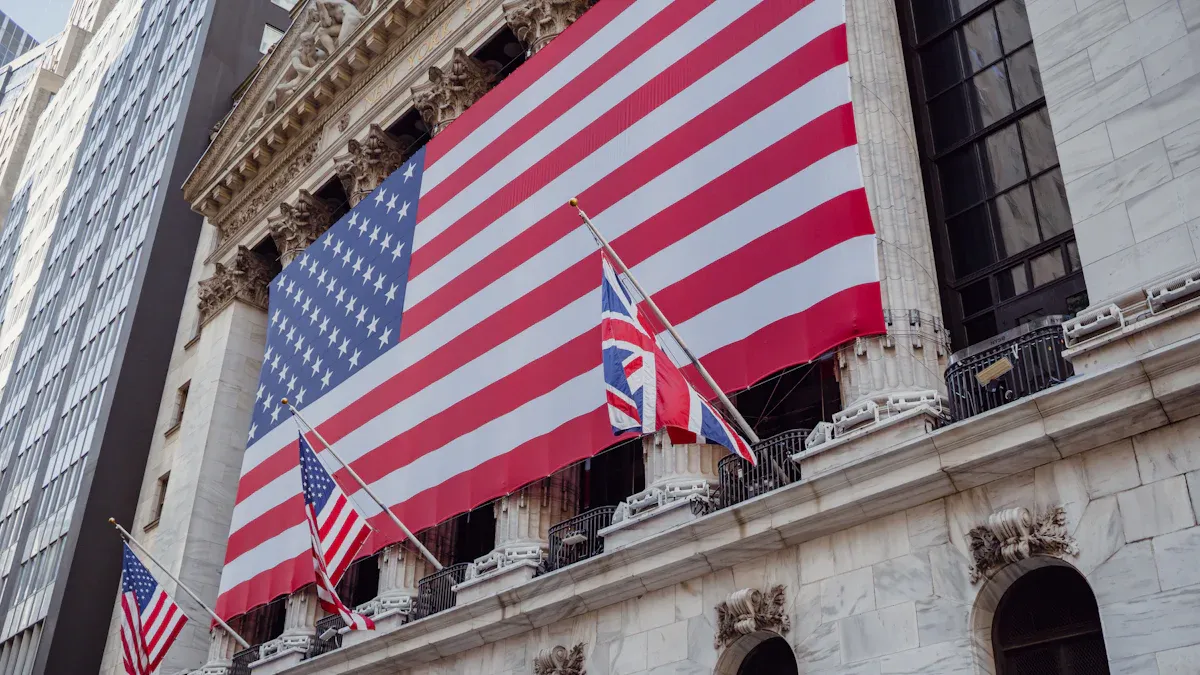
Image Source: pexels
To help investors plan better, we have compiled a complete holiday schedule for the 2025 US stock market. Knowing these dates not only avoids trading interruptions but also allows you to optimize fund deployment and investment strategies around market holidays.
At a Glance: 2025 US Stock Market Holiday Dates Table
The following table clearly lists all 11 holiday dates for 2025; it is recommended to screenshot and save or add to your calendar.
| Date | Day of Week | Holiday/Event Name |
|---|---|---|
| January 1, 2025 | Wednesday | New Year’s Day |
| January 9, 2025 | Thursday | Day of Mourning (Jimmy Carter Mourning Day) |
| January 20, 2025 | Monday | Martin Luther King Jr. Day |
| February 17, 2025 | Monday | Washington’s Birthday |
| April 18, 2025 | Friday | Good Friday |
| May 26, 2025 | Monday | Memorial Day |
| June 19, 2025 | Thursday | Juneteenth |
| July 4, 2025 | Friday | Independence Day |
| September 1, 2025 | Monday | Labor Day |
| November 27, 2025 | Thursday | Thanksgiving Day |
| December 25, 2025 | Thursday | Christmas Day |
Next, we will introduce the story and significance behind each holiday date one by one.
January 1: New Year’s Day
New Year’s Day is the globally recognized first day of the new year. It holds profound cultural significance in the US, symbolizing new beginnings and optimism. In 1870, the US Congress officially established New Year’s Day as a federal holiday. This is one of the earliest four federal holidays established in the US, reflecting its important position in national culture. Therefore, the US stock market closes on this day.
January 9: Day of Mourning
January 9, 2025, is a special holiday closure day. The US stock market will close to mourn the passing of former President Jimmy Carter. The Nasdaq exchange president has publicly stated that the market will close on the national day of mourning to commemorate President Carter’s life and contributions. Holding a national day of mourning and closing financial markets for a former president’s passing is a long-standing tradition in the US.
- This tradition began in 1865 when the New York Stock Exchange closed for several days after President Abraham Lincoln’s assassination.
- More recently, the market closed in 2018 to mourn former President George H.W. Bush.
January 20: Martin Luther King Jr. Day
This holiday is established to commemorate US civil rights movement leader Dr. Martin Luther King Jr. After his assassination in 1968, the movement to establish a commemorative day began. After years of effort, President Ronald Reagan signed the bill in 1983, officially establishing this federal holiday. It was not until 2000 that all US states finally recognized this holiday. This day aims to encourage people to reflect on the history of the civil rights struggle and the significance of racial equality.
February 17: Washington’s Birthday
This holiday is commonly known as “Presidents’ Day,” but its official name is actually “Washington’s Birthday.” Institutions like the New York Stock Exchange strictly follow the federal law’s naming. The original intent of this holiday was to commemorate the first US President George Washington. The 1968 Monday Holiday Law fixed its celebration date on the third Monday of February each year, creating a long weekend for people.
April 18: Good Friday
Good Friday is a very unique holiday closure day for the US stock market. It is the only one among the nine annual market holidays that is not a federal statutory holiday. The exact reason for market closure on this day is unknown, but it is generally believed to be related to religious traditions. As this is an important Christian holiday, many traders and investors take time off to participate in commemorative activities, leading to usually lower market trading volume.
May 26: Memorial Day
Memorial Day is the day the US commemorates military personnel who died in service. This tradition originated after the Civil War, initially called “Decoration Day,” when people decorated soldiers’ graves with flowers. In 1971, Congress officially designated it as a federal holiday and fixed the date on the last Monday of May each year. On this day, the US stock market closes to show respect and remembrance for fallen soldiers.
June 19: Juneteenth
Juneteenth is the newest federal holiday in the US. On June 17, 2021, President Joe Biden signed the bill, officially designating this day as a national holiday. It aims to commemorate June 19, 1865, when Union troops in Galveston, Texas, announced the emancipation of the last group of enslaved African Americans in the state. As a federal holiday, the US stock market closes on this day.
July 4: Independence Day
Independence Day is the US national day. It commemorates the formal adoption of the Declaration of Independence on July 4, 1776, marking the birth of the United States of America. This is a day full of patriotic enthusiasm, with fireworks, parades, and other celebrations across the country. The US stock market closes on this day to celebrate the nation’s birthday.
September 1: Labor Day
Labor Day is set on the first Monday of September each year. It aims to honor the tremendous contributions American workers have made to national development and social prosperity. This holiday originated from the labor movement in the late 19th century and was officially designated as a federal holiday in 1894. Labor Day not only affects regular US stock market trading hours but also marks the unofficial end of summer.
November 27: Thanksgiving Day
Thanksgiving is an important national holiday in the US. Its tradition originates from early colonists’ harvest celebrations. In 1863, President Abraham Lincoln declared Thanksgiving a national holiday. This is a day for family reunions and sharing feasts. To allow financial practitioners to participate in this important cultural activity, the US stock market closes on Thanksgiving Day.
December 25: Christmas Day
Christmas is one of the most important cultural and religious holidays in the US and a federal statutory holiday. As early as the early 20th century, the New York Stock Exchange began closing on Christmas to align with social and cultural traditions. Today, Christmas closure has become a fixed arrangement, allowing people to peacefully spend the holiday with family.
2025 US Stock Market Early Closure Dates
In addition to full-day closures, investors must also pay attention to several special early closure days. On these days, stock market trading hours are shortened. This usually occurs the day before or after important holidays to facilitate market participants starting holidays early or handling post-holiday affairs.
Key Reminder: Early Closure Time
On all early closure days, the US stock market (including NYSE and Nasdaq) closes at 1:00 PM Eastern Time. Investors need to pay special attention to adjust their trading plans for the day.
For the convenience of global investors, the following table details the 2025 US stock market early closure dates and corresponding Beijing times.
| Date | Day of Week | Holiday/Event | Early Closure Time (Eastern Time) | Corresponding Beijing Time |
|---|---|---|---|---|
| July 3, 2025 | Thursday | Day Before Independence Day | 1:00 PM | July 4, 1:00 AM |
| November 28, 2025 | Friday | Day After Thanksgiving (Black Friday) | 1:00 PM | November 29, 2:00 AM |
| December 24, 2025 | Wednesday | Christmas Eve | 1:00 PM | December 25, 2:00 AM |
July 3: Day Before Independence Day
Independence Day in 2025 (July 4) is a Friday. Therefore, the stock market closes early the previous day (July 3, Thursday). This arrangement has become a market convention. It allows traders, brokers, and investors to finish work early to prepare for the next day’s national celebrations or start a pleasant long weekend.
November 28: Day After Thanksgiving
The Friday after Thanksgiving is known in the US as “Black Friday.” This day marks the official start of the US holiday shopping season, with retail very busy, but financial market trading activity usually relatively light.
- Many market participants choose to take leave to spend a long Thanksgiving weekend with family.
- To align with this social rhythm, US stock market trading hours are shortened on this day.
- According to official regulations, stocks market closes at 1:00 PM Eastern Time, while bond market trading continues until 2:00 PM.
This half-day trading day provides the market with an opportunity for smooth transition in a low-volume environment.
December 24: Christmas Eve
Christmas Eve is a day full of family warmth in the US. Although it is not a federal statutory holiday, its cultural importance is extremely high. People usually gather with family on this evening to prepare for Christmas. To respect this cultural tradition, both the New York Stock Exchange and Nasdaq close early at 1:00 PM on Christmas Eve.
It is worth noting that although regular trading ends at 1:00 PM, some specific cross-session orders may continue execution until 1:30 PM. This provides convenience for institutional investors needing closing price trades.
Regular US Stock Market Trading Hours Arrangement
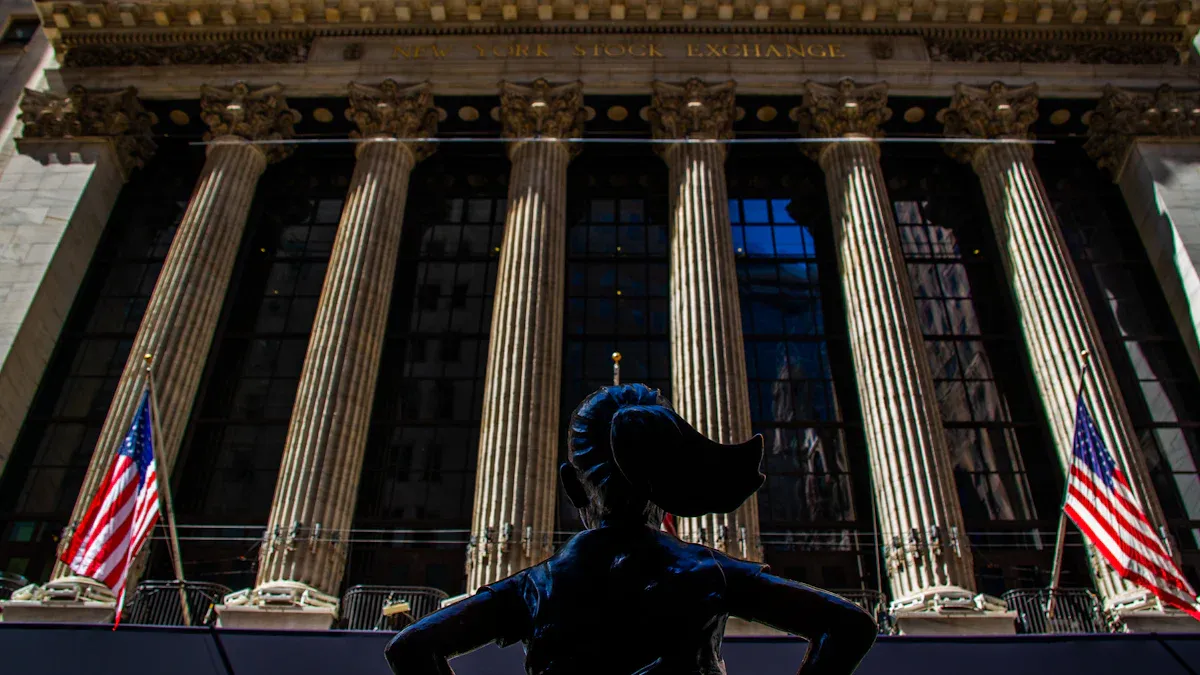
Image Source: unsplash
In addition to holiday closures, understanding regular US stock market trading hours is equally important. This helps investors arrange daily trading activities and effectively utilize pre-market and after-hours sessions.
Regular Trading Sessions
The two major US exchanges—the New York Stock Exchange (NYSE) and Nasdaq—have unified regular trading sessions.
Core Trading Hours
Official standard trading hours are Monday to Friday, Eastern Time (ET)9:30 AM to 4:00 PM.
However, trading activities are not limited to this. Investors can also trade during pre-market and after-hours sessions, providing additional flexibility.
- Pre-Market Trading: Usually starts at Eastern Time 4:00 AM and lasts until 9:30 AM opening.
- After-Hours Trading: Starts after Eastern Time 4:00 PM closing and lasts until 8:00 PM.
Daylight Saving Time and Standard Time Transitions
For international investors, US daylight saving time (DST) transitions are a must-watch focus, as they directly affect US stock market trading hours corresponding to local time. The US has followed the schedule of the 2005 Energy Policy Act since 2007.
2025 Daylight Saving Time Key Dates:
- Start Time: March 9, 2025, clocks move forward one hour.
- End Time: November 2, 2025, clocks move back one hour.
Since China does not observe daylight saving time, this means that during different periods, US stock opening and closing correspond to different Beijing times.
| Session | Daylight Saving Time (March 9 - November 2) | Standard Time (After November 2) |
|---|---|---|
| US Stock Opening (Beijing Time) | 9:30 PM | 10:30 PM |
| US Stock Closing (Beijing Time) | 4:00 AM Next Day | 5:00 AM Next Day |
Time zone changes pose requirements for fund management. International investors need to ensure sufficient USD funds in their broker accounts before trading sessions start. For investors needing cross-border remittances and currency exchange, platforms like Biyapay can help efficiently complete fund transfers, ensuring no missed trading opportunities.
Familiarizing yourself with 2025 US stock market holidays and early closures is crucial for optimizing investment arrangements. In addition to statutory holidays, the market may also temporarily close due to major unexpected events, as history has proven multiple times. Therefore, investors should always pay attention to official market updates.
Friendly Reminder
It is recommended to bookmark this article and share it with friends as a trading reference for the entire year of 2025, ensuring your investment plans are foolproof.
FAQ
Does the US stock market open on weekends?
The US stock market closes on Saturdays and Sundays. Regular trading only occurs Monday to Friday, excluding holidays. Investors need to arrange trading activities accordingly.
What if a holiday falls on a weekend?
If a holiday falls on Saturday, the stock market usually closes the previous Friday. If the holiday falls on Sunday, it closes the following Monday, forming a long weekend.
Is the bond market holiday schedule the same as stocks?
Not entirely the same. The bond market usually has more holiday closures than stocks. For example, Columbus Day and Veterans Day, the bond market closes while stocks trade normally.
*This article is provided for general information purposes and does not constitute legal, tax or other professional advice from BiyaPay or its subsidiaries and its affiliates, and it is not intended as a substitute for obtaining advice from a financial advisor or any other professional.
We make no representations, warranties or warranties, express or implied, as to the accuracy, completeness or timeliness of the contents of this publication.
Related Blogs of

SSE Composite Index vs. CSI 300 Index: Which Better Represents the Pulse of the Chinese Stock Market?


Opportunities and Challenges Coexist for Asian Stock Markets Under Fed Rate Cut Expectations


Beginner Guide to US Stock Exchanges: Easily Master Account Opening and Trading Essentials


Master Real-Time Quotes: Roundup of Forex Apps Favored by Professional Traders in 2025

Choose Country or Region to Read Local Blog
 Australia
 Austria
 Belgium
 Canada
 Cyprus
 Czech Republic
 Denmark
 Estonia
 Finland
 France
 Germany
 Greece
 Hong Kong
 India
India Indonesia
 Ireland
 Italy
Italy Japan
Japan Latvia
 Lithuania
 Luxembourg
 Malaysia
 Malta
Malta Morocco
 Nepal
Nepal Netherlands
 New Zealand
 Norway
 Pakistan
 Philippines
 Poland
 Portugal
 Romania
 Singapore
 Slovakia
 Slovenia
 South Africa
 South Korea
 Spain
Spain Sweden
 Thailand
 The United States
 Turkey
 United Arab Emirates
 United Kingdom
 Vietnam
Contact Us




BIYA GLOBAL LLC is a licensed entity registered with the U.S. Securities and Exchange Commission (SEC No.: 802-127417); a certified member of the Financial Industry Regulatory Authority (FINRA) (Central Registration Depository CRD No.: 325027); regulated by the Financial Industry Regulatory Authority (FINRA) and the U.S. Securities and Exchange Commission (SEC).
BIYA GLOBAL LLC is registered with the Financial Crimes Enforcement Network (FinCEN), an agency under the U.S. Department of the Treasury, as a Money Services Business (MSB), with registration number 31000218637349, and regulated by the Financial Crimes Enforcement Network (FinCEN).
BIYA GLOBAL LIMITED is a registered Financial Service Provider (FSP) in New Zealand, with registration number FSP1007221, and is also a registered member of the Financial Services Complaints Limited (FSCL), an independent dispute resolution scheme in New Zealand.