2025 Bank of China Cash to Remittance Fees Explained: Comparison with Other Banks




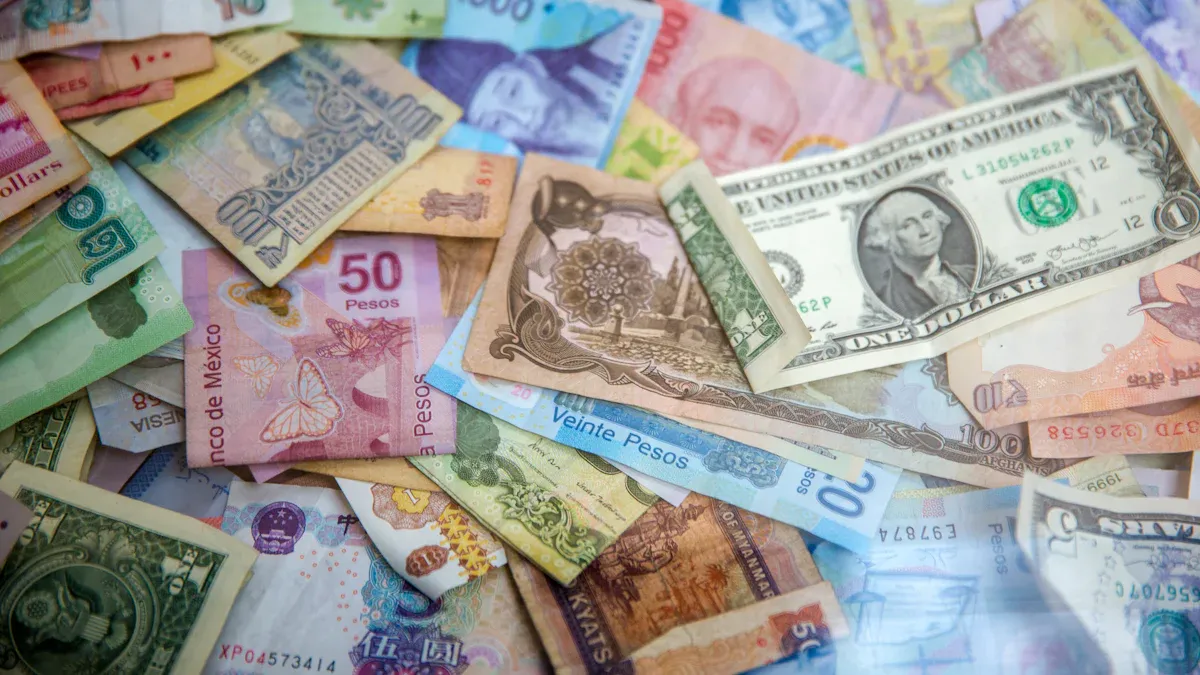
Image Source: unsplash
Since late 2024, significant changes have occurred in personal foreign exchange services at mainland Chinese banks. Several major banks, such as Agricultural Bank of China and Industrial and Commercial Bank of China, have implemented the “cash-remittance parity” policy. This policy waives the “cash to remittance” spread fee for individual customers. Against this new trend, has Bank of China followed suit with its cash to remittance service? What is the real cost of depositing foreign currency cash into a bank?
Key Takeaways
- Bank of China has not yet implemented the “cash-remittance parity” policy; handling cash to remittance transactions incurs a spread fee of 0.1% to 1%.
- To handle Bank of China cash to remittance, customers must visit a bank counter with valid ID; amounts over $5,000 USD require additional proof.
- ICBC and CCB have implemented “cash-remittance parity,” but total costs still include wire transfer fees and cable charges.
- Digital payment platforms like Biyapay offer fully online services with faster remittances and potentially lower fees, ideal for efficiency-focused users.
- When choosing a bank, consider your needs (cost, efficiency, or large transactions) comprehensively and confirm the latest policies in advance.
Detailed Explanation of Bank of China Cash to Remittance Service
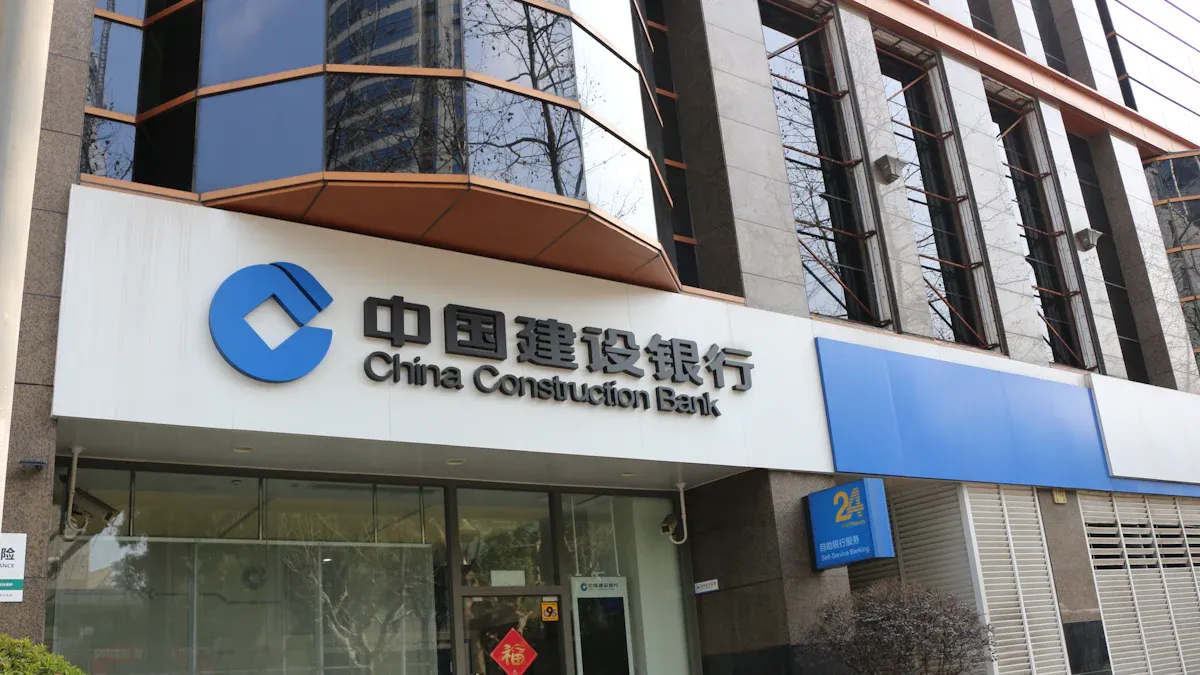
Image Source: unsplash
This article provides an in-depth analysis of the details of Bank of China’s cash to remittance service. With some banks already achieving “cash-remittance parity,” understanding Bank of China’s specific policy is particularly important.
2025 Fee Policy and Cost Breakdown
As of early 2025, Bank of China has not fully implemented the “cash-remittance parity” policy for personal business. This means that when customers deposit foreign currency cash and convert it to remittance, the bank still charges a certain spread fee. This fee is essentially the difference between the bank’s cash buying rate and selling rate (or remittance rate), typically floating between 0.1% and 1% of the transaction amount, depending on the currency and the bank’s posted rates that day.
Cost Calculation Example Suppose a customer needs to convert $10,000 USD cash to remittance. If the bank charges a spread fee of 0.8%, the cost borne by the customer is: $10,000 USD * 0.8% = $80 USD. Therefore, the actual remittance amount credited to the customer’s account will be reduced by approximately $80 due to the spread loss.
When estimating the “spread + fees” total, it helps to normalize everything to the same rate reference first. For example, you can use BiyaPay’s free FX rate converter & comparison tool to check real-time ranges, then translate the bank’s spread and wire/cable fees into a single comparable cost .
If your end goal is cross-border transfer, it’s also worth weighing speed, all-online handling, and the all-in fee together. For an online-first path, you can review BiyaPay remittance and check eligibility and compliance notes via the registration page; BiyaPay’s MSB status in the U.S. and FSP registration in New Zealand can be referenced as part of your risk-control checklist.
Transaction Process and Required Documents
To handle Bank of China cash to remittance, customers must visit a bank branch counter in person. The process is clear and straightforward but requires complete documentation.
1. Prepare Required Documents Before transacting, customers should prepare valid identity proof based on their status:
- Mainland Chinese Citizens: Personal ID card or household register (for those under 16).
- Hong Kong and Macao Residents: Mainland Travel Permit.
- Taiwan Residents: Mainland Travel Permit.
- Foreign Citizens: Passport.
2. Counter Transaction Steps
- The customer brings foreign currency cash and valid ID to any Bank of China branch.
- Inform the teller of the need to deposit cash or convert to remittance.
- If the cumulative deposit amount that day is less than or equal to $5,000 USD, it can be handled directly.
- If the cumulative deposit amount that day exceeds $5,000 USD, the customer must provide, in addition to ID, a customs-stamped People’s Republic of China Customs Baggage Declaration Form or the original foreign currency cash withdrawal slip from the depositing bank.
Supported Channels and Processing Time
Currently, this service is primarily handled through bank counters. Although Bank of China has foreign currency ATMs, their main function is to withdraw foreign currency cash directly from forex accounts or instantly convert and withdraw from HKD accounts; they do not support depositing cash and converting to remittance.
In terms of processing time, after cash deposit, funds are usually reflected in the account balance quickly. Referring to common processing times for overseas incoming remittances, foreign currency clearing and crediting generally takes three to seven business days. For users with urgent remittance needs, this processing time should be factored in.
Comparison of Cash to Remittance Costs and Services Among the Big Four Banks

Image Source: unsplash
As some banks enter the “cash-remittance parity” era, customer selection criteria have changed. The single spread cost is no longer the only consideration; wire transfer fees, processing efficiency, and service experience together form the key decision factors. This section provides a horizontal comparison of several major mainland Chinese banks and emerging financial services.
Core Cost Comparison: Cash-Remittance Parity and Wire Fees
Core costs mainly include two parts: potential spread loss during “cash to remittance” and fees/cable charges for subsequent cross-border wire transfers.
The table below clearly shows the differences in core costs across institutions. Note that all fees are in USD, and some are estimates based on market averages.
| Institution | Cash-Remittance Parity Implemented? | International Wire Fee (Estimate) | Cable Fee (Estimate) | Online Convenience |
|---|---|---|---|---|
| Bank of China | No | 0.1% of amount (min $7, max $70) | ~$20 per transaction | Average |
| ICBC | Yes | 0.1% of amount (min $7, max $70) | ~$20 per transaction | High |
| CCB | Yes | 0.1% of amount (min $3, max $45) | ~$15 per transaction | High |
| China Merchants Bank | No | 0.1% of amount (min $15, max $150) | ~$20 per transaction | Very High |
| Biyapay | Not applicable (digital currency channel) | Usually below 0.1% or small fixed fee | $0 | Extremely High |
From the table, ICBC and CCB have advantages in waiving spreads, with no initial loss when depositing cash. However, for cross-border remittances, China Merchants Bank, despite spreads, leads in online experience; while CCB has a relatively lower wire fee cap.
Emerging Option: Digital Payment Platforms Platforms like Biyapay offer a completely different path from traditional banks. They bypass the “cash to remittance” concept, using digital currency as a medium, typically providing more competitive remittance rates and zero cable fees, especially suitable for users comfortable with digital operations.
Convenience: Online Channels vs. Branch Coverage
Convenience is another important dimension affecting user experience, mainly reflected in the balance between online functions and physical branches.
- Advantages and Limitations of Traditional Banks Bank of China, ICBC, and CCB have extensive physical branch networks. For customers needing in-person consultation or handling large transactions, this is a reliable guarantee. However, specific services like Bank of China cash to remittance still heavily rely on counters, and online channels cannot fully replace them. Although mobile apps are increasingly powerful, first-time or complex document transactions still require branch visits.
- Full Online Digital Platforms Fintech companies like Biyapay excel in complete online operations. Users complete all steps—from account opening, funding, to remittance—via mobile app, unrestricted by bank hours. This mode eliminates travel and waiting time, providing great convenience for efficiency-focused users.
Customer Service and Arrival Speed Evaluation
When handling cross-border funds, timely support and predictable arrival times are crucial.
- Bank Customer Service: The Big Four all provide phone banking and counter services. Service quality is stable, suitable for routine issues. However, during non-business hours or emergencies, effective support may require waiting.
- Arrival Speed Comparison:
- Traditional Bank Wire: Standard wires via the SWIFT network typically take 3 to 7 business days to reach the recipient bank, such as to a Hong Kong account. The process involves multiple intermediaries, with speed uncertainty.
- Digital Platform Remittance: Platforms like Biyapay use modern payment networks or digital currency clearing, significantly shortening times. Some major currencies arrive in 24 hours or faster, offering better options for time-sensitive transfers.
Selection Tip If your funds are urgently needed, traditional bank wire times may not meet requirements. In such cases, researching and considering faster digital payment platforms could be a more efficient solution.
Best Bank Selection Strategy Under New Policies
Facing the new landscape of bank forex services, customers can formulate optimal strategies based on core needs—cost, efficiency, or special transactions.
Pursuing Ultimate Low Cost
For customers prioritizing cost control, the best choices are banks that have implemented “cash-remittance parity.”
- Top Choices: ICBC and CCB currently waive “cash to remittance” spreads, with no initial exchange loss when depositing foreign currency cash. This makes them ideal for small to medium cash conversions.
- Cost Structure: With these banks, customers only need to focus on subsequent wire fees and cable charges.
Comparison Reminder If customers choose banks without widespread “cash-remittance parity,” such as handling Bank of China cash to remittance, total costs include both spread loss and wire fees, resulting in relatively higher overall expenses.
Prioritizing Efficiency and Online Experience
For users valuing high efficiency and convenience, online service capabilities become key.
- Online Leaders: China Merchants Bank, ICBC, etc., offer fully featured mobile banking apps, with most remittance operations completable online, greatly enhancing convenience.
- Digital Platforms: Fintech platforms represented by Biyapay provide 24/7 online services, eliminating branch visits, especially suitable for users familiar with digital operations and requiring fast arrivals.
Large Amounts and Special Currencies Considerations
When handling large amounts or rare currencies, consider bank policy limits and service depth.
- Quota Limits: According to mainland China forex regulations, individuals have an annual settlement and purchase quota of equivalent to $50,000 USD. Transactions exceeding this typically require additional proof and may need special bank channels.
- Currency Support: Supported currencies vary by bank. ICBC supports a wide range, including Thai Baht, South African Rand, etc. CCB focuses mainly on major currencies like USD, EUR, JPY.
- VIP Services: For high-net-worth large transactions, many banks offer exclusive wealth management services. These typically include better rates, fee waivers, and one-on-one professional support, effectively handling complex cross-border arrangements.
As “cash-remittance parity” becomes an industry trend, the focus of customer decisions for forex services has shifted. The single “cash to remittance” spread is no longer the only criterion; wire fees, service convenience, and arrival timeliness together form new considerations.
For small, non-urgent funds, prioritize banks with “cash-remittance parity.” For urgent remittances, focus more on processing efficiency and total fees.
Decision Tip: Before any transaction, always confirm the latest fees and policies through official bank channels to ensure accuracy.
FAQ
Has Bank of China implemented “cash-remittance parity”?
As of early 2025, Bank of China has not fully implemented “cash-remittance parity” for personal business. When depositing foreign currency cash, the bank still charges a spread fee based on the day’s posted rates.
Are banks with “cash-remittance parity” always lower in total cost?
Not necessarily. Although “cash-remittance parity” waives initial spread loss, customers still pay subsequent wire fees and cable charges. Total cost requires comprehensive comparison, especially when remittance fees vary significantly.
How to deposit cash exceeding $5,000 USD?
According to mainland China forex regulations, depositing over equivalent $5,000 USD cash in a single day requires providing customs declaration forms or original bank withdrawal slips proving legitimate sources at the counter.
Can all forex transactions be handled online?
Not all transactions support online handling. For example, Bank of China cash to remittance currently requires in-person counter visits. Regular cross-border remittances are mostly supported via mobile banking apps at many banks.
*This article is provided for general information purposes and does not constitute legal, tax or other professional advice from BiyaPay or its subsidiaries and its affiliates, and it is not intended as a substitute for obtaining advice from a financial advisor or any other professional.
We make no representations, warranties or warranties, express or implied, as to the accuracy, completeness or timeliness of the contents of this publication.
Related Blogs of

Pay for Perplexity Pro Subscription with USDT: Bypass Regional Payment Restrictions

OpenAI Card Frequently Declined (Card Declined)? Virtual Card Tested Solutions

YouTube Video Monetization: How Overseas Creators Convert Received USD Ad Revenue to Chinese Living Expenses the Fastest Way?


Virtual Card Binding to AWS/GCP for AI Agent Deployment Frequently Flagged by Risk Control? Compliance Card Opening Guide to Avoid Pitfalls

Choose Country or Region to Read Local Blog
 Australia
 Austria
 Belgium
 Canada
 Cyprus
 Czech Republic
 Denmark
 Estonia
 Finland
 France
 Germany
 Greece
 Hong Kong
 India
India Indonesia
 Ireland
 Italy
Italy Japan
Japan Latvia
 Lithuania
 Luxembourg
 Malaysia
 Malta
Malta Morocco
 Nepal
Nepal Netherlands
 New Zealand
 Norway
 Pakistan
 Philippines
 Poland
 Portugal
 Romania
 Singapore
 Slovakia
 Slovenia
 South Africa
 South Korea
 Spain
Spain Sweden
 Thailand
 The United States
 Turkey
 United Arab Emirates
 United Kingdom
 Vietnam
Contact Us




BIYA GLOBAL LLC is registered with the Financial Crimes Enforcement Network (FinCEN), an agency under the U.S. Department of the Treasury, as a Money Services Business (MSB), with registration number 31000218637349, and regulated by the Financial Crimes Enforcement Network (FinCEN).
BIYA GLOBAL LIMITED is a registered Financial Service Provider (FSP) in New Zealand, with registration number FSP1007221, and is also a registered member of the Financial Services Complaints Limited (FSCL), an independent dispute resolution scheme in New Zealand.