2025 Global Stock Market Trading Hours Guide: Master US, European, and Asian Market Opening and Closing Times




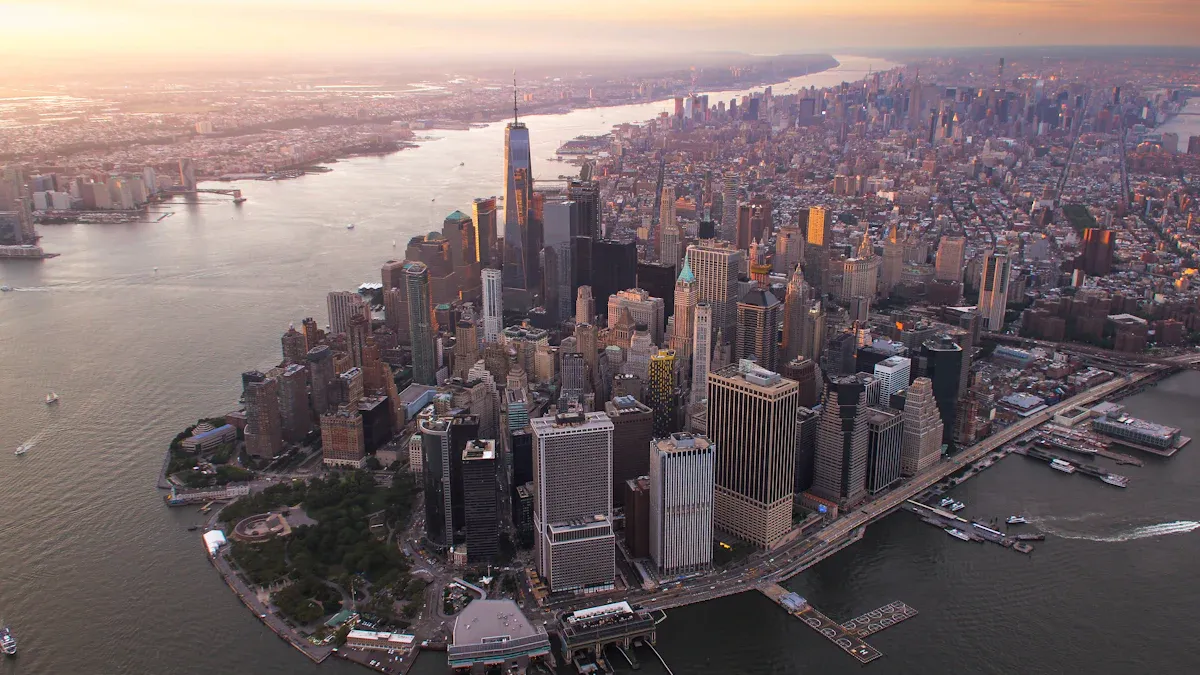
Image Source: unsplash
The global stock markets form a 24-hour continuous trading relay. Investors often need to clarify the specific operating hours of each market, such as what time US stocks open. With such a vast market landscape, mastering accurate timing information is crucial.
According to Statista’s forecast link, the total market capitalization of global stock markets in 2025 will reach an astonishing figure:
Year Global Market Capitalization (million USD) 2025 136,287,177
This guide aims to serve as a practical tool for investors to reference anytime, helping everyone clearly grasp the global trading rhythm.
When planning across multiple markets, it helps to bundle “session hours” with “ticker checks and all-in funding cost” in one routine: confirm venue/ticker and current quotes via BiyaPay stock lookup, then price your FX conversion impact with the fiat rate converter & comparison so your plan reflects real execution cost—not just open/close times.
If you want a single flow linking “market hours → key time-based events → execution entry,” you can start from the BiyaPay website and reference the event center for time-sensitive arrangements that may affect planning. BiyaPay is positioned as a multi-asset wallet across payments, investing, and cash management, and it operates with registrations/licenses in multiple jurisdictions (including US MSB and New Zealand FSP), which fits a practical checklist-style workflow for global market participation.
Key Points
- Global stock market trading hours vary. Investors need to know the opening and closing times for US, European, and Asian stocks.
- Daylight saving time changes trading hours. Investors should pay attention to the start and end dates of daylight saving time.
- Overlapping market sessions are the most active. When European and US markets are open simultaneously, there are more trading opportunities.
- Pre-market and after-hours trading carry risks. Investors can trade outside regular hours but should be aware of low liquidity and high volatility.
- Stock markets close on holidays. Investors need to check holiday calendars in advance and plan trades accordingly.
Global Stock Market Trading Hours Overview (Beijing Time)
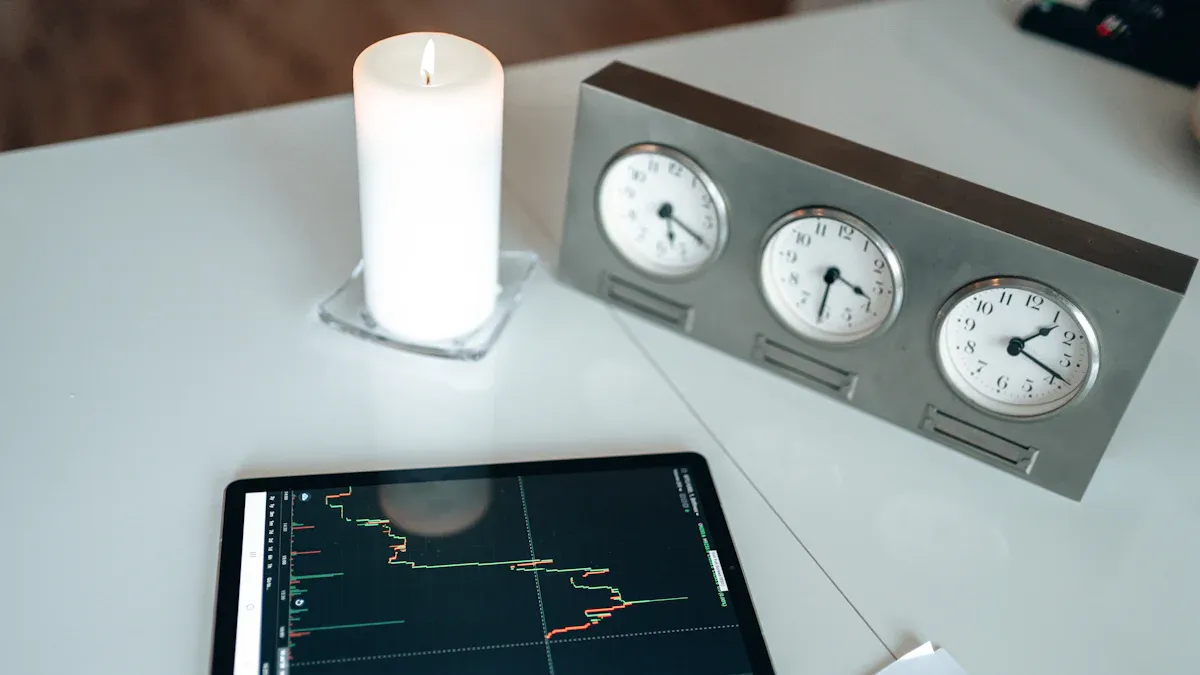
Image Source: pexels
To help investors quickly locate global market trading windows, we have compiled a clear overview table of trading hours. All times are converted to Beijing time and distinguish between daylight saving and standard time for easy cross-market operation planning.
Asian and Oceania Markets
Asian and Oceania markets mark the beginning of each trading day. Among them, mainland China’s A-shares and the Japanese stock market have midday breaks, while Hong Kong and Australia operate with continuous trading.
| Exchange | Country/Region | Local Trading Hours (Monday to Friday) | Corresponding Beijing Time (Monday to Friday) |
|---|---|---|---|
| Shanghai Stock Exchange | Mainland China | 09:30-11:30, 13:00-15:00 | 09:30-11:30, 13:00-15:00 |
| Shenzhen Stock Exchange | Mainland China | 09:30-11:30, 13:00-15:00 | 09:30-11:30, 13:00-15:00 |
| Hong Kong Stock Exchange | Hong Kong, China | 09:30-12:00, 13:00-16:00 | 09:30-12:00, 13:00-16:00 |
| Tokyo Stock Exchange | Japan | 09:00-11:30, 12:30-15:00 | 08:00-10:30, 11:30-14:30 |
| Australian Securities Exchange | Australia | 10:00-16:00 | Daylight Saving: 07:00-13:00Standard Time: 08:00-14:00 |
Special Note: Southern Hemisphere Daylight Saving Some regions in Australia observe daylight saving time, which is opposite to the Northern Hemisphere.
- 2025 Daylight Saving Ends: April 6, 2025, clocks set back. Trading hours delayed by one hour accordingly.
- 2025 Daylight Saving Starts: October 5, 2025, clocks set forward. Trading hours advanced by one hour accordingly.
- Note that Queensland, Western Australia, and the Northern Territory in Australia do not observe daylight saving time.
European Markets
European markets serve as a key link between Asian and American markets. European countries enter and exit daylight saving time under unified rules, simplifying timing for investors.
| Exchange | Country | Local Trading Hours (Monday to Friday) | Corresponding Beijing Time (Monday to Friday) |
|---|---|---|---|
| London Stock Exchange | United Kingdom | 08:00-16:30 | Daylight Saving: 15:00-23:30Standard Time: 16:00-00:30 |
| Frankfurt Stock Exchange | Germany | 09:00-17:30 | Daylight Saving: 15:00-23:30Standard Time: 16:00-00:30 |
| Euronext Paris | France | 09:00-17:30 | Daylight Saving: 15:00-23:30Standard Time: 16:00-00:30 |
2025 European Daylight Saving Transition Dates European daylight saving time starts on the last Sunday in March and ends on the last Sunday in October.
- Daylight Saving Starts: March 30, 2025
- Daylight Saving Ends: October 26, 2025
American Markets
American markets, especially the US stock market, are the most liquid globally. Many investors are concerned about what time US stocks open, which depends on whether the US is in daylight saving time. Major exchanges in the US and Canada have synchronized trading hours.
| Exchange | Country | Local Trading Hours (Monday to Friday) | Corresponding Beijing Time (Monday to Friday) |
|---|---|---|---|
| New York Stock Exchange | United States | 09:30-16:00 (ET) | Daylight Saving: 21:30-04:00Standard Time: 22:30-05:00 |
| Nasdaq Stock Market | United States | 09:30-16:00 (ET) | Daylight Saving: 21:30-04:00Standard Time: 22:30-05:00 |
| Toronto Stock Exchange | Canada | 09:30-16:00 (ET) | Daylight Saving: 21:30-04:00Standard Time: 22:30-05:00 |
2025 North American Daylight Saving Transition Dates Daylight saving time in the US and Canada starts on the second Sunday in March and ends on the first Sunday in November.
- Daylight Saving Starts: March 9, 2025
- Daylight Saving Ends: November 2, 2025
In-Depth Analysis of Core Market Trading Hours

Image Source: pexels
After understanding the overview, an in-depth analysis of core markets’ specific operating rules can help investors plan trading strategies more precisely. Different markets’ session structures, midday breaks, and pre/after-hours rules all contain unique opportunities and challenges.
What Time Do US Stocks Open? Full Trading Hours Breakdown
“What time do US stocks open?” is one of the most frequently asked questions by global investors. The answer is not fixed but changes with US daylight saving time transitions. Mastering this pattern is the first step to successful US stock trading.
Regular US stock market trading hours are Monday to Friday from 09:30 to 16:00 Eastern Time (ET). Due to daylight saving time (DST), the corresponding Beijing time shifts.
2025 US Daylight Saving Transition Dates
Event Date Daylight Saving Starts March 9, 2025, Sunday Daylight Saving Ends November 2, 2025, Sunday
Therefore, regarding what time US stocks open, the correct answers are:
- During Daylight Saving Time: Beijing time 21:30 open, 04:00 close the next day.
- During Standard Time: Beijing time 22:30 open, 05:00 close the next day.
In addition to regular sessions, US markets offer pre-market and after-hours trading, providing extended windows. Many major earnings reports and news are released during these periods, causing sharp price swings.
| Exchange | Session | Eastern Time (ET) | Notes |
|---|---|---|---|
| Nasdaq | Pre-Market Trading | 04:00 - 09:30 | Relatively high liquidity and active trading. |
| After-Hours Trading | 16:00 - 20:00 | Primary window for post-earnings trading. | |
| New York Stock Exchange (NYSE) | Pre-Market Trading | 06:30 - 09:30 | Shorter than Nasdaq. |
| After-Hours Trading | Not Applicable | NYSE has no official unified after-hours session. |
Understanding these divisions helps investors fully answer “what time do US stocks open” and capitalize on opportunities outside regular hours.
European Major Stock Market Trading Hours
European stock markets bridge Asian and American markets. Major markets like London, Frankfurt, and Paris have largely overlapping hours and follow unified daylight saving rules.
A notable feature is that major European exchanges generally have no midday break. Trading runs continuously from open to close, providing uninterrupted environment.
- London Stock Exchange (LSE): Local time 08:00 - 16:30. No formal lunch break, but a brief mid-day auction from 12:00 to 12:02 pauses regular trading.
- Frankfurt Stock Exchange (Deutsche Börse): Local time 09:00 - 17:30, fully continuous.
- Euronext Paris: Local time 09:00 - 17:30, also continuous.
This continuous model creates overlap between European afternoon sessions and US morning sessions (especially pre-market). Global capital converges here, often boosting liquidity and volatility.
Asian Major Stock Market Trading Hours
Asian markets show diversity in trading systems, mainly differing in midday breaks.
Markets with Midday Breaks:
Mainland China’s Shanghai and Shenzhen exchanges, plus Japan’s Tokyo Stock Exchange, are typical examples. They pause midday for a “cooling-off” period.
| Exchange | Local Break Time | Duration | Features |
|---|---|---|---|
| SSE/SZSE | 11:30 - 13:00 | 1.5 hours | Morning session includes opening auction and continuous trading; afternoon includes continuous and closing auction. |
| Tokyo Stock Exchange | 11:30 - 12:30 | 1 hour | Provides fixed rest and strategy adjustment time for traders and participants. |
Continuous Trading Markets:
In contrast, Hong Kong’s HKEX adopts a more international continuous model.
- Hong Kong Stock Exchange (HKEX): Divided into morning (09:30 - 12:00) and afternoon (13:00 - 16:00) sessions. Though a one-hour gap exists, it is not a mid-session pause but separate sessions, overall closer to continuous trading.
These institutional differences reflect historical evolution and development directions. For cross-market traders, understanding and leveraging “break” or “continuous” characteristics is key to Asian session strategies.
Strategic Use and Tips for Trading Hours
Mastering global trading hours is not just about knowing open/close times but formulating efficient strategies. Smart investors leverage market characteristics to find optimal windows.
Identifying Golden Overlapping Trading Sessions
Global markets overlap at certain times, creating “market overlaps.” These periods usually mean surges in volume and liquidity, offering golden opportunities. The most watched is the Europe-America overlap.
Europe-America Overlap "Golden Four Hours"
Occurs from 8:00 AM to 12:00 PM Eastern Time, or Beijing time daylight saving 20:00 to 24:00.
- Volume Surge: Studies show market volume increases 60% to 70% during this period.
- Heightened Activity: About 70% of global forex trading occurs here.
- High Liquidity: London and New York financial centers active simultaneously, providing excellent market depth.
For traders, this period has higher volatility and easier order fills, ideal for day trading strategies.
Avoiding Low-Volume “Lunch Break” Sessions
Opposite golden periods, certain “lunch breaks” or Asian afternoon sessions see reduced activity. For example, Asian trading is often quiet before London opens. However, this does not mean no opportunities.
Low-volume periods’ low volatility suits specific strategies:
- Range Trading: Price often fluctuates narrowly, suitable for short-term operations between established support and resistance.
- Breakout Preparation: Use this time to monitor Asian session highs/lows, preparing for potential London session breakouts.
Thus, rather than avoiding entirely, adjust strategies to characteristics.
Using Pre/After-Hours Trading to Capture Opportunities
US pre/after-hours trading allows quick reactions to breaking news and earnings. Many price-moving events occur outside regular hours. To seize these fleeting chances, efficient global fund management is vital, such as through services like Biyapay, helping investors move funds conveniently.
However, participating in pre/after-hours requires caution due to inherent risks.
Pre/After-Hours Trading Risk Warning
- Lower Liquidity: Fewer participants; large orders may not fill or only partially.
- Wider Spreads: Larger gap between buy/sell prices, increasing costs.
- Heightened Volatility: Small volume can trigger sharp swings; execution prices may be unfavorable.
Investors using these periods must fully recognize risks and decide cautiously.
2025 Global Major Stock Market Holiday Schedule
Beyond regular hours, understanding major global market holiday closures is equally important. Holiday closures affect liquidity and require advance planning for positions and funds. Below is the 2025 holiday calendar for core markets to avoid risks on non-trading days.
US Market Holiday Calendar
US stocks close on federal holidays. Pay special attention to dates with early closures.
| Holiday | Date | Market Status |
|---|---|---|
| New Year’s Day | January 1 | Closed |
| Martin Luther King Jr. Day | January 20 | Closed |
| Presidents’ Day | February 17 | Closed |
| Good Friday | April 18 | Closed |
| Memorial Day | May 26 | Closed |
| Juneteenth | June 19 | Closed |
| Independence Day | July 4 | Closed |
| Labor Day | September 1 | Closed |
| Thanksgiving Day | November 27 | Closed |
| Christmas Day | December 25 | Closed |
Special Note: US Early Closure Days On certain holiday eves, US markets close early. 2025 early closures include:
- July 3 (Day before Independence Day)
- November 28 (Day after Thanksgiving)
- December 24 (Christmas Eve)
China A-Shares and Hong Kong Stock Holiday Calendar
Mainland China and Hong Kong markets have both overlapping and differing closures.
- Mainland China A-Shares: Feature longer closures for Spring Festival and National Day. In 2025, A-shares close January 28 to February 4 for Spring Festival and October 1 to October 8 for National Day and Mid-Autumn combined.
- Hong Kong Stocks: Closures blend Chinese and Western cultures. Besides Spring Festival and National Day, closes on Good Friday (April 18) and Christmas (December 25). HKEX has half-day trading on Christmas Eve (December 24) and New Year’s Eve (December 31).
European and Other Market Holiday Calendars
European and other Asia-Pacific major markets have distinctive closures reflecting local culture and traditions.
- London Stock Exchange (LSE): Mainly closes for bank holidays, such as Spring Bank Holiday (May 26) and Summer Bank Holiday (August 25). Also closes around Easter.
- Frankfurt Stock Exchange: Besides common holidays like New Year, Easter, and Christmas, notably remains open on German Unity Day (October 3).
- Tokyo Stock Exchange (TSE): Has many unique holidays, such as Coming of Age Day (January 13), National Foundation Day (February 11), and Emperor’s Birthday substitute (February 24).
- Australian Securities Exchange (ASX): Reflects national character, including Australia Day (January 27 substitute) and ANZAC Day (April 25).
Knowing these dates in advance helps global investors better deploy cross-market trading.
Global stock markets form a continuous relay. Investors can leverage overlapping sessions, such as Europe-America intersections with increased volume and volatility, to find more opportunities.
Investors must monitor daylight saving transitions. Studies show markets after time adjustments may experience negative returns, even affecting decisions. Precise timing is key to avoiding potential losses.
Hope this guide becomes a practical reference in your investment toolkit. Feel free to bookmark and share to help more people master the global trading pulse.
FAQ
Why do global stock market trading hours change?
Many countries observe daylight saving time (DST). This causes time differences with Beijing to shift. Therefore, corresponding open and close times investors see adjust accordingly. Accurately tracking DST transition dates is very important.
Which session is the most active for trading?
The most active global trading session is usually the Europe-America overlap.
This period has the highest liquidity and significantly amplified volume. It provides an ideal window for day traders but also comes with higher volatility.
Can you trade stocks after market close?
Yes. Taking the US market as an example, it has pre-market and after-hours sessions. Investors can use these to react to breaking news. However, note lower volume in these periods, potentially leading to sharper price swings.
Do all stock markets have lunch breaks?
Not all markets have lunch breaks. Mainland China A-shares and Japanese stocks have fixed midday closures. In contrast, major European and US markets trade continuously all day without breaks, providing uninterrupted trading environment.
*This article is provided for general information purposes and does not constitute legal, tax or other professional advice from BiyaPay or its subsidiaries and its affiliates, and it is not intended as a substitute for obtaining advice from a financial advisor or any other professional.
We make no representations, warranties or warranties, express or implied, as to the accuracy, completeness or timeliness of the contents of this publication.
Related Blogs of

Run Local Large Models or Call APIs? 2026 AI Development Cost and Payment Method Comparison


OpenAI Card Frequently Declined (Card Declined)? Virtual Card Tested Solutions


Virtual Card Binding to AWS/GCP for AI Agent Deployment Frequently Flagged by Risk Control? Compliance Card Opening Guide to Avoid Pitfalls


Enterprise Overseas Payroll Compliance and Tax Planning: How to Use Multi-Asset Payroll Platforms to Reduce Cross-Border Employment Costs?

Choose Country or Region to Read Local Blog
 Australia
 Austria
 Belgium
 Canada
 Cyprus
 Czech Republic
 Denmark
 Estonia
 Finland
 France
 Germany
 Greece
 Hong Kong
 India
India Indonesia
 Ireland
 Italy
Italy Japan
Japan Latvia
 Lithuania
 Luxembourg
 Malaysia
 Malta
Malta Morocco
 Nepal
Nepal Netherlands
 New Zealand
 Norway
 Pakistan
 Philippines
 Poland
 Portugal
 Romania
 Singapore
 Slovakia
 Slovenia
 South Africa
 South Korea
 Spain
Spain Sweden
 Thailand
 The United States
 Turkey
 United Arab Emirates
 United Kingdom
 Vietnam
Contact Us




BIYA GLOBAL LLC is registered with the Financial Crimes Enforcement Network (FinCEN), an agency under the U.S. Department of the Treasury, as a Money Services Business (MSB), with registration number 31000218637349, and regulated by the Financial Crimes Enforcement Network (FinCEN).
BIYA GLOBAL LIMITED is a registered Financial Service Provider (FSP) in New Zealand, with registration number FSP1007221, and is also a registered member of the Financial Services Complaints Limited (FSCL), an independent dispute resolution scheme in New Zealand.