The Secret Behind U.S. Stock Moves: Complete Guide to the Five Key Economic Indicators




Image Source: unsplash
Many factors influence the complex financial markets. Among them, five key economic indicators are crucial for judging U.S. stock direction.
These five indicators are:
- Nonfarm Payrolls (NFP)
- Consumer Price Index (CPI)
- Personal Consumption Expenditures Price Index (PCE)
- Gross Domestic Product (GDP)
- Federal Open Market Committee (FOMC) meetings
Understanding the logic behind these numbers is the master key to reading market pulses. This helps investors interpret financial news and make clearer judgments about U.S. stock trends.
Key Points
- The five major economic indicators — NFP, CPI, PCE, GDP, and FOMC meetings — are critical for judging U.S. stock direction.
- The Nonfarm Payrolls report shows U.S. economic health, but strong data can trigger Fed rate hikes, putting pressure on stocks.
- The Consumer Price Index (CPI) and Personal Consumption Expenditures Price Index (PCE) measure inflation pressure; PCE is the Fed’s primary reference for monetary policy.
- Gross Domestic Product (GDP) represents total national economic output — its growth is the foundation for long-term stock market gains.
- Federal Open Market Committee (FOMC) meetings decide interest rate policy; rate changes directly affect corporate costs and stock performance.
Nonfarm Payrolls: Reading the Economic Thermometer
Every first Friday of the month, global investors focus on one key report: the Nonfarm Payrolls report (NFP). Released by the U.S. Bureau of Labor Statistics (BLS), this data is regarded as the “thermometer” of U.S. economic health, tracking employment changes across most industries.
Nonfarm Payrolls (NFP) measures the number of workers in the U.S. economy and covers roughly 80% of the workforce contributing to GDP. It excludes farm workers, private household employees, and the self-employed.
This report has enormous influence and often triggers sharp market moves on release day.
Employment Data and Economic Vitality
The core figures in the NFP report are “net new jobs” and the “unemployment rate.” These two numbers directly reflect labor market conditions. When jobs grow steadily and unemployment stays low, it usually means companies are expanding, people have stable income, and consumer spending power rises. This creates a virtuous cycle that brings more profits to companies and supports stock market fundamentals.
Sectors especially sensitive to employment data include:
- Construction
- Durable goods manufacturing
- Mining
- Specialty trade contractors
Employment changes in these sectors are often early signals of economic cycle shifts.
The Two-Way Impact of Good or Bad Data on Stocks
Interestingly, strong employment data doesn’t always lift stocks — this is the market’s two-way reaction.
On one hand, good news can be bad news. When jobs data far exceeds expectations, the market worries about an overheating economy that could spark inflation. This raises the chance the Fed will hike rates to cool things down. Higher rates increase corporate borrowing costs and reduce stock appeal, pressuring prices.
On the other hand, bad news can be good news. In some cases, a weak jobs report is viewed as bullish. If data shows the labor market cooling, investors expect the Fed to slow rate hikes or even cut rates to stimulate the economy. This anticipation of easier money often pushes stocks higher. This complex reaction is key to understanding how NFP affects U.S. stocks.
| Indicator | Historical Average Impact |
|---|---|
| Nasdaq 100 price change on NFP day | +/- 1.19% |
| Recent report market price change | < 1% |
Historical data shows NFP release days usually bring larger volatility, but actual reaction still depends on the broader economic environment and market expectations.
Consumer Price Index: Measuring Inflation Pressure
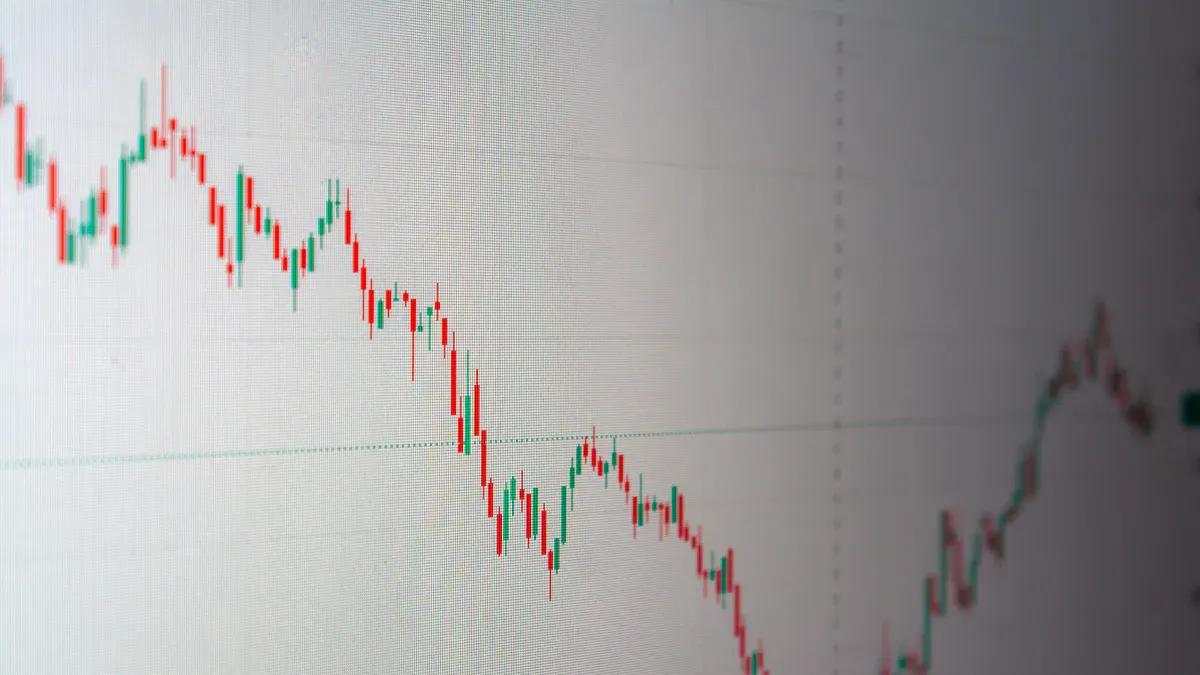
Image Source: pexels
If the Nonfarm Payrolls report is the economy’s “thermometer,” then the Consumer Price Index (CPI) is the “mirror” that reveals inflation. Published monthly by the Bureau of Labor Statistics, CPI tracks price changes in a basket of everyday goods and services, directly showing whether people’s wallets are getting thinner or thicker.
The Core Meaning of CPI Data
CPI covers hundreds of items from housing and food to transportation and healthcare. Rising CPI means overall price levels are increasing — what we call inflation. However, investors and the Fed pay more attention to “core CPI.”
Core CPI excludes volatile food and energy items. The Fed and analysts focus on core CPI because it helps separate temporary price swings from persistent inflation trends. This allows policymakers to judge underlying inflation pressure more accurately and avoid overreacting to short-term spikes in oil or food prices, stabilizing market expectations.
Inflation Expectations and Pressure on Stock Valuations
CPI data has a direct impact on stocks, especially company valuations. When CPI comes in higher than expected, the market reacts immediately because it implies several things:
- Stronger rate-hike expectations: To fight inflation, the Fed is more likely to raise rates.
- Higher discount on future cash flows: Rate hikes raise the discount rate. When valuing a company, investors discount expected future earnings to present value. A higher discount rate makes future money worth less today, lowering current valuations.
This impact is especially severe for growth stocks. Growth stock value is largely based on distant future earnings, so they suffer more in high-inflation environments than value stocks. Historical data shows that in moderate and high inflation periods, value stocks often outperform growth stocks. Thus, CPI changes are a key force driving overall U.S. stock direction and sector rotation.
Personal Consumption Expenditures Price Index: Insight into Fed Intentions
While the market passionately discusses CPI, savvy investors turn their attention to another figure the Fed favors even more: the Personal Consumption Expenditures Price Index (PCE). If CPI is the mirror of consumer spending, PCE is the “official ruler” the Fed uses to measure inflation.
Key Differences Between PCE and CPI
Although both PCE and CPI measure price changes, they differ significantly in methodology and coverage — explaining why the Fed prefers PCE.
The Fed formally stated as early as 2012 that it would use the PCE price index as its primary reference for setting inflation targets.
The Fed favors PCE for several reasons:
- Better reflects actual consumer behavior: PCE calculations are more flexible. For example, when beef prices rise, consumers may switch to cheaper chicken. PCE accounts for this “substitution effect,” while CPI reacts more slowly.
- Broader coverage: CPI mainly tracks out-of-pocket urban consumer spending. PCE is wider — it also includes items paid for by employers or government on behalf of individuals, such as employer-provided health insurance. This makes PCE a more complete picture of total societal spending.
- Weights updated more frequently: PCE expenditure weights are updated monthly, capturing consumption trend changes more responsively. CPI weights are adjusted less often.
In summary, PCE’s broader coverage and more flexible methodology are considered to provide a more accurate picture of true inflation trends.
Leading Clues for Predicting Rate Policy
Because PCE is the Fed’s “official ruler,” its performance becomes the most important leading clue for the market to predict future rate policy. The Fed’s long-term inflation target is 2%, measured by PCE.
When PCE data (especially core PCE) consistently runs above the 2% target, the market expects tighter monetary policy (e.g., rate hikes) to curb inflation. Conversely, persistently low PCE may give the Fed room for easing measures like rate cuts. Therefore, closely watching monthly PCE reports is a key step for investors to read Fed intentions and position strategies ahead of time.
Gross Domestic Product: Measuring Total National Economic Output

Image Source: pexels
Among all economic indicators, Gross Domestic Product (GDP) is arguably the most representative “national strength report card.” It measures the total market value of all goods and services produced in a country over a specific period. A strong GDP report means the nation’s economic engine is running at full speed, laying a solid foundation for long-term healthy stock market development.
GDP Growth and Corporate Profits
GDP growth and corporate profitability are closely intertwined. When the economy expands, the overall pie gets bigger, giving companies more opportunities to earn profits. We can understand how economic activity translates into corporate revenue through the most common GDP expenditure approach formula.
- C (Consumption): Consumer spending is the biggest economic driver. When people spend freely — from cars to dining out — related companies earn more revenue.
- I (Investment): Corporate investment in plants and equipment signals confidence in the future. This not only creates orders for equipment suppliers but also foreshadows higher future production capacity.
- G (Government Spending): Government infrastructure and procurement directly create massive business for related industries.
- (X – M) (Net Exports): Exports exceeding imports means the country’s products are competitive globally, bringing rich profits to exporters.
Thus, GDP growth figures essentially reflect the sum of consumption, investment, government spending, and net exports — all direct sources of corporate profits.
Economic Growth as the Long-Term Foundation of Stocks
Compared to short-term volatility from NFP or inflation data, GDP is more like the “long-term cornerstone” of the stock market. Although GDP is released only quarterly and reacts with a lag, it reveals the most fundamental economic health.
A steadily growing economy means average corporate profit levels will rise over time. This long-term profit growth trend is the core driver supporting stock prices over the long run. Even if the market experiences short-term corrections or swings, as long as the nation’s economic fundamentals (GDP) remain steadily upward, the stock market will eventually return to a path supported by corporate value. Therefore, following the long-term GDP trend helps investors build a macro perspective and long-term confidence in the market.
FOMC Meetings: The Monetary Policy Compass
If the previous four indicators are economic data, then Federal Open Market Committee (FOMC) meetings are the decision center that turns that data into concrete action. The FOMC is the Federal Reserve body that sets monetary policy, holding eight scheduled meetings per year. Its decisions directly move global financial markets.
The FOMC consists of the seven members of the Fed Board of Governors, the president of the New York Fed, and four of the remaining eleven regional Fed bank presidents who serve on a rotating basis. They vote together to decide U.S. interest rate direction.
How Rate Decisions Affect U.S. Stock Trends
The FOMC’s primary tool is adjusting the federal funds rate. Rate changes directly affect the cost of money throughout the economy and have profound impact on stocks.
- Rate Hikes: When the FOMC hikes rates to fight inflation, borrowing costs rise for companies and individuals. This slows consumption and investment, reduces future profit expectations, and pressures stock prices.
- Rate Cuts: Conversely, rate cuts lower borrowing costs, encourage corporate investment and consumer spending, help stimulate growth, and are generally viewed as bullish, pushing stock prices higher.
Rate decisions not only affect actual corporate profits but also drive investor sentiment — making them a key variable for judging future U.S. stock direction.
Market Impact of Hawkish vs. Dovish Comments
Beyond the rate decision itself, the market scrutinizes the post-meeting statement and Chair comments for clues about future policy direction. Analysts often classify officials’ stances as “hawkish” or “dovish.”
| Stance | Characteristics | Potential Market Impact |
|---|---|---|
| Hawkish | Prioritizes fighting inflation, favors rate hikes or holding high rates. Statements usually emphasize inflation risks. | Market may expect tighter policy, pressuring stocks |
| Dovish | Prioritizes growth and employment, favors rate cuts or keeping rates low. Statements usually sound optimistic. | Market may expect easier policy, boosting stocks |
For example, if the statement removes phrases like “inflation has made progress”, it is read as hawkish. Conversely, emphasizing growth risks may be seen as dovish. Learning to distinguish these tones is essential for reading market expectations.
Taken together, these five indicators form a complete analytical framework. Nonfarm Payrolls (NFP) and Gross Domestic Product (GDP) together paint the picture of “economic fundamentals”; Consumer Price Index (CPI) and Personal Consumption Expenditures Index (PCE) quantify “inflation pressure.” The Federal Open Market Committee (FOMC) then makes the final “policy response” based on these two dimensions.
The market is dynamic — no single indicator is absolute good or bad. Professional investors use systematic approaches to evaluate how different economic scenarios affect U.S. stocks. For example, recently inflation data (CPI) has overtaken traditional jobs reports in market impact. Only comprehensive judgment lets you truly grasp market pulses and make smarter decisions.
FAQ
Among these five indicators, which is most important?
There is no absolute most important indicator. Their importance changes with the economic environment. Recently, with high focus on inflation, CPI and PCE have greater influence. Investors need to consider all data together for a full picture.
Why do strong jobs numbers sometimes make stocks fall?
The market reacts to “expectations.” Strong data can raise fears the Fed will hike rates to cool an overheating economy. Rate hikes increase corporate costs and pressure valuations — the classic “good news is bad news.”
Should I watch CPI or PCE?
Both are important but serve different purposes. CPI directly reflects consumer costs, while PCE is the indicator the Fed prefers for policy making. To predict Fed moves, core PCE provides the most critical clues.
How often are these indicators released?
Each indicator has a fixed release schedule. Knowing these dates helps investors prepare for volatility.
| Indicator | Abbreviation | Frequency |
|---|---|---|
| Nonfarm Payrolls | NFP | Monthly |
| Consumer Price Index | CPI | Monthly |
| Personal Consumption Expenditures | PCE | Monthly |
| Gross Domestic Product | GDP | Quarterly |
| Federal Open Market Committee | FOMC | 8 times per year |
*This article is provided for general information purposes and does not constitute legal, tax or other professional advice from BiyaPay or its subsidiaries and its affiliates, and it is not intended as a substitute for obtaining advice from a financial advisor or any other professional.
We make no representations, warranties or warranties, express or implied, as to the accuracy, completeness or timeliness of the contents of this publication.
Related Blogs of
Another Major Drop! Why Is the A-Share Index Falling Non-Stop – Where Exactly Is the Problem?

Beginner’s Guide: What to Do When a Stock Hits Limit-Down? Can You Still Trade?


Like a Snowball: Let Shanghai Stock Market Index Make Your Money Work for You

How to Wire Transfer USD from Industrial and Commercial Bank of China to OCBC Singapore? This Guide is All You Need

Choose Country or Region to Read Local Blog
 Australia
 Austria
 Belgium
 Canada
 Cyprus
 Czech Republic
 Denmark
 Estonia
 Finland
 France
 Germany
 Greece
 Hong Kong
 India
India Indonesia
 Ireland
 Italy
Italy Japan
Japan Latvia
 Lithuania
 Luxembourg
 Malaysia
 Malta
Malta Morocco
 Nepal
Nepal Netherlands
 New Zealand
 Norway
 Pakistan
 Philippines
 Poland
 Portugal
 Romania
 Singapore
 Slovakia
 Slovenia
 South Africa
 South Korea
 Spain
Spain Sweden
 Thailand
 The United States
 Turkey
 United Arab Emirates
 United Kingdom
 Vietnam
Contact Us




BIYA GLOBAL LLC is a licensed entity registered with the U.S. Securities and Exchange Commission (SEC No.: 802-127417); a certified member of the Financial Industry Regulatory Authority (FINRA) (Central Registration Depository CRD No.: 325027); regulated by the Financial Industry Regulatory Authority (FINRA) and the U.S. Securities and Exchange Commission (SEC).
BIYA GLOBAL LLC is registered with the Financial Crimes Enforcement Network (FinCEN), an agency under the U.S. Department of the Treasury, as a Money Services Business (MSB), with registration number 31000218637349, and regulated by the Financial Crimes Enforcement Network (FinCEN).
BIYA GLOBAL LIMITED is a registered Financial Service Provider (FSP) in New Zealand, with registration number FSP1007221, and is also a registered member of the Financial Services Complaints Limited (FSCL), an independent dispute resolution scheme in New Zealand.