Stablecoin Cross-Border Payment Guide: 15-Second International Remittances Are No Longer a Dream




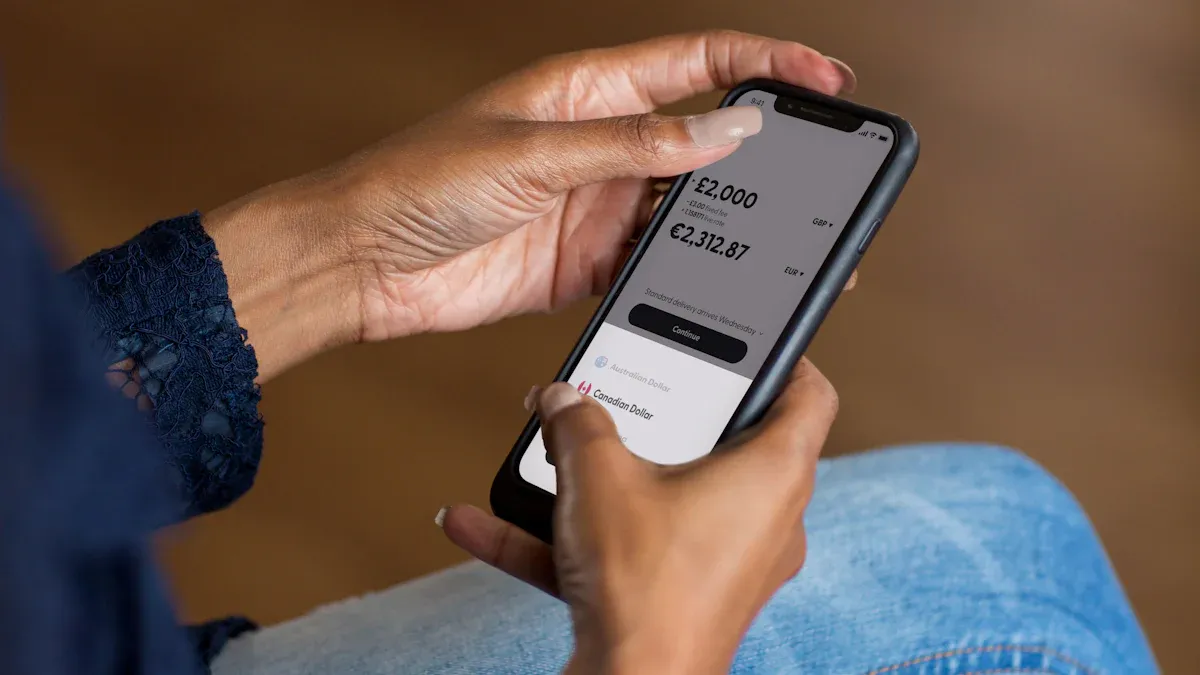
Image Source: unsplash
Imagine an international remittance completing in 15 seconds, with fees possibly under $1. This is the revolution brought by the stablecoin USDT. Through stablecoin international remittances, you can bypass traditional banks, achieving near-instant and extremely low-cost fund transfers.
Traditional bank wire transfers not only require 3 to 7 business days, but a single remittance fee can reach up to $65.
Stablecoins processed transactions worth $32 trillion in 2024, demonstrating their immense potential.
Key Takeaways
- USDT remittances are fast and low-cost, saving more money and time than traditional banks.
- Before using USDT for remittances, you need to register an exchange account and purchase USDT.
- When transferring, choosing the TRC20 network saves more fees and is faster.
- USDT remittances are available 24/7, unrestricted by bank hours.
- When transferring, carefully verify the receiving address and network to avoid fund loss.
USDT Remittance Preparation: Account and Purchase

Image Source: pexels
Before enjoying the convenience of stablecoins, you need to complete two key preparation steps: set up a digital asset account and purchase USDT. This process is as simple as opening a new e-wallet.
Select and Register an Exchange
The first step is to choose a secure and reliable cryptocurrency exchange. The exchange is an online marketplace for buying and selling USDT; its security and usability directly affect your fund safety and experience. There are many well-known exchanges globally, each with unique features.
You can refer to the following comparison of mainstream platforms, which are widely recognized for their reputation, fees, and user experience.
| Platform | Recommendation Reason | CoinLedger Rating |
|---|---|---|
| Kraken | Low fees | 9.5/10 |
| Coinbase | Easy to use | 8.9/10 |
| Gemini | Strong regulatory compliance | 8.9/10 |
| Binance | Most popular | 8.4/10 |
| Uniswap | Best decentralized exchange | 8.5/10 |
After selecting a platform, you need to complete registration and identity verification, commonly known as KYC (Know Your Customer). This ensures compliance with anti-money laundering regulations and protects platform and user funds.
What to prepare for KYC? Prepare the following materials for smoother verification:
- Valid email address and phone number
- Government-issued ID, such as passport or driver’s license
- Proof of address, such as a recent utility bill or bank statement
C2C/P2P Purchase of USDT for Beginners
With an account, the next step is to convert your local fiat (e.g., USD, HKD) into USDT. C2C (Customer-to-Customer) or P2P (Peer-to-Peer) trading is one of the most common and flexible methods. It allows direct trading with other users, with the platform acting as an intermediary to ensure security.
The huge advantage of C2C trading is support for various localized payment methods. You can easily find suitable counterparts based on your region and payment tools. Common payment methods include:
- Bank Transfer: Supports U.S. Wire Transfer, Europe’s SEPA, UK’s Faster Payments, etc.
- Electronic Payment: Apple Pay, Google Pay, PayPal, etc., globally universal.
- Local Payment: Market-specific methods, such as Brazil’s Pix, Canada’s Interac, etc.
The purchase process usually follows these simple steps:
- In the exchange’s C2C market, filter suitable USDT sellers by price and payment method.
- Enter the amount you want to buy and place the order.
- Pay the counterparty via your chosen method.
- After payment, click “I have paid” on the platform and wait for the counterparty to confirm receipt and release USDT to your account.
After completing these preparations, your account holds USDT. Now, you’re ready for the next step—your first stablecoin cross-border remittance.
Cross-Border Transfer in Three Steps: Sending and Receiving USDT
With USDT ready, the real cross-border payment journey begins. The process breaks down into three core steps: obtaining the receiving address, executing the transfer, and converting USDT to local fiat. These three steps form the complete closed loop of stablecoin international remittances.
Obtain the Recipient’s Wallet Address
Before transferring, you first need a destination—the recipient’s “wallet address.” Think of it as a digital world bank account—a unique string of characters for receiving USDT.
Importantly, USDT operates on different blockchain networks, like goods transported via different highways. The two most common networks are ERC20 (Ethereum-based) and TRC20 (Tron-based). Your choice directly affects transfer speed and fees.
Key Tip: Choose the Right “Highway”
- ERC20 Network: The earliest USDT-supporting network, highly secure but slower and relatively expensive. During congestion, a transfer fee can exceed $30.
- TRC20 Network: A later-emerging network favored for extreme speed and low fees. It processes thousands of transactions per second, making transfers near-instant.
For intuitive understanding, see the comparison below:
| Feature | TRC20 USDT | ERC20 USDT |
|---|---|---|
| Average Speed | Usually under 1 minute | May take 5-15 minutes |
| Typical Fee | Usually $1 - $2 | May be $8 - $35 |
For most personal remittance scenarios, especially small payments, the TRC20 network is the undisputed best choice. Its low fees and high speed are key to achieving “15-second arrival” and “90% savings.”
How does the recipient provide the address? Using Biyapay as an example, the recipient simply:
- Opens the Biyapay app and enters the wallet.
- Selects “Receive” or “Deposit.”
- Chooses coin as
USDTand network asTRC20. - The app generates an address starting with “T” and QR code. The recipient copies the address or sends a screenshot to you.
In practice, many users treat the BiyaPay website as a central hub for stablecoin flows, using a single wallet to hold USDT alongside everyday fiat balances so that the TRC20 transfers in this guide connect smoothly to real payment scenarios.
Before you send, you can use BiyaPay’s free fiat FX converter to estimate the all-in cost and indicative rates between your home currency and the destination currency, then decide how much to remit and at what price level to buy or sell USDT instead of only looking at the on-chain fee.
Once USDT arrives in the recipient’s BiyaPay wallet, they can start a cross-border remittance inside the app, convert funds into their local fiat, and withdraw to a linked bank account, completing the “receive – convert – cash-out” loop in a single product and avoiding extra friction from moving funds across multiple services.
For users who care about robustness and regulation, BiyaPay operates under licences such as the US MSB and New Zealand FSP and follows a multi-jurisdictional compliance framework, which is helpful if you later scale up the size or frequency of your stablecoin transfers and prefer to reuse the same, well-tested process over time.
Withdrawal: From Sending to Confirmation of Arrival
“Withdrawal” is the core operation, like filling out a remittance form at a bank counter. This step requires extreme care, as any error can lead to permanent fund loss.
Safety Warning: Double-Check Repeatedly for Zero Mistakes Blockchain transfers are irreversible. Sending USDT to a wrong address or wrong network means no one can recover it. Before clicking “Confirm,” perform three checks.
Here are the general steps for withdrawing from an exchange to an external wallet (e.g., recipient’s Biyapay wallet):
- EnterWithdrawal Page: Log into your exchange account, go to “Assets” or “Wallet,” then click “Withdraw.”
- Select Coin: Choose
USDTfrom the list. - Fill Address and Network:
- Address: Paste the full TRC20 address (starting with “T”) from the recipient into the “Withdrawal Address” field. Best to confirm first/last characters with the recipient again.
- Network: In “Transfer Network” or “Chain Name,” select
TRC20 (Tron). Exchanges often auto-match, but manually verify.
- Enter Amount: Input USDT quantity. Platform shows estimated fee and recipient’s final amount.
- Preview and Confirm: Platform displays transfer overview. Last chance to check address, network, amount.
- Security Verification: After confirmation, enter password, SMS code, or Google Authenticator code per platform requirements to complete withdrawal.
[Clear withdrawal interface screenshot, highlighting address and network selection boxes]
After submission, check status in withdrawal history. Due to TRC20’s efficiency, the recipient usually sees the funds in their Biyapay wallet in under one minute.
Cash Out: Convert USDT to Local Fiat
When USDT safely arrives in the recipient’s wallet, the final step: convert digital dollars to spendable local fiat, like USD, EUR, or JPY. This is often called “cashing out” or “withdrawal.”
Two main ways to cash out:
- Via C2C/P2P Platform: Most flexible. The recipient creates a USDT sell ad on the exchange’s C2C market or Biyapay’s built-in P2P. They set desired price and accepted receipt methods (e.g., bank transfer, e-wallet). When a buyer orders and pays, platform locks USDT, releasing to buyer after seller confirms fiat receipt. As a seller (Maker), trading fees are 0 on many platforms, but prices fluctuate slightly.
- Direct Platform Withdrawal: Powerful platforms (like Biyapay) offer simpler paths. Users convert USDT to USD or other fiat balance in-app, bind their bank account (e.g., Hong Kong licensed bank), and withdraw directly to card. This is as simple as ordinary e-wallet withdrawal.
Whichever method, the recipient quickly converts received USDT to daily-usable funds, completing the stablecoin international remittance loop.
Stablecoin International Remittances: Cost and Speed Advantages
After completing the transfer, you’ll deeply appreciate stablecoin remittances’ huge cost and speed advantages. It not only saves money but, more importantly, precious time.
Fee Structure: How Much Does USDT Remittance Cost
Using USDT for remittances, your main cost is the “gas fee” paid to the blockchain network, i.e., network fee. This depends on your chosen transfer network.
| Feature | ERC20 (Ethereum) | TRC20 (Tron) |
|---|---|---|
| Transaction Fee | High, from a few to over $20 | Very low, usually under $1 |
As seen, choosing TRC20 controls transfer costs at minimal levels.
Note “Hidden Fees” Besides network fees, watch for other platform fees. For example, some set “spreads” in USDT trading, profiting via exchange differences. Though external transfers require network fees, choose transparent-fee platforms to avoid unnecessary costs.
Scenario Applications: Who Saves Time and Money
Stablecoin international remittances create value for global users. Anyone with cross-border payment needs can benefit.
- Overseas Workers: Take Filipino gig workers; they receive stablecoin payments via platforms. This bypasses traditional channels’ 5-8% high fees, letting them send more hard-earned money home.
- International Student Families: Need to pay tuition and living expenses for children studying abroad? USDT remittances eliminate complex bank wires and high fees, ensuring fast, low-cost arrival.
- International Shoppers: When buying from overseas merchants, USDT offers borderless payment, avoiding credit cards’ high conversion fees.
7x24 Hours: All-Day Convenience
One of blockchain’s greatest charms is it never rests. Initiate transfers anytime, anywhere, without bank hour worries.
This contrasts sharply with traditional banks. Most have strict wire cutoff times and completely stop on weekends and holidays.
- Weekday Limits: Major U.S. banks usually stop international wires between 4-5 PM ET.
- Weekends and Holidays: Banks close on weekends and holidays, meaning Friday afternoon wires may wait until Monday or later.
USDT’s 7x24 availability solves this, freeing fund flows from traditional finance schedules.
Data Comparison: USDT vs Traditional Banks

Image Source: unsplash
After understanding the process, your top concern is: How much does USDT save and speed up compared to traditional banks? The data below provides the most intuitive answer. You’ll see it’s not minor improvement but an efficiency revolution.
Fee Comparison: Save Up to 90%
Traditional bank cross-border wires are very expensive. Total cost usually includes fees and exchange spreads, with effective rates up to 6%.
In contrast, stablecoin remittances have a completely different cost structure. Your main expense is blockchain network transfer fee. With TRC20, this is usually under $1. Even adding 0.5% to 3% spreads from C2C USDT trading, total cost is far below traditional banks.
Costs at a Glance
- Traditional Bank: Fee + Hidden Exchange Loss ≈ 6%
- USDT (TRC20): Network Fee + Platform Spread ≈ 0.5% - 3%
Speed Comparison: Minutes vs Days
Time is another decisive factor. Traditional international wires are very slow.
- A wire from the U.S. to Europe or Asia usually takes 1 to 5 business days to arrive.
- This is affected by time zones, intermediary banks, and holidays, causing delays.
USDT transfers are measured in minutes. Especially TRC20, confirmation time usually under 1 minute. This means funds arrive near-instantly.
| Comparison | USDT Remittance (TRC20) | Traditional Bank Wire |
|---|---|---|
| Arrival Speed | Minutes (usually <1 minute) | Days (1-5 business days) |
| Typical Fee | < $1 (network fee) | $25 - $50 (handling fee) |
| Availability | 7x24 hours | Weekdays only |
Exchange Rate Comparison: Goodbye to High Conversion Losses
The biggest “hidden” cost in traditional remittances is exchange loss. Banks’ retail rates add opaque markups to market rates. These hidden markups cost global consumers billions annually.
USDT lets you bypass this trap. Since USDT is 1:1 pegged to USD, no conversion during transfer. Recipient receives USDT, then converts to local fiat on C2C at real-time rates. Though C2C has spreads, they’re more transparent and market-driven, giving better cost control.
Safety Guide: Avoid Potential Risks
Though USDT remittances offer huge convenience, this new field carries specific risks. Understanding and proactively avoiding them is paramount for fund safety.
Operational Risks: Wrong Address and Network
This is the most common and fatal user error. Blockchain’s nature makes all transactions irreversible. Sending to wrong address or network means unrecoverable loss.
Safety Tip: Final Pre-Transfer Check Before “Confirm,” develop these verification habits:
- Carefully Verify Address:Manually check first/last characters, ensure match recipient’s.
- Beware Clipboard Attacks: Malware may alter copied addresses. Re-verify after paste, don’t blindly trust.
- Confirm Transfer Network: Ensure chosen network (e.g., TRC20) exactly matches address’s network.
Platform and Counterparty Risks
In C2C/P2P USDT trading, you deal with strangers. Though platforms escrow, scammers exploit gaps. Beware common scams:
- Fake Payment Proof: Scammers send forged bank transfer screenshots or fake success messages, urging USDT release. Log into your bank/payment app to visually confirm funds arrived.
- Fake Goods/Services: Counterparty demands P2P payment for goods but vanishes after receipt. Treat P2P as cash—don’t pay before receiving items.
- Refund Scams: Scammer pays, then reverses via some channels. Confirm funds “fully settled” is crucial.
Compliance and Legal Risks
Stablecoins are rapidly evolving, with varying regulations. Understand and comply with local laws.
- Regulatory Policies:Major economies are building frameworks. For example, EU’s MiCA is in effect, U.S. advancing legislation. Mainland China assessing stance. Ensure compliance before using.
- Tax Obligations:Stablecoins viewed as digital assets/property, not currency in many places. Converting USDT to fiat with profit may incur capital gains tax. Record all transactions, consult professionals for tax responsibilities.
USDT international remittances show new cross-border payment possibilities. If you seek high efficiency, low cost, or non-business-hour transfers, it’s a powerful choice. It brings revolutionary advantages in speed, fees, and convenience.
Take Your First Step After understanding risks, start small. Always prioritize “safety first” to enjoy fintech convenience.
FAQ
Will USDT’s price fluctuate?
USDT is a stablecoin pegged 1:1 to USD. This means 1 USDT ≈ 1 USD. Though minor market fluctuations occur, it’s unlike Bitcoin’s volatility, providing stable value storage.
What if the recipient has no crypto wallet?
The recipient must have a crypto wallet to receive USDT. Guide them to a reliable exchange or wallet app (like Biyapay) for registration. This is simple—usually minutes for verification and address.
Remitting $1000, total cost?
Total cost has two parts: network fee and platform spread. With TRC20, network fee usually under $1. Plus 0.5%-3% spread in USDT trading, total ~$6 to $31—far below traditional banks.
Is using USDT for remittances legal in mainland China?
Important Tip Regulations evolve rapidly. You’re responsible for understanding and complying with local laws before operations. We recommend staying updated on policies to ensure compliance.
*This article is provided for general information purposes and does not constitute legal, tax or other professional advice from BiyaPay or its subsidiaries and its affiliates, and it is not intended as a substitute for obtaining advice from a financial advisor or any other professional.
We make no representations, warranties or warranties, express or implied, as to the accuracy, completeness or timeliness of the contents of this publication.
Related Blogs of

Virtual Card Binding to AWS/GCP for AI Agent Deployment Frequently Flagged by Risk Control? Compliance Card Opening Guide to Avoid Pitfalls

Run Local Large Models or Call APIs? 2026 AI Development Cost and Payment Method Comparison

OpenAI Card Frequently Declined (Card Declined)? Virtual Card Tested Solutions


How to Write Remittance Notes to Avoid Bank Risk Control Interception? 2026 Cross-Border Remittance Compliance Guide & Sensitive Words Avoidance
Choose Country or Region to Read Local Blog
 Australia
 Austria
 Belgium
 Canada
 Cyprus
 Czech Republic
 Denmark
 Estonia
 Finland
 France
 Germany
 Greece
 Hong Kong
 India
India Indonesia
 Ireland
 Italy
Italy Japan
Japan Latvia
 Lithuania
 Luxembourg
 Malaysia
 Malta
Malta Morocco
 Nepal
Nepal Netherlands
 New Zealand
 Norway
 Pakistan
 Philippines
 Poland
 Portugal
 Romania
 Singapore
 Slovakia
 Slovenia
 South Africa
 South Korea
 Spain
Spain Sweden
 Thailand
 The United States
 Turkey
 United Arab Emirates
 United Kingdom
 Vietnam
Contact Us




BIYA GLOBAL LLC is registered with the Financial Crimes Enforcement Network (FinCEN), an agency under the U.S. Department of the Treasury, as a Money Services Business (MSB), with registration number 31000218637349, and regulated by the Financial Crimes Enforcement Network (FinCEN).
BIYA GLOBAL LIMITED is a registered Financial Service Provider (FSP) in New Zealand, with registration number FSP1007221, and is also a registered member of the Financial Services Complaints Limited (FSCL), an independent dispute resolution scheme in New Zealand.