How to Use USDT for Small Remittances? One Article to Understand the Operation Process and Money-Saving Tips



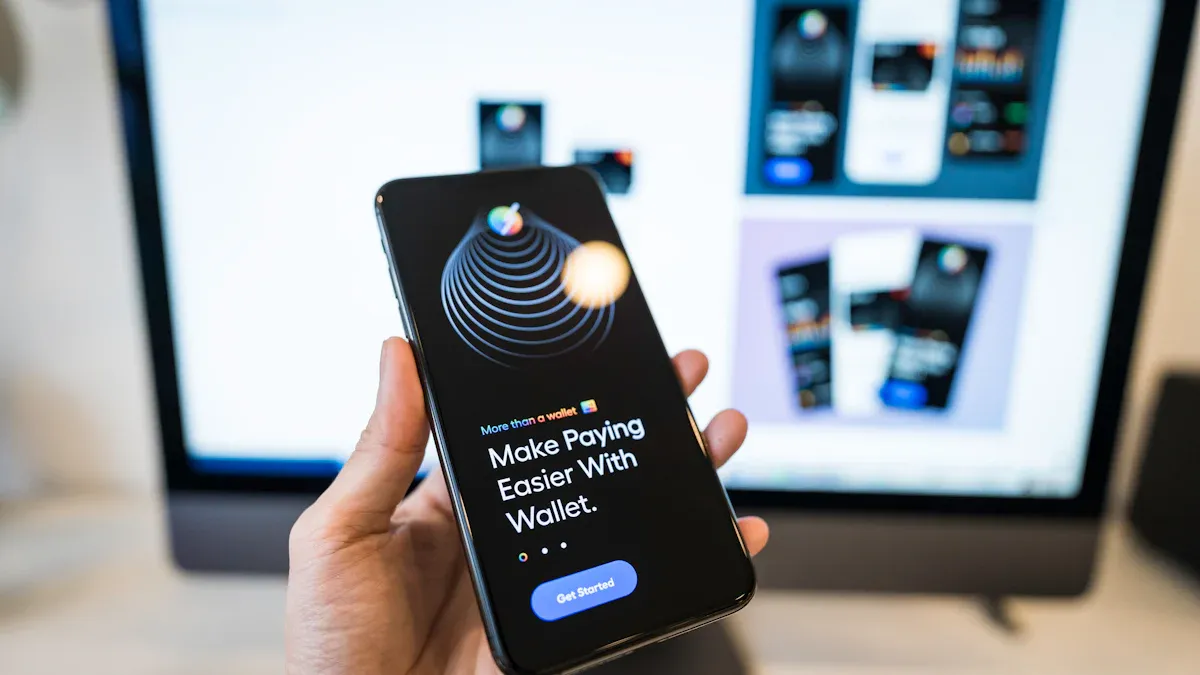
Image Source: pexels
Did you know that, according to 2024 data, the global average cost for a $200 small remittance is as high as 6.65%? This means for every $200 you send, you pay over $13 in fees.
Using USDT for small remittances, you can reduce this cost to below $1. The key is utilizing the low fee TRC-20 network and C2C trading. This provides an efficient and economical choice for freelancers, small merchants, and users with family remittance needs.
Key Takeaways
- Using USDT for remittances is over 90% cheaper than traditional banks, especially suitable for small remittances.
- Choosing the TRC-20 network to transfer USDT has low fees and fast speed, which is the key to saving money.
- When purchasing and selling USDT, using C2C trading can save fees.
- Before transferring, be sure to carefully verify the recipient address and network to avoid permanent fund loss.
- Choose reputable trading platforms and C2C merchants to ensure fund security.
Cost Advantage Analysis of USDT Remittances
Image Source: pexels
To understand why USDT can save money, you first need to know where the costs of different remittance methods come from. The fee structures of traditional banks and USDT are completely different.
Cost Structure of Traditional Remittances
When you conduct cross-border remittances through banks, fees are usually multi-layered. World Bank data shows that such fees average over 6% of the remittance amount. Your total costs mainly include:
- Wire transfer fee: The fixed fee charged by your bank.
- Intermediary bank fee: Additional fees charged when funds pass through intermediary banks.
- Exchange rate loss: The bank-provided exchange rate is usually worse than the market real-time rate, and the difference is a hidden cost.
These fees stack up, making the cost of a small remittance very high.
Cost Structure of USDT Remittances
The cost structure of USDT remittances is much simpler. Your main expenses come from the following links:
- On-ramp Cost: The small spread when converting your local currency to USDT via C2C trading.
- Network Fee (Gas Fee): The fee paid to the network for transferring USDT on the blockchain. This is the core transfer cost.
- Off-ramp Cost: The spread when the recipient sells USDT via C2C back to local currency.
- FX Costs: If deposit/withdrawal involves different fiat currencies, there may be exchange conversion costs.
Money-Saving Core: Among these costs, the network fee is key. Choosing the TRC-20 network, you can control the single transfer network fee below $2, far lower than traditional banks’ fixed fees.
Cost Example Comparison
Let’s intuitively feel the cost difference through a specific case. Assume you need to remit $500 from mainland China to family in the Philippines.
| Fee Category | Traditional Bank (via Hong Kong licensed bank) | USDT Remittance (TRC-20 Network) |
|---|---|---|
| Fee/Spread | Wire fee: about $20Intermediary bank fee: about $15 | C2C buy/sell spread: about $2.5 (0.5%) |
| Network/Exchange Cost | Exchange loss: about $7.5 (1.5%) | TRC-20 network fee: about $1.9 |
| Total Cost | About $42.5 | About $4.4 |
Through the table comparison above, you will find that using USDT can save over 90% in fees. For users who frequently conduct small remittances, this saved amount is considerable.
In practice, you still need a service that links USDT with local currencies. BiyaPay is a multi-asset trading wallet that brings cross-border payments, basic investing and everyday cash management into one place.
You can first open an account on the BiyaPay website, then use its free FX converter to estimate the gap between your home currency and the target currency before you move any funds.
After that, you may initiate a cross-border remittance in the app using USDT on the TRC-20 network, and let the recipient cash out to local fiat, so the cost advantages shown above become concrete in daily use.
For users who focus on safety and compliance, BiyaPay operates under licences such as the US MSB and New Zealand FSP and follows multi-jurisdictional rules, which helps reduce regulatory uncertainty when funds move across borders.
USDT Small Remittances: Four-Step Operation Guide
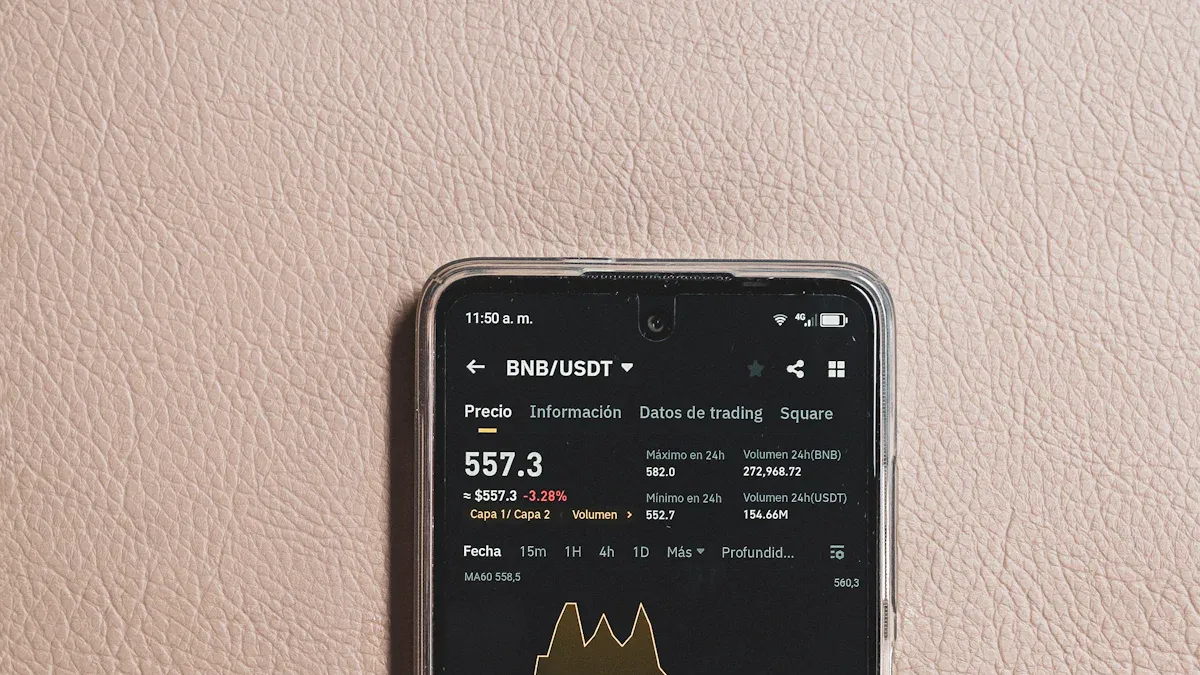
Image Source: pexels
After understanding the cost advantages, you can start the actual operation. The entire process can be broken down into four core steps. As long as you follow this guide, you can easily and safely complete the remittance.
Preparation: Choose Platform and Wallet
Before starting, you need to prepare two key tools: a reliable cryptocurrency trading platform and a digital wallet.
- Trading Platform (Exchange): This is where you use fiat to purchase USDT (deposit) and where the recipient sells USDT back to fiat (withdrawal). When choosing a platform, be sure to confirm it supports C2C trading and the TRC-20 network. For example, platforms like LocalCoinSwap provide P2P trading and support TRC-20 on-chain assets.
- Digital Wallet (Wallet): This is the tool you use to store and transfer USDT. Wallets are divided into exchange-hosted custodial wallets and non-custodial wallets where you control the private keys. For beginners, using a platform like Biyapay that integrates wallet and trading functions is more convenient. If you pursue higher asset control, you can choose a non-custodial wallet.
Wallet Recommendations There are many excellent non-custodial wallets on the market that support TRC-20 USDT:
- Trust Wallet: Known as the “all-round champion”, with a friendly interface and powerful functions.
- Klever Wallet: Called the “speed demon”, focused on the TRON ecosystem with fast transactions.
- TronLink: “TRON network expert”, seamlessly integrated with the TRON ecosystem.
- imToken: Known as the “security master”, providing bank-level security protection.
Step One: Purchase USDT
After preparing the platform, the next step is to exchange your local currency for USDT. You mainly have two methods, but to save money, we strongly recommend the first one.
Method One: Purchase via C2C Market (Recommended)
C2C (Customer-to-Customer) trading allows you to directly purchase USDT from other users. You can complete the transaction using local payment methods, such as bank cards, Alipay, or WeChat. The advantage of this method is small spreads and low fees, making it the lowest-cost deposit method.
Method Two: Direct Purchase with Credit Card (Not Recommended)
Some platforms, like Paybis, allow you to directly purchase USDT with a credit or debit card. Although this method is convenient, the cost is very high.
| Exchange | Credit Card Purchase Fee | Additional Fees |
|---|---|---|
| MEXC | Up to 3% | May incur up to 5% cash advance fee |
| HTX | 1% | May incur up to 5% cash advance fee |
| WhiteBIT | Up to 1.5% | May incur up to 5% cash advance fee |
As shown in the table above, in addition to the fees charged by the exchange, your card issuer may treat this transaction as a “cash advance”, additionally charging up to 5% in fees. This completely goes against our money-saving purpose.
Step Two: Transfer USDT
Once you have USDT in your account, you can transfer it to the recipient. This is the most critical step in the entire small remittance process.
- Find the withdrawal function: Log in to your exchange or wallet app; usually on the “Assets” or “Wallet” page, you will find the “Transfer” or “Withdraw” button. After clicking, select withdrawal to an “external wallet” address.
- Fill in the recipient address: Ask your recipient for their USDT receiving address.
Important Tip: TRC-20 network addresses usually start with a capital letter
T, for exampleT7z5Tf9jj1k2a4VZqL4mKjD6CZ1ePZa1w6. Be sure to fill it in by copy-paste and repeatedly verify to ensure the address is accurate. - Choose the transfer network (the most critical money-saving step): In the network selection column, you will see multiple options like ERC-20, BEP-20, etc. Be sure to select
TRC-20 (TRON). Choosing the wrong network not only has high fees but may also cause permanent loss of your funds. - Enter the transfer amount: Fill in the USDT quantity you wish to remit.
- Complete security verification: Depending on platform requirements, you may need to enter a verification code sent via mobile SMS or email to confirm the withdrawal operation. This is an important link to protect your fund security.
After completing the above steps, your USDT will be sent via the TRC-20 network, usually arriving in the recipient’s wallet within a few minutes.
Step Three: Recipient Withdraws
After the recipient receives the USDT you transferred, they need to exchange it for local currency. This process is called “withdrawal” and is exactly the opposite of your C2C process for purchasing USDT.
- Enter the C2C market: The recipient logs in to their local cryptocurrency trading platform and enters the C2C trading area.
- Post a sell ad: Select “Sell USDT”, set the quantity to sell and accepted payment methods.
- Wait for buyer payment: The buyer will pay local currency via the recipient’s chosen payment method (such as bank transfer, e-wallet Zelle, Wise, etc.).
- Confirm receipt and release USDT: After the recipient confirms their bank account or e-wallet has indeed received the full amount, click “Confirm receipt and release” on the platform, and the platform will transfer the escrowed USDT to the buyer.
At this point, the entire remittance process is fully completed. The recipient successfully exchanges USDT for usable local cash.
Key Techniques and Risks for Secure Remittances
After mastering the operation process, you also need to understand the key techniques and potential risks involved. This will help you maximize fund security while enjoying low-cost convenience.
Money-Saving Key: Choice of Transfer Network
In the second step “Transfer USDT”, we emphasized the importance of choosing the TRC-20 network. This is not just a suggestion but the core of the entire money-saving strategy. Different blockchain networks have vastly different transfer fees and speeds.
Let’s look at the direct comparison between mainstream USDT networks ERC-20 (based on Ethereum) and TRC-20 (based on TRON):
| Feature | ERC-20 (Ethereum) | TRC-20 (TRON) |
|---|---|---|
| Average Fee | Higher, usually $5 - $50 | Extremely low, usually below $1 |
| Average Transaction Speed | 35–60 seconds | 3–5 seconds |
Why is TRC-20 faster and cheaper? The TRON network is designed for high throughput and low cost, capable of processing up to 2,000 transactions per second. In comparison, although the Ethereum network is constantly upgrading, it still lags in processing speed and fees. For users pursuing fast and economical remittances, TRC-20 is undoubtedly the best choice.
Mistakenly choosing the ERC-20 network, you may pay fees higher than the remittance itself, completely losing the cost advantage of using USDT.
Security First: Five Core Risk Points
Although USDT remittances are efficient and convenient, you must clearly recognize the potential risks. Understanding these risks is the first step to protecting your assets.
- Operational Error Risk Blockchain transactions are irreversible. Once funds are sent, no one can revoke or recover them.
Prevention Tip: Before sending USDT, repeatedly verify the recipient address. TRC-20 addresses start with
T, ERC-20 addresses start with0x. Never send TRC-20 USDT to an ERC-20 address, and vice versa. This operation will cause your funds to be permanently lost. - Platform Technical and Security Risk The trading platform you use is an important link in fund security. Although the blockchain itself is secure, trading platforms can still become targets of hacker attacks.
Prevention Tip: Choose large trading platforms with good reputation and strong security measures (such as multi-signature wallets, real-time transaction monitoring). Avoid using unknown small platforms.
- Legal and Compliance Risk Global regulatory policies on cryptocurrencies vary greatly and are constantly changing. When using USDT for remittances, you need to understand and comply with the relevant regulations in both the sending and receiving locations.
Prevention Tip: For example, the Financial Action Task Force (FATF)'s “Travel Rule” requires cryptocurrency trading platforms to collect and share user data. You should choose compliant platforms that follow local anti-money laundering (AML) and know-your-customer (KYC) policies to avoid future legal issues.
- Phishing Scams and Fake Platform Risk Scammers steal your account information or crypto assets through various means.
- Phishing Emails/SMS: Impersonating official platforms to send links, tricking you into entering passwords or private keys on fake websites.
- Fake Websites/Apps: Creating counterfeit websites or apps extremely similar to real platforms; once you deposit funds, you cannot withdraw.
Prevention Tip: Always access platform websites or download apps through official channels. Be highly vigilant against any information requesting your private key or mnemonic phrase.
- C2C Trading Counterparty Risk In C2C trading, you trade directly with individuals. You may encounter dishonest merchants or unintentionally receive illegally sourced funds (“dirty money”), which may lead to your bank account being frozen.
Prevention Tip: When choosing C2C merchants, be cautious. We will detail how to choose reliable merchants in the next section.
C2C Trading Tips: How to Choose Reliable Merchants
Buying and selling in the C2C market is the starting and ending point of the entire process; choosing a reliable trading counterparty is crucial. You can refer to the following standards to screen merchants:
- Check Merchant Certification: Prioritize platform-certified “Certified Merchants” or “Pro Merchants”. They usually undergo stricter qualification reviews and pay deposits.
- Check Trading Data:
- Total Orders: Choose merchants with high trading volume, such as those completing thousands or even tens of thousands of orders, representing rich experience.
- Completion Rate: Look for merchants with completion rates above 98%. High completion rates mean good merchant reputation with few unjustified cancellations.
- Read User Reviews: Carefully view reviews left by other users, especially negative ones. Understand if the merchant has issues like slow payments or poor communication.
- Note Registration Time: Generally, the longer the registration time (such as over a year), the higher the reliability.
- Communication and Response Speed: Before trading, you can try communicating with the merchant via the platform chat function to test response speed and professionalism.
Security Tip: When selling USDT, be sure to confirm your bank account or payment tool has indeed received the full amount before clicking the “Confirm receipt and release” button on the platform. Never trust any payment screenshots sent by buyers.
Through the above tips, you can greatly reduce the risk of problems in C2C trading, ensuring your deposit and withdrawal processes are smooth and secure.
USDT remittances provide you with an efficient, low-cost choice, especially suitable for small remittance scenarios. The key to success lies in three prerequisites: choosing a reliable platform, using the TRC-20 network, and carefully verifying the recipient address.
As an emerging financial tool, you can start trying with small amounts after fully learning. Be sure to put fund security first. At the same time, you need to comply with local regulations, such as the EU’s Markets in Crypto-Assets Regulation (MiCA) which has clear requirements for stablecoins. Understanding these regulations is the guarantee for secure trading.
FAQ
Is the price of USDT fixed?
USDT is a stablecoin with its value pegged 1:1 to the USD. This means 1 USDT is approximately equal to 1 USD. Although there are minor fluctuations in market trading, its price is much more stable than other cryptocurrencies like Bitcoin, making it very suitable for remittances.
What happens if I choose the wrong network during transfer?
You will permanently lose the funds. This is a serious operational error because different blockchain networks are incompatible. For example, sending TRC-20 USDT to an ERC-20 address means the funds cannot be recovered. Be sure to confirm network consistency before transferring.
What if the counterparty in C2C trading does not pay or release USDT?
You can immediately file an appeal on the trading platform. The platform will temporarily freeze the USDT involved in the transaction and require both parties to provide evidence (such as payment records). Choosing reputable large platforms and certified merchants can effectively reduce such risks.
How long does it take for the remittance to arrive?
Using the TRC-20 network to transfer USDT usually arrives in the recipient’s wallet within a few minutes. The total time for the entire remittance process (from purchasing USDT to the recipient exchanging for local currency) mainly depends on the matching and processing speed of C2C trading.
*This article is provided for general information purposes and does not constitute legal, tax or other professional advice from BiyaPay or its subsidiaries and its affiliates, and it is not intended as a substitute for obtaining advice from a financial advisor or any other professional.
We make no representations, warranties or warranties, express or implied, as to the accuracy, completeness or timeliness of the contents of this publication.
Related Blogs of
Another Major Drop! Why Is the A-Share Index Falling Non-Stop – Where Exactly Is the Problem?


Want to Predict A-Share Market Moves? Understanding These 5 Macro Signals Is Enough

How to Wire Transfer USD from Industrial and Commercial Bank of China to OCBC Singapore? This Guide is All You Need


Stop Relying Only on the Shanghai Composite: How the Shenzhen Component and ChiNext Indices Reveal New A-Share Opportunities
Choose Country or Region to Read Local Blog
 Australia
 Austria
 Belgium
 Canada
 Cyprus
 Czech Republic
 Denmark
 Estonia
 Finland
 France
 Germany
 Greece
 Hong Kong
 India
India Indonesia
 Ireland
 Italy
Italy Japan
Japan Latvia
 Lithuania
 Luxembourg
 Malaysia
 Malta
Malta Morocco
 Nepal
Nepal Netherlands
 New Zealand
 Norway
 Pakistan
 Philippines
 Poland
 Portugal
 Romania
 Singapore
 Slovakia
 Slovenia
 South Africa
 South Korea
 Spain
Spain Sweden
 Thailand
 The United States
 Turkey
 United Arab Emirates
 United Kingdom
 Vietnam
Contact Us




BIYA GLOBAL LLC is a licensed entity registered with the U.S. Securities and Exchange Commission (SEC No.: 802-127417); a certified member of the Financial Industry Regulatory Authority (FINRA) (Central Registration Depository CRD No.: 325027); regulated by the Financial Industry Regulatory Authority (FINRA) and the U.S. Securities and Exchange Commission (SEC).
BIYA GLOBAL LLC is registered with the Financial Crimes Enforcement Network (FinCEN), an agency under the U.S. Department of the Treasury, as a Money Services Business (MSB), with registration number 31000218637349, and regulated by the Financial Crimes Enforcement Network (FinCEN).
BIYA GLOBAL LIMITED is a registered Financial Service Provider (FSP) in New Zealand, with registration number FSP1007221, and is also a registered member of the Financial Services Complaints Limited (FSCL), an independent dispute resolution scheme in New Zealand.