Still Worried About High Fees? Try Stablecoin International Transfers



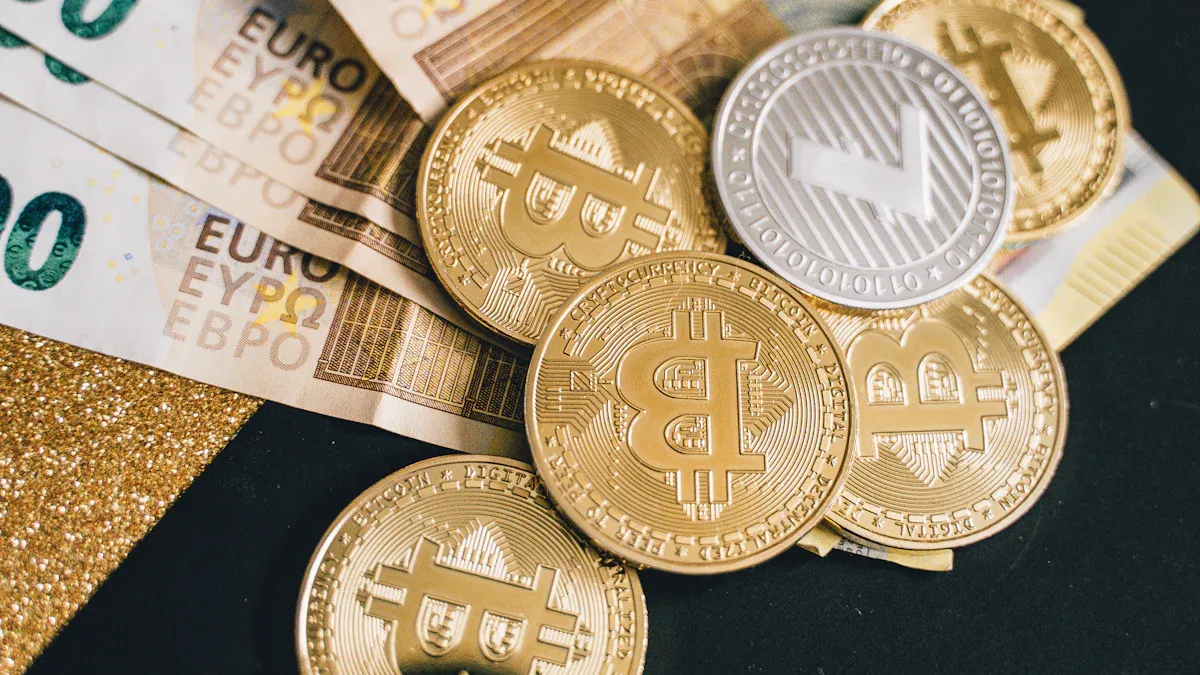
Image Source: pexels
Are you still troubled by high international wire transfer fees? The average outgoing fee for traditional banks is as high as 44 USD, and some banks charge even more.
In contrast, a single USDT transfer costs only a few dollars.
By choosing low-fee blockchain networks and reputable cryptocurrency exchanges, you can minimize the cost of stablecoin international transfers. At the same time, encryption technology and platform security measures can ensure your fund safety.
Key Takeaways
- USDT transfers are much cheaper and faster than traditional bank wire transfers.
- Choosing a secure trading platform and carefully verifying the recipient address can protect your fund safety.
- Understanding and complying with local laws and regulations, including tax requirements, is very important.
- You can first conduct a small test transfer to familiarize yourself with the entire USDT transfer process.
Core Advantages of USDT Transfers
Compared to traditional banking systems, stablecoin international transfers demonstrate revolutionary advantages in cost and efficiency. This is mainly reflected in two core aspects: extreme cost-effectiveness and minute-level transfer speeds.
Extreme Cost-Effectiveness
Traditional bank wire transfers are expensive because funds pass through multiple intermediary institutions, each generating fees. USDT transfers bypass these intermediary links, with funds transferring peer-to-peer directly on the blockchain.
| Comparison Item | Traditional Bank Wire | USDT Transfer (TRC-20 Network) |
|---|---|---|
| Fee Structure | Telegraph fee, intermediary bank fee, currency conversion fee | Network fee (Gas Fee) |
| Typical Cost | $25 - $50 | About $1 - $2 |
Money-Saving Tip: When transferring USDT on the TRON network (TRC-20), you can further reduce fees by “renting energy”. Direct transfers may consume about 14 TRX (about $1.5), but renting sufficient energy via a rental platform may cost only 7 TRX (about $0.75), saving up to 50%.
Minute-Level Transfer Speed
Banking systems are limited by business hours and holidays; an international remittance usually takes 1-5 business days to arrive. If you miss the bank’s daily cutoff, processing is delayed further.
Blockchain networks operate year-round, 7x24 hours without interruption. You can initiate transfers anytime without waiting for banks to open. Whether late at night or on weekends, funds settle in minutes.
USDT transfer speed depends on its blockchain network. For example, on the commonly used TRON network, transaction confirmation usually completes within 1 minute, far faster than traditional wire transfers requiring days. This instantaneity provides great convenience for urgent fund needs.
Three Lines of Defense to Ensure USDT Transfer Safety
Although USDT transfers are efficient and low-cost, safety is always first. By establishing three solid lines of defense, you can effectively protect your digital assets and enjoy the convenience of stablecoins with peace of mind.
Defense Line One: Choose a Secure Trading Platform
Your first line of defense is selecting a reputable and powerful cryptocurrency exchange. A secure platform is the cornerstone of your fund safety. When choosing, focus on whether the platform has the following security features:
- Two-Factor Authentication (2FA): Strongly recommend using Google Authenticator or similar apps, not SMS verification.
- Cold Storage for Funds: The platform stores most user funds offline in cold wallets to prevent hacker attacks.
- Regular Security Audits: Third-party institutions review platform code and systems.
- Address Whitelisting: Allows withdrawals only to pre-approved addresses.
Currently, many mainstream exchanges offer P2P (peer-to-peer) trading, allowing direct USDT buying/selling with other users. Platforms like Bybit, OKX and Binance are trusted for large user bases, low fees, and strong security.
| P2P Exchange | Average Fee | Supported Payment Methods |
|---|---|---|
| OKX | 0% | 900+ |
| Binance | 0% – 0.35% | 700+ |
| Bybit | 0% | 60+ |
Defense Line Two: Execute Rigorous Operation Steps
The second line of defense lies in your own rigorous operational habits. The platform provides security tools, but correct use depends on you.
Core Principle: Double-Check the Address! Blockchain transfers are irreversible. Once sent to the wrong address, funds are permanently lost. Before clicking “send,” carefully verify every character of the recipient address and blockchain network (e.g., TRC-20). A common scam uses malware to tamper with your clipboard address.
Additionally, set a complex password with uppercase/lowercase letters, numbers, and symbols for your account, and change it regularly.
Defense Line Three: Build Strong Anti-Scam Awareness
The third line of defense is anti-scam awareness in your mind. Scammers’ methods evolve, but they all exploit greed or fear. Be wary of these common scams:
- Fake Platforms: Scammers promote fake trading platforms or wallet apps via social media or email, luring deposits with high returns.
- Social Scams: Scammers build trust on social or dating apps, then guide you to invest on their fake platforms. Victims have lost over 500,000 USD in such scams.
- “Prepayment” Traps: When withdrawing, scam platforms demand extra “tax” or “miner fees,” but you never recover principal.
Always be skeptical of unrealistic return promises and avoid unknown links.
Stablecoin International Transfer Practical Guide
Image Source: unsplash
After mastering safety knowledge, you can start practical operations. This guide walks you step-by-step through acquiring USDT to final conversion to fiat, making it easy to get started.
Step One: Acquire USDT
The most mainstream way to acquire USDT is through cryptocurrency exchange P2P (peer-to-peer) markets. Here, you trade directly with individual sellers using familiar payment methods.
1. Choose a P2P Trading Platform: First, register on reputable exchanges like Bybit, OKX, or Binance and complete identity verification (KYC).
2. Screen Sellers: In the P2P area, filter sellers by:
- Currency Type: Choose the fiat you pay (e.g., CNY, HKD).
- Payment Method: Many support Alipay, WeChat Pay, or bank transfer.
- Transaction Amount: Enter your desired purchase range.
3. Place Order and Pay: Follow platform guidance to complete purchase. Example on Bybit:
- Log in, go to P2P page.
- Select “Buy,” choose “USDT,” input fiat amount to filter ads.
- Choose a reputable seller, click “Buy USDT.”
- Enter amount; see seller’s payment info.
- Pay seller within order time.
- After payment, click “I have paid” on platform.
- Wait for seller to confirm and release USDT to your account.
Safety Tip: How to Pick Reliable P2P Sellers?** Your transaction safety largely depends on seller reputation. When choosing:
- High Completion Rate: Prioritize near-100% completion.
- Many Historical Transactions: High-volume sellers are more experienced and reliable.
- Certified Status: Look for “verified” badges indicating platform identity checks.
- Positive Reviews: Check buyer feedback and ratings.
Step Two: Execute Transfer
After acquiring USDT, send it to the recipient. This is the most critical step requiring accuracy.
Core Principle: [Blockchain Transfers Are Irreversible](https://www.ledger.com/academy/topics/blockchain/what-is-a-crypto-wallet-address)! Wrong address means permanent loss with no recovery. Before “send,” perform double or triple checks.
1. Obtain and Verify Recipient Address: Request USDT address from recipient. Verify every character exactly. Best practice: copy-paste and recheck start/end after pasting.
2. Choose Correct Blockchain Network: USDT exists on multiple networks, commonly TRC-20 (TRON) and ERC-20 (Ethereum). Your network must match the address’s exactly.
| Feature | TRC-20 (TRON Network) | ERC-20 (Ethereum Network) |
|---|---|---|
| Address Format | Starts with uppercase T | Starts with 0x |
| Transfer Speed | Usually within 1 minute | May take minutes or longer |
| Typical Fee | About $1 - $2 | Up to $5 - $20 or higher |
3. Execute Transfer Operation:
- In exchange or wallet, select “Withdraw” or “Send.”
- Paste verified recipient address.
- Select correct network (e.g.,
TRC-20). - Enter USDT amount.
- Send Small Test: For first transfers or large amounts, send a tiny amount (e.g., 10 USDT) first. Confirm receipt before full amount.
- After all info correct, enter security code (2FA etc.) to complete.
Step Three: Convert to Fiat
When the recipient receives USDT, they convert it to local fiat (e.g., USD, HKD). Two paths available.
Path A (Mainstream): Sell via P2P Market
Most direct and common. Recipient lists USDT for sale on local exchange P2P.
- On P2P page, select “Sell.”
- Set USDT amount and accepted payment (e.g., bank transfer).
- Wait for buyer payment.
- After bank confirms full receipt, release USDT on platform.
Path B (Advanced): Convert via Compliant Platform and Withdraw to Bank
For converting USDT to USD and depositing to overseas banks (e.g., Wise, OCBC, or Hong Kong licensed banks), choose licensed financial platforms. Ideal for large amounts or compliance needs, completing the stablecoin international transfer loop.
Take BiyaPay as example, holding U.S. MSB licenses, allowing digital currency to USD or HKD conversion.
Operation Flow:
- Deposit USDT: Withdraw USDT from exchange to your BiyaPay personal wallet address.
- Real-Time Conversion: In BiyaPay app, convert USDT to USD in real-time. Platform offers real-time rates, easy operation.
- Bind Bank Account: Link your overseas bank, e.g., Wise, OCBC, or Hong Kong account.
- Withdraw Fiat: Initiate USD withdrawal to bound account. Funds arrive in short time per platform, with transparent fees.
This path solves off-ramping and provides efficient, reliable compliant global fund flow.
If you don’t want to juggle “exchange + wallet + bank account” on your own, you can simplify the setup even further: let the local exchange handle the “buying”, and let BiyaPay handle the “moving and cashing out”. In practice, that means turning a long multi-step chain into just two steps — buy USDT on your usual exchange, withdraw it once to your BiyaPay wallet, and then complete the cross-border transfer and fiat withdrawal entirely inside BiyaPay.
For anyone who regularly needs to move money across regions, this has several very real advantages: first, all balances (USDT, USD, HKD, etc.) are pooled in a single account, so your cash flows are easy to track; second, you can use BiyaPay’s FX converter and rate comparison to see the true cost before deciding whether to keep funds in stablecoins or convert to USD/HKD and wire to a bank; third, later use cases like remitting to family, funding a brokerage account, or paying an overseas vendor can all be done in the same app, without registering a new tool for every scenario.
In other words, you don’t need to become an “on-chain expert” yourself. As a retail user, it’s often enough to buy USDT locally in your familiar fiat, then outsource the complex “cross-border + FX” part to a compliant wallet like BiyaPay — you already capture most of the cost and efficiency upside that stablecoin transfers can offer.
Potential Risks and Compliance Notes
Image Source: unsplash
Although stablecoin transfers offer convenience, you must clearly recognize potential risks and compliance requirements. Fully understanding this helps safer use.
Market Price Volatility Risk
Although stablecoins like USDT aim for 1:1 USD peg, it’s not absolute. In extreme conditions, “de-pegging” may occur, price deviating from 1 USD.
Core Risk: Reserve Assets and Market Confidence Stablecoin stability depends on: 100% or more high-quality reserves by issuer, and sufficient market confidence. If issuer reserves fail (e.g., USDC briefly de-pegged due to Silicon Valley Bank collapse), or panic selling, price fluctuates.
History shows severe de-pegging events causing huge losses.
| Stablecoin Name | De-Peg Time | Main Cause | Consequences |
|---|---|---|---|
| Terra-Luna (UST) | May 2022 | Algorithm flaw under “bank run” attack | UST and LUNA nearly zero, community trust collapse |
Thus, holding stablecoins is not entirely risk-free.
Regional Legal and Regulatory Risks
Stablecoin and cryptocurrency laws evolve globally. You must follow local requirements.
- Identity Verification (KYC/AML): To combat money laundering, mainstream exchanges comply with “Know Your Customer” (KYC) and anti-money laundering (AML). You submit ID for verification. FATF’s “Travel Rule” requires platforms to share user info during transfers.
- Tax Reporting Obligations: Many countries tax crypto. In the U.S., IRS treats crypto as property:
- Selling USDT for USD is taxable.
- Exchanging USDT for another crypto is taxable.
- Using USDT for purchases/services is taxable.
Before stablecoin international transfers, strongly consult local tax professionals to understand specific responsibilities and ensure compliance. Ignoring taxes may cause future legal/financial issues.
Stablecoin international transfers far surpass traditional wires in cost and efficiency, an attractive modern solution. Success keys in three actions:
- Choose Reputable Platforms: Ensure fund safety.
- Double-Check Address and Network: Avoid loss from mismatch or error.
- Understand and Comply with Local Laws: Ensure compliant operations.
After fully understanding risks, start with a small test transfer to experience stablecoin convenience for global funds.
FAQ
Is using USDT transfers legal in mainland China?
You must comply with local laws. Mainland China has strict crypto regulations. Before any transaction, understand and follow all relevant rules for compliance.
Is USDT’s price always exactly 1 USD?
Not entirely. Though aimed at 1:1 USD peg, brief deviations may occur in extreme volatility. Stability relies on issuer reserves and market confidence.
Can I transfer small amounts like 100 USD?
Of course. Stablecoin transfers suit small amounts, saving fees significantly. Compared to traditional wires’ fixed dozens of USD, USDT costs are extremely low, advantageous for small remittances.
Do I need to pay taxes on USDT transactions?
Many countries treat crypto transactions as taxable. Report per local tax laws. We strongly recommend consulting local tax professionals for full compliance.
*This article is provided for general information purposes and does not constitute legal, tax or other professional advice from BiyaPay or its subsidiaries and its affiliates, and it is not intended as a substitute for obtaining advice from a financial advisor or any other professional.
We make no representations, warranties or warranties, express or implied, as to the accuracy, completeness or timeliness of the contents of this publication.
Related Blogs of

Want to Predict A-Share Market Moves? Understanding These 5 Macro Signals Is Enough

Another Major Drop! Why Is the A-Share Index Falling Non-Stop – Where Exactly Is the Problem?


Stop Relying Only on the Shanghai Composite: How the Shenzhen Component and ChiNext Indices Reveal New A-Share Opportunities
A-Share Beginner’s Guide: Master Market Hours and Trading Rules in One Article

Choose Country or Region to Read Local Blog
 Australia
 Austria
 Belgium
 Canada
 Cyprus
 Czech Republic
 Denmark
 Estonia
 Finland
 France
 Germany
 Greece
 Hong Kong
 India
India Indonesia
 Ireland
 Italy
Italy Japan
Japan Latvia
 Lithuania
 Luxembourg
 Malaysia
 Malta
Malta Morocco
 Nepal
Nepal Netherlands
 New Zealand
 Norway
 Pakistan
 Philippines
 Poland
 Portugal
 Romania
 Singapore
 Slovakia
 Slovenia
 South Africa
 South Korea
 Spain
Spain Sweden
 Thailand
 The United States
 Turkey
 United Arab Emirates
 United Kingdom
 Vietnam
Contact Us




BIYA GLOBAL LLC is a licensed entity registered with the U.S. Securities and Exchange Commission (SEC No.: 802-127417); a certified member of the Financial Industry Regulatory Authority (FINRA) (Central Registration Depository CRD No.: 325027); regulated by the Financial Industry Regulatory Authority (FINRA) and the U.S. Securities and Exchange Commission (SEC).
BIYA GLOBAL LLC is registered with the Financial Crimes Enforcement Network (FinCEN), an agency under the U.S. Department of the Treasury, as a Money Services Business (MSB), with registration number 31000218637349, and regulated by the Financial Crimes Enforcement Network (FinCEN).
BIYA GLOBAL LIMITED is a registered Financial Service Provider (FSP) in New Zealand, with registration number FSP1007221, and is also a registered member of the Financial Services Complaints Limited (FSCL), an independent dispute resolution scheme in New Zealand.