Currency Symbols and Their Global Meanings Explained



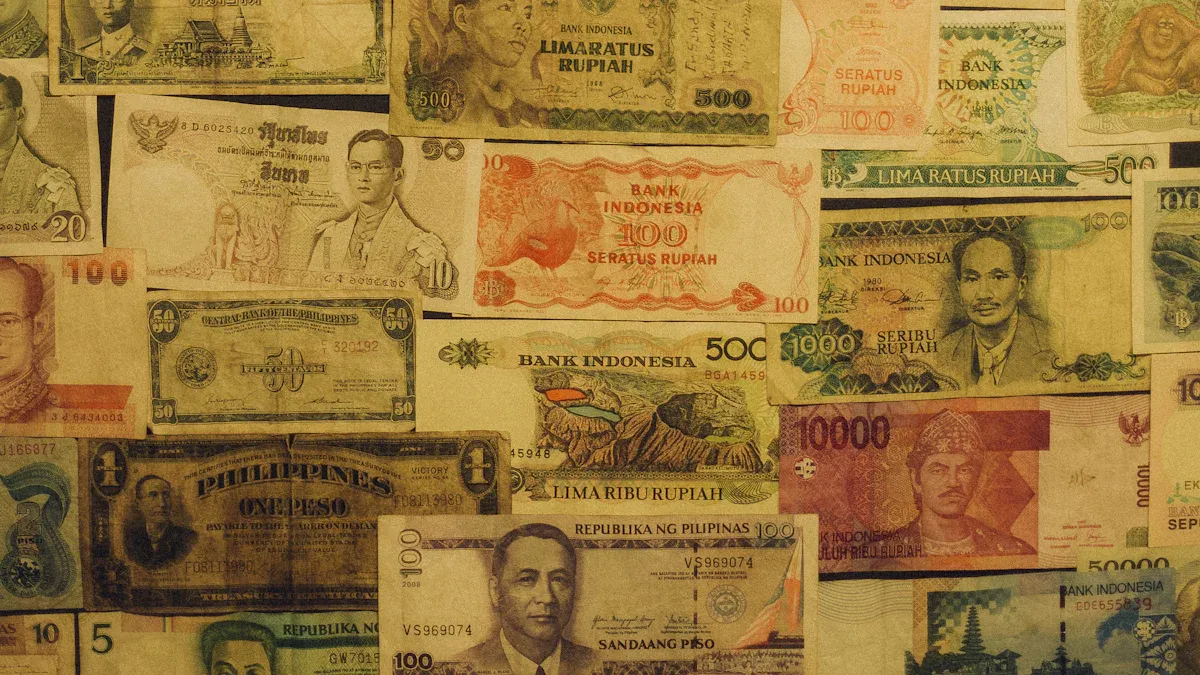
Image Source: unsplash
Imagine you see a strange sign next to a price while shopping online or traveling. You might wonder what that currency symbol means. Knowing currency symbols helps you avoid mistakes when you buy things in other countries. You often see a currency symbol before or after a number. Some currency symbols look almost the same, but they mean different things. If you understand each currency symbol, you can feel more confident with money from around the world. Learning about currency symbols also opens the door to interesting stories and facts.
Key Takeaways
- Currency symbols are special signs that show which money is used, helping you understand prices and avoid mistakes.
- Many countries share similar symbols, so checking the three-letter currency code helps you know the exact currency.
- Common symbols like $, €, £, ¥, and ₹ represent major world currencies and reflect each country’s culture and history.
- Currency symbol placement varies by country, so follow local rules to write prices correctly and clearly.
- Using both currency symbols and codes improves clarity in shopping, travel, and international business.
What Are Currency Symbols?
Definition and Purpose
You see a currency symbol every time you look at a price tag, shop online, or read financial news. A currency symbol is a special sign that stands for a type of money. For example, the dollar sign ($) shows you that the price is in United States dollars. Each currency symbol helps you quickly identify which money you are dealing with. This makes it easier to understand prices and avoid mistakes when you handle foreign currencies.
Currency symbols and codes work together to make things clear. You often see a symbol like $ or € on websites, apps, and receipts. Sometimes, you see a three-letter currency code, such as USD for United States dollars or EUR for euros. These codes help you tell the difference between similar symbols. For example, both the United States and Australia use the dollar sign, but their currency codes are USD and AUD. This system keeps things organized and helps you avoid confusion.
Note: Currency symbols and codes are important in e-commerce, accounting, and banking. They make sure everyone understands which money is being used, even when people speak different languages.
Global Importance
Currency symbols play a big role in the world economy. When you travel, shop online, or do business with people in other countries, you need to know which currency you are using. World currency symbols give you a fast way to recognize different types of money. This helps you make smart choices and avoid costly mistakes.
You also see currency codes used with symbols to make things even clearer. This is important because some countries use similar names for their money. For example, both Canada and Australia use the dollar, but their codes are CAD and AUD. Using both the currency symbol and the currency code helps you know exactly which money you are dealing with.
- Currency symbols and codes:
- Provide clear, standardized signs for each currency.
- Help you avoid confusion between similar-sounding currencies.
- Make financial documents and digital platforms easy to understand.
- Support accurate reporting and accounting.
- Improve your experience when you use apps, websites, or travel.
World currency symbols also show the culture and history of a country. They help build trust and make it easier for people to do business around the world. When you understand these symbols, you can handle foreign currencies with confidence.
Most Common Currency Symbols
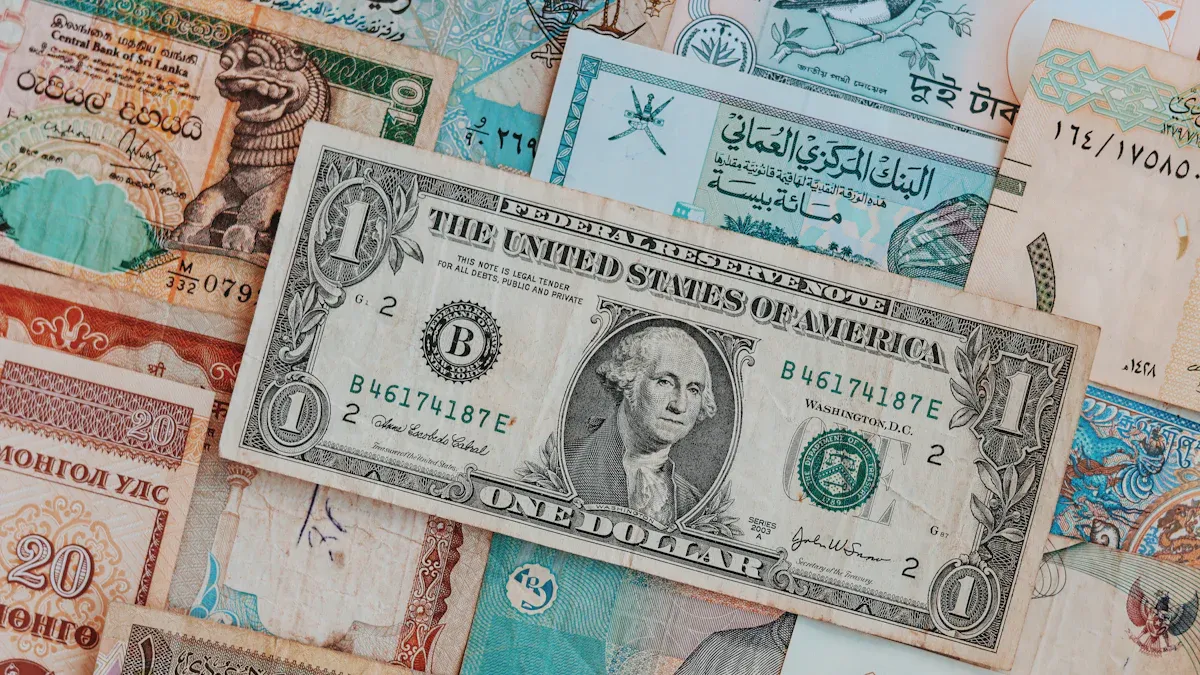
Image Source: pexels
Dollar, Euro, Pound, Yen, Rupee
You see the most common currency symbols almost every day, whether you shop online, travel, or read about world news. These symbols help you quickly recognize the type of money used in different countries. Here is a list of currency symbols that you will find in many places:
| Currency Symbol | Currency Name | Global Recognition & Usage Statistics |
|---|---|---|
| $ | US Dollar | 88% of daily forex trades; 59% of global reserves; used as a global reference. |
| € | Euro | Second-most traded; used by 19+ European countries; key in European transactions. |
| £ | Pound Sterling | Historic importance; recognized worldwide; strong in forex markets. |
| ¥ | Japanese Yen | Top five global reserve currencies; popular in trading pairs. |
| ₹ | Indian Rupee | Used by over a billion people; symbol of India’s economy and culture. |
| ₽ | Russian Ruble | Represents Russia’s economic strength; used in Russia and some neighboring countries. |
This list of currency symbols shows you the signs of money currency that shape the world economy. The dollar sign stands out as the most recognized, but the euro sign, pound sterling sign, japanese yen sign, indian rupee sign, and russian ruble sign also play major roles.
Each currency symbol has a unique story. The dollar sign ($) comes from the Spanish-American peso, with some saying it shows the Pillars of Hercules. The euro sign (€) is based on the Greek letter epsilon, which stands for Europe and unity. The pound sterling sign (£) comes from the Latin word “libra,” meaning a pound of silver. The japanese yen sign (¥) and the Chinese yuan use the same symbol, which comes from the idea of round coins. The indian rupee sign (₹) mixes the Roman “R” and the Devanagari “र” to show India’s culture. The russian ruble sign (₽) uses the Cyrillic letter “Р” to reflect Russian identity.
You can see how these money symbols reflect history and culture. The list of currency symbols above helps you understand why these signs matter in global trade and finance.
Tip: When you see a price like $100, €85, or ₹5000, you know right away which currency is in use. This makes shopping and comparing prices much easier.
Distinguishing Similar Symbols
Sometimes, you may notice that different countries use the same currency symbol. For example, the dollar sign ($) appears in the United States, Canada, and Australia. The yen sign (¥) is used for both the Japanese yen and the Chinese yuan. To avoid confusion, you need to look at the currency code symbol or the full currency code.
Here is a list of currency symbols that often look similar and how you can tell them apart:
| Symbol | Country/Currency | ISO Currency Code | Example Usage |
|---|---|---|---|
| $ | United States Dollar | USD | $100 USD |
| C$ | Canadian Dollar | CAD | C$100 CAD |
| A$ | Australian Dollar | AUD | A$100 AUD |
| ¥ | Japanese Yen | JPY | ¥1000 JPY |
| ¥ | Chinese Yuan | CNY | ¥100 CNY |
You can use the ISO currency code to make sure you know which money you are dealing with. The currency code symbol uses three letters. The first two letters show the country, and the last letter shows the currency. For example, USD stands for United States Dollar, AUD for Australian Dollar, and CAD for Canadian Dollar. This system helps you avoid mistakes when you see the same symbol in different places.
Note: Always check the currency code when you see a familiar symbol in a new context. This helps you avoid paying the wrong amount or making a costly error.
You also need to pay attention to where the symbol appears. In the United States, you see the dollar sign before the number, like $50. In Europe, the euro sign can appear before or after the number, such as €20 or 20€. The indian rupee sign usually comes before the amount, like ₹500. The russian ruble sign also appears before or after the number, depending on the style.
Here is a quick list of currency symbols and their placement:
- Dollar sign ($): Before the number (e.g., $100)
- Euro sign (€): Before or after the number (e.g., €50 or 50€)
- Pound sterling sign (£): Before the number (e.g., £30)
- Japanese yen sign (¥): Before the number (e.g., ¥1000)
- Indian rupee sign (₹): Before the number (e.g., ₹200)
- Russian ruble sign (₽): Before or after the number (e.g., ₽500 or 500₽)
This list of currency symbols and their placements helps you read prices correctly in different countries.
You can see that currency codes play a big role in global finance. They help you tell the difference between similar money symbols and keep your transactions clear. The list of currency symbols above gives you a quick way to check which currency you are using.
If you want to remember the most common currency symbols, keep this list of currency symbols handy. It will help you recognize the signs of money currency and avoid confusion. You will find that knowing the list of currency symbols makes you more confident when you handle world money.
Different Currency Symbols Around the World
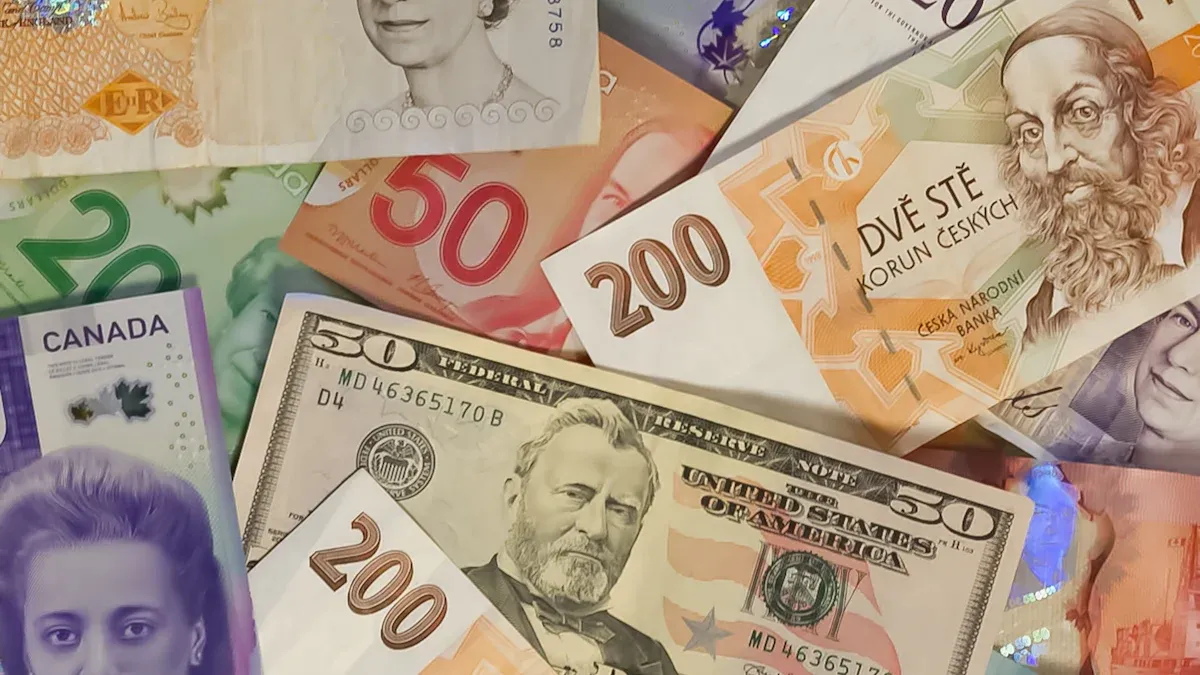
Image Source: unsplash
Regional and Unique Signs
You can find many different currency symbols that represent the unique identity of each country. Some symbols stand out because they only appear in certain regions. The brazilian real sign, for example, is easy to spot and tells you that you are dealing with Brazil’s currency. The table below shows a list of currency symbols used in different countries:
| Country | Currency Name | Currency Symbol |
|---|---|---|
| India | Indian Rupee | ₹ |
| Russia | Russian Ruble | ₽ |
| Brazil | Brazilian Real | R$ |
| South Africa | South African Rand | R |
| United States | US Dollar | $ |
| Argentina | Argentine Peso | $ |
| Uruguay | Uruguayan Peso | $ |
| Japan | Japanese Yen | ¥ |
| China | Chinese Yuan | ¥ |
| United Kingdom | British Pound | £ |
You may notice that the $ symbol appears in several countries, but it does not always mean the same thing. In Argentina and Uruguay, the $ sign stands for the peso, not the dollar. The brazilian real sign, written as R$, helps you tell it apart from other money signs. Placement of these symbols also changes by region. In France, you see the symbol after the amount, like 20 €, and a comma as the decimal separator. In Japan, you do not see decimal places for prices. These differences show how world currency symbols reflect local customs.
World Money Signs in Daily Life
You use world currency symbols every day, even if you do not notice them. These symbols act as a quick way to show which money you are using. When you look at a menu, a store price tag, or a financial document, you rely on these signs to understand the value. People in countries with unique currencies, such as the brazilian real sign or the Turkish lira (₺), use these symbols to make shopping and banking easier.
World currency symbols also carry deeper meaning. The Indian rupee symbol combines letters from two scripts, showing both tradition and modern identity. The Turkish lira symbol looks like an anchor, which stands for stability and growth. These designs help people feel proud of their country’s money. You see world money signs in international trade, where they make transactions clear and simple. Knowing how to type or insert different currency symbols helps you keep good records and communicate about prices.
The list of currency symbols you see in daily life connects you to the world economy. When you recognize world money signs, you understand more about culture and business. The currency symbols of the world help you make smart choices, whether you travel, shop online, or read about global markets.
Using Currency Symbols Correctly
Typing and Placement
You often need to type a currency symbol when you write prices, send invoices, or use currency conversion services. Each device has its own shortcuts and tools for entering these symbols. The table below shows some common ways to type currency symbols on Windows and Mac:
| Currency Symbol | Windows Method(s) | Mac Method(s) | Additional Notes |
|---|---|---|---|
| $ | Alt + 0156 (numeric keypad) | Option + 4 | Excel: Ctrl + Shift + 4 for quick formatting |
| £ | Alt + 0163 (numeric keypad) | Option + 3 | Google Docs: Insert > Special Characters |
| General Tips | Enable Num Lock, use Character Map | Keyboard Viewer tool | Long-press on smartphone currency key for more options |
You can also use built-in utilities like Character Map on Windows or Keyboard Viewer on Mac to find and insert any currency symbol. On smartphones, press and hold the currency key to see more options. If you work with Linux, try the Compose key for special characters.
Placement of the currency symbol depends on the country and language. For example, in the United States, you write the symbol before the amount with no space ($100). In France or Germany, the symbol comes after the amount with a space (100 €). The table below shows some common formats:
| Country/Region | Currency | Symbol Placement | Example Format |
|---|---|---|---|
| United States | US Dollar | Left, no space | $123,456.79 |
| France | Euro | Right, with space | 123 456,79 € |
| India | Indian Rupee | Left, no space | ₹1,23,456.79 |
Tip: Always check local rules for symbol placement when you write prices for international conversions.
Avoiding Common Mistakes
You can avoid confusion by following a few best practices. Use the currency code with the currency symbol when you deal with more than one type of money. For example, write “USD 100” instead of just “$100” if you want to make the currency clear. This helps when you use currency conversion services or work with international partners.
- Follow local rules for symbol placement and spacing.
- Use the correct decimal and thousand separators for each region.
- Adapt your writing for right-to-left scripts, such as Arabic, to keep prices clear.
- Test your documents with native speakers if possible.
Financial institutions recommend using standardized ISO 4217 currency codes for clarity, especially in international conversions. Stay updated on changes in currency symbols and formats by checking official sources. This will help you avoid costly mistakes and keep your communication clear.
Understanding currency symbols helps you travel smarter, avoid scams, and make better choices when shopping or doing business worldwide. You can spot errors, save money, and prevent confusion by learning common symbols and using ISO 4217 codes. Try to notice different currency signs in your daily life. This skill builds your financial literacy and helps you appreciate global cultures. Have you ever faced confusion with world money signs? Share your stories or questions in the comments below.
FAQ
What is the difference between a currency symbol and a currency code?
A currency symbol is a special sign, like $, that shows the type of money. A currency code uses three letters, such as USD for United States dollars. You often see both together for clarity.
How can you tell which country uses a currency symbol like $ or ¥?
You can check the three-letter currency code. For example, USD means United States dollars, AUD means Australian dollars, and JPY means Japanese yen. Always look for the code to avoid confusion.
Why do some prices show the currency symbol before the number and others after?
Countries have different rules for symbol placement. In the United States, you see $100. In France, you see 100 €. Always follow local customs when you write prices.
How do you type currency symbols on a computer or phone?
You can use keyboard shortcuts or special character menus. For example, on Windows, press Alt + 0163 for £. On a phone, hold the $ key to see more options. You can also copy and paste symbols from online sources.
This guide shows you that currency symbols are more than just signs—they are keys to understanding global finance and culture. For travelers, shoppers, and business owners, recognizing these symbols is crucial to avoid costly mistakes. But what happens when you need to convert or transfer money between these different currencies? The real challenge isn’t just knowing the symbol; it’s getting the best value when you move money across borders, which often involves confusing exchange rates and high hidden fees. This is where BiyaPay provides a modern, transparent solution. Our platform provides real-time exchange rate queries and conversions for a wide range of fiat and digital currencies, with remittance fees as low as 0.5%.
Whether you’re sending USD, receiving EUR, or converting between different currencies, BiyaPay makes the process fast, affordable, and straightforward. With our commitment to transparency, you can be sure you’re getting the best rates, not hidden charges. Our fast registration and support for same-day delivery to most countries and regions worldwide help you confidently manage your global finances. Don’t let confusing exchange rates and high fees hold you back. Open a secure account with BiyaPay in minutes and experience a new level of financial freedom. Register now to start your global financial journey.
*This article is provided for general information purposes and does not constitute legal, tax or other professional advice from BiyaPay or its subsidiaries and its affiliates, and it is not intended as a substitute for obtaining advice from a financial advisor or any other professional.
We make no representations, warranties or warranties, express or implied, as to the accuracy, completeness or timeliness of the contents of this publication.
Related Blogs of
In-Depth Review: After ChiNext Dropped Over 1% and Rebounded, Who Will Be Tomorrow’s A-Share Leader?


Like a Snowball: Let Shanghai Stock Market Index Make Your Money Work for You

Stop Relying Only on the Shanghai Composite: How the Shenzhen Component and ChiNext Indices Reveal New A-Share Opportunities


Volume-Price Rising Together or Diverging? Complete A-Share Practical Trading Strategy Guide

Choose Country or Region to Read Local Blog
 Australia
 Austria
 Belgium
 Canada
 Cyprus
 Czech Republic
 Denmark
 Estonia
 Finland
 France
 Germany
 Greece
 Hong Kong
 India
India Indonesia
 Ireland
 Italy
Italy Japan
Japan Latvia
 Lithuania
 Luxembourg
 Malaysia
 Malta
Malta Morocco
 Nepal
Nepal Netherlands
 New Zealand
 Norway
 Pakistan
 Philippines
 Poland
 Portugal
 Romania
 Singapore
 Slovakia
 Slovenia
 South Africa
 South Korea
 Spain
Spain Sweden
 Thailand
 The United States
 Turkey
 United Arab Emirates
 United Kingdom
 Vietnam
Contact Us




BIYA GLOBAL LLC is a licensed entity registered with the U.S. Securities and Exchange Commission (SEC No.: 802-127417); a certified member of the Financial Industry Regulatory Authority (FINRA) (Central Registration Depository CRD No.: 325027); regulated by the Financial Industry Regulatory Authority (FINRA) and the U.S. Securities and Exchange Commission (SEC).
BIYA GLOBAL LLC is registered with the Financial Crimes Enforcement Network (FinCEN), an agency under the U.S. Department of the Treasury, as a Money Services Business (MSB), with registration number 31000218637349, and regulated by the Financial Crimes Enforcement Network (FinCEN).
BIYA GLOBAL LIMITED is a registered Financial Service Provider (FSP) in New Zealand, with registration number FSP1007221, and is also a registered member of the Financial Services Complaints Limited (FSCL), an independent dispute resolution scheme in New Zealand.