How to Prevent Intermediary Bank Fees in International Transfers





Image Source: pexels
You want to avoid paying extra when making an international wire transfer. The best way is to look for free wire transfers or use services that show you all costs upfront. Many people skip wire transfer fees by picking online banks or apps that send money straight to the recipient’s account. Here are some smart moves:
- Pick banks that send money directly, so no extra intermediary bank steps.
- Pay in the recipient’s local currency to dodge extra conversion fees.
- Try fintech platforms with clear rates and free wire transfers.
- Send larger amounts less often to save on fixed transfer fees.
If you understand how international wire transfers work, you can keep more of your money.
Key Takeaways
- Use online money transfer services that show all fees upfront and often skip intermediary banks to save money.
- Send money in the recipient’s local currency to avoid extra conversion fees and speed up transfers.
- Choose peer-to-peer or fintech platforms for lower costs, faster delivery, and transparent pricing.
- Compare exchange rates and total costs before sending money to avoid hidden fees and get the best deal.
- Talk to your bank and the recipient’s bank to understand fees, negotiate better rates, and confirm all charges.
Avoid International Wire Transfer Fees
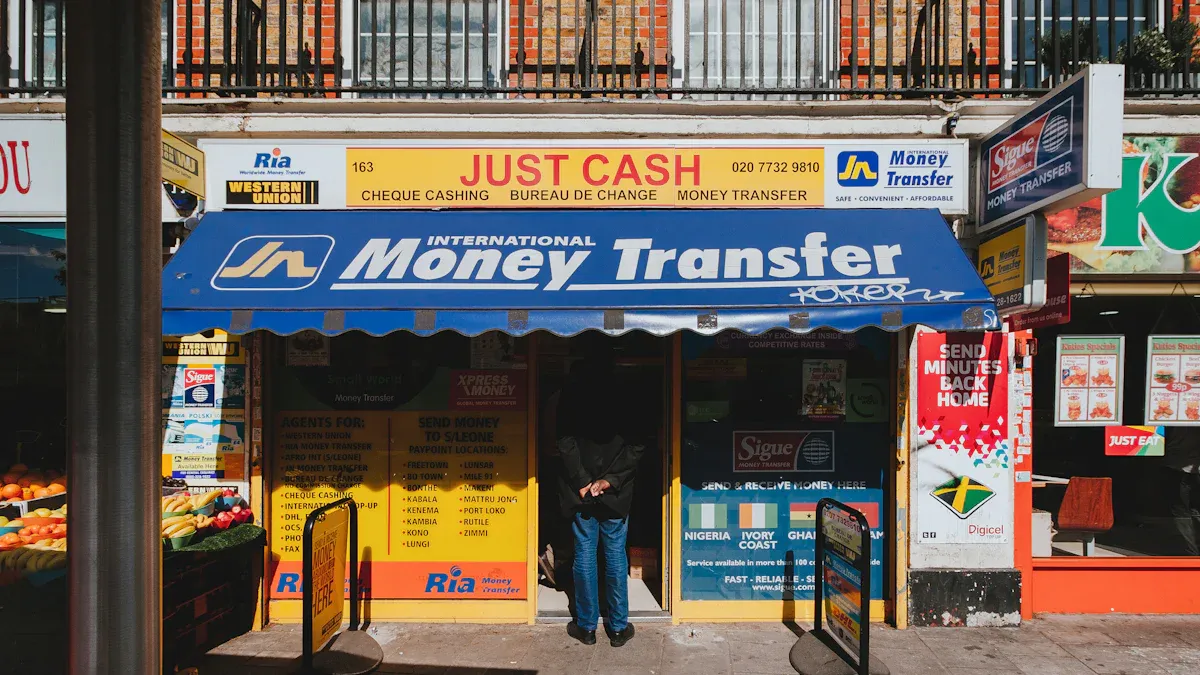
Image Source: unsplash
Use Online Transfers
You can avoid international wire transfer fees by switching to online transfer services. These platforms, like Wise and PayPal, show you all costs before you send money. They use transparent pricing and better exchange rates, so you know exactly what you pay. Traditional banks, such as Wells Fargo or Bank of America, often charge $35 to $45 for each international wire transfer. Online services can save you up to 70% or more on fees. Here’s a quick look at how much you might pay:
| Bank | International Wire Fee (USD) |
|---|---|
| Wells Fargo | $35 - $45 |
| Chase | $5 - $50 (varies by method) |
| Bank of America | $45 |
| Capital One | $40 - $50 |
Online platforms like Wise, PayPal, and Zelle usually charge much less. Some even offer free wire transfers for certain transactions. You get low cost international transfers and avoid wire transfer fees that banks add on top.
Tip: Always check the total cost before you send money. Some online services show you the exchange rate and all fees upfront, so there are no surprises.
If you have a premium account or keep a high balance, your bank might waive wire transfer fees. For example, Bank of America waives fees for Preferred Rewards Platinum members, and Chase offers free wire transfers for Private Client accounts. Here’s a table with more details:
| Bank | Fee Waiver Condition for International Wire Transfers |
|---|---|
| Bank of America | Waives fees for Preferred Rewards Platinum and higher |
| PNC Bank | Waives fees for Performance Select Checking |
| U.S. Bank | Pinnacle account customers get unlimited free wires |
| Citibank | Waives fees for Citi Priority and Citigold clients |
| Chase | Free wires for Private Client and Sapphire accounts |
| Wells Fargo | Fee waivers depend on account type |
If you send money often, talk to your bank. You can sometimes negotiate lower fees, especially if you make high-value or frequent transfers. Ask your account manager about deals or special rates. Banks want to keep loyal customers, so they may offer you free wire transfers or better rates.
Send in Local Currency
You can avoid international wire transfer fees by sending money in the recipient’s local currency. When you pay in USD or another foreign currency, intermediary banks may step in to convert the money. This process adds extra charges, sometimes between $10 and $50 per transfer. If you send money directly in the local currency, you skip these extra steps and costs.
- Many people do not realize that sending money in the sender’s currency can trigger extra fees.
- Paying in the recipient’s local currency helps you avoid wire transfer fees from intermediary banks.
- Some platforms, like Afriex, let you send money straight to a Global Account in the local currency. This method avoids conversion fees and extra charges.
- Always ask your recipient which currency works best for them.
Note: Paying in local currency also speeds up the process. You avoid delays caused by currency conversion at intermediary or recipient banks.
Choose Peer-to-Peer Services
Peer-to-peer (P2P) services give you another way to avoid international wire transfer fees. These platforms connect you directly with other users, so you skip the traditional banking system. Services like Wise, Venmo, and Zelle use technology to match your transfer with someone moving money in the opposite direction. This process keeps costs low and often results in free wire transfers.
Some P2P platforms use cryptocurrency, like stablecoins (USDT or USDC), to move money. These transfers happen on blockchain networks, so you avoid intermediary banks and their fees. Transactions settle in minutes, not days. You also get more reliable exchange rates and lower risk of price changes.
- P2P services usually show you all costs before you send money.
- You can use these platforms for both one-time and regular payments.
- Crypto-based services, such as CoinGate, offer transparent, low fees with no intermediary bank charges.
If you want low cost international transfers, P2P services are a smart choice. You avoid wire transfer fees, get faster delivery, and enjoy more control over your money.
Tip: Always compare the total cost, including exchange rates and any small platform fees, before you choose a service.
Bypass Expensive Bank Fees
Select Non-Bank Money Transfer Services
You can bypass expensive bank fees by choosing non-bank money transfer services. These companies, like Wise and OFX, help you send money overseas without the high costs that banks often charge. Here’s how they stack up:
- Wise charges a small, clear fee and always uses the real mid-market exchange rate. You see exactly what you pay before you send money.
- OFX does not charge a fixed fee for transfers over $10,000, but it adds a small markup to the exchange rate. This can be a good choice if you need to send a large amount.
- Both Wise and OFX move money faster than most banks and show you all costs upfront. You avoid hidden fees and get more control over your transfer.
- Wise works well for smaller, frequent transfers. OFX is better for big payments.
| Aspect | Wise | OFX |
|---|---|---|
| Fee Structure | Small, variable percentage-based fee on amount sent | No fixed fee for transfers over $10,000; $15 fee for smaller amounts |
| Exchange Rate | Real mid-market rate, no markup | Markup on exchange rate (about 0.4% or higher) |
| Cost-effectiveness | Cheaper for small, frequent transfers | Better for large transfers |
| Transfer Speed | Often within one business day | Usually 3-4 business days |
| Extra Features | Multi-currency account, debit card | Advanced FX tools |
| Transparency | High | Less transparent due to exchange rate markup |
You can also find new services that use technology to move money directly, skipping the old bank networks. This helps reduce fees and makes your international money transfer faster and easier.
Compare Exchange Rates and Total Costs
Before you send money, always compare exchange rates and total costs. Banks often hide extra charges in their exchange rates. For example, if you send $1,000, a bank might charge $30 to $40 in fees, plus add a hidden markup to the exchange rate. You could lose even more if the bank charges both you and the person receiving the money.
Non-bank services like Wise show you the real exchange rate and tell you all fees upfront. You save about $27 to $37 on a $1,000 transfer compared to using a bank. Wise even guarantees the exchange rate for a set time and alerts you if a better rate comes up.
Watch out for other hidden costs, too. These can include:
- Fixed transfer fees (from $5 to $50)
- Percentage-based fees (0.5% to 3%)
- Intermediary or correspondent bank charges
- Currency conversion fees (1% to 3%)
- Extra charges for fast transfers or fixing mistakes
If you compare all these costs, you can pick the best way to reduce fees and keep more of your money.
Understanding Wire Transfer Fees
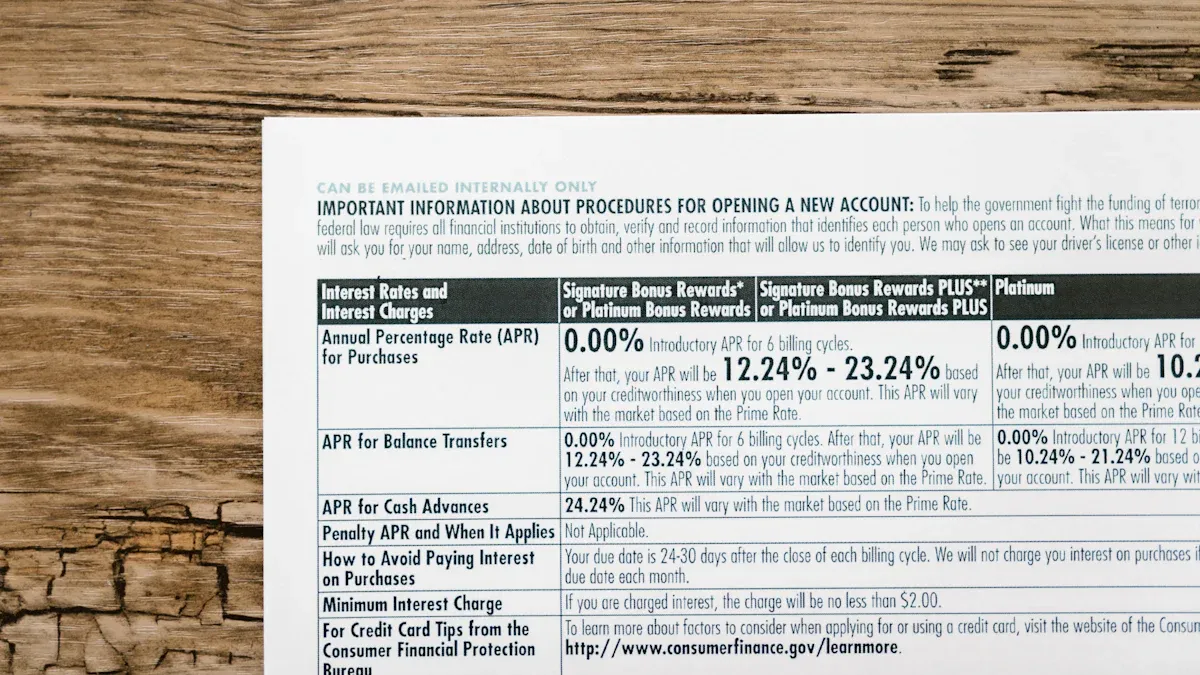
Image Source: pexels
What Are Intermediary Bank Fees?
When you send money using an international wire transfer, your money sometimes passes through one or more extra banks before it reaches the recipient. These extra banks are called intermediary banks. They help move your money when the sending and receiving banks do not have a direct connection. Intermediary banks charge their own wire transfer fees for this service. Usually, these fees are fixed amounts, often between $15 and $50 per transaction. These charges are separate from the fees your own bank or the recipient’s bank might charge. You usually do not need to pick the intermediary bank yourself; your bank handles that part for you.
- Intermediary banks act as middlemen for international wire transfers.
- They charge fixed fees, not percentages.
- These fees can add up and make your transfer more expensive.
Note: Over 70% of international payments involve at least one intermediary bank, so these fees are very common.
Why Do They Occur?
You might wonder why intermediary bank fees even exist. The main reason is that many banks around the world do not have direct relationships with each other. When you send money overseas, a third-party bank steps in to connect your bank with the recipient’s bank. This process helps your money reach places your bank cannot reach on its own. Intermediary banks also handle currency conversions and make sure the transfer follows rules against money laundering. Each bank in the chain may charge a handling fee, a currency conversion fee, or a service fee. If your transfer passes through more than one intermediary bank, you could see multiple fees taken out.
- Intermediary banks connect banks that do not work together directly.
- They help with currency exchange and follow safety rules.
- Each bank in the chain may charge its own fee, making the total cost higher.
OUR, SHA, BEN Options
When you set up an international wire transfer, you can choose how to handle wire transfer fees. The three main options are OUR, SHA, and BEN. Each one decides who pays the fees and how much the recipient gets.
| Payment Option | Who Pays Sending Bank Fees | Who Pays Intermediary Bank Fees | Who Pays Receiving Bank Fees | Effect on Recipient Amount |
|---|---|---|---|---|
| OUR | Sender | Sender | Sender | Recipient gets full amount |
| SHA | Sender | Recipient | Recipient | Recipient gets less after fees |
| BEN | Recipient | Recipient | Recipient | Recipient gets least, all fees deducted |
- OUR: You pay all the wire transfer fees, including those from intermediary and recipient banks. The person you send money to gets the full amount.
- SHA: You pay your bank’s fee. The recipient pays the intermediary and receiving bank fees. The recipient gets less money after those fees.
- BEN: The recipient pays all the fees. All charges come out of the money you send, so the recipient gets the smallest amount.
Tip: If you want your recipient to get the full amount, choose the OUR option. It costs you more, but it avoids deductions from the recipient’s payment.
Step-by-Step to Avoid Wire Transfer Fees
Before you send money overseas, you can follow a simple checklist to help you avoid wire transfer fees and keep more of your money. Here’s what you should do:
- Pay in the recipient’s local currency whenever possible.
- Use online payment platforms or fintech services that skip third-party charges.
- Negotiate with your bank to lower or waive wire transfer fees.
- Send larger amounts less often to cut down on the number of fees.
- Compare exchange rates to spot hidden costs.
- Try multi-currency accounts to hold and send funds in different currencies.
- Pick banks with direct international connections, like some Hong Kong banks, to avoid extra intermediary fees.
- Use peer-to-peer apps or cryptocurrency for cheaper transfers.
- Track your payments with services that offer free global tracking.
Research Bank Policies
You should always check your bank’s policies before making an international transfer. Banks have different rules and fees, so it pays to look closely. Here’s a table to help you know what to review:
| Bank Policy Area | Description |
|---|---|
| Transfer Initiation Fees | Fees charged by your bank when you start the transfer. |
| Intermediary Bank Fees | Extra charges from banks in the middle, usually $15-$30, not always clear upfront. |
| Currency Exchange Fees | Markups or fees when your money changes to another currency. |
| SWIFT Charge Instructions | Options like OUR, SHA, BEN decide who pays which fees. |
You can also call your bank to ask about all possible charges, including exchange rate markups. Some banks charge $45 for sending money and $15 for receiving it. Always ask for a full list of fees before you send money.
Communicate with Recipient’s Bank
Talking to the recipient’s bank can help you avoid surprises. Here’s why this step matters:
- Some intermediary banks charge fees you might not see upfront.
- More than one intermediary bank can mean more fees.
- The recipient’s bank can tell you about their own fees and how many intermediary banks are involved.
- You can double-check the recipient’s bank details to avoid mistakes or delays.
If you ask the recipient’s bank about their fee structure and the number of banks in the chain, you can avoid hidden charges and make sure your money arrives safely.
Confirm All Charges
Before you hit send, take these steps to confirm every charge:
- Log in to your online banking or visit your bank.
- Find the section for international wire transfers.
- Enter the recipient’s details and the amount.
- Check all fees and exchange rates your bank applies.
- Review every detail for accuracy.
- Confirm the transfer and save your receipt.
You should also double-check for hidden fees from intermediary banks or exchange rate markups. Make sure you know the total cost before you send money. If you follow these steps, you can avoid wire transfer fees and make your transfer with confidence.
You have many cost-effective ways to avoid losing money on international transfers. Always compare both fees and exchange rates before you send money. Online platforms like Wise and OFX show you all costs upfront and often offer free wire transfers. Talk with your recipient to find accounts with lower receiving fees. Remember, hidden charges can add up fast, so check every detail. If you want to save more, review your next transfer and look for free wire transfers or services that skip intermediary banks.
FAQ
What is the best way to avoid intermediary bank fees?
You can use online money transfer services that send funds directly to the recipient’s account. These platforms often skip intermediary banks, so you pay fewer fees and see all costs upfront.
Can I avoid fees by using a Hong Kong bank?
Yes, some Hong Kong banks have direct international connections. You can reduce or avoid intermediary fees if you use these banks for your transfer. Always ask your bank about their network and possible charges.
How do I know if my transfer will use an intermediary bank?
Ask your bank before you send money. They can check if the recipient’s bank has a direct link. If not, your transfer will likely pass through one or more intermediary banks, which means extra fees.
Which transfer option (OUR, SHA, BEN) should I choose?
| Option | Who Pays Fees | Recipient Gets Full Amount? |
|---|---|---|
| OUR | You | Yes |
| SHA | Split | No |
| BEN | Recipient | No |
Choose OUR if you want the recipient to get the full amount.
Fed up with $15-$50 intermediary bank fees and hidden exchange rate markups from banks like Chase or Wells Fargo? BiyaPay offers a cost-effective alternative with transfer fees as low as 0.5%. With “Send Today, Arrive Today,” your funds reach recipients promptly, bypassing costly intermediary banks. Freely convert multiple fiat and digital currencies using real-time exchange rates for full transparency. BiyaPay’s regulated platform ensures secure, low-cost transfers, perfect for businesses or travelers sending money to Mexico, Germany, and beyond. Sign up with BiyaPay today to save on international transfers!
*This article is provided for general information purposes and does not constitute legal, tax or other professional advice from BiyaPay or its subsidiaries and its affiliates, and it is not intended as a substitute for obtaining advice from a financial advisor or any other professional.
We make no representations, warranties or warranties, express or implied, as to the accuracy, completeness or timeliness of the contents of this publication.
Related Blogs of

What are the differences in valuation logic between SpaceX, Tesla, and Nvidia? Comparison of Tech Growth Stocks


Is the SpaceX IPO Worth Watching? What Risks Should Investors Watch in High-Valuation Tech Stocks?


What Challenges Could SpaceX Face After Going Public? An Analysis of Regulation, Competition, Costs, and Commercialization Risks


Is SpaceX’s Valuation Too High? How to Understand Price-to-Sales Ratio, Losses, and Growth Expectations
Choose Country or Region to Read Local Blog
 Australia
 Austria
 Belgium
 Canada
 Cyprus
 Czech Republic
 Denmark
 Estonia
 Finland
 France
 Germany
 Greece
 Hong Kong
 India
India Indonesia
 Ireland
 Italy
Italy Japan
Japan Latvia
 Lithuania
 Luxembourg
 Malaysia
 Malta
Malta Morocco
 Nepal
Nepal Netherlands
 New Zealand
 Norway
 Pakistan
 Philippines
 Poland
 Portugal
 Romania
 Singapore
 Slovakia
 Slovenia
 South Africa
 South Korea
 Spain
Spain Sweden
 Thailand
 The United States
 Turkey
 United Arab Emirates
 United Kingdom
 Vietnam
Contact Us




BIYA GLOBAL LLC is registered with the Financial Crimes Enforcement Network (FinCEN), an agency under the U.S. Department of the Treasury, as a Money Services Business (MSB), with registration number 31000218637349, and regulated by the Financial Crimes Enforcement Network (FinCEN).
BIYA GLOBAL LIMITED is a registered Financial Service Provider (FSP) in New Zealand, with registration number FSP1007221, and is also a registered member of the Financial Services Complaints Limited (FSCL), an independent dispute resolution scheme in New Zealand.