2025 Hang Seng Index Crash: Latest News and Market Analysis



Image Source: pexels
In 2025, the Hang Seng Index experienced a significant drop, with a single-day decline of 10%, losing 2173 points, reaching a low of 20,762 points, and closing at 20,927 points. The market turnover reached a historic high, approximately USD79.4 billion (calculated at 1 USD = 7.8 HKD). Tech stocks were under pressure, with large-scale capital outflows, and investor panic intensified. The distribution of bull and bear certificates shows a struggle between bulls and bears, with night futures declining, overseas investor sentiment turning weak, and market volatility intensifying.
Key Points
- In 2025, the Hang Seng Index experienced a single-day drop of over 10%, with turnover hitting a historic high, reflecting intense market capital flows and a clear weakening of investor sentiment.
- International geopolitical tensions and uncertainty in U.S. interest rate policies are the main drivers of the Hang Seng Index crash, and investors need to closely monitor global developments.
- Tech stocks performed the weakest due to overvaluation and profit concerns, with rapid capital outflows; investors should cautiously assess risks.
- Consumer and gaming sectors showed mixed performance; selecting financially stable and competitive companies offers better resilience, and attention should be paid to policy and economic environment impacts.
- Amid market volatility, investors should remain calm, diversify investments, control positions, closely monitor international news and policy trends, and rational analysis can aid in making prudent decisions.
Current State of the Hang Seng Index Crash
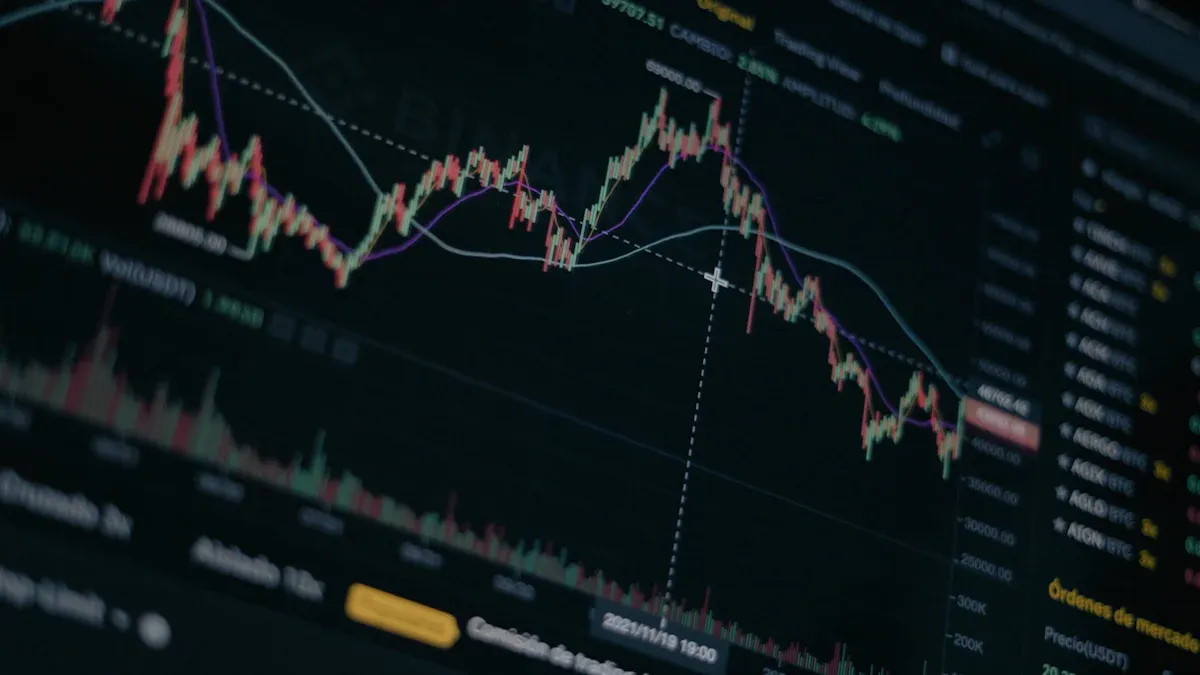
Image Source: pexels
Drop and Data
In 2025, the significant drop in the Hang Seng Index has attracted widespread market attention. On that day, the Hang Seng Index fell by more than 300 points, with a decline of approximately 1.34%, closing at 23,657 points. The Hang Seng China Enterprises Index dropped 116 points, a decline of 1.33%, closing at 8,578 points. The tech index performed even worse, with a drop of 1.65%, closing at 5,204 points. Some major tech stocks, such as Tencent, fell 1.7%, Alibaba dropped 2.6%, and Meituan declined 3.1%. The main board turnover reached approximately USD1.997 billion (calculated at 1 USD = 7.8 HKD), a 4% increase from the previous day. Northbound funds (southbound capital) net bought approximately USD5.6 billion, but continued to reduce holdings in Tencent and Alibaba for several days. Among the constituent stocks, 29 rose, 53 fell, and 3 remained unchanged. The performance of some blue-chip stocks was mixed, with Sands China rising more than 5% and Chow Tai Fook dropping over 7%.
The market turnover hit a new high, reflecting intensified capital flows. Investor sentiment has clearly weakened, with panic spreading, and some funds choosing to wait and see or exit the Hong Kong market.
Technical Trends
During the Hang Seng Index crash, multiple bearish signals appeared on the technical front. The index not only lost the 24,000-point level but also briefly fell below 23,000 points, hitting a low of 22,997 points. The index also broke below the 10-day line (approximately 23,120 points), with the 20-day line (approximately 22,941 points) becoming a key short-term support level. If this level is further breached, the market may face greater adjustment pressure. Futures traded at a discount of more than 100 points, reflecting a pessimistic market outlook for future trends. The Hang Seng Index broke its short-term upward trajectory, with the technical outlook clearly weakening, and a new support zone may need to be sought in the short term.
- Summary of technical indicators:
Index/Stock Point Drop Percentage Drop Closing Points Hang Seng Index 322 1.34% 23,657 Hang Seng China Enterprises Index 116 1.33% 8,578 Tech Index 87 1.65% 5,204 Tencent N/A 1.7% N/A Alibaba N/A 2.6% N/A Meituan N/A 3.1% N/A Xiaomi Corporation N/A 0.7% N/A Kuaishou N/A 2.9% N/A HSBC Holdings N/A 0.3% N/A AIA N/A 1.5% N/A China Ping An N/A 2.0% N/A Hong Kong Exchanges N/A 2.1% N/A
Market experts point out that after the Hang Seng Index crash, the short-term trend needs close monitoring of turnover and capital flow changes. If turnover remains high and capital continues to flow out, the Hang Seng Index may further test support levels. Conversely, if capital flows back, the market could see a technical rebound.
Main Causes of the Crash
International and Geopolitical Factors
In 2025, international turmoil became a significant driver of the Hang Seng Index crash. Ongoing U.S.-China geopolitical tensions continued to escalate, with a survey by the American Chamber of Commerce in Hong Kong showing that this tension has noticeably slowed activity in Hong Kong’s capital markets. As a result, Hong Kong’s regional competitiveness has become unstable, damaging investor confidence. Stephen Roach, former chief economist at Morgan Stanley, has pointed out that Hong Kong’s economy faces multiple challenges, including political situations, China’s economy, and international rivalries, making a sustained rebound for the Hang Seng Index difficult.
In June 2025, the Middle East situation remained tense with no signs of easing. The G7 summit outlined strategies to protect critical mineral supplies, adding to market uncertainty. Former U.S. President Trump’s public statements downplayed the possibility of a ceasefire between Israel and Iran, further intensifying Middle East conflicts. These international events heightened investor risk aversion, leading to widespread declines in global stock markets, with the Hang Seng Index crash also affected.
Market experts believe that geopolitical risks not only impact capital flows but also raise doubts among investors about the future of the Hong Kong market.
Policy and Economic Factors
Policy and economic factors have also had a profound impact on the Hang Seng Index crash. Changes in U.S. trade policies have raised recession concerns, prompting some funds to exit for short-term profits. Uncertainty in U.S. interest rate policies has increased, with markets anticipating a potential rate-cut cycle in the future, but high interest rates in the short term have raised funding costs, suppressing investment appetite.
China’s policy stimulus drove a phase of rebound in the Hang Seng Index, but the real estate debt issue remains severe, preventing full market confidence recovery. The biotech and new consumption sectors experienced deep adjustments, with some popular sectors reaching a phase of peak valuation. Following tech stock earnings releases, the market entered a valuation reassessment phase, with investors focusing on the impact of AI investments and tech commercialization on profitability.
The following is a summary of the main economic and policy factors:
- Changes in U.S. economic policies have weakened liquidity in Hong Kong stocks.
- Persistent debt pressure in China’s real estate sector affects market confidence.
- AI and tech innovation bring structural growth but increase risks of overvaluation.
- Anticipated major financial policies from China’s central financial management authorities have created a strong wait-and-see mood in the market.
The Hang Seng Index crash reflects the simultaneous impact of multiple international and local pressures, and investors need to closely monitor policy trends and macroeconomic data.
Affected Sectors
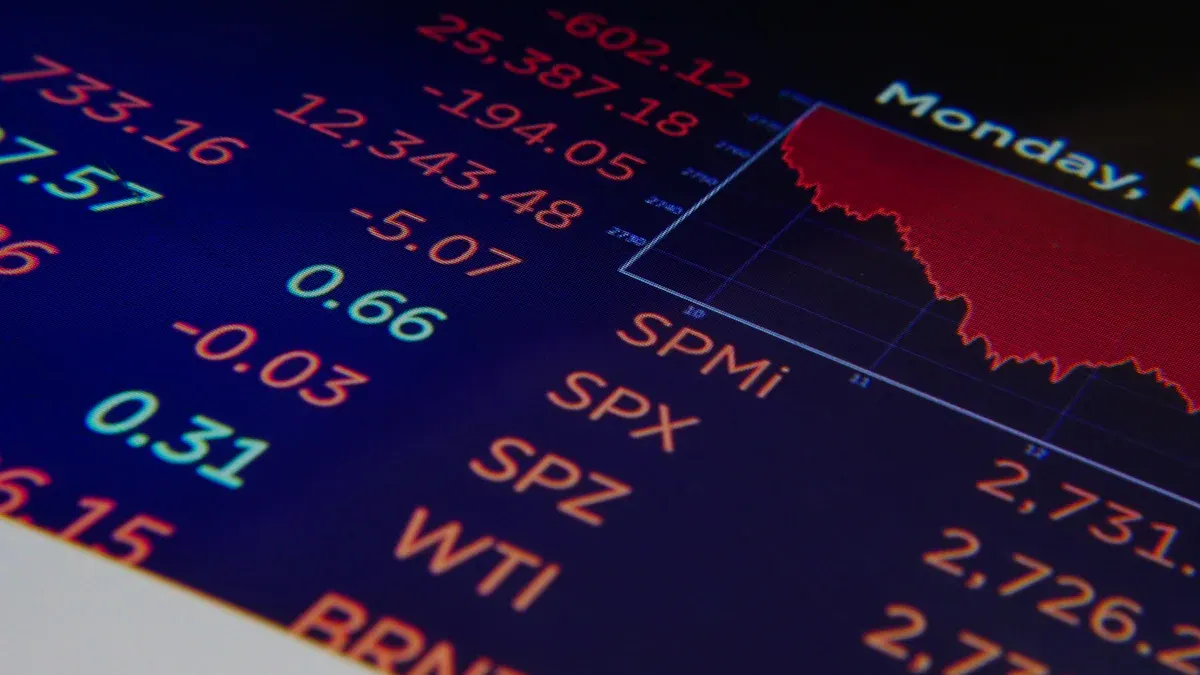
Image Source: pexels
Tech Stocks
Tech stocks performed the weakest during the Hang Seng Index crash. Major tech companies like Tencent, Alibaba, and Meituan saw noticeable declines in their stock prices. The Hang Seng Tech Index fell by more than 1.6% in a single day, closing at 5,204 points. Market funds flowed out of the tech sector, with investors expressing doubts about the future profitability of tech companies.
Analysts point out that tech stocks are overvalued, and market expectations for AI and new technologies have been overly optimistic. During the Hang Seng Index crash, tech stocks became the first choice for capital withdrawal. Some investors opted for short-term stop-losses, further widening the decline.
Constituent stocks of the Hang Seng Tech Index generally fell, with only a few companies recording slight gains. Trading volume in the tech sector increased significantly, reflecting heightened market sentiment volatility. Experts recommend that investors closely monitor the performance and policy changes of tech companies, cautiously assessing risks.
Consumer and Gaming
The consumer and gaming sectors showed relatively mixed performance during the Hang Seng Index crash. Consumer stocks like Chow Tai Fook and Li Ning had limited declines, while some gaming stocks like Sands China and Galaxy Entertainment recorded gains.
Market data and survey reports indicate:
- A UBS report notes that Sands and SJM’s market share has declined, while Galaxy Entertainment and MGM performed better, though overall Macau gaming stocks remain under pressure.
- Morgan Stanley predicts limited EBITDA growth in the Macau gaming industry, with profit margins under pressure, making the sector vulnerable during poor market conditions.
- HSBC research is optimistic about Galaxy Entertainment and MGM, citing better investment returns, but the gaming sector still faces challenges from regulatory policies and economic conditions.
- Gaming stock prices are notably volatile, with policy risks and economic trends as the main influencing factors.
- The non-essential consumer goods sector performs weaker than the broader market during economic recessions, with higher volatility.
- Rising consumer confidence in Asia has improved demand for non-essential consumer goods, offering investment opportunities in some areas.
Investors generally believe that while the consumer and gaming sectors have resilient stocks during the Hang Seng Index crash, they are still influenced by economic and policy factors overall. Experts recommend selecting financially stable companies with industry competitiveness and closely monitoring policy trends.
Other Market Impacts
Property Market
The Hong Kong property market has always been closely linked to stock market performance. When the stock market experiences a significant drop, some buyers choose to wait and see, leading to a noticeable decrease in property transaction volumes. In 2025, after the Hang Seng Index’s significant fluctuations, real estate agents reported a drop of about 15% in inquiries for new and second-hand properties. Some owners, worried about asset depreciation, have opted to lower prices to sell.
According to market data, in June 2025, the Hong Kong residential property price index fell by approximately 2.1%. Some high-end luxury residential areas saw even larger declines. Experts point out that if the stock market remains depressed, the property market may face further adjustments. Banks have become more cautious in mortgage approvals, lowering loan-to-value ratios, which has weakened buyers’ willingness to enter the market.
The property market may face short-term pressure, but long-term trends still need to be observed based on economic fundamentals and interest rate movements.
Futures and Capital Flows
The futures market reflects investors’ expectations for the future. In June 2025, the Hang Seng Index futures showed clear sell signals. The discount on futures widened, indicating a bearish market sentiment. Technical analysis shows that futures prices have fallen below several important moving averages, with a weak short-term trend.
In terms of capital flows, the main board turnover hit a new high, but northbound capital inflows decreased significantly. Some overseas funds chose to withdraw from the Hong Kong market, redirecting to the U.S. or other Asian markets. Hong Kong bank reports indicate a rising demand for USD assets, with the Hong Kong Interbank Offered Rate (HIBOR) briefly spiking.
Experts recommend that investors closely monitor capital flow directions and futures market changes, avoiding chasing highs or selling lows.
- Key points in the futures market:
- Clear sell signals.
- Technical weakness.
- Reduced liquidity.
Future Outlook
Expert Comments
Several market analysts believe that the Hang Seng Index has a chance to bottom out in the short term. Some experts note that the index has tested the 20,500 to 20,700-point range multiple times recently, indicating initial support in that area. Analysts generally believe that if turnover does not significantly shrink and the rate of capital outflows slows, the Hang Seng Index is likely to stabilize at a low level before gradually recovering.
Market experts remind that the external environment remains full of uncertainties. Fluctuations in U.S. economic data, unclear Federal Reserve interest rate policies, and tense European political situations all keep investors cautious. Some analysts predict that the Hang Seng Index’s short-term trend may follow a “lower-then-higher” pattern, but the strength of any rebound will depend on international capital flows and China’s policy support.
Trend Forecast
Recent market data shows that on June 28, the Hang Seng Index opened more than 117 points lower following the U.S. market, rebounded intraday but ultimately closed at 20,690.79 points, with a turnover of HKD51.459 billion (approximately USD6.6 billion, 1 USD = 7.8 HKD). The decline in A-shares and the rise in credit default swaps abroad intensified market sentiment volatility.
Global stock markets showed divergent performance, with fluctuating U.S. economic data and rising political uncertainty in Europe, where the yield spread between French and German government bonds reached a new high since 2012. These factors suggest that the Hang Seng Index will face adjustment pressure in the short term, with noticeable volatility risks.
Investors should closely monitor international developments, macroeconomic data, and policy trends. Experts recommend considering diversified investments, controlling positions, and avoiding risks concentrated in a single market.
Tip: Rational analysis and risk management are particularly important during market volatility.
Investors facing market fluctuations should remain calm. Technical weakness and changes in liquidity will increase risks. Experts suggest diversifying investments to reduce the impact of a single market. Investors should closely monitor international news and China’s policies. Rational analysis can aid in making prudent decisions.
Investors can refer to Hong Kong bank reports to understand capital flow directions and USD-to-HKD exchange rate changes.
FAQ
What Are the Immediate Impacts of the Hang Seng Index Crash on Investors?
Investors may face a decline in asset values. Some choose to exit with stop-losses. Market volatility intensifies, increasing investment risks. Experts recommend diversifying investments to reduce risks in a single market.
What Factors Have Primarily Influenced the Recent Hang Seng Index Crash?
- International geopolitical tensions.
- Uncertainty in U.S. interest rate policies.
- Fluctuations in China’s economic data.
- Reduced liquidity.
Why Did Tech Stocks Perform the Weakest During the Crash?
Tech stocks have higher valuations. The market has doubts about future profitability. Capital outflows are rapid, leading to widened declines. Some investors opt for short-term stop-losses.
Will the Property Market Adjust Due to the Hang Seng Index Crash?
Property transaction volumes may decrease in the short term. Some owners choose to lower prices to sell. Banks are more cautious with mortgage approvals. Experts suggest observing economic fundamentals and interest rate trends.
How Should Investors Respond to Market Volatility?
Investors can diversify investments and control positions. Closely monitor international news and China’s policies. Rational analysis of market data can aid in making prudent decisions.
In 2025, market volatility brings high fees and exchange risks, with HSI-related investments requiring overseas account setups, adding complexity. BiyaPay simplifies investing with a single account for US and Hong Kong stocks, including HSI ETFs, without needing overseas accounts. International transfers cost just 0.5%, with real-time market rate conversions to minimize losses. Online account opening takes minutes, avoiding high fees.
BiyaPay’s 5.48% annualized return product outperforms bank deposits, boosting idle funds. Compliant in New Zealand (FSP) and U.S. (MSB), supervised by regulators. Join BiyaPay now to optimize HSI investments! Sign up today to grow your wealth in 2025!
*This article is provided for general information purposes and does not constitute legal, tax or other professional advice from BiyaPay or its subsidiaries and its affiliates, and it is not intended as a substitute for obtaining advice from a financial advisor or any other professional.
We make no representations, warranties or warranties, express or implied, as to the accuracy, completeness or timeliness of the contents of this publication.
Related Blogs of
Must-Read for Investing in US Stocks in 2025: 5 Technical Indicator Tips for Analyzing Real-Time Quotes

2026 Latest US Stock Broker Review: Which is Better in Features and Fees - IB, Futu, or Tiger Securities


A Blessing for Small Investors: Finding the Lowest Trading Cost US Stock Brokers

BiyaPay Secures Sumsub's Highest Security Certification: Building a Rock-Solid Foundation for a Global Integrated Financial Platform with Zero-Tolerance Risk Controls
Choose Country or Region to Read Local Blog
 Australia
 Austria
 Belgium
 Canada
 Cyprus
 Czech Republic
 Denmark
 Estonia
 Finland
 France
 Germany
 Greece
 Hong Kong
 India
India Indonesia
 Ireland
 Italy
Italy Japan
Japan Latvia
 Lithuania
 Luxembourg
 Malaysia
 Malta
Malta Morocco
 Nepal
Nepal Netherlands
 New Zealand
 Norway
 Pakistan
 Philippines
 Poland
 Portugal
 Romania
 Singapore
 Slovakia
 Slovenia
 South Africa
 South Korea
 Spain
Spain Sweden
 Thailand
 The United States
 Turkey
 United Arab Emirates
 United Kingdom
 Vietnam
Contact Us




BIYA GLOBAL LLC is a licensed entity registered with the U.S. Securities and Exchange Commission (SEC No.: 802-127417); a certified member of the Financial Industry Regulatory Authority (FINRA) (Central Registration Depository CRD No.: 325027); regulated by the Financial Industry Regulatory Authority (FINRA) and the U.S. Securities and Exchange Commission (SEC).
BIYA GLOBAL LLC is registered with the Financial Crimes Enforcement Network (FinCEN), an agency under the U.S. Department of the Treasury, as a Money Services Business (MSB), with registration number 31000218637349, and regulated by the Financial Crimes Enforcement Network (FinCEN).
BIYA GLOBAL LIMITED is a registered Financial Service Provider (FSP) in New Zealand, with registration number FSP1007221, and is also a registered member of the Financial Services Complaints Limited (FSCL), an independent dispute resolution scheme in New Zealand.