
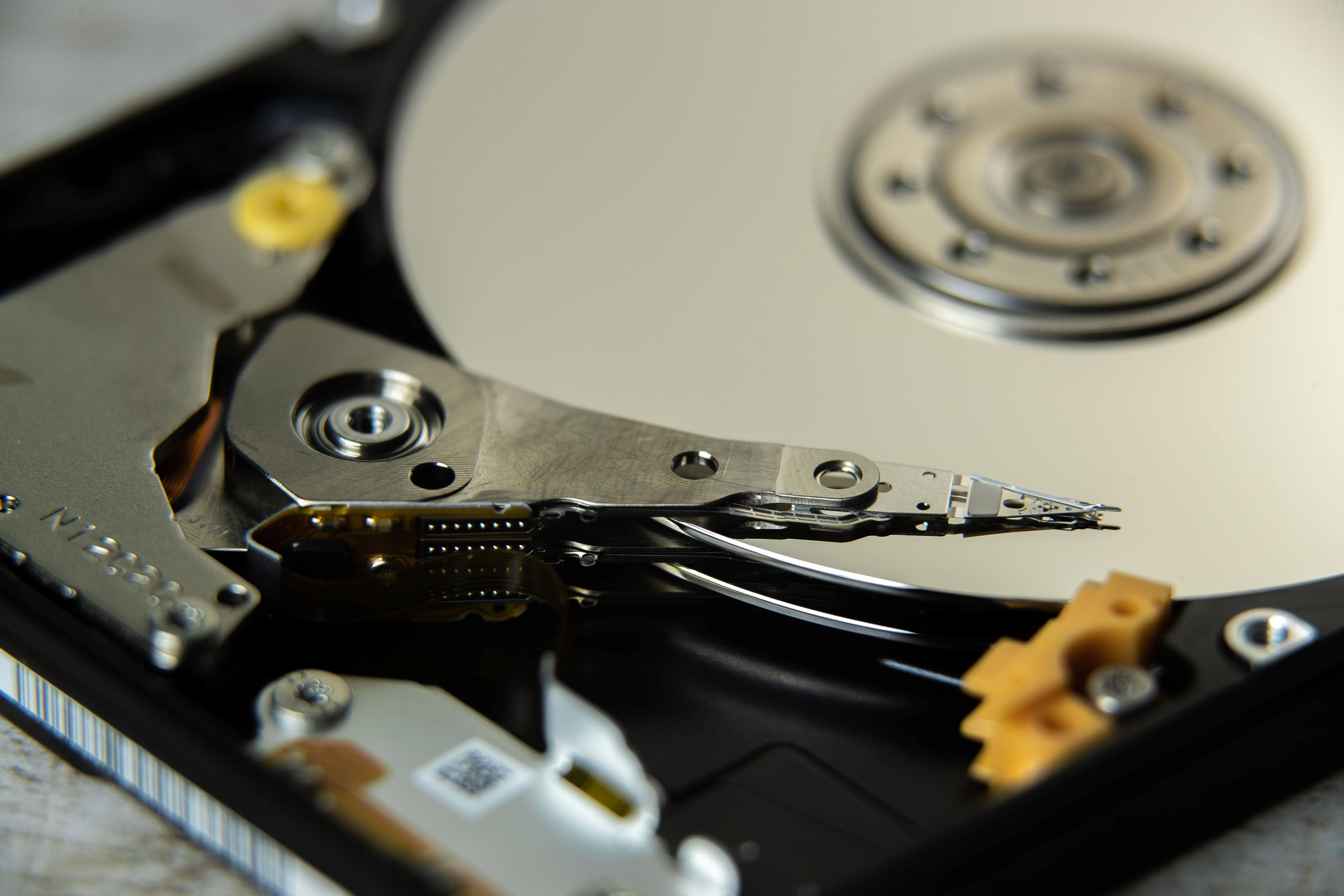
Ngành lưu trữ trên thị trường chứng khoán Mỹ và Hồng Kông
Chuyên đề về ngành lưu trữ trên thị trường chứng khoán Mỹ và Hồng Kông tập trung vào nhu cầu lưu trữ do sự phát triển của trí tuệ nhân tạo và trung tâm dữ liệu thúc đẩy, liên tục tổng hợp các diễn biến công nghệ và ngành liên quan đến HBM, DRAM, NAND, SSD, HDD cùng nhiều lĩnh vực khác. Nội dung bao quát tiến triển sản phẩm, kết quả tài chính, chu kỳ ngành, cạnh tranh thị trường và những thay đổi về định giá của các công ty liên quan tại Mỹ và Hồng Kông. Thông qua phân tích doanh nghiệp, diễn giải báo cáo tài chính và kiến thức ngành, chuyên đề giúp độc giả hiểu về chuỗi ngành lưu trữ, các bên tham gia chủ chốt cũng như những cơ hội và rủi ro đầu tư liên quan.
Blog liên quan

What Is HBM? Why AI Chips Depend on High Bandwidth Memory
HBM is High Bandwidth Memory, a critical memory system placed close to AI GPUs and AI accelerators. Learn what HBM, HBM3E, and HBM4 are, how they differ from DDR and GDDR, and why large-model training, inference, and the AI chip supply chain all depend on high bandwidth memory.

Max
2026-06-25 11:44:12

What Is DRAM? Investment Logic Behind Server Memory, PC Memory, and Mobile Memory
DRAM is volatile working memory used when computers, servers, smartphones, and AI systems run programs. Learn the differences between DRAM, DDR5, LPDDR, and HBM, and understand the investment logic, pricing cycles, and risks behind server memory, PC memory, and mobile memory.
Max
2026-06-25 11:40:52

What Is the AI Storage Sector? Understanding GPU, HBM, and Data Center Hard Drives
The AI storage sector covers HBM, DRAM, NAND, SSDs, HDDs, and data center storage systems. Learn how GPU and storage work together, which companies are involved, and what risks investors should watch.

Neve
2026-06-25 11:32:51

Western Digital WDC vs Seagate STX: Financials, Technology, and Risks of the Two AI HDD Leaders
Which company benefits more from AI data centers, Western Digital WDC or Seagate STX? Compare the two HDD leaders across recent earnings, HAMR and ePMR technology roadmaps, cash flow, valuation risks, and investor decision factors.

Maggie
2026-06-25 11:22:15

SNDK Stock Analysis: NAND and Flash Opportunities After the Western Digital Spin-Off
Analyze SNDK stock by looking at Sandisk’s post–Western Digital spin-off positioning, the NAND Flash cycle, AI data center demand, financial results, long-term agreements, valuation comparisons, and key risks, helping you decide whether SNDK deserves continued attention.

Tomas
2026-06-25 11:18:02

Micron Technology MU Stock Analysis: HBM, DRAM, NAND, and the AI Storage Cycle
Micron Technology MU is a key U.S. stock in the AI storage cycle, with businesses covering HBM, DRAM, NAND, and enterprise SSDs. This article analyzes what investors should watch in MU stock from the perspectives of AI data center demand, memory pricing cycles, financial metrics, valuation logic, and key risks.

Reggie
2026-06-25 10:41:16

How to Read Micron’s Earnings? Revenue, Gross Margin, HBM Demand, and Memory Cycle Validation Metrics
Micron earnings should not be judged only by EPS and after-hours stock moves. To analyze MU earnings, focus on revenue mix, gross margin, DRAM and NAND pricing, HBM demand, inventory, capital expenditure, and next-quarter guidance to assess whether AI memory demand and the memory cycle remain in an upswing.

Matt
2026-06-25 10:38:24

Micron MU vs SanDisk SNDK: Which Benefits More from the AI Storage Cycle, DRAM/HBM or NAND Flash?
Micron MU and SanDisk SNDK both benefit from the AI storage cycle, but through different paths. MU is more exposed to DRAM, HBM, and server memory, while SNDK is more focused on NAND Flash, enterprise SSDs, and data center storage. Compare revenue mix, gross margin, cycle sensitivity, and risk indicators to understand which company benefits more from AI storage demand.
Max
2026-06-25 10:26:46

What Are U.S. Storage Stocks? A Breakdown of Micron, SanDisk, Western Digital, Seagate, Pure Storage, and NetApp
U.S. storage stocks cover memory chips, Flash/NAND, HDDs, all-flash arrays, and enterprise data management platforms. This guide breaks down MU, SNDK, WDC, STX, PSTG, and NTAP by business category, AI demand logic, and cyclical risks.
Maggie
2026-06-25 10:16:07