
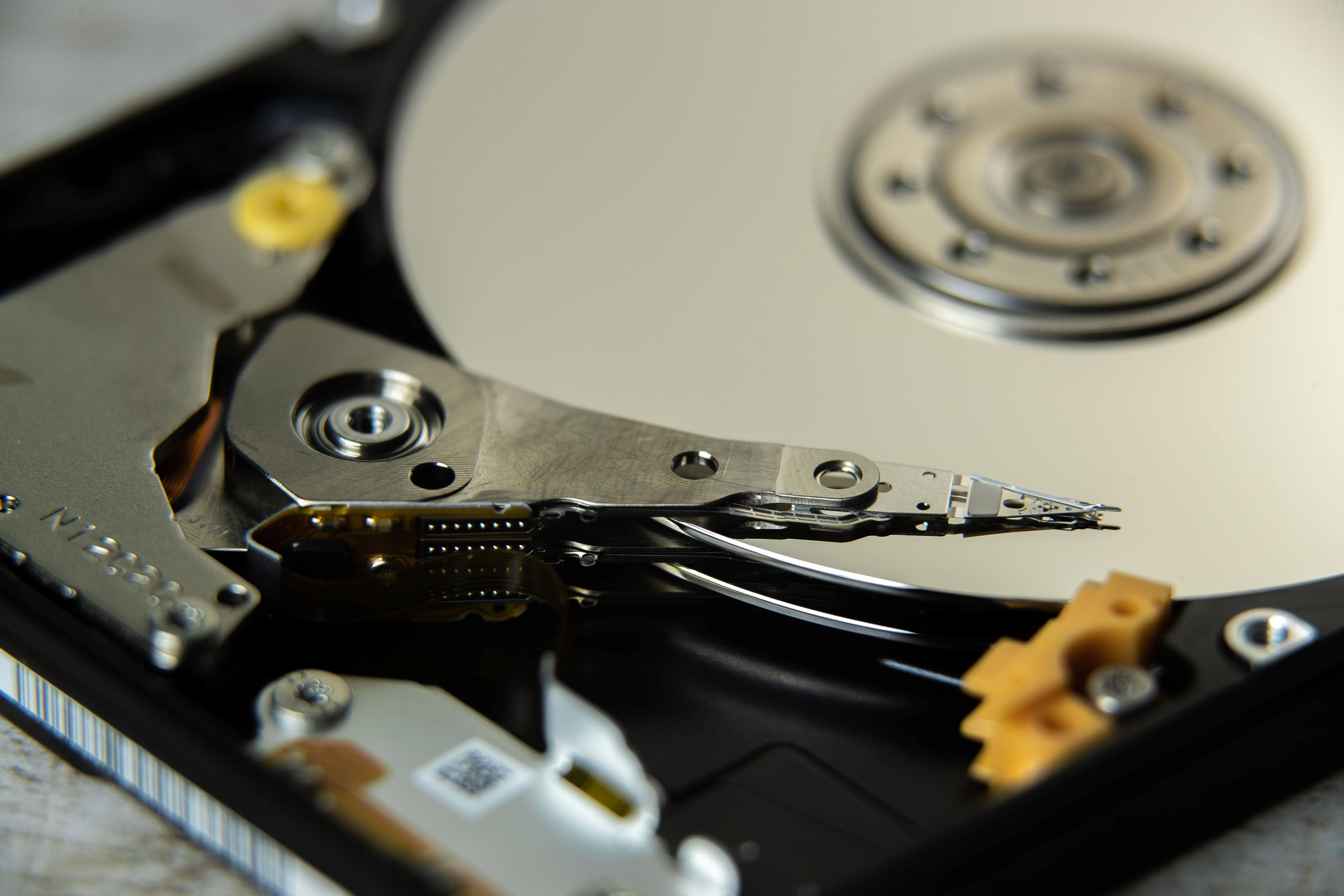
Ngành lưu trữ trên thị trường chứng khoán Mỹ và Hồng Kông
Chuyên đề về ngành lưu trữ trên thị trường chứng khoán Mỹ và Hồng Kông tập trung vào nhu cầu lưu trữ do sự phát triển của trí tuệ nhân tạo và trung tâm dữ liệu thúc đẩy, liên tục tổng hợp các diễn biến công nghệ và ngành liên quan đến HBM, DRAM, NAND, SSD, HDD cùng nhiều lĩnh vực khác. Nội dung bao quát tiến triển sản phẩm, kết quả tài chính, chu kỳ ngành, cạnh tranh thị trường và những thay đổi về định giá của các công ty liên quan tại Mỹ và Hồng Kông. Thông qua phân tích doanh nghiệp, diễn giải báo cáo tài chính và kiến thức ngành, chuyên đề giúp độc giả hiểu về chuỗi ngành lưu trữ, các bên tham gia chủ chốt cũng như những cơ hội và rủi ro đầu tư liên quan.
Blog liên quan

How Should You View Shanghai Fudan’s Non-Volatile Memory Business? Application Scenarios, Competition, and Risks
Shanghai Fudan 01385.HK has a non-volatile memory business covering EEPROM, NOR Flash, SLC NAND, and high-reliability memory. This analysis explains its application scenarios, competitive landscape, earnings impact, and key risks.

Matt
2026-06-29 17:26:28

Shanghai Fudan, ASMPT, SMIC, and Hua Hong Semiconductor Compared: Which Is More Closely Related to AI Memory?
Compare how Shanghai Fudan, ASMPT, SMIC, and Hua Hong Semiconductor are connected to the AI memory supply chain. This article breaks down HBM, advanced packaging, NOR Flash, eNVM, wafer foundry services, and mature-node processes to help you judge which company is closer to the AI memory theme.

Max
2026-06-29 17:16:16

Shanghai Fudan 01385.HK vs ASMPT 0522.HK: How to Distinguish Memory Chip Design from Advanced Packaging Equipment
Shanghai Fudan 01385.HK and ASMPT 0522.HK both belong to the semiconductor supply chain, but Shanghai Fudan is more focused on IC design, FPGA, and non-volatile memory, while ASMPT is more focused on advanced packaging equipment, TCB, Hybrid Bonding, and AI/HBM manufacturing upgrades.

Neve
2026-06-29 17:12:04

SanDisk SNDK vs Seagate STX: Who Benefits More from AI Data Growth, NAND Flash or HDD?
SanDisk SNDK and Seagate STX both benefit from AI data growth, but they benefit from different parts of the storage stack. SNDK is more exposed to NAND Flash, enterprise SSDs, and high-speed data access, while STX is more tied to nearline HDDs, HAMR, and long-term capacity storage.

Maggie
2026-06-29 17:03:09

Is Micron a Cyclical Stock or an AI Growth Stock? Valuation Logic and Risk Breakdown
Is Micron a traditional memory-cycle stock or an AI growth stock? This article breaks down MU stock through HBM, DRAM/NAND pricing, financial results, valuation methods, customer agreements, and geopolitical risks.

Tomas
2026-06-29 16:57:23

Micron MU vs Seagate STX: Who Benefits More from AI Server Memory and Nearline Hard Drives?
Micron MU and Seagate STX both benefit from AI data center growth, but they benefit from different parts of the infrastructure stack. Micron is more exposed to HBM, DRAM, and server memory upgrades, while Seagate benefits more from nearline HDDs, HAMR, and large-scale data storage demand.

William
2026-06-29 16:49:25

Micron MU vs Western Digital WDC: Which Logic Is Stronger, AI Memory or Data Center Hard Drives?
Compare Micron MU and Western Digital WDC in the AI infrastructure cycle. This article breaks down HBM, DRAM, NAND, data center SSDs, nearline HDDs, high-capacity hard drives, cloud customer orders, and the storage cycle to help you judge whether AI memory or data center hard drives have the stronger logic.

Reggie
2026-06-29 16:44:36

How Do Foundries Participate in the AI Storage Chain? Mature Nodes, Embedded Memory, and Industry Division of Labor
How do foundries participate in the AI storage chain? This article analyzes the real relationship between foundries and the storage industry from the perspectives of AI accelerators, HBM, CoWoS advanced packaging, mature nodes, eNVM, PMICs, MCUs, and industry division of labor.
Matt
2026-06-29 16:38:54

Is Hua Hong Semiconductor 1347.HK Related to Memory? Mature Nodes, Embedded Applications, and the Semiconductor Cycle
Is Hua Hong Semiconductor 1347.HK a memory-related stock? This article analyzes Hua Hong’s real connection with the memory supply chain from the perspectives of eNVM, sNVM, NOR Flash, MCU, mature process nodes, capacity utilization, and the semiconductor cycle.
Max
2026-06-29 16:34:41