
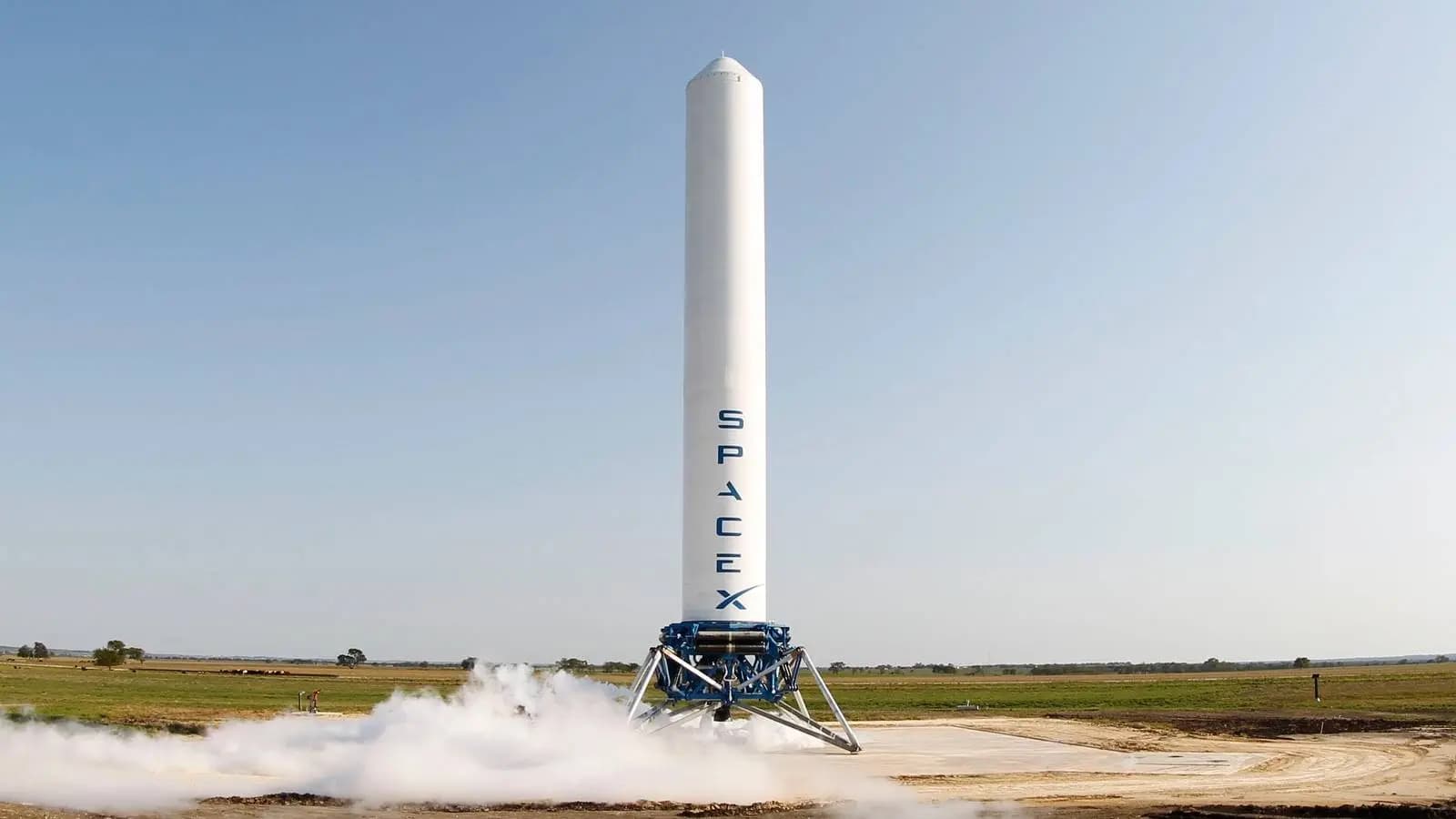
Hàng không vũ trụ SpaceX
Chuyên đề SpaceX liên tục tổng hợp các diễn biến đáng chú ý trên thị trường như hoạt động phóng tên lửa, thử nghiệm Starship, mảng kinh doanh Starlink, hàng không vũ trụ có người lái và sự phát triển của ngành hàng không vũ trụ thương mại, bao gồm Falcon 9, Starship, Starlink, hợp tác với NASA, định giá công ty, hoạt động huy động vốn và kế hoạch niêm yết tiềm năng. Thông qua phân tích tin tức, tài liệu bối cảnh và theo dõi các sự kiện quan trọng, chuyên đề giúp độc giả hiểu rõ tiến bộ công nghệ, mô hình kinh doanh và ảnh hưởng trong ngành của SpaceX, cũng như những cách thức và rủi ro chính mà các nhà đầu tư cá nhân quan tâm khi tìm hiểu SpaceX và ngành hàng không vũ trụ thương mại.
Blog liên quan

What If You Can’t Buy SpaceX Stock? How to Evaluate Related U.S. Stocks, ETFs, and Commercial Space Companies
If you can’t buy SpaceX stock, first check whether the issue is IPO allocation, broker access, or regional rules, then compare SPCX shares, space ETFs, commercial space stocks, and trading cost risks.

Maggie
2026-06-23 16:07:59

SpaceX / SPCX Lock-Up Expiration Schedule: 2026–2027 Float, Greenshoe, and Musk Lock-Up Explained
A detailed breakdown of the SpaceX / SPCX post-IPO lock-up expiration schedule for 2026–2027, covering the base offering, greenshoe exercise, Q2 price-trigger condition, 180-day lock-up group, extended group, and Elon Musk’s lock-up period, helping investors understand potential float changes and trading risks.

Neve
2026-06-17 15:00:06

SpaceX 2026 Key Event Timeline: How Index Inclusion, Share Unlocks, and Rebalancing Could Affect SPCX
A structured breakdown of SpaceX’s key event timeline from June to December 2026, covering CRSP, FTSE Russell, MSCI, and NASDAQ 100 index inclusion, insider share unlocks, index rebalancing, estimated passive buying, and risk checks for ordinary investors.
Maggie
2026-06-17 14:51:43

As SpaceX IPO Interest Rises, Why Should Ordinary Investors Understand Trading Fees First?
As SpaceX IPO interest rises, ordinary investors should first understand commissions, platform fees, external fees, bid-ask spreads, SEC Fee, FINRA TAF, and currency conversion costs before assessing the real trading cost of `SPCX` after listing.
Neve
2026-06-11 16:39:43

Why Check Trading Costs Before Buying a Hot U.S. Stock Like SpaceX?
Before buying a hot IPO stock like SpaceX, first confirm the ticker, listing date, platform availability, and order fees, then review commissions, platform fees, external fees, bid-ask spreads, SEC Fee, FINRA TAF, and currency conversion costs.
Neve
2026-06-11 15:51:07

Where Can You Find SpaceX IPO Documents? A Guide to SEC Disclosures, the S-1 Prospectus, and Listing Announcements
SpaceX IPO documents should first be checked on SEC EDGAR. Learn how to find the S-1 prospectus, S-1/A amendments, final prospectus, ticker symbol, listing announcements, and trading cost information.

Matt
2026-06-01 17:55:19

Are SpaceX’s Private Market Valuations Before Its IPO Reliable? The Difference Between Secondary Transfers, Funding Rounds, and Public Listing Pricing
Can SpaceX’s pre-IPO private market valuation be used as a reference? Understand the difference between secondary transfers, funding rounds, tender offers, and public IPO pricing.

Max
2026-06-01 17:34:12

How Many Shares Will Be Freely Tradable After the SpaceX IPO? Understanding New Share Issuance, Secondary Share Sales, and Lock-Up Periods
The number of freely tradable shares after the SpaceX IPO is not the same as total shares outstanding. Learn how new share issuance, secondary share sales, lock-up periods, staged unlocks, index inclusion, and trading costs may affect post-listing supply and price volatility.
Max
2026-06-01 17:19:01

How Should You Read SpaceX’s Financial Reports After Its IPO? Backlog, Capital Expenditure, and Free Cash Flow Are Key
After SpaceX’s IPO, financial reports should not be read by revenue and net profit alone. Understand backlog, capital expenditure, free cash flow, Starlink, and AI business segments to assess whether a high valuation can be supported by operating data.
Neve
2026-06-01 17:09:21