
Crypto Trading vs. Forex Trading: Markets, Costs, and Risks Compared




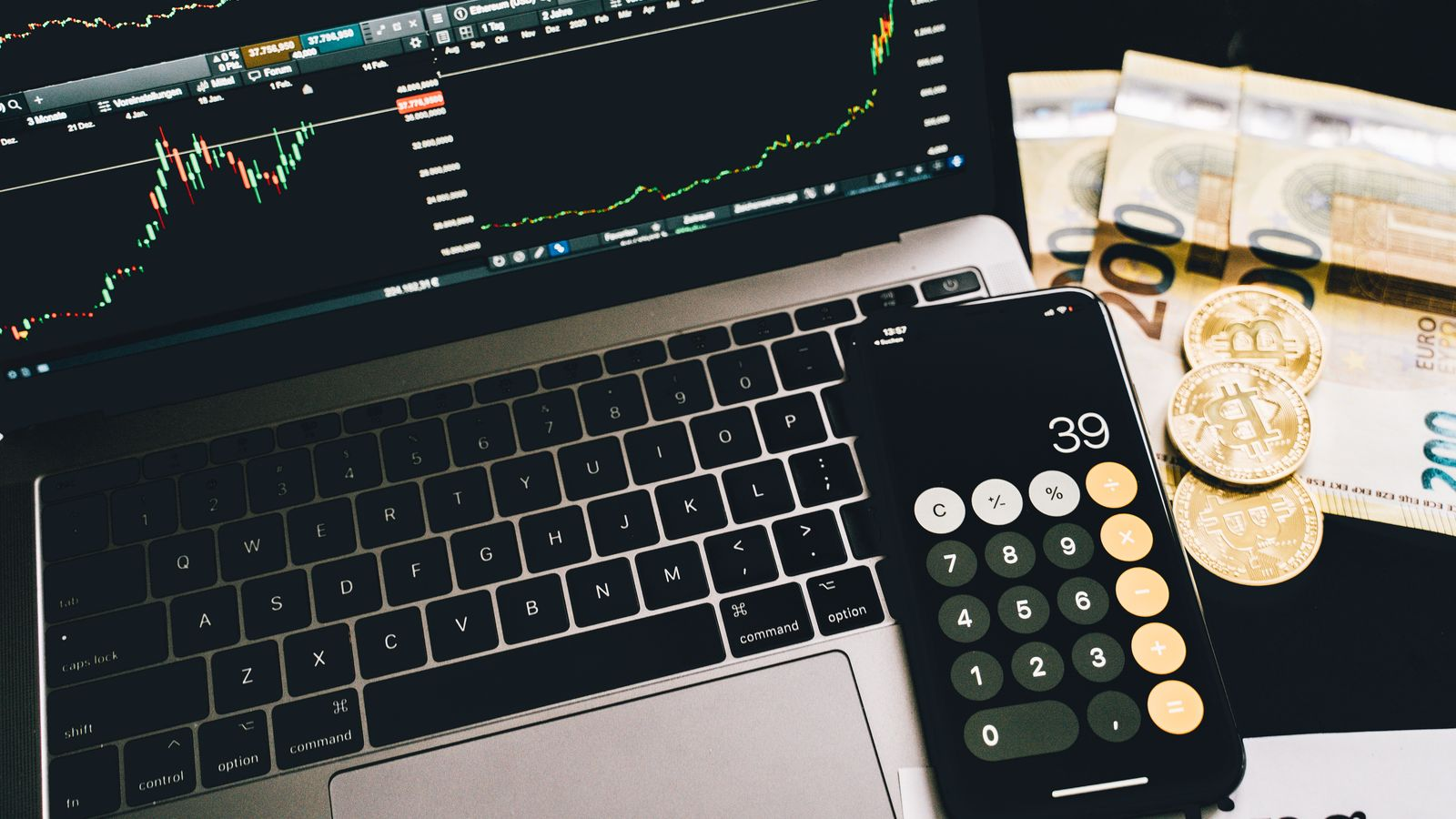
Both crypto and forex can be quoted in trading pairs, but similar interfaces may represent different assets, contracts, and funding arrangements. Before comparing them, establish whether you are buying an asset outright or using margin to gain price exposure. Then examine market hours, execution conditions, and total costs. A crypto market that stays open does not guarantee easy execution at every moment. Even relatively small moves in major forex pairs can cause substantial losses when leverage is high. Base your assessment on the specific product, position, and exit conditions, rather than choosing by market name alone.
Key Takeaways
- Distinguish spot products from derivatives before comparing the actual costs and risks of either market.
- Continuous trading does not mean consistent liquidity or guaranteed immediate withdrawals.
- Check bid-ask spreads, slippage, and applicable holding costs alongside trading fees.
- Even a small price move can cause a large account loss when leverage is high.
- Review custody, counterparties, and exit conditions instead of relying solely on platform marketing.
What Are You Actually Trading in Crypto and Forex Markets?
Crypto trading generally involves digital assets such as Bitcoin and derivatives based on them, while forex trading concerns the relative value of different fiat currencies. Both categories contain multiple products, however. “Buying crypto” does not always mean holding spot assets, and “forex” does not always mean highly leveraged speculation. First check what rights the order creates, whether borrowing is involved, and whether the underlying asset can be withdrawn. For forex, an important distinction is between deliverable currency conversion and common retail margin products.
Similar Trading Pairs Can Represent Different Assets and Contractual Rights
BTC/USD expresses the price of Bitcoin in US dollars, while BTC/USDT quotes it in USDT. EUR/USD expresses the value of the euro against the US dollar. In each pair, the first asset is the base asset and the second is the quote asset. The format alone does not tell you whether you are buying a spot asset or entering a contract.
After a spot crypto purchase, custody arrangements and transfers to your own wallet depend on the product and platform rules. Buying futures or perpetual contracts generally creates price exposure; a contract position should not be treated as crypto available for withdrawal. Similarly, converting money into euros in a bank account differs from opening a margined EUR/USD position.
| Product Type | Main Asset or Right Acquired | Conditions to Check |
|---|---|---|
| Ordinary unleveraged spot crypto | The relevant crypto asset or an asset entitlement recorded by the platform | Custody, withdrawals, networks, and fees |
| Crypto futures or perpetual contracts | Price exposure settled under the contract terms | Margin, settlement, funding, and liquidation |
| Deliverable fiat currency conversion | The converted currency or account balance | Exchange rate, account rights, and transfer conditions |
| Retail margin forex or forex CFDs | Forex price exposure created under the product terms | Counterparty, leverage, financing, and execution rules |
Trading venues differ as well. Crypto trades can take place through centralized order books or decentralized protocols; not every trade happens on-chain. Forex includes over-the-counter transactions and exchange-traded derivatives. Seeing the same symbol in an account does not establish that pricing sources, settlement, and asset protections are identical.
How Do Price Drivers Differ Between the Two Markets?
Forex analysis requires looking at both currencies. Common factors include interest rate expectations, inflation, economic data, central bank policy, and cross-border capital flows. Stronger economic data does not guarantee that a currency will appreciate: existing market expectations and changes in the other currency also matter.
Crypto analysis additionally requires examining network usage, supply changes, token unlocks, project events, and market funding conditions. Broader liquidity and risk appetite can also affect crypto markets, so it is too simplistic to divide the two markets into “economics only” and “sentiment only.” Stablecoins require additional checks on issuance, reserves, and redemption risks. Targeting a dollar peg is not equivalent to holding a US dollar bank deposit.
How Do Market Hours and Liquidity Affect Execution?
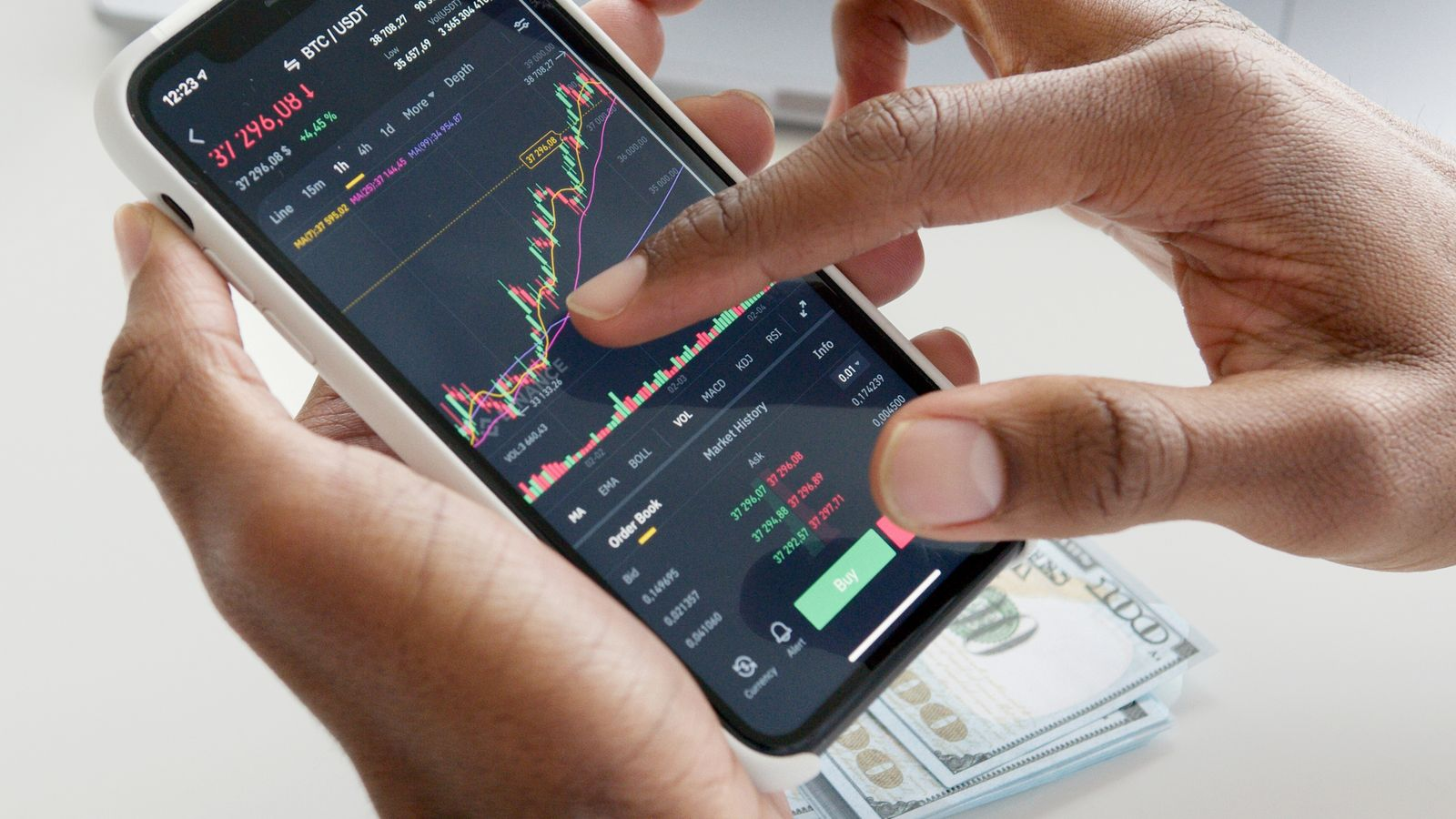
Spot crypto generally trades continuously throughout the year, while common forex services operate roughly five days a week. Actual availability depends on the platform, instrument, maintenance, and holiday schedule. Continuous trading provides more opportunities to act, but also requires considering price changes while you are away. Scheduled closures require attention to reopening gaps and execution conditions. An open market is separate from funds being credited or available for withdrawal.
Forex activity moves through Asian, European, and American sessions, with different participants and active currency pairs at different times. “24/5” is a general description: individual services can still have short daily breaks, instrument-specific restrictions, and daylight saving adjustments. Crypto platforms may also suspend individual pairs or perform maintenance. A blockchain continuing to operate does not guarantee that every platform feature remains available.
Market size offers context but does not replace checking execution. The BIS's global foreign exchange market study, published in December 2025, reported average daily OTC forex turnover of approximately $9.5 trillion in April 2025, covering spot and derivatives. That is not a standalone figure for retail spot forex, nor is it directly comparable with one platform's spot crypto volume.
What matters for your order is how much can actually be executed at current quotes. The bid-ask spread measures the gap between the best buying and selling prices, while depth describes the quantities available at different prices. A larger order may consume several price levels, causing its average execution price to differ from the initial quote. With an OTC forex account, also check the dealer's quotes and execution terms rather than assuming they match a public order book.
Economic releases, unexpected news, or fewer participants can widen spreads and cause slippage. Crypto trading over the weekend does not guarantee the same depth as on weekdays. The first forex quote after a closure may also jump past the previous price. Assess liquidity using the pair, venue or provider, time, and order size, rather than total market volume alone.
Bank processing times can also affect your ability to add margin. Immediate trading does not mean you can always replenish funds in time. Being able to close a position on a platform does not mean the proceeds can immediately reach your bank account. Funding plans need to cover both trading and settlement.
How Should You Compare the Total Costs of Crypto and Forex Trading?

Total costs should cover entry, holding, and exit, plus any conversion and withdrawal charges actually incurred. A single advertised fee cannot establish which market is cheaper to trade. Compare equivalent notional exposure, holding periods, and trading frequency, and confirm how charges are deducted. In particular, do not use a small margin deposit as the denominator when directly comparing it with a separate, fully funded spot purchase.
Opening and Closing: Fees, Spreads, and Slippage
Quick-buy services, order books, and on-chain swaps can use different fee structures. Forex accounts may charge through the spread or combine a tighter spread with a commission. “Zero commission” describes one charge; it does not establish that spreads or other costs are absent.
Also distinguish a platform's additional markup from the market spread. An order book with no extra pricing markup still has a gap between bids and asks. A limit order that immediately matches existing orders may incur taker fees. If it does not execute, a lower advertised fee is not a cost advantage you have actually obtained.
Suppose both the buy and sell legs have a transaction value equivalent to $10,000, with a 0.1% fee on each leg. Total trading fees would be equivalent to $20. This is a hypothetical calculation, not an actual platform rate, and it excludes holding costs. If you also analyze execution costs, choose a price benchmark first. Do not deduct spreads and slippage again when they are already reflected in profit or loss calculated from actual execution prices.
Holding and Moving Funds: Costs Depend on the Product
Ordinary spot crypto without borrowing does not incur perpetual funding rates. Borrowing for spot trading may instead generate interest. Coinbase's explanation of perpetual funding payments describes transfers between long and short positions that help keep contract prices close to spot prices. These are distinct from trading fees charged by the platform. Check the direction, intervals, and calculation method for the specific contract.
Retail leveraged forex may involve overnight financing charges or credits, depending on the pair, direction, provider's rules, and date. Weekends and holidays can also change financing schedules. Do not apply one provider's cutoff time or charging multiplier to every product, or directly substitute a forex overnight financing rate for a crypto perpetual funding rate.
| Cost Category | Common Crypto Checks | Common Forex Checks |
|---|---|---|
| Execution | Trading fees, pricing markups, market spreads, and slippage | Spreads, commissions, and execution slippage |
| Holding | Borrowing interest, contract funding, and other applicable charges | Overnight financing charges or credits on margin products, among other costs |
| Moving funds | Payment method, currency conversion, crypto withdrawal, and network fees | Bank transfer, currency conversion, withdrawal, and other fees |
Not every transaction incurs all these costs. Do not automatically add a crypto withdrawal network fee to every trade executed within a centralized platform. Check the applicable charges when you actually withdraw to a wallet or swap on-chain. For Biya, select the relevant product in the Biya pricing center and confirm costs against the actual order. Do not apply a rate from stocks, spot assets, or contracts interchangeably.
Which Is Riskier, and Which Risks Need Separate Assessment?
Risk depends on the underlying asset, product structure, position size, leverage, and custody arrangements. It cannot be ranked solely by the labels “crypto” and “forex.” An unleveraged holding in a volatile asset and a highly leveraged position in a relatively less volatile currency pair can produce very different account loss patterns. Separate price, liquidation, platform, and account protection risks, then consider how they interact.
Price Volatility and Leverage Risk
Compare the movements of specific pairs over the same period, including the possibility of sudden gaps, rather than treating past stability as future safety. Leverage magnifies the effect of price changes on account equity. Even seemingly modest underlying volatility can quickly consume margin.
Suppose an account has equity equivalent to $1,000 supporting a linear long exposure equivalent to $10,000. A 2% price decline would produce a loss of approximately $200, or 20% of initial equity, ignoring fees and other factors. This is a risk calculation example, not a statement about a platform's permitted leverage or a prediction of its liquidation price. Maintenance margin, mark prices, collateral, and fees all affect actual handling.
An ordinary, fully paid spot holding without borrowing differs from a margin position subject to liquidation. However, the absence of margin liquidation does not mean the asset cannot lose substantial value. Understand stop-loss orders according to their trigger and execution rules as well. Do not assume they will always execute at the specified price in fast markets.
Platform, Counterparty, and Custody Risk
For a centralized crypto platform, check who holds the assets, what account rights users have, and what happens if withdrawals are suspended or the platform encounters problems. Self-custody introduces risks involving private keys, addresses, network selection, and smart contracts. Moving assets to a personal wallet does not remove every risk.
The US CFTC's retail OTC forex risk advisory emphasizes that, in the OTC transactions it discusses, the customer's counterparty is the dealer, and closing a position depends on that dealer's prices and conditions. This guidance concerns US retail OTC forex; it should not be applied automatically to every jurisdiction, bank conversion, or exchange-traded product.
Check collateral and settlement currencies, too. If an account is denominated in a stablecoin or uses one as margin, that stablecoin's price and redemption arrangements add another layer of risk. A correct directional position does not guarantee that the platform, collateral, or withdrawal process will be free of problems.
What Are the Limits of Regulation and Account Protections?
Before opening an account, check your location, the contracting entity, specific product, and client category. A company's registration or authorization does not establish identical regulatory coverage for every affiliated entity, asset, and service. It also does not mean compensation is available for market losses.
Review the applicable terms for client money arrangements, dispute handling, margin calls, and negative balance protection. Do not assume that every account's losses are capped at the initial deposit. Whether additional liabilities can arise depends on the product and local rules. Regulation can govern certain business practices, but it cannot eliminate market movements, execution costs, or every institutional risk.
How Can You Choose Based on Your Purpose and Ability to Manage Positions?
Define the problem you need to solve before choosing a market or product. Converting fiat for future spending, holding a crypto asset long term, managing existing foreign currency exposure, and taking a short-term price position may require different tools. The fact that one app displays all their prices does not make these tasks a matter of simply switching symbols.
Use the following questions to review your plans:
- Which asset do you ultimately need to receive and use, or do you only need contract-based price exposure?
- When will you need access to the money, and what is the maximum loss you can afford?
- Do you understand the relationship between notional position size, margin, and account equity?
- When can you manage positions, and how will you handle price changes while you are away?
- How long will you hold, and how will financing, funding, and conversion costs accumulate?
- What are the separate conditions for closing positions, settlement, and withdrawing funds?
Keep market selection separate from execution strategy. For example, crypto dollar-cost averaging and grid trading address different purchase schedules and order execution methods. They do not change the underlying asset's characteristics or automatically remove custody and price risks. A demo account can help you learn a process, but it does not establish that live liquidity, costs, and psychological pressure will be identical.
When evaluating multi-asset management tools such as Biya, first list the assets you want to monitor, your quote currencies, and the intended use of your funds. Then check the features actually available and the account conditions. If your plans involve fiat exchange, digital asset conversion, or moving funds between products, confirm how assets enter the account, where conversion happens, and what you receive on exit. Do not treat wallet balance, trading balance, and withdrawable balance as the same figure. Managing multiple asset classes in one account also does not establish identical margin, fee, or protection rules, or automatically diversify risk. Focus on whether you can understand your positions, total costs, and exit process rather than the number of features. Service availability depends on your location, identity verification results, platform rules, and applicable laws and regulations.
Frequently Asked Questions
Are BTC/USDT Trading and EUR/USD Forex Trading the Same Type of Product?
You cannot determine that from the pair format alone. BTC/USDT involves a crypto asset and a stablecoin, while EUR/USD concerns the relative value of two fiat currencies. Either pair may also be associated with spot products or derivatives. Check the underlying assets, contract terms, and ownership rights rather than comparing symbols alone.
Can Unleveraged Spot Crypto Be Liquidated?
Ordinary, fully paid spot holdings without borrowing or margin arrangements generally do not have a margin liquidation mechanism triggered by falling prices. The assets can still lose substantial value. If an account uses borrowing, cross-collateralization, or other margin features, assess the overall account rules separately rather than relying on an individual position's name.
Does a Forex Platform Showing Weekend Quotes Mean You Can Trade Normally?
Not necessarily. The quotes may be indicative or relate to a separate weekend product. Confirm whether you can open and close positions, what the product is, and which execution prices and trading hours apply. Changing numbers on a screen do not establish that an ordinary weekday forex position can be handled immediately on the same terms.
Do Limit Orders Always Mean Lower Fees in Crypto and Forex Trading?
No. Order type alone does not determine total cost. A limit order in a crypto order book that executes immediately may incur taker fees. A forex limit order does not automatically eliminate spreads or commissions either. Also consider whether the order executes, partial fills, and price changes while it waits.
Do Minimum Deposit Requirements Show How Much Capital Crypto or Forex Trading Requires?
No. A minimum deposit is an account or product threshold, rather than a suitable risk budget. You also need to check minimum order sizes, notional exposure, costs, and potential losses. Being able to open a large position with a small margin deposit does not mean that deposit is sufficient to support the risk or maintain the position.
Does Holding Both Crypto Assets and Forex Positions Diversify Risk?
It is not guaranteed. Check shared dollar exposure, changes in risk appetite, leverage, and collateral. Positions with different names can lose money at the same time during market stress. Assess the account's underlying risk sources together rather than simply counting the asset classes held.
*Ang artikulong ito ay ibinigay para sa pangkalahatang layunin ng impormasyon at hindi bumubuo ng legal, buwis, o iba pang propesyonal na payo mula sa BiyaPay o sa mga subsidiary at kaakibat nito, at hindi ito nilalayong maging kapalit ng pagkuha ng payo mula sa isang financial advisor o sinumang iba pang propesyonal.
Hindi kami gumagawa ng anumang pahayag o garantiya, hayag man o ipinahiwatig, hinggil sa katumpakan, kabuuan, o pagiging napapanahon ng nilalaman ng publikasyong ito.
Mga kaugnay na blog tungkol sa

Currency Exchange Spread Explained: Buy and Sell Rates, Markups, and Costs


Multi-Currency Digital Wallets Compared: Fees, Currency Support, and Cross-Border Payments


Using a Virtual Visa Card: Online Payments, Subscriptions, and Declined Transactions

Crypto Off-Ramp Services vs. Exchanges: Fees, Payouts, and Trade-Offs

Pumili ng Bansa o Rehiyon para Basahin ang Lokal na Blog
 Australia
 Austria
 Belhika
 Canada
 Siprus
 Republika ng Tsek
 Dinamarka
 Estonia
 Pinlandiya
 Pransiya
 Alemanya
 Gresya
 Hong Kong
 India
 Indonesia
 Ireland
 Italya
 Hapon
 Latvia
 Lithuania
 Luxembourg
 Malaysia
 Malta
 Morocco
 Nepal
 Olanda
 New Zealand
 Noruwega
 Pakistan
 Pilipinas
 Poland
 Portugal
 Romania
 Singapore
 Slovakia
 Eslobenya
 Timog Aprika
 Timog Korea
 Espanya
 Suwesya
 Taylandiya
 Estados Unidos
 Turkiya
 Nagkakaisang Arabong Emirato
 Nagkakaisang Kaharian
 Biyetnam