
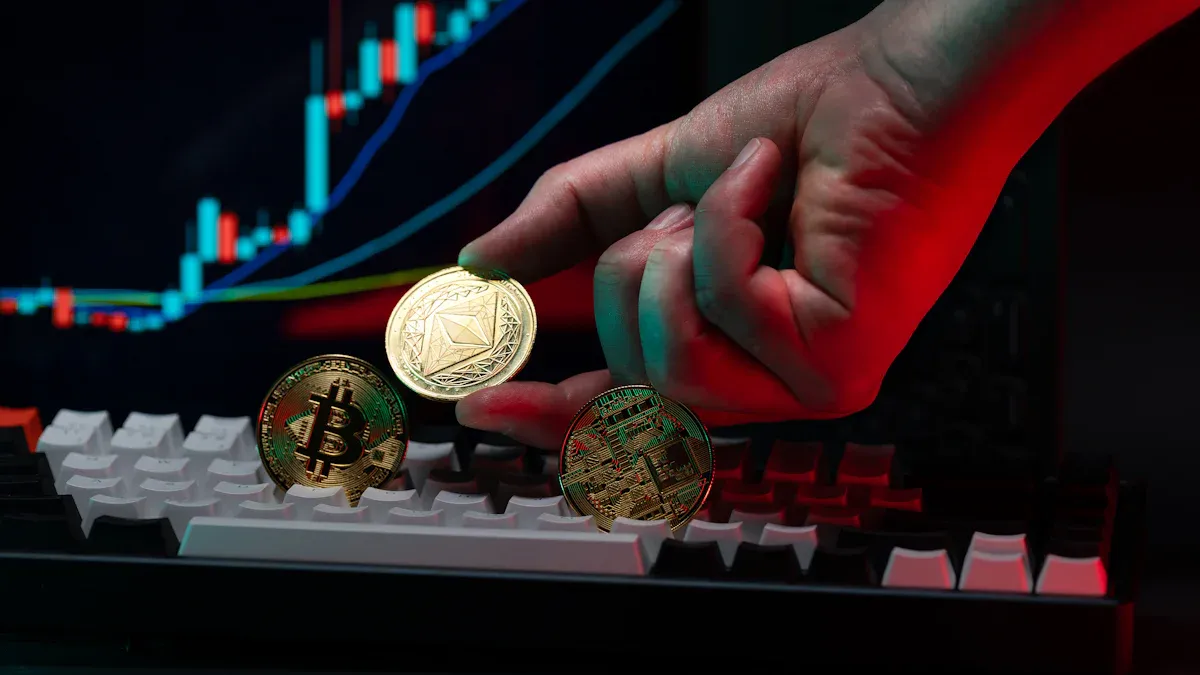
Mga Stablecoin at USDT
Ang espesyal na paksang ito tungkol sa mga stablecoin at USDT ay naglalaman ng pangunahing kaalaman at mga gabay sa paggamit ng USDT, USDC, at iba pang stablecoin. Sinasaklaw nito ang mga network ng paglilipat, wallet, bayarin, cross-border na pagbabayad, mga reserba ng asset, at mga kaugnay na panganib, upang matulungan ang mga mambabasa na maunawaan kung paano gumagana ang mga stablecoin at ang mga praktikal na aplikasyon ng mga ito.
Mga Kaugnay na Blog
Stop Blind Remittances! Verifying USDT Platform Legitimacy Has Never Been Easier
Want to safely use USDT for remittances? This article teaches you four steps to verify platform legitimacy: review financial licenses, assess fund security, examine operational transparency, and analyze real user reputation to ensure every remittance is safe and worry-free, staying away from scam traps.

Matt
2025-11-07 10:17:01
Complete Guide to USDT Remittances: How to Achieve Second-Level Cross-Border Payments
Want to know how stablecoin USDT international remittances achieve second-level arrivals? This guide details USDT transfer speed and cost advantages, providing four practical steps from acquiring USDT to secure receipt, helping you easily complete efficient, low-cost cross-border payments.

Max
2025-11-07 10:05:23
2025 Stablecoin USDT International Payment: Latest Tutorial Is Here
Want to safely conduct stablecoin USDT international payments? This tutorial details the latest 2025 practical methods, from choosing compliant platforms, safely purchasing USDT, to executing on-chain transfers and avoiding 'black USDT' risks, helping you master security and compliance points at every step to avoid fund losses.

Neve
2025-11-07 09:52:53
2025 USDT International Remittance User Experience In-Depth Analysis: Real Feedback on Speed and Risks
Want to understand the real experience of stablecoin (USDT) international remittances? This article, based on 2025 user feedback, deeply analyzes the arrival speed, comprehensive costs, and operational risks of USDT remittances, helping you make informed decisions between enjoying minute-level arrival convenience and avoiding fund security risks.

Maggie
2025-11-07 09:47:43
How to Safely Use USDT for Investment Remittances? A Comprehensive Guide to Risk Control Essentials
Want to safely use USDT for investment remittances? This article provides a complete risk control guide, from selecting reliable platforms and standardizing transaction operations to securely storing assets, teaching you to effectively avoid platform, counterparty, and legal risks to fully protect your fund security.
Matt
2025-11-06 16:46:19

Reduce USDT Withdrawal Costs: Tips for Finding Low-Fee or Even Zero-Fee Channels
Want to reduce USDT digital currency withdrawal costs? This article teaches you how to select low-fee networks like TRC-20 and use platform internal transfers, fee deductions, and other tips to find safe withdrawal channels with low or zero fees.
Max
2025-11-06 16:39:07
The Secret of Instant Arrival: Revealing the Deep Reasons Why Stablecoin USDT Remittance is Faster Than Wire Transfers
Want to know why stablecoin USDT remittance can arrive in minutes while wire transfers take days? The answer lies in blockchain technology. It bypasses banks' complex intermediary networks and working hour restrictions through peer-to-peer transmission and 7x24-hour automatically running smart contracts, achieving near-instant cross-border settlement.
Neve
2025-11-06 16:31:58
Say Goodbye to High Fees: Practical Guide to Using USDT for Remitting to Studying Children Abroad
Still troubled by high overseas tuition remittance fees? This guide provides parents with practical steps to use USDT (stablecoin) for study abroad remittances, helping you safely bypass foreign exchange quotas, achieve fund arrival within 1 hour, and minimize costs.

Tomas
2025-11-06 16:26:57

From Days to Minutes: How Stablecoin Remittances Disrupt Traditional Bank Transfers
Want to optimize stablecoin remittances and achieve minute-level USDT arrival? Prioritize the TRC20 network to reduce costs and make good use of exchange internal transfer functions for zero-fee instant arrival. This article teaches you how to set optimal Gas fees, avoid common delay traps, and shorten your cross-border transfers from days to minutes.

William
2025-11-06 16:21:06