
Chase Wire Transfer Routing Number: Domestic Wires and International SWIFT Codes





To receive a wire into a Chase U.S. bank account, you generally use routing number 021000021 for U.S. domestic wires and SWIFT/BIC CHASUS33 for international wires. The correct choice depends on the payment route, not just the currency. Both codes identify the bank; the sender also needs the beneficiary's name, account number, and any other required information. A number printed on a check, a state-based routing number search, or an old payment template does not replace the current wire instructions for your account.
Key Takeaways
- For incoming U.S. domestic wires to Chase, verify wire routing number 021000021.
- For incoming international wires to Chase, verify CHASUS33 and the receiving account details.
- ACH, check, and wire routing details serve different purposes; similar formatting does not make them interchangeable.
- A bank code does not replace the beneficiary's name, account number, or required additional instructions.
- Accounts with special arrangements need their own receiving instructions rather than generic bank codes alone.
Which Bank Code Should You Use to Receive a Chase Wire?
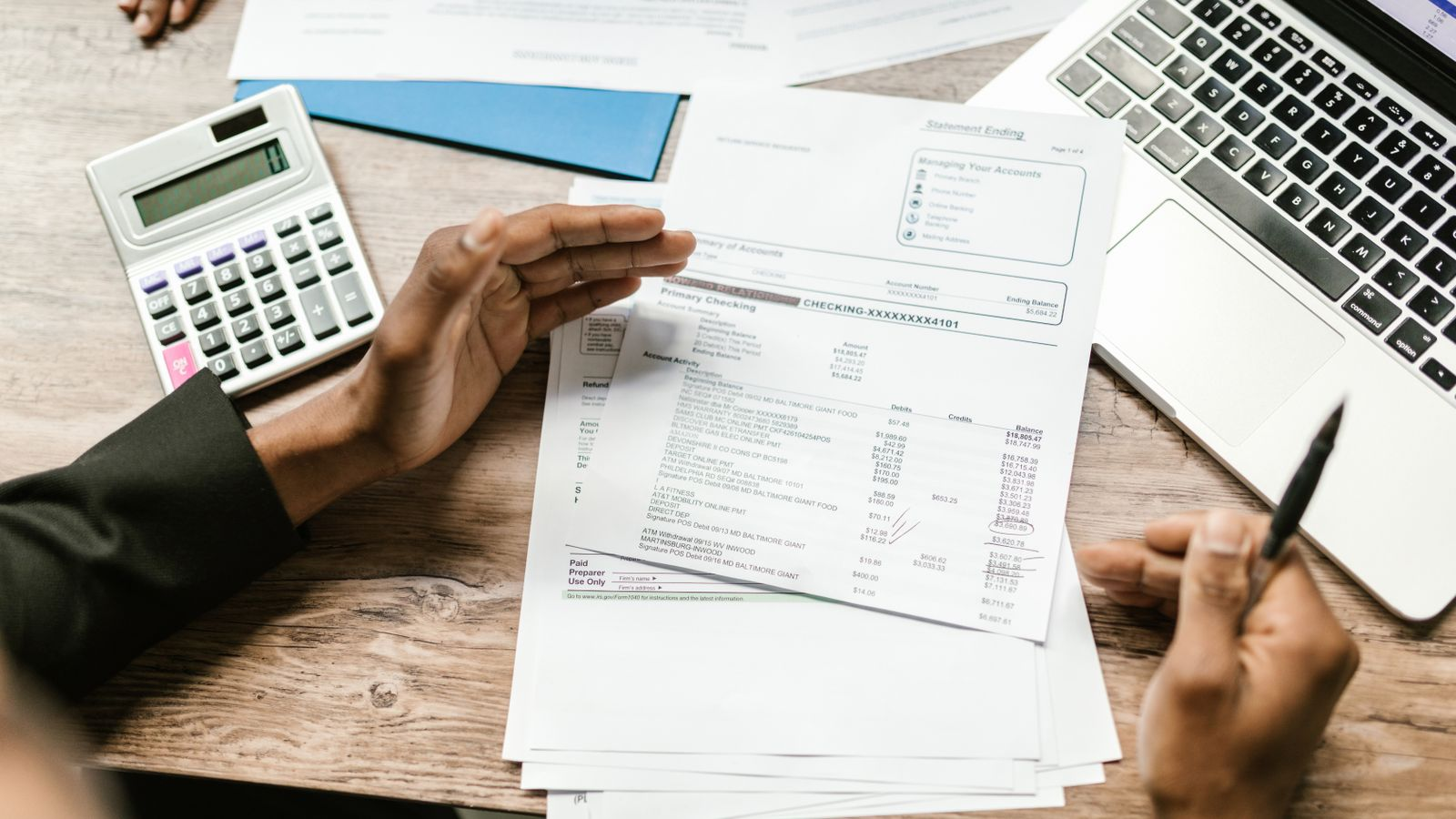
For standard incoming wires to Chase U.S. bank accounts, Chase's wire receiving instructions distinguish two situations: provide routing number 021000021 for a U.S. domestic wire and CHASUS33 for an international wire. In either case, the sender also needs your receiving account number. A bank code alone is not a complete set of receiving details, nor does it establish that every account can receive every type of wire.
| Receiving Scenario | Bank Code to Verify | Other Details to Confirm |
|---|---|---|
| Incoming U.S. domestic wire | Wire routing number: 021000021 | Beneficiary name, account number, and any other information the bank requires |
| Incoming international wire | SWIFT/BIC: CHASUS33 | Receiving account, beneficiary name, and the bank and address details required for that route |
| Incoming ACH transfer or payroll direct deposit | The ACH routing number applicable to the account | Payment type, account number, and account type; do not automatically substitute the wire routing number |
A routing number is a nine-digit identifier used in the U.S. banking system. A SWIFT/BIC identifies a financial institution in international banking messages. An account number identifies your specific account at the bank. Even when the bank identifiers are correct, an incorrect account number or mismatched beneficiary name can still cause delays, returns, or requests for more information.
These codes cover common situations in which Chase is the receiving bank. If you are sending money from Chase to another bank, use the receiving details supplied by that bank rather than placing Chase's codes in the recipient bank fields. The country in which a payment app is based does not necessarily determine the final payment route either. Some platforms pay U.S. dollars through local U.S. partners, using ACH or a U.S. domestic wire.
You should also distinguish ordinary bank deposit accounts from brokerage accounts and accounts requiring further credit instructions. Different J.P. Morgan entities and branches in different countries or regions do not automatically share these general instructions. If your arrangement requires funds to enter a pooled account before being allocated to your individual account using additional information, retain the complete further credit instructions. Do not replace them with your own account number and a generic bank code.
A practical sequence is to confirm the receiving account and payment type first, then check the bank code. Finding a number online or passing a format check only shows that it meets certain identification rules. It does not establish that your account is eligible to receive that payment.
Why Might the Chase Routing Number on Your Check Differ From the Wire Number?

The routing number on a check may apply to check processing or ACH, while a wire requires verification of the wire routing number. Sometimes the numbers match; sometimes they differ. Both having nine digits does not make them interchangeable. When a sender asks for your bank code, first establish whether the payment will be ACH, a U.S. domestic wire, or an international wire, then provide the corresponding details.
Check ACH, Check, and Wire Details Against the Payment Type
Payroll direct deposits, some bill payments, and certain electronic bank transfers may use ACH. A payment labeled wire transfer in a banking service uses a different processing route. Field names can look similar across these routes, but their requirements are not identical. A form requesting a routing number does not mean that any Chase routing number will work.
You may also encounter the term ABA routing number. ABA does not describe an entirely separate numbering system from the nine-digit routing number, and it should not be interpreted as applying only to paper checks. The important question is which payment type the sending bank needs that nine-digit number for, rather than whether the field contains the letters ABA.
For example, when an employer asks you to set up direct deposit, provide the direct deposit details applicable to your account. When a client explicitly intends to send a U.S. domestic wire, verify 021000021 against the wire receiving requirements. If someone only says bank transfer, clarifying the payment method first can prevent you from discovering after submission that the details belonged to a different route.
Your Account-Opening State and Current Address Do Not Replace Wire Instructions
Looking up Chase routing numbers by state may help explain the routing information for certain accounts. However, a number associated with the state where you opened an account should not automatically replace the designated wire instructions. Moving home, changing jobs, or receiving a payment from someone in another state is not a reason to independently change your receiving routing number. Your current address concerns the address information; it does not determine which wire routing number to enter.
Preserve the complete nine-digit format when checking the number. Do not omit the leading zero in 021000021. When copying it into a spreadsheet, accounting system, or bulk payment file, check whether the system treats it as a numeric value. If it removes the leading zero, save the field as text rather than replacing the number with another one that appears to have the right length.
Old payroll records, check images, and third-party routing lists can help you locate information, but your final submission should reflect the current account and payment type. In particular, do not substitute another number simply because it passes the system's validation when the appropriate wire details still need checking.
What Other Details Do You Need on a Chase Wire Receiving Form?

A complete set of Chase wire receiving details generally also includes the beneficiary's name and account number, plus the beneficiary address, bank name, and bank address required by the sending bank. If an intermediary bank or further credit arrangement applies, include those instructions as well. A correct bank code identifies the bank; it does not replace the information identifying the account holder and where the funds should ultimately be credited.
Match the Beneficiary Name, Account Number, and Address to the Same Account
The beneficiary name should match the bank's account records. Avoid using a nickname for a personal account, and use the registered company name for a business account. If the spelling, company suffix, or account type differs from the payment details, confirm the acceptable entry first. Keep the beneficiary address separate from the bank address rather than copying the same information into both fields because each is labeled address.
Verify the account number against the actual receiving account; do not substitute a debit card number. Chase U.S. accounts do not use IBANs, so do not combine a routing number and account number to create a supposed IBAN. Bank identifiers, account numbers, and card numbers have different purposes. Mixing them up can cause a return and complicate subsequent checks.
When supplying details to a sender, you can first prepare a list containing only the required receiving fields, then compare each item with your account information. Biya's wire transfer details checklist can also help distinguish sender, beneficiary, and bank fields so that the payer's details are not mistakenly entered in the beneficiary section.
Enter the Bank Name, Address, and Additional Instructions in the Appropriate Fields
Use the bank's legal name as specified in the receiving instructions, along with the bank address applicable to that account and payment route. Do not simply copy the address of a nearby branch from a map. Addresses for credit card payments, auto loan payments, or other services should not be treated as wire bank addresses either. A search result mentioning Chase does not establish that its address applies to your transfer.
| Form Field | Information to Enter | Common Mistake |
|---|---|---|
| Beneficiary / Recipient name | The name or company name registered on the receiving account | Using a nickname, contact person's name, or sender's name |
| Account number | The actual receiving account number | Entering a debit card number or omitting digits |
| Beneficiary address | The beneficiary address required by the bank or payment provider | Confusing it with the bank address |
| Bank name / Bank address | The bank name and address in the current receiving instructions | Copying a mapped branch address, an address for another service, or an old template |
| Wire routing number / SWIFT-BIC | The bank code corresponding to the payment route | Automatically using an ACH number for a wire |
| Intermediary bank / Further credit | Details specified in the applicable intermediary or further credit instructions | Adding an intermediary independently or omitting the ultimate beneficiary details |
If a form requests both a routing number and SWIFT, do not assume one field is redundant. The sending bank may need additional local clearing information. Ask it to confirm what the fields mean and how the details should be combined. Conversely, when an intermediary bank is not required, do not copy one from someone else's receiving template.
Also establish Chase's role in the transfer. If Chase is only an intermediary and the final receiving account is at another bank, preserve the final bank and beneficiary details. Chase's generic receiving code cannot replace the complete payment route.
How Can You Find and Verify Receiving Details Through Chase?
To verify Chase receiving details, start by finding the account number and routing number within your signed-in account, then confirm the corresponding wire instructions. Numbers displayed in account details may not all be labeled for wire use, so finding a routing number still leaves the payment type to be checked. For accounts with complex arrangements or special routes, ask the bank for receiving instructions specific to that account.
Check Account Details in the App and on the Website
Following Chase's account and routing number lookup, sign in to the Chase Mobile app, select the relevant account, and open Show details. On chase.com, sign in, select the account name, and look for Account & routing number. Layouts may change; the important point is to confirm that you are viewing the account intended to receive the payment.
If you have several accounts, do not rely solely on the account nickname or its position among displayed balances. Check the account type and ending digits as well. Cross-check downloaded bank documents and saved receiving templates against the current account to avoid using a closed account or mixing personal and business account details when supplying information to the sender.
Account details can help you confirm the account number and related routing information, but they should not be used to infer every international wire field. If the sender needs a bank address, intermediary bank, or further credit details and you cannot find explicit instructions in your account, confirm them with Chase. Do not fill every blank using a set of details found in a search.
Use Wire Instructions That Apply to the Current Account
Be specific when checking with the bank: explain the currency you expect to receive, the sender's country or region, the payment provider's method, and the fields on the form. Asking for your routing number may produce general account details. Asking which fields are needed to receive an international wire is more likely to produce the relevant answer.
Once you have the information, check that it applies to the current receiving account, payment route, and bank entity involved. If the bank has recently changed its account arrangements, do not continue assuming that an old receiving template remains valid. For a first transfer or an account with special instructions, give the sending bank the complete instructions to check rather than sending a single code and leaving the payer to assemble everything else.
If the sending bank's form does not match Chase's fields, supply the field names or a screenshot with complete sensitive information removed, and ask the banks how the fields correspond. Resolving the difference requires confirming their meaning rather than finding a substitute number that lets the form proceed.
What Should You Do if Details Are Wrong, a Form Rejects Them, or Funds Have Not Arrived?
If you find inconsistent details before submission, pause and verify them first. If you discover an error after submission, contact the sending bank promptly and ask whether it can amend, trace, or request the return of the payment. The available action depends on the payment status, bank procedures, and route. Recovery is not guaranteed, and a bank accepting an inquiry does not mean that a correction has been completed.
If the form rejects a code, check the field and payment route first. A nine-digit routing number field and a SWIFT/BIC field are not interchangeable. If the system rejects 021000021, check for a missing leading zero or an incorrect receiving country or transfer type. If it requires an IBAN, confirm whether the selected route supports payments to U.S. accounts. Do not enter a fabricated IBAN or arbitrarily use another bank's code.
If an eleven-character SWIFT code is required, distinguish format completion from a specific branch code. SWIFT explains the equivalence between an eight-character BIC and its eleven-character form ending in XXX: adding XXX to the same eight-character BIC provides the corresponding default form. CHASUS33XXX therefore corresponds to CHASUS33 within that structure. It does not mean that you can add any other three characters. Before submitting, have the sending bank confirm whether it accepts that form and whether the account has a separately designated code.
If the payment has already been sent, ask the sending bank to trace it first. Give the bank the transfer date, amount, currency, payment reference, and the specific error you identified. It can then determine whether amendment or recovery remains possible. When asking Chase about the payment, also provide information that can help match the transaction. Keep the case reference after contacting the bank, and do not immediately send another wire simply because the receiving account has not yet been credited.
Correct codes do not guarantee immediate arrival or a fee-free transfer. Processing time can also depend on submission time, bank business days, requests for additional details, and intermediary processing. Separate the sending bank's fee, any applicable receiving fee, intermediary deductions, and currency conversion costs. If the wire is returned, the refunded amount may also be affected by fees already incurred and exchange rate changes.
When comparing cross-border funding arrangements, check the accuracy of the instructions separately from the amount that will actually arrive. The first depends on matching the receiving instructions; the second also depends on the route, fees, and currency conversion terms. Two wires using the same Chase code do not necessarily have the same total cost or arrival time.
If you are comparing cross-border money management options, you can include the global multi-asset wallet Biya in your assessment. First check available account features, sending and receiving conditions, and currencies, then examine the applicable costs. When using the Biya fee center, review the actual order information and distinguish platform charges, currency conversion costs, and possible external bank fees. These prices do not represent Chase's fees. Checking service availability, your budget, and bank receiving instructions separately can help you decide whether a route meets your needs before initiating payment. Availability depends on your location, identity verification results, platform rules, and applicable laws and regulations.
Frequently Asked Questions
Can Chase Routing Number 021000021 Be Used Directly for ACH or Payroll Direct Deposit?
Do not assume that it can. Chase publishes 021000021 as its routing number for incoming U.S. domestic wires. For ACH or payroll direct deposit, verify the routing number applicable to your actual account. Even if the form also requires nine digits, confirm the payment type rather than substituting a number based on matching formats.
Should You Use a Routing Number or SWIFT to Send U.S. Dollars to Chase From Outside the United States?
Use the details required by the actual payment route; the dollar denomination alone does not determine the code. For an international wire, you generally verify CHASUS33 and the account details. A provider paying through a local U.S. route may require different fields. If the form asks for both SWIFT and a routing number, have the sending bank confirm how to use them together.
What Is the Difference Between Chase Codes CHASUS33 and CHASUS33XXX?
CHASUS33XXX is the eleven-character BIC formed by adding XXX to CHASUS33, and the two are equivalent within that code structure. Do not replace XXX with arbitrary characters. If the payment form requires eleven characters, confirm the accepted entry with the sending bank and check whether the receiving account has specific instructions.
What if a Payment Form Requires an IBAN for a Chase U.S. Account?
Chase U.S. accounts do not use IBANs, so do not create one. Check that the receiving country is set to the United States and that the payment route is correct. Ask the provider whether it can use an account number and SWIFT details instead. If the selected service accepts only IBANs, confirm whether another supported route is needed.
Can You Omit the Leading Zero in Chase Wire Routing Number 021000021?
No. Keep all nine digits of 021000021. The initial zero is part of the number, not optional formatting. After copying it into a spreadsheet or payment file, check whether the system automatically removed the zero. Save it as text if necessary, then verify the number again on the final submission screen.
Is the Bank Address on a Chase Wire Form the Branch Where You Opened the Account?
Not necessarily. Use the bank address applicable to the account and payment route. The account-opening branch, a map search result, or an address for loan or credit card services is not automatically the correct wire address. If the receiving instructions do not specify an address but the payment form requires one, confirm it with Chase and have the sending bank verify the field requirements.
*이 문서는 일반 정보 제공 목적으로만 제공되며, BiyaPay 또는 그 자회사 및 계열사의 법률, 세무 또는 기타 전문적 조언을 구성하지 않으며, 재무 자문가나 기타 전문가의 조언을 받는 것을 대체할 의도도 없습니다.
당사는 본 간행물의 내용의 정확성, 완전성 또는 적시성에 관하여 명시적이든 묵시적이든 어떠한 진술이나 보증도 하지 않습니다.
의 관련 블로그
Using a Virtual Visa Card: Online Payments, Subscriptions, and Declined Transactions

Crypto Off-Ramp Services vs. Exchanges: Fees, Payouts, and Trade-Offs



 호주
 오스트리아
 벨기에
 캐나다
 키프로스
 체코 공화국
 덴마크
 에스토니아
 핀란드
 프랑스
 독일
 그리스
 홍콩
 인도
 인도네시아
 아일랜드
 이탈리아
 일본
 라트비아
 리투아니아
 룩셈부르크
 말레이시아
 몰타
 모로코
 네팔
 네덜란드
 뉴질랜드
 노르웨이
 파키스탄
 필리핀
 폴란드
 포르투갈
 루마니아
 싱가포르
 슬로바키아
 슬로베니아
 남아프리카
 한국
 스페인
 스웨덴
 태국
 미국
 터키
 아랍에미리트
 영국
 베트남