
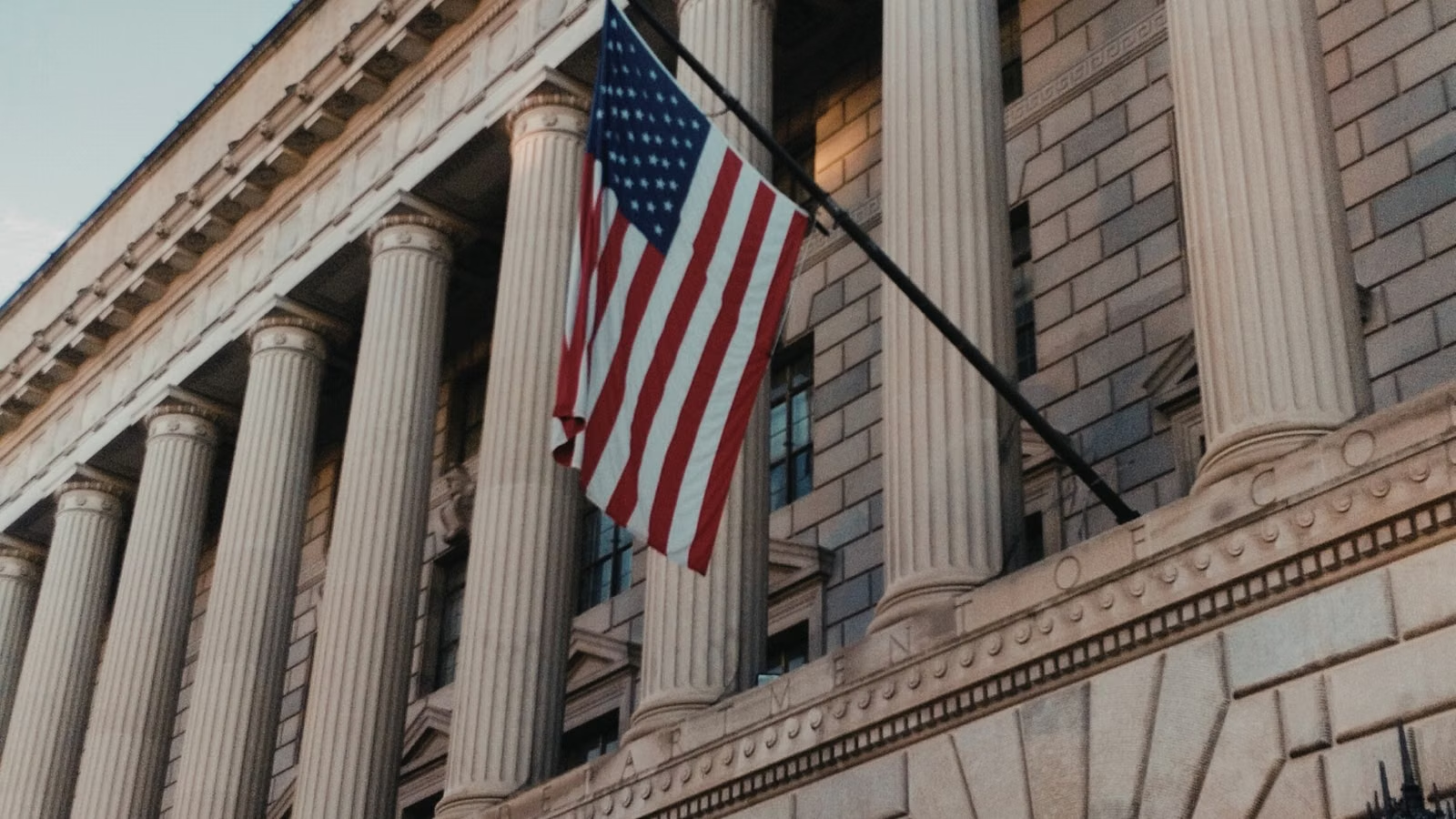
미국 주식 투자 입문
미국 주식 투자 입문 특집은 미국 주식 시장을 이해하고 참여하려는 초보자를 대상으로 미국 주식 계좌 개설, 거래 절차, 거래 시간, 주문 유형, 수수료 및 세금, 시장 규칙과 리스크 관리 등 기초 지식을 체계적으로 정리했습니다. 뉴욕증권거래소, 나스닥, 미국 주식 지수, 장전·장후 거래 및 자주 사용되는 투자 용어를 다루며, 독자가 기본적인 이해를 갖추고 미국 주식에 투자하기 전에 필요한 정보를 파악하여 자신의 상황에 맞게 신중한 투자 결정을 내릴 수 있도록 돕습니다.
관련 블로그
CPI 발표 후 미국 주식은 어떻게 봐야 할까? 금리, 달러, 섹터 로테이션 체크리스트
CPI 발표 후 미국 주식을 어떻게 읽어야 할까요? 이 가이드에서는 헤드라인 CPI, 코어 CPI, 미국 국채 금리, 달러, 유가, 그리고 나스닥, 소형주, 은행주, 에너지주, 방어주에 걸친 섹터 로테이션을 분석합니다.

Matt
2026-07-24 11:35:39

U.S. AI Storage Concept Stocks: How to Classify Chips, Hard Drives, and Enterprise Storage Systems
What are the main U.S. AI storage concept stocks? From Micron, SanDisk, Seagate, and Western Digital to Pure Storage, NetApp, Dell, Silicon Motion, and Rambus, this article classifies storage chips, hard drive capacity, enterprise storage systems, controller interfaces, and AI data center extension chains by business logic, demand drivers, and key risks.

Reggie
2026-07-03 16:38:43

Is the Impact of Trading Fees the Same When Buying High-Priced U.S. Stocks and Low-Priced U.S. Stocks?
The impact of trading fees is not the same when buying high-priced and low-priced U.S. stocks. Comparisons should consider trade value, share count, per-share fees, minimum charges, spreads and slippage, fractional-share rules, sell-side fees, and funding costs.

Neve
2026-06-25 11:09:37

Why Are Order Rules and Fees Important When U.S. IPOs Are Highly Volatile on the First Trading Day?
On the first trading day of a U.S. IPO, investors should not only watch the stock price. They also need to understand order types, opening auctions, platform fees, regulatory fees, bid-ask spreads, slippage, and funding costs. This guide is suitable for beginners checking trading rules and fee details before a popular IPO lists.
Neve
2026-06-25 10:28:32

How to Invest in U.S. Stocks Without an Overseas Bank Card? Accounts, FX, Funding, and Trading Paths Explained
You may still be able to invest in U.S. stocks without an overseas bank card, but the key is your brokerage account, FX path, same-name funding route, and withdrawal loop. Learn about account setup, USD funding, fees, and compliance risks before making your first trade.

Tomas
2026-06-25 10:12:36

How Should You Prepare Funds Before Buying U.S. Stocks? USD, Cash, FX, and Fee Checklist
Before buying U.S. stocks, you should prepare USD funds, cash buffers, FX paths, funding accounts, trading fees, and tax documents. Learn about cash accounts, T+1 settlement, platform fees, regulatory fees, dividend withholding, withdrawal routes, and a funding checklist before placing your first order.

William
2026-06-25 10:09:27

What Are the Main Ways to Fund a U.S. Stock Account? Bank Wire, Third-Party Accounts, and Multi-Currency Accounts Compared
Compare common ways to fund a U.S. stock account, including bank wire, ACH/EFT, Wise and other multi-currency accounts, with fees, timing, account-name rules, refund risks, and beginner-friendly use cases.
Reggie
2026-06-23 16:36:49

How to Buy U.S. Stocks Without a USD Account: Currency Conversion, Funding, and Fee Paths Explained
You can still buy U.S. stocks without a USD account. Learn how local currency converts into USD, how non-USD funding works, how platform FX and auto-conversion operate, and where trading and withdrawal fees may be charged.
Matt
2026-06-23 16:31:24

Do You Need an Overseas Bank Card to Buy U.S. Stocks? A Guide to Different Funding Methods
You do not necessarily need an overseas bank card to buy U.S. stocks. Learn how wire transfers, ACH, local bank transfers, multi-currency accounts, brokerage funding rules, fees, settlement times, same-name funding, and compliance risks work.

Max
2026-06-23 16:26:25