

해외 송금 및 국제 이체
해외 송금 및 국제 이체에 관한 특별 주제에서는 해외 송금, 은행 전신 송금 및 국제 이체 관련 가이드를 한데 모아 송금 절차, 수수료 구성, 입금 완료 시간, 환율 환산, 수취인 정보 및 자주 묻는 질문을 다룹니다. 다양한 국가와 지역 간의 송금 방식, 은행과 송금 플랫폼 비교, SWIFT 이체, 중개 은행 수수료 및 이체 실패 처리에 대한 내용을 포함하여 사용자가 금액, 소요 시간, 안전성 및 비용을 기준으로 적합한 해외 송금 방안을 선택할 수 있도록 돕습니다.
관련 블로그
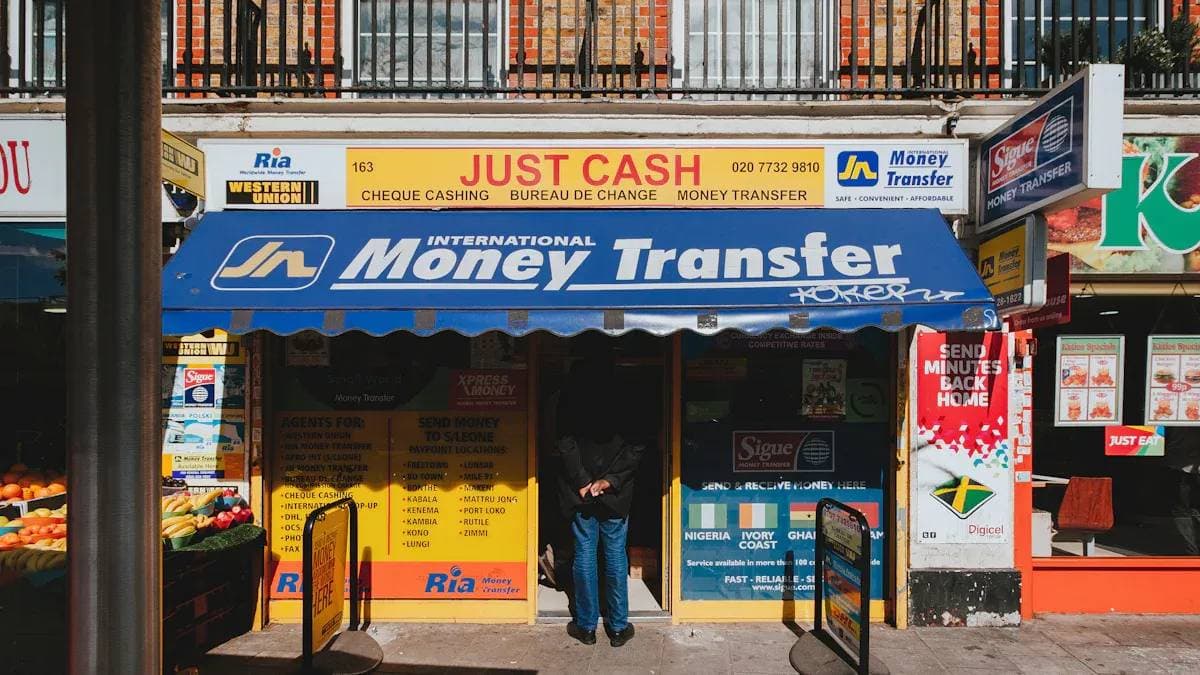
Stop Wasting Money: Master 5 Tips to Effectively Reduce Cross-BBorder Remittance Costs
Want to lower cross-border remittance fees? Stop relying on expensive banks. This article summarizes 5 practical tips: choose low-fee platforms, seize the best exchange rates, consolidate large transfers, avoid hidden charges, and help you save costs effectively while ensuring full amount arrival.

Reggie
2025-12-15 14:13:15

How to Wire Transfer USD from Industrial and Commercial Bank of China to OCBC Singapore? This Guide is All You Need
Want to know how to wire transfer USD from ICBC to OCBC? This article provides the latest 2025 illustrated tutorial, detailing the full process from purchasing foreign exchange via the ICBC App, filling in OCBC recipient information (SWIFT code, GSA account) to completing the remittance. Help you succeed in one go and avoid delays due to incorrect information.

Tomas
2025-12-12 15:40:42

International Wire Transfer Fees Too High? These 5 Tips Will Help You Save Money Immediately
International wire transfer fees too high? Stop using banks! This article reveals 5 practical tips to help you choose the best online platforms, calculate real costs, seize the optimal exchange rates, say goodbye to hidden fees, and save on every cross-border transfer.

Maggie
2025-12-12 11:49:16

Essential Guide to Cross-Border Wire Transfers: Complete Strategy for Wiring Money from China to the US
Planning to wire money from China to the US? This guide provides a detailed breakdown of wire transfer fees in Chinese explanations, covering remitting bank fees, intermediary fees, and receiving bank charges. It also guides you on preparing recipient information (SWIFT/ABA numbers) to easily complete foreign exchange purchase and remittance, ensuring funds arrive safely and quickly.
Reggie
2025-12-11 15:19:33

ACH Transfer vs. Wire Transfer: Comprehensive Comparison to Find Your Best Remittance Solution
Still confused between ACH and wire transfer? This article helps you decide quickly: Choose low-cost ACH for everyday small payments, while for urgent, large, or international transfers, opt for the faster and more secure wire transfer. Compare speed, fees, security, and limits across four dimensions to find the best option.

Neve
2025-12-11 11:56:37
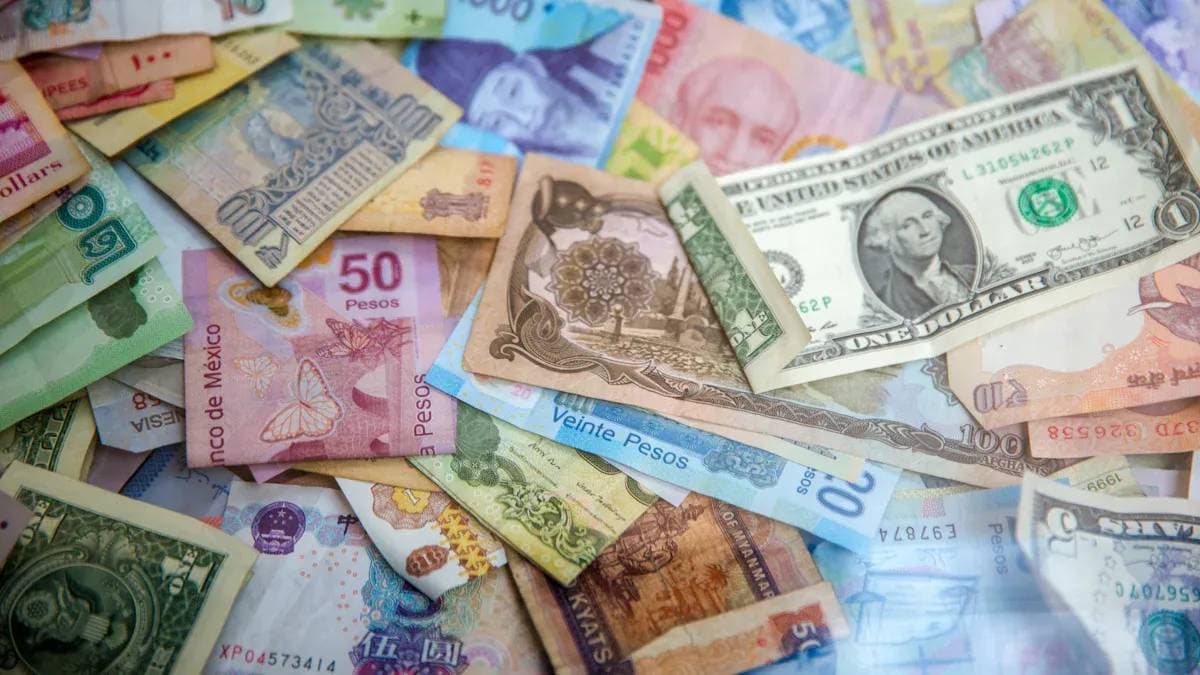
Stop Getting Confused: SWIFT Code vs IBAN vs ABA – Differences and When to Use Each
Not sure about the difference between SWIFT Code, IBAN, and ABA? This one article explains everything you need for international transfers: SWIFT Code is the global bank identifier, IBAN is used for European accounts, and ABA is the U.S. domestic routing number. Learn exactly which one to use by destination so your money arrives safely.

Matt
2025-12-05 09:50:21
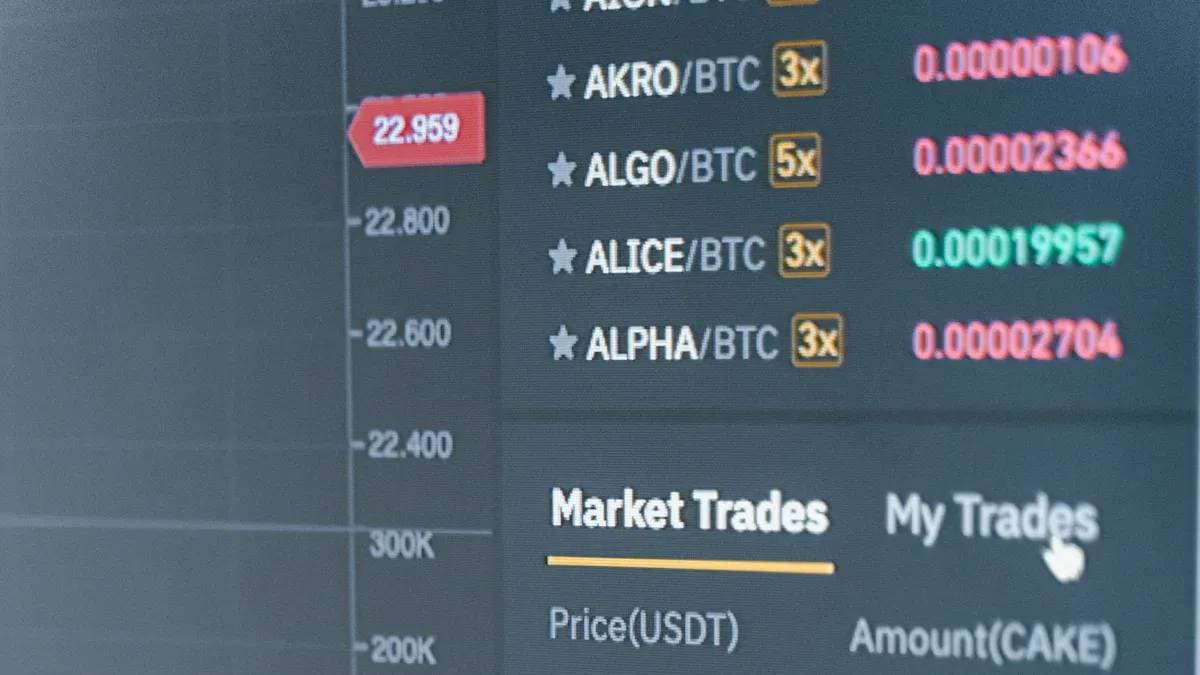
Stablecoin International Remittance Pitfall Avoidance Guide: How to Safely and Quickly Complete USDT Transfers
Want to use the stablecoin USDT for international remittances but worried about risks? This tutorial details how to safely purchase USDT, select the optimal transfer network (TRC-20), and verify addresses to ensure funds arrive quickly, helping you effectively avoid C2C scams and asset loss risks.
Tomas
2025-11-07 10:41:44

From SWIFT to Stablecoins: The Technological Evolution and Future Outlook of International Remittances
Want to know why stablecoin international remittances can arrive in seconds? This article deeply dissects the blockchain technology behind USDT, compares it to SWIFT's correspondent banking model, analyzes how it achieves 7x24 low-cost settlement through de-intermediation, and explores its real-world challenges and future.
Reggie
2025-11-07 10:24:57

2025 USDT International Remittance User Experience In-Depth Analysis: Real Feedback on Speed and Risks
Want to understand the real experience of stablecoin (USDT) international remittances? This article, based on 2025 user feedback, deeply analyzes the arrival speed, comprehensive costs, and operational risks of USDT remittances, helping you make informed decisions between enjoying minute-level arrival convenience and avoiding fund security risks.
Maggie
2025-11-07 09:47:43