Hang Seng Index Trend Analysis




Image Source: unsplash
Looking ahead to 2026, after experiencing significant gains in 2025, the Hang Seng Index in Hong Kong is expected to enter a new phase of “earnings-driven with structural differentiation,” with the overall market maintaining cautious optimism.
The core basis for this judgment is very clear:
- Continued recovery in corporate earnings (expected growth exceeding 8%)
- Still attractive valuations compared to global markets
- Steady inflows of southbound capital
For the question investors care most about—“Is now a good time to invest in Hong Kong stocks?”—the answer lies in a shift in strategy. The current market pullback provides long-term investors with an excellent opportunity to select individual stocks, but the investment focus needs to shift from broad rallies to in-depth exploration of structural opportunities.
Key Points
- The Hang Seng Index in Hong Kong performed strongly in 2025, with technology stocks as the main growth driver.
- In 2026, the Hang Seng Index will be driven by corporate earnings growth, particularly in the technology sector.
- Southbound capital will continue to flow into Hong Kong stocks, providing stable support for the market.
- Investors should focus on AI technology, high-dividend stocks, and stocks related to mainland China’s domestic consumption.
- Investors need to be vigilant about global macroeconomic policies, geopolitical risks, and risks from mainland China’s real estate market.
2025 Hang Seng Index: Outperforming Global Markets Beyond Expectations

Image Source: unsplash
Reviewing 2025, the Hong Kong stock market shook off the gloom and delivered a strong bull market performance. According to CICC data, the Hang Seng Index achieved an annual gain of up to 30%, standing out among major global markets and bringing substantial returns to investors.
Annual Trend Review: From Bottoming to Leading
The market trend in 2025 can be described as a spectacular reversal drama. At the beginning of the year, the market continued its bottoming process, but as fundamental signals improved, the Hang Seng Index recorded a 4.12% gain in the second quarter, starting its leading mode. Entering the second half of the year, the upward momentum accelerated further, especially in late October, when technology stocks showed tremendous resilience, driving the index to new highs repeatedly. However, the rally was not smooth sailing. After entering November, the market experienced a pullback, with the index dropping to around 25,300 points in early December, laying new groundwork for the market pattern in 2026.
Sector Performance Differentiation: Technology Stocks Leading the Way
The gains in 2025 were not across the board but showed significant structural characteristics. Technology and innovation became the absolute main drivers of the market.
Data shows that sectors such as information technology, healthcare, and non-essential consumer goods had the fastest earnings growth. Among them, sub-industries like advertising and promotion, toys, and leisure products even achieved net profit growth rates exceeding 300%, demonstrating astonishing explosive power.
The constituent stocks of the Hang Seng Tech Index achieved a net profit growth rate of 16.18%, becoming the core force leading the market upward. This clearly indicates that investor preferences have shifted from traditional industries to new economy sectors representing the future.
Market Driving Forces: Resonance of AI, Earnings, and Liquidity
The strong performance of Hong Kong stocks in 2025 stemmed from the joint push of three core factors:
- AI Industry Trend Catalysis: Breakthrough progress in global artificial intelligence technology greatly boosted market valuation expectations for technology companies, igniting investment enthusiasm.
- Significant Improvement in Corporate Earnings: Represented by technology and some consumer industries, companies saw substantial fundamental improvements, with strong earnings growth providing solid support for stock price rises.
- Joint Push from Domestic and Foreign Liquidity: Continuous inflows of southbound capital from mainland China, combined with phased easing in overseas liquidity environments, jointly injected ample “ammunition” into the market.
These three factors formed a resonance, collectively creating the brilliance of the Hong Kong stock market in 2025.
2026 Outlook: Analysis of Core Driving Factors
After the strong rebound in 2025, market attention turns to 2026. The core driving force for the future trend of the Hang Seng Index will shift from valuation repair to more solid earnings growth. Investors need to deeply analyze the three pillars of earnings, capital, and valuation to grasp the market pulse in the new phase.
Earnings Fundamentals: Certainty and Sources of Growth
Earnings growth is the core cornerstone supporting the Hong Kong stock market in 2026. After recovery, corporate earnings have entered a more stable growth track. This certainty of growth provides a solid safety cushion for the market.
According to CITIC Securities predictions, the earnings per share (EPS) of the Hang Seng Index in 2026 is expected to achieve steady growth of 8.3%. Even more noteworthy is that the Hang Seng Tech Index, representing the new economy, is projected to see earnings growth as high as 25.0%.
This data clearly shows that technological innovation remains the strongest engine driving the market upward. Leading companies in fields such as artificial intelligence (AI), digital economy, and biotechnology are accelerating the realization of their profitability, becoming the locomotive pulling overall market growth. Continuous improvement in earnings means stock price rises have the most reliable support, and the market’s center of gravity will steadily shift upward.
Capital Liquidity: Dynamic Game Between Southbound and Foreign Capital
Capital is the blood of the market. In 2026, the liquidity of the Hong Kong stock market will present a pattern of “southbound capital dominance with foreign capital in dynamic game.”
- Southbound Capital: Solid Ballast Stone Guotai Junan Securities’ Wu Xianxing analysis points out that southbound capital will continue to be the main driver of Hong Kong stocks. It is expected that institutions including public funds and insurance capital will continue to focus on allocating to growth sectors such as technology, internet, and innovative drugs, with total allocation scale potentially exceeding RMB 800 billion. At the same time, CITIC Securities observes that as yields on other wealth management products decline, retail investors are becoming a new emerging force, flowing into Hong Kong stocks through channels like ETFs. Data shows that since June, Hong Kong stock ETFs have recorded over HKD 270 billion in capital inflows.
- Foreign Capital Flows: Barometer of Global Macro In contrast, foreign capital directions will be more influenced by global macroeconomics, especially U.S. interest rate policies. Although foreign capital may fluctuate due to changes in global risk appetite, the stable inflows of southbound capital will effectively hedge external uncertainties, providing strong bottom support for the market.
Valuation and Sentiment: Safety Margin and Market Expectations
Despite the significant index rise in 2025, Hong Kong stock valuations remain attractive globally. As of early December 2025, the Hang Seng Index’s price-to-earnings ratio is approximately 18.08 times, higher than its 10-year average of 15.16 times, reflecting market optimism. However, from a developmental perspective, there is still room for valuations.
- Global Comparative Advantage: Compared to the U.S. S&P 500 and Nasdaq 100 indices, Hong Kong stocks, especially the technology sector, still have relatively low valuations. Compared to European markets facing economic challenges (such as DAX and FTSE 100), Hong Kong stocks benefiting from mainland China’s economic support policies appear more attractive.
- Institutional Target Prices: Multiple investment banks are optimistic about the market in 2026. FTSE Russell has raised the reasonable PE for Hong Kong stocks to 11 times, while Everbright Securities has given a target of 30,000 points. Specific predictions show potential upside space for the market.
| Investment Bank | Base Scenario Target by End of 2026 | Optimistic Scenario Target by End of 2026 |
|---|---|---|
| Morgan Stanley | 27,500 | 34,700 |
| IG.com | 28,300 | - |
Overall, the certain growth in earnings, continued inflows of southbound capital, and relatively advantageous valuation levels jointly form the basis for cautious optimism in the Hong Kong stock market in 2026.
2026 Investment Themes: Focusing on Three High-Certainty Directions
As the market moves from the broad rally phase driven by valuation repair to a more complex earnings realization period, the core of investment strategy will shift from “buying the market” to “selecting individual stocks.” Excess returns in 2026 will come more from precise grasping of structural opportunities. Investors should focus on the following three investment themes with high certainty.
Theme One: AI Empowerment and Technological Innovation
Technological innovation, particularly the industrialization and application of artificial intelligence (AI), is undoubtedly the most explosive growth engine for the Hong Kong stock market in 2026. This is not only a continuation of global technology trends but also supported by unprecedented policy backing from the Hong Kong SAR government. The growth logic lies in AI moving from concept to application, bringing real orders and profits to related companies.
The Hong Kong government has designated the development of application-oriented AI and data science as a core strategy. A series of powerful measures are creating an excellent development environment for technology companies.
Major Policy Support
- Capital Injection: The government has launched an AI subsidy plan of approximately USD 385 million and reserved about USD 128 million in special funds to support local AI R&D institutions, providing strong computing power and R&D support for companies.
- Top-Level Design: The Hong Kong Artificial Intelligence Research Institute planned for establishment in 2026 will become the “brain” of industrial development, leading technological directions.
- Application Implementation: The government has internally established an “AI Efficiency Enhancement Team” and provides subsidies to encourage traditional industries like construction to use AI, accelerating commercialization across industries.
- Talent Attraction: Continuously optimizing policies like the “Top Talent Pass Scheme” to attract global top talent for the technology industry, addressing core development bottlenecks.
These policies form a combined punch covering capital, R&D, application, and talent—the four key elements. For investors, holding Hong Kong-listed companies in the AI-related industry chain means not only investing in a technology but also sharing high-certainty growth brought by policy dividends.
Theme Two: High Dividends and Defensive Value
In a context where market volatility may intensify, high-dividend strategies provide valuable “safety cushions” and stable cash flows. The growth logic of such assets lies in their inherent defensive attributes and sustained shareholder return capabilities. Especially for long-term investors seeking stable returns, high-dividend stocks are indispensable ballast stones in building portfolios.
From historical data, Hong Kong stocks’ dividend yields have always been attractive. For example, over the more than ten years from 2007 to 2018, the average dividend yield of the Hang Seng Index was approximately 3.920%, and even higher in some years. In 2026, against the backdrop of earnings recovery, many traditional blue-chip companies, such as those in finance, utilities, and telecommunications, are expected to maintain or increase their payout levels.
💡 Investment Tip: Managing Cross-Border Dividends For international investors, after receiving dividends from Hong Kong stocks, they often face currency conversion and fund management issues. For example, converting received HKD dividends to USD for reinvestment in the U.S. market. Using fintech applications like Biyapay can help investors conveniently manage multi-currency funds and complete currency exchange at lower costs, thereby improving overall efficiency of dividend reinvestment.
Allocating to high-dividend assets not only provides defense during market turbulence but also creates a solid foundation for long-term compound growth through sustained cash dividends.
Theme Three: Domestic Demand Drive and New Consumption Trends
As a bridge connecting mainland China and the world, the Hong Kong stock market deeply benefits from mainland China’s vast domestic demand market. With the steady recovery of the mainland economy and improving resident consumption capacity, the “new consumption” trend is becoming a clear investment theme. Its growth logic lies in consumption upgrading and the demand for a better life being long-term and irreversible trends.
Investors can focus on the following areas benefiting from mainland domestic demand:
- Healthcare and Innovative Drugs: With population aging and rising health awareness, demand for high-quality medical services and innovative drugs continues to grow. Leading pharmaceutical companies and medical service providers listed in Hong Kong will directly benefit.
- New Consumption Brands: National trend brands representing new lifestyles, healthy foods, smart home products, and other areas are being pursued by the younger generation, with high growth potential.
- Travel and Tourism Services: The recovery of business and leisure travel demand will continue to benefit sectors like aviation, hotels, and tourism services.
Selecting companies that resonate with mainland China’s consumption structure upgrade is equivalent to grasping the core pulse of consumption market growth in the coming years, expected to yield stable and sustained returns.
Potential Risk Warnings: Prudently Viewing Future Challenges
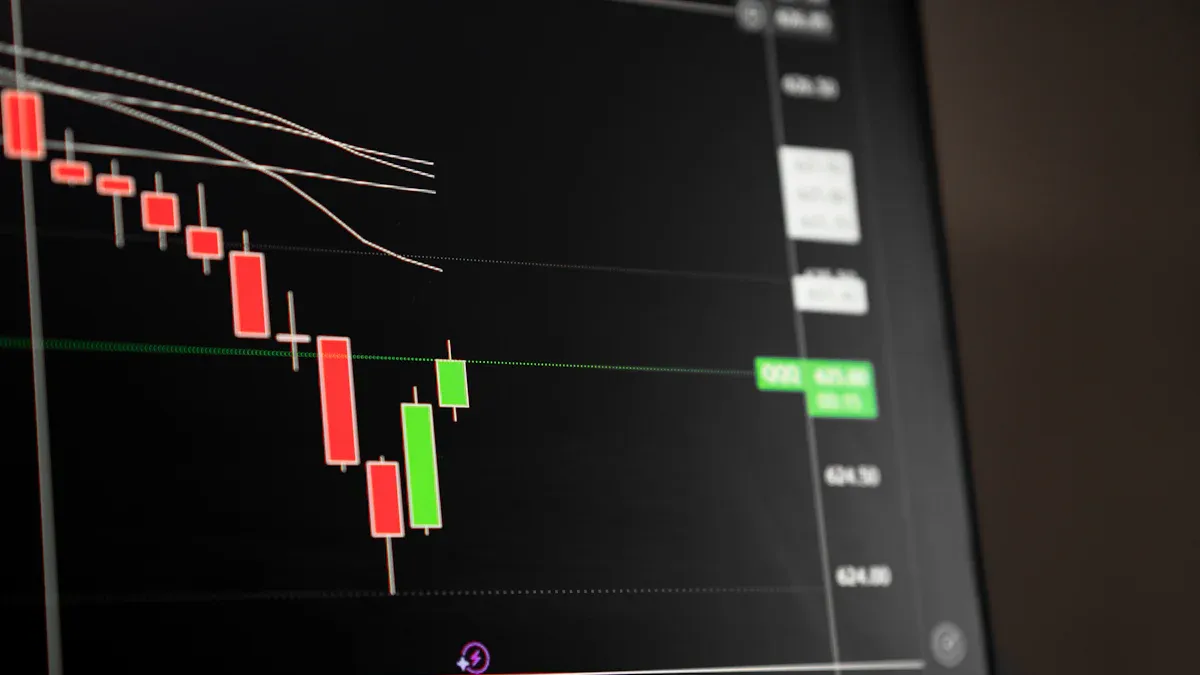
Image Source: pexels
Although the market outlook for 2026 is optimistic, any investment decision must be based on a clear understanding of potential risks. Investors need to prudently assess possible challenges, which may become key variables affecting the Hang Seng Index trend.
Global Macroeconomic Policy Shift Risks
Asynchronous monetary policies among major global economies are the primary macroeconomic risk facing the market in 2026. Different inflation outlooks in the U.S., Europe, and Asia may lead central banks to adopt different interest rate paths, increasing market uncertainty.
This policy divergence is specifically manifested as:
- European Central Bank (ECB) expected to cut rates due to low inflation.
- Federal Reserve (Fed) facing a different inflation environment, with a more complex policy path. The market worries that political pressure may affect the Fed’s independence and decision credibility, leading to excessively loose policy, thereby damaging market confidence.
This asynchronous monetary policy will exacerbate volatility in global capital flows. For Hong Kong, an open international financial center, sudden capital inflows or outflows may impact the market.
Complexity of Geopolitical Landscape
Geopolitical tensions are always a sword hanging over the market. Historical experience shows that such events often suppress investor sentiment and directly affect capital flows. For example, past U.S.-China trade frictions have pressured market enthusiasm.
A noteworthy phenomenon is that some international funds, due to ongoing concerns about geopolitical hotspots, have begun adopting “global emerging markets (excluding China)” investment strategies. This indicates that although southbound capital provides solid support for Hong Kong stocks, geopolitical risks still influence foreign capital allocation decisions. Any sudden geopolitical event may amplify market volatility in the short term.
Transmission Risks from Mainland Real Estate Market
The health of mainland China’s real estate market has a non-negligible transmission effect on the Hong Kong stock market. As an important part of the economy, any fluctuations in the real estate industry may transmit to Hong Kong through industry chains and financial systems.
If the mainland real estate market faces ongoing challenges, it may affect the earnings performance of related companies listed in Hong Kong (such as banks and building materials companies). More importantly, it may also affect overall consumer confidence and spending willingness, thereby pressuring broader consumption and economic growth expectations, indirectly affecting the overall performance of the Hang Seng Index.
In summary, the Hang Seng Index in 2026 will rely more on the realization of earnings growth, with potentially increased market volatility, but structural opportunities are clear. Although 63% of participants expect moderate economic growth, concerns such as trade tensions remain, and the overall trend may present an oscillating pattern with an upward center of gravity.
It is recommended that investors adopt a “barbell” allocation strategy. One end allocates to high-growth technology stocks represented by the Hang Seng Tech Index to capture excess returns; the other end allocates to high-dividend blue chips as defensive positions. In operations, greater emphasis should be placed on bottom-up individual stock selection and maintaining high vigilance toward macroeconomic risks.
FAQ
After the sharp rise in Hong Kong stocks in 2025, is it too late to enter now?
The market driving force has shifted from valuation repair to earnings growth. The current period is not for chasing broad rallies but a window for selecting individual stocks. For long-term investors, structural opportunities in the market still exist, especially in technology and high-dividend areas, where pullbacks provide good positioning opportunities.
What is the core upward driving force for the Hang Seng Index in Hong Kong in 2026?
The core driving force is the certain growth in corporate earnings. The market is expected to be dominated by earnings realization rather than valuation expansion.
Particularly noteworthy is that the earnings growth of the Hang Seng Tech Index is projected to reach as high as 25.0%, becoming the strongest engine pulling the market’s center of gravity upward.
What major risks should investors watch for in 2026?
Investors need to be vigilant about three potential risks:
- Macro Policy Risks: Inconsistencies in monetary policies among major global economies may trigger volatility in capital flows.
- Geopolitical Risks: International tensions may suppress market sentiment and affect foreign capital flows.
- Economic Transmission Risks: Performance of mainland China’s real estate market may impact Hong Kong stocks through industry chains and financial systems.
What specific allocation strategy suggestions are there for ordinary investors?
It is recommended to adopt a “barbell” allocation strategy. One end allocates to high-growth sectors represented by the Hang Seng Tech Index to capture excess returns; the other end allocates to high-dividend blue chips as defensive positions. In operations, greater emphasis should be on bottom-up individual stock selection rather than overall market bets.
*This article is provided for general information purposes and does not constitute legal, tax or other professional advice from BiyaPay or its subsidiaries and its affiliates, and it is not intended as a substitute for obtaining advice from a financial advisor or any other professional.
We make no representations, warranties or warranties, express or implied, as to the accuracy, completeness or timeliness of the contents of this publication.
Related Blogs of

How Long Can the US Stock Bull Market Last? Historical Data Reveals Key Signals for 2025 Trends


Sina Finance vs. East Money: In-Depth Comparison of Forex Features – Which Is the Real Choice for Retail Investors?


Fed Rate Cuts Are a Done Deal: How Wall Street Interprets the Profound Impact on Tech Stocks


Getting Started with US Stock Analysis: How to Seize Next Year's Tech Stock Opportunities
Choose Country or Region to Read Local Blog
 Australia
 Austria
 Belgium
 Canada
 Cyprus
 Czech Republic
 Denmark
 Estonia
 Finland
 France
 Germany
 Greece
 Hong Kong
 India
India Indonesia
 Ireland
 Italy
Italy Japan
Japan Latvia
 Lithuania
 Luxembourg
 Malaysia
 Malta
Malta Morocco
 Nepal
Nepal Netherlands
 New Zealand
 Norway
 Pakistan
 Philippines
 Poland
 Portugal
 Romania
 Singapore
 Slovakia
 Slovenia
 South Africa
 South Korea
 Spain
Spain Sweden
 Thailand
 The United States
 Turkey
 United Arab Emirates
 United Kingdom
 Vietnam
Contact Us




BIYA GLOBAL LLC is a licensed entity registered with the U.S. Securities and Exchange Commission (SEC No.: 802-127417); a certified member of the Financial Industry Regulatory Authority (FINRA) (Central Registration Depository CRD No.: 325027); regulated by the Financial Industry Regulatory Authority (FINRA) and the U.S. Securities and Exchange Commission (SEC).
BIYA GLOBAL LLC is registered with the Financial Crimes Enforcement Network (FinCEN), an agency under the U.S. Department of the Treasury, as a Money Services Business (MSB), with registration number 31000218637349, and regulated by the Financial Crimes Enforcement Network (FinCEN).
BIYA GLOBAL LIMITED is a registered Financial Service Provider (FSP) in New Zealand, with registration number FSP1007221, and is also a registered member of the Financial Services Complaints Limited (FSCL), an independent dispute resolution scheme in New Zealand.