Discover the Top 10 Landmarks in Mexico for 2025



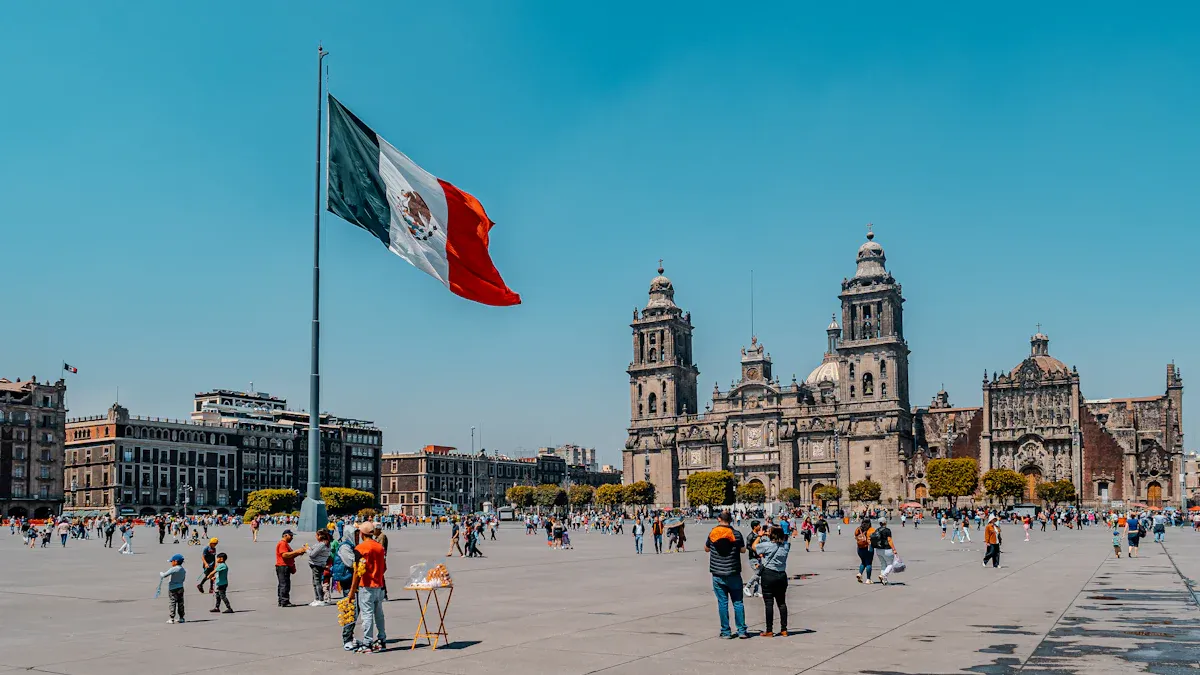
Image Source: pexels
Here are the top 10 famous landmarks in Mexico you need to see in 2025:
- Chichen Itza
- Great Pyramid of Cholula
- Monte Alban
- Tulum Ruins
- Palenque
- El Tajin
- Museo Nacional de Antropología
- Zócalo
- Castillo de Chapultepec
- Museo Subacuático de Arte
Every spot on this list stands out as a must see landmark. You get to explore ancient ruins, grand museums, and sites that tell Mexico’s story. These famous landmarks in Mexico are top rated places to visit in Mexico for travel, history, and adventure. Picture yourself walking through these landmarks and soaking up the best of Mexico travel.
Key Takeaways
- Mexico offers a rich mix of ancient ruins, museums, and cultural sites that tell its fascinating history and traditions.
- Visiting landmarks like Chichen Itza, Monte Alban, and Palenque lets you explore ancient civilizations and see impressive architecture.
- Plan your trips early in the day to avoid crowds and bring essentials like water, sunscreen, and comfortable shoes for a better experience.
- Many sites, including the Museo Nacional de Antropología and Castillo de Chapultepec, provide guided tours to help you understand their stories.
- Unique places like the Museo Subacuático de Arte offer unforgettable adventures blending art and nature underwater.
Chichen Itza
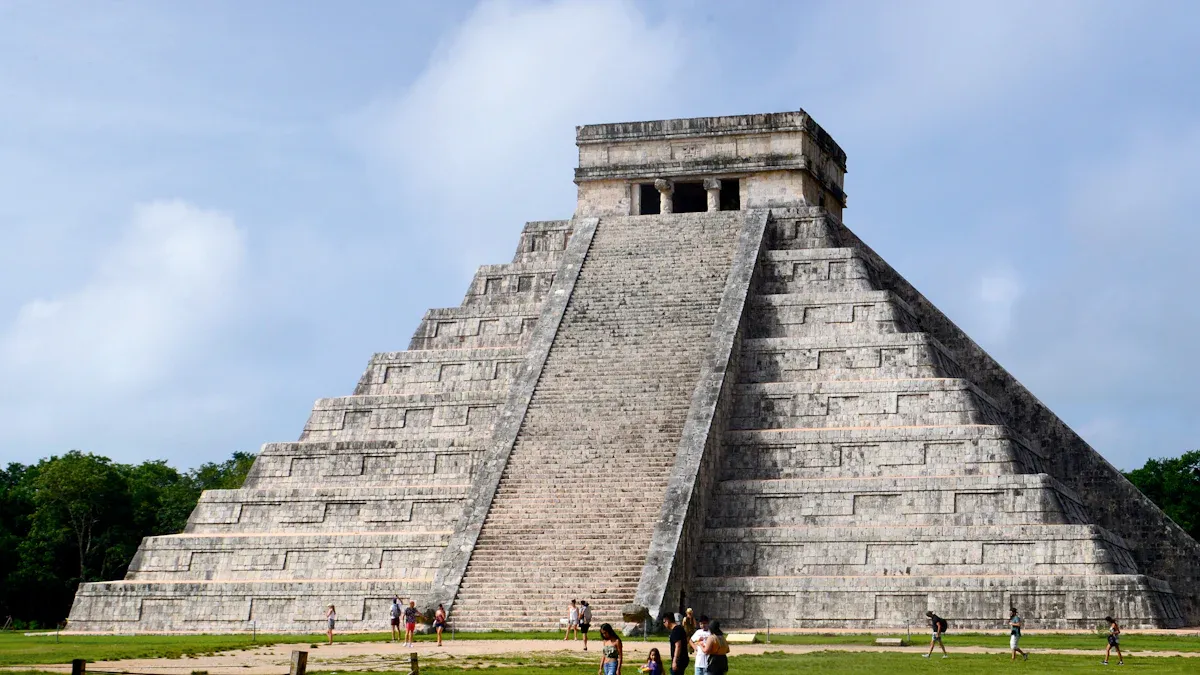
Image Source: unsplash
Overview
Chichen Itza stands as one of the most famous landmarks in Mexico. When you visit, you step into a world of ancient Mayan ruins that tell stories from centuries ago. This site draws over 2.5 million visitors every year. You can see why so many people travel here. The chichen itza mayan ruins include the Temple of Kukulcán, which became one of the New Seven Wonders of the World in 2007. You will find yourself surrounded by ancient ruins that have shaped the history of Mexico.
History
Chichen Itza has a long and rich past. The chichen itza mayan ruins began to take shape between 750 and 900 AD. Over time, the city grew into a powerful capital. It played a key role in the region’s politics and trade. The site saw many important events, from the rise of the Maya to the arrival of the Spanish. You can see the timeline of major events below:
| Period/Event | Description |
|---|---|
| 750-900 AD | Initial development and layout of Chichen Itza’s core site. |
| 900-1050 AD | Expansion into a powerful regional capital controlling northern and central Yucatán; establishment of Isla Cerritos as a trading port. |
| Late Classic to Terminal Classic Periods | Chichen Itza becomes a major regional capital dominating political, economic, and cultural life in northern Maya lowlands; correlates with decline of southern Maya centers. |
| 10th Century | Contributed to the decline of neighboring cities Yaxuna and Coba. |
| 16th Century | Spanish conquest attempts and later conversion to a cattle ranch. |
| 19th Century | Rediscovery and popularization through travel books and explorers. |
| 20th Century | Federal protection and increasing tourism. |
| 1988 | Designated as a UNESCO World Heritage Site. |
| 2007 | Temple of Kukulcán named one of the New Seven Wonders of the World. |
Location
You will find Chichen Itza in the Yucatán Peninsula, about two hours from Mérida and three hours from Cancún. The site sits in the heart of Mexico’s lush jungle. Improved access, like the new Mayan train, makes it easier for you to reach these historical ruins.
Tips
- Arrive early to avoid crowds. On busy days, over 7,500 people visit the chichen itza mayan ruins.
- Bring water and sunscreen. The sun can get intense at these ancient ruins.
- Wear comfortable shoes. You will walk a lot as you explore the ruins and other historical sites.
- Guided tours help you learn more about the history and culture of these ancient mayan ruins.
Note: You cannot climb the main pyramid anymore. This rule helps protect the site and keeps visitors safe.
Chichen Itza stands out as one of the top historical sites in Mexico. You will remember your visit to these ancient ruins for years to come.
Great Pyramid of Cholula
Overview
You might think of tall, pointed pyramids when you picture ancient landmarks, but the great pyramid of cholula in mexico will surprise you. This pyramid looks more like a giant hill covered in grass and trees. It is actually the largest pyramid in the world by volume. The great pyramid of cholula has a base that stretches about 300 by 315 meters. Its height ranges from 25 to 66 meters. Over time, different cultures built new layers on top of the old ones, making the pyramid even bigger. Many people walk right past it, not realizing they are standing on one of the most impressive ruins in mexico.
| Pyramid | Volume (million m³) | Base Dimensions (m) | Height (m) |
|---|---|---|---|
| Great Pyramid of Cholula | 4.45 | 300 x 315 | 25 to 66 |
| Great Pyramid of Giza | 2.5 | 230.3 x 230.3 | 146.6 |
Significance
The great pyramid of cholula is not just big—it is deeply important to mexico’s history. People started building it over 2,000 years ago. The pyramid served as a temple for Quetzalcoatl, the feathered serpent god. You can imagine priests performing rituals and ceremonies here, hoping for rain and good harvests. The site became a center for religion and trade, drawing visitors from all over mexico and Central America. When the Spanish arrived, they built the Church of Our Lady of Remedies right on top of the pyramid. This created a powerful symbol of how different cultures and beliefs mixed together in mexico. Today, the pyramid stands as a reminder of the country’s rich spiritual past.
Did you know? Locals once camouflaged the pyramid with plants to protect it from being destroyed by the Spanish.
Location
You will find the great pyramid of cholula in the city of Cholula, Puebla, about 10 miles west of Puebla City. This spot is easy to reach from many parts of central mexico. The pyramid sits in a lively town filled with markets, food stalls, and colorful streets. You can see the church on top from far away, making it one of the most recognizable landmarks in the region.
Tips
- Wear comfortable shoes. You will walk through tunnels inside the pyramid and climb up to the church for amazing views.
- Visit early in the day to avoid crowds and enjoy cooler weather.
- Take a guided tour to learn about the pyramid’s layers and the ancient ruins hidden beneath the surface.
- Bring a camera. The view of the volcanoes and the city from the top is stunning.
- Explore the local markets nearby for tasty snacks and souvenirs from mexico.
Monte Alban
Overview
Monte Alban stands high above the Oaxaca Valley. When you visit, you see one of the oldest and most important landmarks in mexico. The monte alban ruins stretch across a flattened mountain top, giving you sweeping views of the valley below. This ancient city once served as the heart of Zapotec civilization. You can walk among plazas, temples, and stone carvings that have stood for over 2,500 years. Monte Alban is a UNESCO World Heritage Site and remains one of the most impressive ruins in mexico.
History
You step into a place with deep roots. The Zapotecs began building Monte Alban around 500 BC. They leveled the mountain to create a ceremonial center. Over time, the city grew to cover about 6.5 square kilometers and reached a population of nearly 25,000 people. Monte Alban became a center for trade, religion, and politics in southern mexico. Archaeologists have found about 170 tombs, many filled with treasures, murals, and pottery. The city also features stone slabs called “danzantes,” which show human figures and early writing. By 700 AD, Monte Alban had become the largest city in the region. After 800 AD, the site declined and later served as a burial ground for Mixtec rulers.
- Key discoveries at Monte Alban:
- Artificially flattened mountain top for the acropolis
- Tombs with murals and Mixtec treasures
- Stone carvings with hieroglyphs and danzantes
- Evidence of trade with Chiapas and Teotihuacan
Location
You find Monte Alban just a few miles west of Oaxaca City in southern mexico. The site sits on a mountain ridge about 1,940 meters above sea level. You can reach it by taxi, bus, or guided tour from Oaxaca City. The location gives you a stunning view of the valley and nearby mountains. This makes Monte Alban one of the most scenic sites in mexico.
Tips
- Arrive early to enjoy cooler weather and fewer crowds.
- Wear comfortable shoes for walking the uneven paths and steps.
- Bring water and sun protection. The sun can feel strong at this altitude.
- Take a guided tour to learn about the history and hidden details of the monte alban ruins.
- Visit the on-site museum to see artifacts and learn more about the Zapotec and Mixtec cultures.
Monte Alban offers you a chance to explore ancient mexico and connect with its rich past. This site stands out among mexico’s famous landmarks and gives you memories that last a lifetime.
Tulum Ruins
Overview
You find the Tulum ruins perched on a cliff above the turquoise waters of the Caribbean Sea. This spot stands out as one of the most beautiful natural landmarks in mexico. When you visit, you see ancient stone walls, temples, and breathtaking ocean views. The tulum ruins attract millions of travelers each year. Many people say this is one of the most photogenic sites in mexico. You get a mix of history, culture, and nature all in one place.
| Year | Visitor Count | Why So Popular? |
|---|---|---|
| 2023 | 2.5 million+ | Easy to reach, seaside views, rich history, new train access |
| 2025 (Jan-Jun) | 627,634 | Still a top choice for travelers in mexico |
The tulum ruins have become even more popular with the new Maya Train, making it easier for you to explore this famous site.
Unique Features
You notice right away that the tulum ruins look different from other mayan landmarks in mexico. Here’s what makes them special:
- The ruins sit on a clifftop, giving you sweeping views of the Caribbean Sea.
- Tulum served as both a fortress and a trading port, with thick walls around the city.
- El Castillo, the main pyramid, once worked as a lighthouse for mayan traders.
- The Temple of the Frescoes has colorful murals that still show ancient stories.
- The Temple of the Descending God has stone carvings that puzzle experts.
- Tulum is smaller than other sites like Chichen Itza, but its seaside setting makes it unique.
- The city reached its peak between 1200 and 1521 AD, later than most other mayan ruins.
You feel the mix of history and nature as you walk through these ancient structures.
Location
You find the tulum ruins in the Riviera Maya, on the eastern coast of mexico’s Yucatán Peninsula. The site sits just outside the modern town of Tulum. You can reach it by car, bus, or the new Maya Train. The location makes it one of the most accessible ruins in mexico. You can even walk to the beach after exploring the ancient city.
Tips
- Arrive early to beat the crowds and the midday heat.
- Wear light clothes and bring water. The sun feels strong near the sea.
- Bring a camera for the stunning views of the ruins and the ocean.
- Take a guided tour to learn about the history and the meaning behind the murals and carvings.
- Combine your visit with a swim at the nearby beach for a perfect day in mexico.
Note: The tulum ruins are one of the most visited sites in mexico. Plan ahead, especially during busy seasons.
Palenque
Overview
You step into Palenque and feel the magic of ancient Mexico all around you. This site sits deep in the jungle, where mist rises over stone temples and howler monkeys call from the trees. Palenque mayan ruins stand out as one of the most beautiful and mysterious landmarks in Mexico. You see grand palaces, tall pyramids, and carvings that tell stories from a lost world. Unlike some other ruins, Palenque feels peaceful and wild. You can wander through the old city and imagine what life was like for the Maya people who built it.
Some of the most important structures and artifacts you will find at Palenque include:
- The Palace, with its towers and courtyards
- The Temple of the Inscriptions, which holds the tomb of King Pakal
- Pakal’s sarcophagus lid, covered in cosmic symbols
- The Group of the Cross, a set of temples with carved stone tablets
- The Temple of the Cross, with its grand staircase and incense burners
- The Tablet of the Foliated Cross, showing the Maya creation story
- The Tablet of the 96 Hieroglyphs, a masterpiece of Maya writing
- Intricate waterways and astronomical alignments
The discovery of King Pakal’s tomb in 1952 changed what people knew about the Maya. His burial, covered in jade and hidden deep inside the Temple of the Inscriptions, became a crown jewel of Maya art and history.
Mayan Heritage
Palenque helps you understand the heart of Maya civilization. The city’s buildings show off advanced engineering and beautiful design. You see vaulted roofs, T-shaped windows, and detailed stucco decorations. The temples and palaces reveal how the Maya used art and writing to share their beliefs and history.
| Aspect | Evidence Summary |
|---|---|
| Architectural Marvels | Palenque’s temples and palaces show advanced Maya building skills and unique styles. |
| Cultural Significance | Carvings and hieroglyphs tell stories about Maya gods, rulers, and the calendar. |
| Archaeological Finds | Royal tombs and inscriptions help you learn about Maya kings and their world. |
| Preservation | Palenque protects both ancient ruins and the jungle, making it a special place in Mexico. |
| Ongoing Research | Archaeologists keep finding new secrets, connecting the past with people today. |
You see how Palenque links the ancient Maya with their descendants, who still keep traditions alive in Mexico. The site stands as a symbol of Maya spirit and creativity.
Location
You find Palenque in the state of Chiapas, southern Mexico. The ruins sit on the edge of the rainforest, about five miles from the modern town of Palenque. You can reach the site by bus, car, or guided tour from cities like Villahermosa or San Cristóbal de las Casas. The lush jungle setting makes Palenque one of the most stunning sites in Mexico.
Tips
- Arrive early to enjoy the cool air and quiet paths.
- Wear sturdy shoes for walking on uneven stones and trails.
- Bring water and insect repellent. The jungle can feel hot and buggy.
- Take a guided tour to learn about the carvings and the stories behind the ruins.
- Visit the on-site museum to see artifacts and learn more about the Maya.
Palenque offers you a chance to explore one of Mexico’s greatest landmarks. You will leave with a deeper respect for the people who built these amazing ruins.
El Tajin
Overview
When you visit El Tajin, you step into one of the most fascinating landmarks in mexico. This ancient city stands out for its unique architecture and mysterious atmosphere. El Tajin became a UNESCO World Heritage Site because of its brilliant design and deep cultural meaning. The Pyramid of the Niches is the most famous structure here. It has 365 small niches, one for each day of the solar year. This shows how the people of El Tajin understood astronomy and time. You will also see more ball courts at this site than anywhere else in Mesoamerica. The carvings and buildings show off the skill and creativity of the Totonac people.
- El Tajin features:
- The Pyramid of the Niches with 365 niches
- Seventeen ball courts decorated with carvings
- Buildings with detailed stonework and Mayan-style arches
- Urban layout that copies the shape of a marine shell
El Tajin’s monuments and art influenced many other regions in ancient mexico.
Cultural Importance
El Tajin played a huge role in the cultural growth of the Veracruz region. The city brought together ideas from many groups, like the Totonac, Maya, and Zapotec. You can see this mix in the buildings and art. El Tajin became a center for trade, religion, and politics between 800 and 1200 AD. The ball game was very important here. The city has more ball courts than any other ancient site in mexico. The Pyramid of the Niches connects to the solar calendar and farming cycles, showing how the people linked their lives to the sun and seasons. El Tajin’s style and ceremonies shaped the culture of Veracruz and beyond.
Location
You will find El Tajin in the state of Veracruz, mexico. The site sits near the modern town of Papantla. It is about 180 miles northeast of Mexico City. You can reach it by car or bus. The area around El Tajin is lush and green, making your visit feel like an adventure into the past.
Tips
- Arrive early to enjoy cooler weather and fewer crowds.
- Wear comfortable shoes for walking on uneven ground.
- Bring water and a hat. The sun can get strong at this site.
- Take a guided tour to learn about the history and meaning behind the carvings.
- Visit during the Cumbre Tajín festival in March for a special look at Totonac culture.
El Tajin gives you a chance to explore one of mexico’s most important cultural sites. You will leave with a new respect for the people who built this amazing city.
Museo Nacional de Antropología
Overview
You step into the Museo Nacional de Antropología and feel the heart of mexico’s history all around you. This museum stands as one of the most important landmarks in the country. People from all over the world visit to see the stories of ancient cultures. In 2024, almost 3.7 million visitors explored its halls, making it the most-visited museum in mexico. Many call it a national treasure. The museum’s bold and modern design draws you in before you even see the exhibits. Some say the building itself is a work of art.
If you want to understand the roots of mexico, this museum is the place to start.
Collections
You find some of the most famous artifacts in mexico here. The museum’s collection covers thousands of years of history. When you walk through the galleries, you see:
- The Aztec Sun Stone, a giant carved disk that weighs over 24 tons. It tells the story of Aztec time and myths.
- Moctezuma’s Headdress, a colorful feathered piece that shows the power of Aztec rulers.
- The Statue of Xochipilli, which honors the god of art and dance.
- A replica of Pakal’s Tomb, complete with a jade mask from the Mayan world.
- The Cōātlīcue Statue, a huge stone figure with snake and skull designs.
- El Paraguas, a tall water feature in the courtyard that makes the museum’s design stand out.
Each room brings you closer to the people who shaped mexico’s past. You see how art, religion, and daily life changed over time.
Location
You find the Museo Nacional de Antropología in Chapultepec Park, right in the center of Mexico City. The museum sits close to other famous sites and landmarks, so you can plan a full day of exploring. Buses, taxis, and the metro make it easy to reach. The park setting gives you a peaceful break from the busy city.
Tips
- Arrive early to enjoy the museum before it gets crowded.
- Wear comfortable shoes. The museum is large, and you will walk a lot.
- Bring a notebook or camera to remember your favorite exhibits.
- Take a guided tour if you want to learn more about the stories behind the artifacts.
- Spend some time in the courtyard to see El Paraguas and relax.
Visiting the Museo Nacional de Antropología helps you connect with mexico’s rich history. You leave with a new respect for the cultures that built these amazing sites and landmarks.
Zócalo
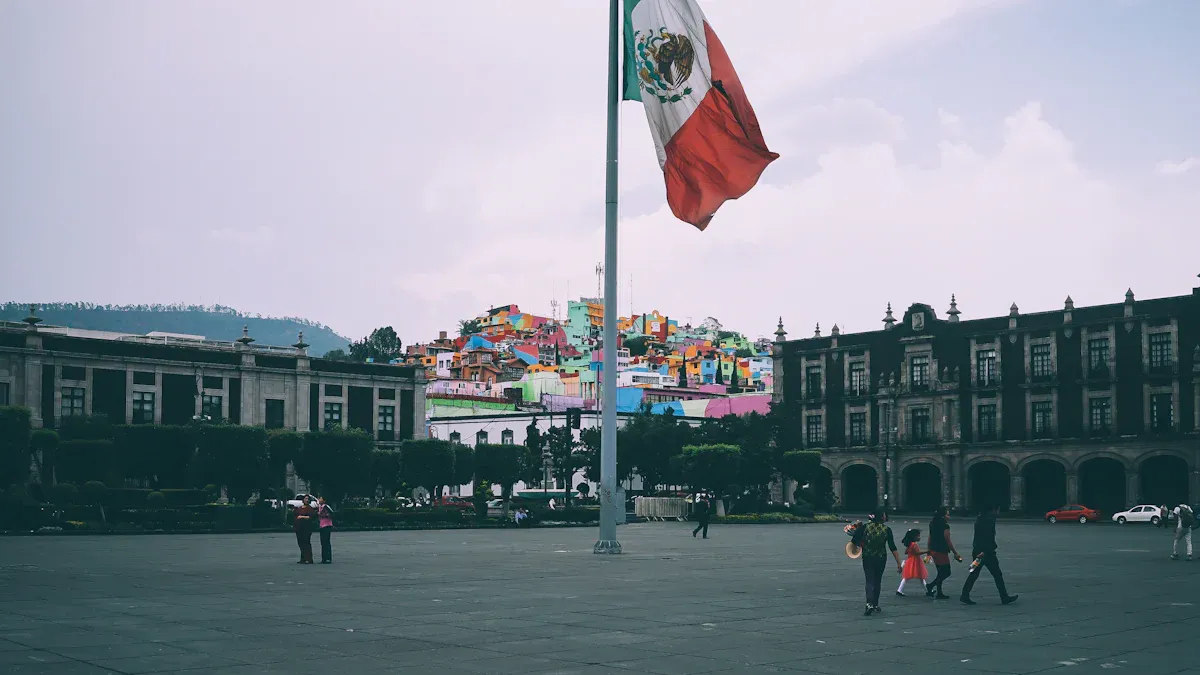
Image Source: pexels
Overview
You stand in the heart of Mexico City when you visit the Zócalo. This huge plaza is one of the most important mexico city landmarks. People call it Plaza de la Constitución, but everyone knows it as the Zócalo. You see a giant Mexican flag waving in the center. Around you, the square buzzes with life. Street vendors sell snacks, musicians play, and families gather. The Zócalo is one of the mexico city famous places you cannot miss. It connects you to the city’s past and present.
Historical Role
The Zócalo sits on the ruins of the ancient Aztec city, Tenochtitlán. Over hundreds of years, it has witnessed many key moments in mexico’s history. Here are some important events that happened at the Zócalo:
- The National Palace, next to the square, has served as the seat of power since colonial times.
- Every year, the president rings the Bell of Dolores from the palace balcony to celebrate Mexican Independence.
- The Zócalo has hosted national protests, like those after the 2006 presidential election and a huge protest against crime in 2008.
- You can see concerts, art shows, and festivals, such as the Festival de México, right in the square.
- The plaza has welcomed unique events, including a massive skateboarding and BMX event and famous art exhibitions.
You feel the weight of history here. The Zócalo is not just a plaza; it is one of the most important historical sites in mexico.
Location
You find the Zócalo in the center of Mexico City’s historic district. It is surrounded by major landmarks, including the Metropolitan Cathedral and the National Palace. The area blends pre-Hispanic and colonial heritage, making it a top spot among mexico city famous places. The square is easy to reach by metro, bus, or on foot. Renovations have made it friendly for walking and cycling, so you can explore at your own pace.
Tips
- Visit early in the morning to enjoy the plaza before it gets crowded.
- Take a guided tour to learn about the history and stories behind the mexico city zócalo.
- Try local street food from vendors around the square.
- Look for special events or festivals happening during your visit.
- Bring a camera to capture the grand buildings and lively atmosphere.
The Zócalo gives you a real taste of mexico. You see history, culture, and daily life all in one place. It stands out as one of the top mexico city landmarks and a must-see for anyone exploring the city.
Castillo de Chapultepec
Overview
You find Castillo de Chapultepec sitting high on a hill in Mexico City. This castle stands out as one of the most famous landmarks in mexico. When you visit, you see a mix of grand rooms, beautiful gardens, and sweeping city views. The castle now serves as the National Museum of History. You walk through halls filled with stories from mexico’s past. Many people say this is one of the best places to learn about the country’s history and culture.
History
Castillo de Chapultepec has a long and important story. The castle started as a summer retreat for Spanish rulers in 1785. Over time, it became a military academy, a royal home, and even the president’s house. One of the most famous events happened in 1847 during the Mexican-American War. Young cadets, known as Los Niños Héroes, bravely defended the castle. Their sacrifice turned them into symbols of mexican pride. Later, Emperor Maximilian and Empress Carlota lived here and made the castle look like an Italian villa. In 1939, the castle became a museum to protect and share mexico’s history.
| Timeframe/Event | Significance |
|---|---|
| 1785 | Built as summer retreat for Spanish viceroy |
| 1847 (Battle of Chapultepec) | Defended by Los Niños Héroes, now national heroes |
| 1864–1867 | Home of Emperor Maximilian I and Empress Carlota |
| 1882–1934 | Official presidential residence |
| 1939 onwards | National Museum of History |
Location
You find Castillo de Chapultepec inside Chapultepec Park, right in the heart of Mexico City. The castle sits on top of Chapultepec Hill, giving you amazing views of the city. You can reach the park by metro, bus, or taxi. Once inside, you follow a path up the hill to the castle entrance. The walk feels peaceful, with trees and gardens all around you.
Tips
- Start your visit early to enjoy the castle before it gets crowded.
- Wear comfortable shoes for walking up the hill and exploring the rooms.
- Don’t miss the museum’s highlights:
- History rooms with murals and artifacts from different eras of mexico
- Murals by famous artists like Juan O’Gorman and David Siqueiros
- The Alcazar, with rooms showing how Emperor Maximilian and Porfirio Diaz lived
- Beautiful gardens and a terrace with statues and city views
- Main staircase murals and special exhibits about the Niños Héroes
- Bring a camera for the views and the art inside.
- Take your time in the gardens—they are some of the prettiest in mexico.
Visiting Castillo de Chapultepec lets you step into the past and see why this castle remains one of the top landmarks in mexico.
Museo Subacuático de Arte
Overview
You might think of ancient ruins or grand castles when you picture famous landmarks in mexico, but the Museo Subacuático de Arte offers something totally different. This underwater museum sits off the coast of Cancún and Isla Mujeres. It features more than 500 life-sized sculptures placed on the ocean floor. Artists designed these sculptures to create an artificial reef. When you visit, you see art and nature working together. The museum opened in 2009 and quickly became one of the most unique places to visit in mexico.
The sculptures are made from marine-grade, pH-neutral cement. This special material helps coral grow and gives marine animals a safe home. Over time, the museum has turned a once-barren area into a thriving ecosystem. You might spot octopus, angelfish, sardines, and even rare angel sharks swimming around the art.
Unique Experience
You get a one-of-a-kind adventure at this museum. Instead of walking through halls, you swim or float above the sculptures. The underwater setting makes the art feel mysterious and magical. Each sculpture tells a story about people, nature, or the sea. As you explore, you help protect natural reefs by visiting this site instead of more fragile areas. The museum blends art, science, and conservation, making it a must-see for anyone looking for new mexico landmarks.
Location
You find the Museo Subacuático de Arte in the Cancun Marine Park, between Cancún and Isla Mujeres. The sculptures rest at different depths, so you can choose how you want to visit. Local tour companies offer trips by boat, and you can reach the site from either Cancún or Isla Mujeres.
Tips
- You can visit by snorkeling, scuba diving, or taking a glass-bottom boat tour.
- Snorkeling works best for beginners. You float above the shallower sculptures and see plenty of marine life.
- Scuba diving lets you get closer to the deeper installations. Certified divers get the most out of this experience.
- Bring an underwater camera if you want to capture the art and sea creatures.
- Book your tour with a licensed operator to make sure you follow safety and conservation rules.
The Museo Subacuático de Arte stands out as one of mexico’s most creative landmarks. You get to explore art, help the ocean, and make memories you will never forget.
Famous Landmarks in Mexico
Mexico Famous Landmarks List
You might wonder what makes a place one of the most famous landmarks in mexico. These sites stand out for many reasons. When you visit, you see more than just old buildings or pretty views. You step into places that shaped history, culture, and even the way people see mexico around the world.
- Historical importance: Many famous landmarks in mexico, like Chichen Itza and Monte Alban, tell stories from ancient civilizations.
- Cultural and national significance: Some sites, such as the Museo Nacional de Antropología, show off the country’s art, traditions, and pride.
- Architectural grandeur: Landmarks like Castillo de Chapultepec impress you with their design and beauty.
- Uniqueness and visitor appeal: The Museo Subacuático de Arte gives you an underwater adventure you cannot find anywhere else.
- UNESCO World Heritage status: This special honor helps protect and celebrate these places.
- Popularity among travelers: Millions of people travel to see these mexico famous landmarks every year.
These mexico famous places reflect the country’s rich history, from ancient empires to modern cities. Each landmark offers you a new way to experience mexico’s story.
Planning Your Visit
You want your travel to mexico’s famous landmarks to be smooth and memorable. Here are some tips to help you plan:
- Visit during the dry season (November to April) for the best weather. You get sunny days and mild temperatures, perfect for exploring.
- If you want fewer crowds, try the shoulder months like May or November. You still enjoy good weather and more space at the landmarks.
- Use apps like ADO Bus to move between cities. For short trips, taxis or Uber work well.
- Book guided tours for places like Chichen Itza or the Museo Nacional de Antropología. Guides help you understand the stories behind the sites.
- Always check travel advisories and weather updates, especially if you plan to visit coastal areas during hurricane season.
- Start your trip in Mexico City. You can explore museums, markets, and nearby ruins before heading to other famous landmarks in mexico.
Planning ahead lets you see more, learn more, and enjoy every moment of your travel. Each landmark gives you a new adventure and a deeper look into what makes mexico special.
You discover so much when you explore these top 10 landmarks. Each site shows a different side of Mexico, from ancient ruins like Palenque to the lively heart of Mexico City. These landmarks let you experience art, history, and nature all in one trip. Start your travel plans by checking the best time to visit, booking tours, and reading guides. You can make your 2025 travel unforgettable by adding these landmarks to your list. Get ready to see, learn, and enjoy every moment of your journey!
FAQ
What is the best time to visit Mexico’s famous landmarks?
You get the best weather from November to April. These months bring sunny days and cooler temperatures. You avoid heavy rain and hurricanes. Try to visit early in the morning for fewer crowds at popular sites.
Do I need to book tickets in advance for these landmarks?
You should book tickets ahead for popular places like Chichen Itza and the Museo Nacional de Antropología. This saves you time and guarantees entry. Some sites offer online reservations, which make your trip smoother.
Can I visit multiple landmarks in one trip?
Yes, you can! Many landmarks sit close to each other or have good transport links. Plan your route, use buses or guided tours, and you will see more in less time.
Are these landmarks family-friendly?
Most landmarks welcome families. You find easy walking paths, rest areas, and guides who share stories for all ages. Bring snacks, water, and sun protection for a comfortable visit.
Exploring Mexico’s iconic landmarks in 2025 should be about history, culture, and breathtaking experiences — not the stress of high conversion fees or unreliable payment methods abroad. With BiyaPay, you can check real-time exchange rates, convert between multiple fiat and digital currencies instantly, and send money worldwide with a transparent 0.5% remittance fee. Whether you’re paying for guided tours at Chichen Itza, booking transport to Tulum, or settling hotel costs in Mexico City, BiyaPay ensures same-day transfers and a smooth travel experience.
Make your next trip worry-free: register with BiyaPay today and enjoy fast, secure, and cost-efficient payments across most countries worldwide.
*This article is provided for general information purposes and does not constitute legal, tax or other professional advice from BiyaPay or its subsidiaries and its affiliates, and it is not intended as a substitute for obtaining advice from a financial advisor or any other professional.
We make no representations, warranties or warranties, express or implied, as to the accuracy, completeness or timeliness of the contents of this publication.
Related Blogs of

Weekly US Stock Index Futures Review and Outlook: What Investors Should Focus On


Overcoming Human Weaknesses: Detailed Guide to Beginner-Friendly Automated US Stock Trading Strategies


Profit Expansion is the Core Driver: Analyzing the Growth Engines of the US Stock Market in 2026

Best Free Real-Time US Stock Quote Websites Besides Yahoo Finance

Choose Country or Region to Read Local Blog
 Australia
 Austria
 Belgium
 Canada
 Cyprus
 Czech Republic
 Denmark
 Estonia
 Finland
 France
 Germany
 Greece
 Hong Kong
 India
India Indonesia
 Ireland
 Italy
Italy Japan
Japan Latvia
 Lithuania
 Luxembourg
 Malaysia
 Malta
Malta Morocco
 Nepal
Nepal Netherlands
 New Zealand
 Norway
 Pakistan
 Philippines
 Poland
 Portugal
 Romania
 Singapore
 Slovakia
 Slovenia
 South Africa
 South Korea
 Spain
Spain Sweden
 Thailand
 The United States
 Turkey
 United Arab Emirates
 United Kingdom
 Vietnam
Contact Us




BIYA GLOBAL LLC is a licensed entity registered with the U.S. Securities and Exchange Commission (SEC No.: 802-127417); a certified member of the Financial Industry Regulatory Authority (FINRA) (Central Registration Depository CRD No.: 325027); regulated by the Financial Industry Regulatory Authority (FINRA) and the U.S. Securities and Exchange Commission (SEC).
BIYA GLOBAL LLC is registered with the Financial Crimes Enforcement Network (FinCEN), an agency under the U.S. Department of the Treasury, as a Money Services Business (MSB), with registration number 31000218637349, and regulated by the Financial Crimes Enforcement Network (FinCEN).
BIYA GLOBAL LIMITED is a registered Financial Service Provider (FSP) in New Zealand, with registration number FSP1007221, and is also a registered member of the Financial Services Complaints Limited (FSCL), an independent dispute resolution scheme in New Zealand.