Why Do We Call Dollars Bucks and What Other Money Slang Exists Worldwide


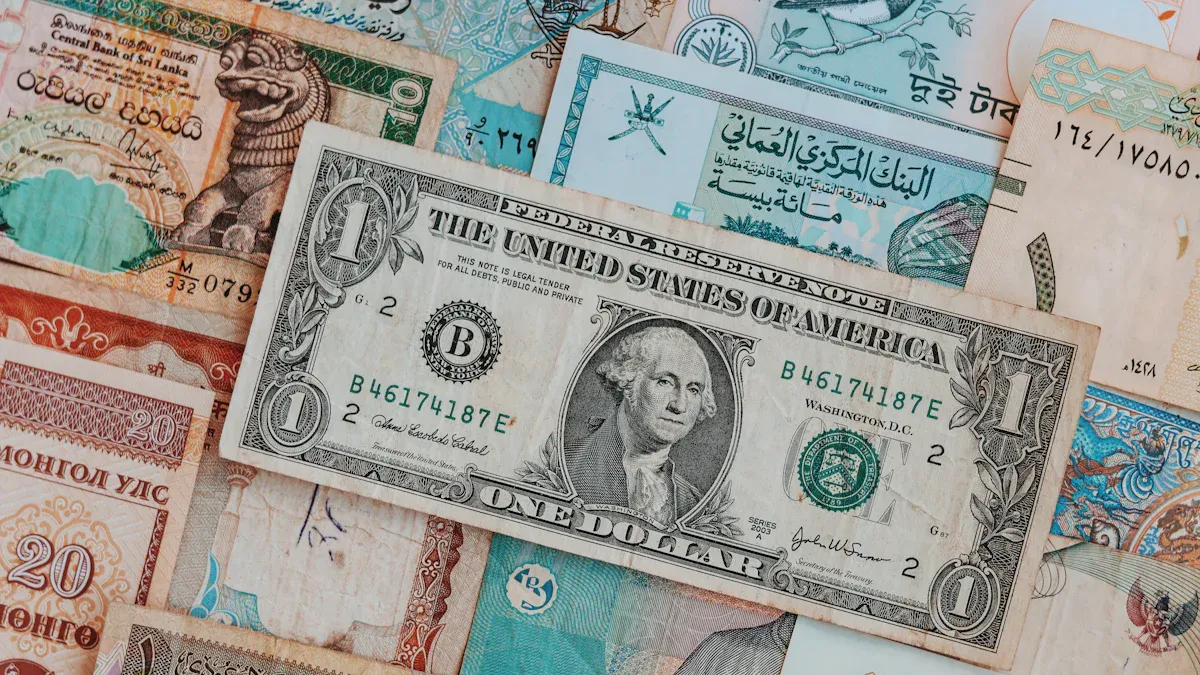
Image Source: pexels
Have you ever wondered why people call a dollar a buck? You might hear someone say, “That costs ten bucks,” and not think twice about it. The term has a fascinating origin. Early traders used buckskins as a form of currency. Over time, people started to call a dollar a buck. Today, you often hear dollars called bucks in everyday life. The use of buck for money stuck, and now everyone knows what you mean when you ask for a few bucks.
Key Takeaways
- The word ‘buck’ started from trading deer hides called buckskins before the U.S. dollar existed.
- People used buckskins as money on the frontier, making ‘buck’ a trusted term for value.
- Even after the dollar became official, ‘buck’ stayed popular because it was short and easy to say.
- American money slang includes fun words like ‘clam,’ ‘sawbuck,’ and ‘benjamins’ that make talking about cash lively.
- Many countries have unique money slang that reflects their culture, like ‘quid’ in the UK and ‘loonie’ in Canada.
Why Are Dollars Called Bucks?
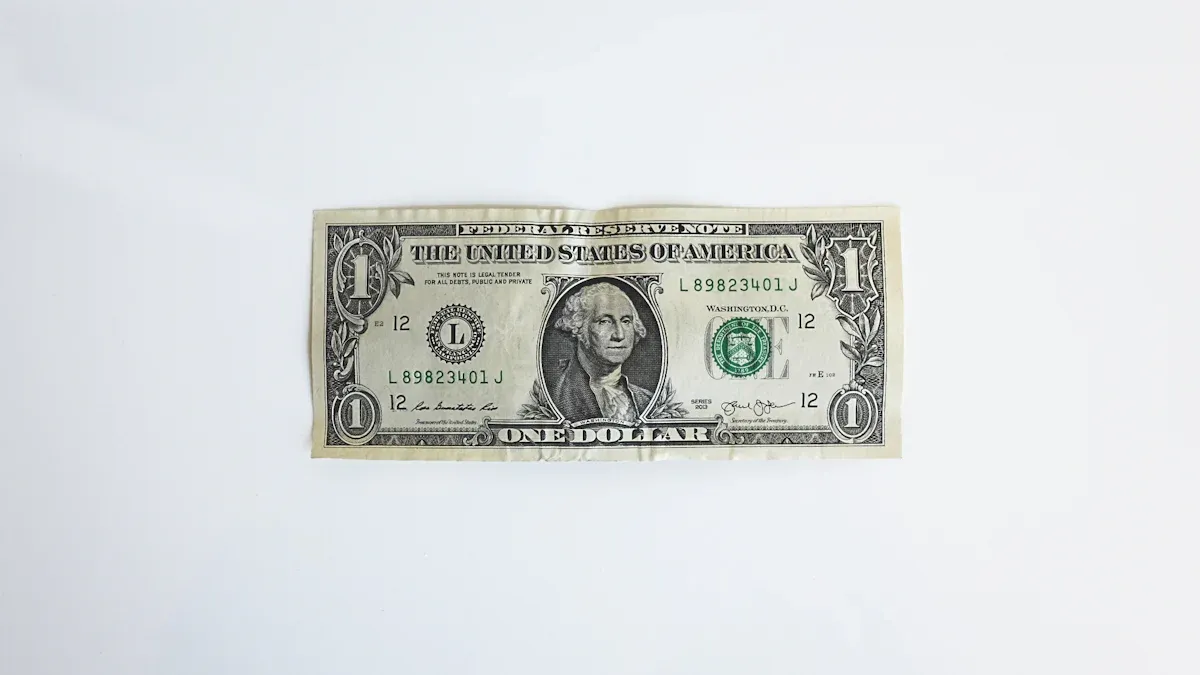
Image Source: unsplash
Buckskin Trade Origins
You might wonder, why are dollars called bucks? The answer goes back to the early days of American history. On the frontier, people did not always have coins or paper money. Instead, they traded goods that everyone valued. One of the most important items was the buckskin, which is the hide of a male deer. Buckskins were strong, useful, and easy to carry. They became a common way to pay for things.
Buckskins worked like money. If you wanted to buy something, you could offer a certain number of buckskins. People trusted this system because everyone knew the value of a buckskin.
Here are some facts about the origin of the term and how buckskins became linked to money:
- In 1748, a trader named Conrad Weiser wrote in his journal about selling whiskey for “five bucks,” meaning five deer hides.
- James Buchanan, in 1824, said, “Each buck-skin one dollar,” showing that people saw buckskins and dollars as equal in value.
- Native Americans and settlers often traded goods using buckskins as a unit of exchange.
- By the mid-1700s, you could find many records of people using “bucks” to talk about trade and value.
The etymology of the word buck as money comes from this practice. Buckskins served as a medium of exchange before the U.S. dollar became common. The origin of the term shows how practical items shaped language and trade.
Evolution to Modern Usage
As time passed, the United States created its own currency. The dollar became the official money in 1792. Even after this change, people kept using the word buck. The habit stuck because it was simple and everyone understood it. The phrase “dollars called bucks” became part of everyday speech.
The first printed record of buck meaning a dollar appeared in 1856, but people had used it in conversation much earlier. By the early 1800s, you could hear traders and settlers say things like, “That costs five bucks.” The term spread quickly because it was short and easy to say. Over time, the word buck became a synonym for the U.S. dollar and persisted in American English.
- Buckskins were used as currency in the 1700s.
- The term buck moved from meaning a deer hide to meaning a dollar after the U.S. adopted the dollar.
- The value of a buckskin could change, but the word buck stayed as slang for money.
- The phrase “dollars called bucks” became common because of its roots in trade and its plainspoken style.
- The word shortened to buck or bucks, making it even easier to use in daily life.
The origin of the term buck shows how language changes with culture and need. Today, you still hear people ask, “Why are dollars called bucks?” The answer connects you to a time when people traded animal skins instead of coins. The story of bucks reminds you that money slang often comes from real-life needs and creative solutions.
Dollar Commonly Referred to as a Buck
Everyday American Slang
You hear the dollar commonly referred to as a buck almost everywhere in the United States. This slang term for the dollar started with the buckskin trade, but today, it is just part of daily conversation. When you talk about money, you might use many other American slang words. These words make talking about cash more fun and less formal.
Here are some popular American slang terms for money:
| Slang Term | Meaning / Usage | Example / Notes |
|---|---|---|
| Buck | $1 | “Can you lend me a buck?” |
| Clam | $1 | Comes from clam shells once used as currency |
| Sawbuck | $10 bill | The Roman numeral X on the bill looks like a sawbuck |
| Fin | $5 bill | “Fin” comes from the Yiddish word for five |
| Tenner | $10 bill | “Tenner” means a ten-dollar bill |
| Fiver | $5 bill | “Fiver” means a five-dollar bill |
| Grand | $1,000 | “He made three grand last week” |
| Benjamins | $100 bills | Named after Benjamin Franklin, who appears on the bill |
| Bread, Dough | Money in general | “You need bread to buy that” |
| Smackers | Dollars | “That costs fifty smackers” |
You use these slang terms in many situations. For example, you might say, “I need a few bucks,” or “That costs ten smackers.” Each dollar nickname adds color to your conversations.
Related Expressions
You also hear phrases that use these slang terms. One famous saying is “pass the buck.” This phrase does not mean passing money. It comes from poker games in the 1800s. Players used a buckhorn-handled knife to show whose turn it was to deal. When you “pass the buck,” you pass the responsibility to someone else.
Note: The phrase “pass the buck” connects to the buckhorn marker, not to the slang term for dollar. Still, both use the word buck, which shows how language can link ideas in surprising ways.
Today, you use buck in many expressions. You might hear “make a quick buck” when someone earns money fast. You also hear “bang for your buck” when you get good value. These sayings show how the dollar commonly referred to as a buck shapes the way you talk about money.
Global Money Slang
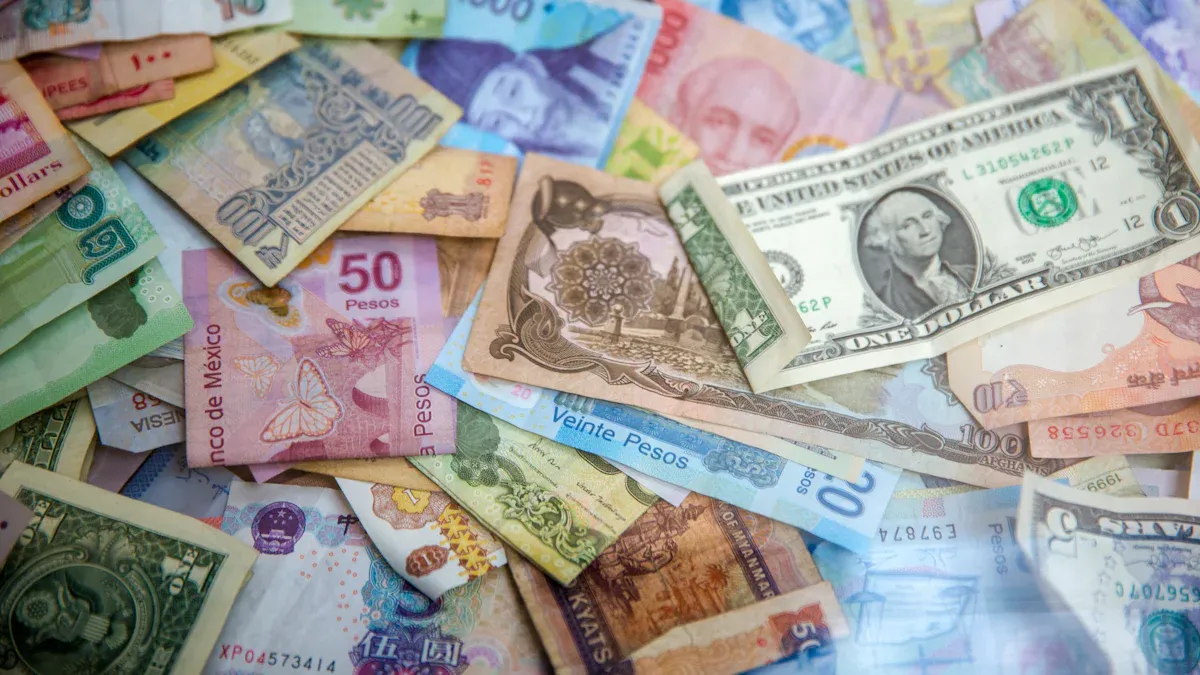
Image Source: unsplash
You find that every country has its own way of talking about money. These slang terms show how people connect language with culture and daily life. Let’s look at some of the most interesting examples from around the world.
United Kingdom: Quid, Fiver
In the United Kingdom, you often hear someone say, “That’s ten quid.” The word “quid” means one British pound. People have used this slang term since the late 1600s. Some believe it comes from the Latin phrase “quid pro quo,” which means “something for something.” Others think it might come from Italian or even a village in England. You never see “quid” on coins or notes, but you hear it everywhere. You also hear “fiver” and “tenner” for five-pound and ten-pound notes. These words show how British people like to keep money talk simple and friendly.
Australia: Aussie Slang
Australian money slang is colorful and creative. People call the $20 note a “lobster” because of its red color. The $50 note is a “pineapple” due to its bright yellow shade. Here is a table with some common terms:
| Banknote | Slang Term(s) | Reason/Origin |
|---|---|---|
| $5 | fiver, pink lady | Pink color of the note |
| $10 | tenner, blue swimmer | Blue color and local animals |
| $20 | lobster | Red color, like a lobster |
| $50 | pineapple | Yellow color, like a pineapple |
| $100 | watermelon, Bradman | Green color, famous people on note |
You also hear “bucks” and “dollarydoos” in jokes. These names make money fun and easy to remember.
Canada: Loonie, Toonie
In Canada, you use “loonie” for the one-dollar coin. The name comes from the loon, a bird on the coin. When Canada made the two-dollar coin, people called it the “toonie,” mixing “two” and “loonie.” Both names are so popular that the Royal Canadian Mint trademarked them. Canadians use these words every day, and they have become part of the country’s identity.
Japan: En Nicknames
In Japan, people use the yen as their currency. Locals sometimes call it “en,” which is the Japanese word for yen. You might hear “ichi-en” for one yen or “go-en” for five yen. These terms are simple and show respect for tradition.
France: Balle, Brique
French people have many slang words for money. “Balle” once meant a franc, but now people use it for one euro. “Brique” means “brick” and stands for a large sum, like 10,000 euros. These words have lasted through changes in currency, showing how slang can survive over time.
- “Balle” started as a word for “bullet” but became a way to talk about money.
- “Brique” and “patate” mean big amounts, like 10,000 or even 100,000.
Brazil: Real Slang
In Brazil, people use the real as their currency. Locals sometimes call it “conto” for one real, or “pau” for a thousand. These words come from old ways of counting money and show how language changes with time.
South Africa: Rand Slang
South Africans use “buck” for the rand, just like Americans use it for the dollar. You also hear “tom” for money, which comes from old British slang. South African slang mixes words from English, Afrikaans, and local languages. This blend shows the country’s rich culture and history.
Money slang around the world reflects how people see wealth, trade, and daily life. The variety of terms in global money slang shows how language adapts to culture and history. You can see how each slang term tells a story about the people who use it.
You now know why people call dollars “bucks.”
- The word started with buckskins used as trade on the frontier.
- Early records show “buck” meant deerskin before the dollar existed.
- People measured wealth in buckskins, making the term common.
- “Buck” became short for buckskin and stayed after the dollar began.
- By the 1800s, “buck” meant dollar everywhere.
Money slang makes language richer:
- It uses food words like “dough” or “bread.”
- It brings humor and history into daily talk.
- It connects people through shared culture.
Share your favorite money slang in the comments. When you learn these words, you build respect and understanding for cultures around the world.
FAQ
What does “buck” mean in American money slang?
You use “buck” to mean one U.S. dollar. The word comes from the old practice of trading buckskins. Today, you hear it in stores, restaurants, and daily conversations.
Why do people say “quid” in the United Kingdom?
People in the United Kingdom use “quid” to mean one British pound. The exact origin is unclear. Some believe it comes from the Latin phrase “quid pro quo,” which means “something for something.”
Are there other common money slang terms in the United States?
Yes, you find many. Here is a quick table:
| Slang Term | Meaning |
|---|---|
| Fin | $5 bill |
| Sawbuck | $10 bill |
| Grand | $1,000 |
| Benjamins | $100 bill |
Can you use money slang in formal writing?
You should avoid money slang in formal writing. Use it in casual speech or informal writing. Formal documents and business letters require standard terms like “dollar” or “euro.”
This article reveals how money slang reflects a culture’s history, from American “bucks” to Canadian “loonies” and Australian “lobsters.” But beneath the fun nicknames lies a serious financial reality: when you move money across borders, you face complex regulations, high exchange fees, and unfavorable rates that can diminish your funds. While slang offers a fun way to talk about money, a modern solution like BiyaPay offers a better way to handle it. Our platform simplifies your global transactions, providing real-time exchange rate queries and conversions for various fiat and digital currencies with remittance fees as low as 0.5%.
Whether you’re a traveler, a global business owner, or a digital nomad, BiyaPay makes it easy and secure to manage your money across borders. We support money transfers to most countries and regions worldwide, ensuring your funds get where they need to go quickly—often on the same day. Don’t let confusing exchange rates and high fees hold you back. Open an account with BiyaPay in minutes and experience a new level of financial freedom. Register now to start your global financial journey.
*This article is provided for general information purposes and does not constitute legal, tax or other professional advice from BiyaPay or its subsidiaries and its affiliates, and it is not intended as a substitute for obtaining advice from a financial advisor or any other professional.
We make no representations, warranties or warranties, express or implied, as to the accuracy, completeness or timeliness of the contents of this publication.
Related Blogs of
Overcoming Human Weaknesses: Detailed Guide to Beginner-Friendly Automated US Stock Trading Strategies


Want to Invest in US Stocks but Can't Read Financial Reports? Keep This Super Detailed Guide


Weekly US Stock Index Futures Review and Outlook: What Investors Should Focus On


Top 10 U.S. Tech Stocks Most Worth Owning in 2025 Recommended by UBS and Citi

Choose Country or Region to Read Local Blog
 Australia
 Austria
 Belgium
 Canada
 Cyprus
 Czech Republic
 Denmark
 Estonia
 Finland
 France
 Germany
 Greece
 Hong Kong
 India
India Indonesia
 Ireland
 Italy
Italy Japan
Japan Latvia
 Lithuania
 Luxembourg
 Malaysia
 Malta
Malta Morocco
 Nepal
Nepal Netherlands
 New Zealand
 Norway
 Pakistan
 Philippines
 Poland
 Portugal
 Romania
 Singapore
 Slovakia
 Slovenia
 South Africa
 South Korea
 Spain
Spain Sweden
 Thailand
 The United States
 Turkey
 United Arab Emirates
 United Kingdom
 Vietnam
Contact Us




BIYA GLOBAL LLC is a licensed entity registered with the U.S. Securities and Exchange Commission (SEC No.: 802-127417); a certified member of the Financial Industry Regulatory Authority (FINRA) (Central Registration Depository CRD No.: 325027); regulated by the Financial Industry Regulatory Authority (FINRA) and the U.S. Securities and Exchange Commission (SEC).
BIYA GLOBAL LLC is registered with the Financial Crimes Enforcement Network (FinCEN), an agency under the U.S. Department of the Treasury, as a Money Services Business (MSB), with registration number 31000218637349, and regulated by the Financial Crimes Enforcement Network (FinCEN).
BIYA GLOBAL LIMITED is a registered Financial Service Provider (FSP) in New Zealand, with registration number FSP1007221, and is also a registered member of the Financial Services Complaints Limited (FSCL), an independent dispute resolution scheme in New Zealand.