How to Trade Stocks Online in PST Time Zone



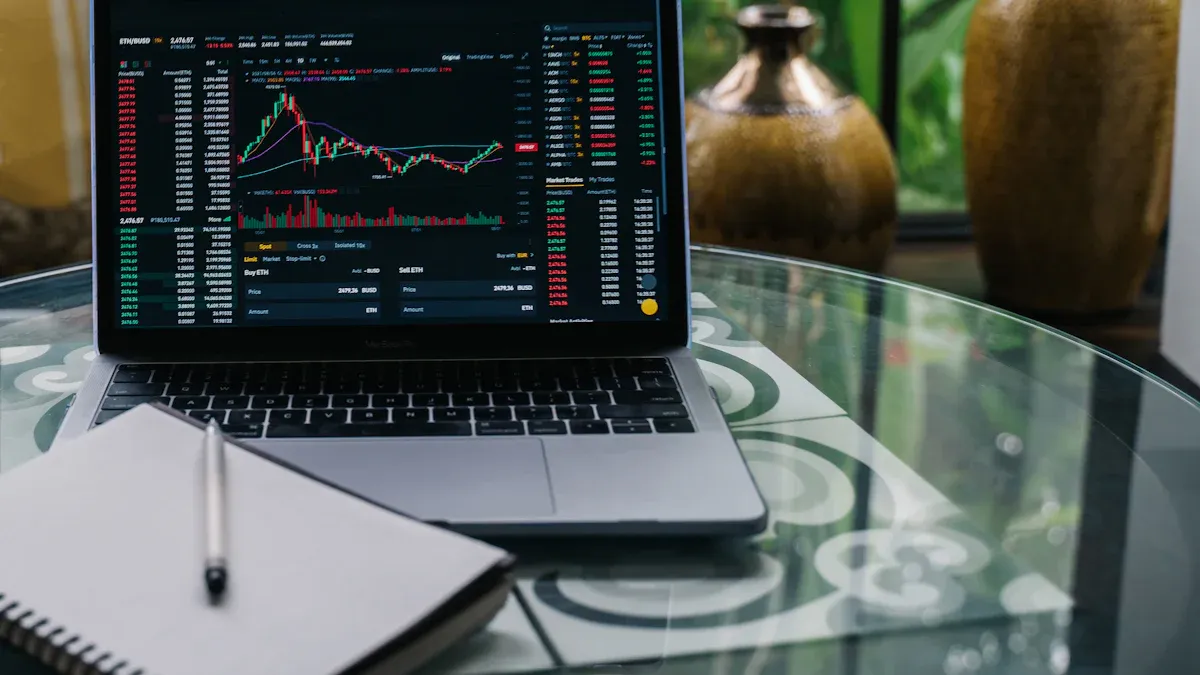
Image Source: pexels
You can start trading stocks online from the Pacific time zone with a few simple steps. First, learn what time does the stock market open pst so you can plan your trading day. Choose a trusted broker who offers online trading platforms that fit your needs. Check the broker’s features and fees before you sign up. Trading in PST gives you a unique schedule, so you should stay aware of market hours and use tools to help you succeed.
Key Takeaways
- Start trading by choosing a trusted online broker that fits your needs and offers secure, easy-to-use platforms.
- Know the stock market hours in PST: regular trading runs from 6:30 a.m. to 1:00 p.m., with pre-market and after-hours sessions available on some brokers.
- Set clear, realistic investment goals using the SMART method to stay focused and track your progress.
- Use risk management tools like stop-loss orders and diversify your portfolio to protect your money.
- Take advantage of digital tools and mobile apps to research stocks, monitor your portfolio, and trade anytime, anywhere.
What Is Online Trading?
Basics of Trading
Online trading lets you buy and sell stocks using your computer or phone. You do not need to visit a physical exchange. You can access the market from anywhere, including the Pacific time zone. When you trade, you try to buy stocks at a low price and sell them at a higher price. You can also invest in stocks online for the long term by holding shares and waiting for their value to grow.
Understanding key trading concepts helps you make better decisions. You should learn how to read charts and spot trends. Many traders use tools like moving averages and support or resistance levels. These tools help you decide when to enter or exit a trade. Managing risk is important. You should never risk more than 1% of your account on a single trade. The table below shows some important trading principles and benchmarks:
| Key Trading Concepts and Benchmarks | Description |
|---|---|
| Trend Analysis | Track market direction to inform decisions. |
| Support & Resistance | Identify price levels to time entries/exits. |
| Moving Averages | Smooth price data to spot trends. |
| Risk Management | Use stop-loss and position sizing to protect capital. |
| Numerical Benchmarks | Details |
|---|---|
| 1% Risk Rule | Never risk more than 1% of account per trade. |
| Chart Pattern Success Rates | Head & Shoulders: 83% success, 3-6 weeks |
| Double Bottoms: 72% success, 2-4 weeks | |
| Triangle Patterns: 68% success, 1-3 weeks |
How to Invest in Stocks Online
You can invest in stocks online by opening an account with a broker. Many platforms let you start with a small amount of money. You should set clear goals before you begin investing. Decide if you want to grow your money slowly or try to make faster gains. Many experts suggest diversifying your investments. This means you spread your money across different stocks, sectors, and even countries. Diversification helps lower your risk.
Online platforms give you real-time data and low-cost trades. You can track your portfolio and adjust your stock investing strategies as needed. You should review your investments often. Look at your asset allocation, sector exposure, and total return. Learning about capital markets and risk management will help you make smarter choices. Many investors use tools like Yahoo Finance to research stocks and monitor performance. By following these steps, you can build strong stock investing habits and improve your results over time.
How to Start Trading Stocks Online
Choose a Broker
You need to pick an online broker before you start trading stocks online. A good online broker gives you access to the stock market, offers a user-friendly platform, and provides strong customer support. Many people use popular online brokers like Charles Schwab, E*TRADE, TD Ameritrade, and Robinhood. These companies let you open a trading account quickly and offer different features for new and experienced investors.
Market research shows that more people are using online brokers every year. For example, Robinhood grew from 4 million users in 2017 to over 22 million in 2021. By early 2024, more than 10 million people actively used the app. This growth shows that online trading is becoming more popular and easier for everyone. Most online brokers now offer real-time market data, educational resources, and commission-free trading. You should look for a brokerage that follows all rules set by the SEC and uses strong security to protect your information.
When you compare online brokers, check their fees, trading tools, and account types. Some brokers focus on low-cost trades, while others offer more research and support. Make sure the brokerage you choose fits your investing style and goals. You can read reviews or try demo accounts to see which platform feels best for you.
Tip: Choose an online broker that offers educational content and easy-to-use trading tools. This will help you learn and grow as you invest.
Open and Fund Your Account
After you choose a brokerage, you need to open a trading account. Most online brokers let you do this in just a few minutes. You fill out an application, provide your personal details, and select the type of brokerage account you want. You can open an individual account, a joint account, or even a retirement account, depending on your goals.
To start trading, you must fund your trading account. Linking your bank account is the most common way to transfer money. Most online brokers use secure systems like Plaid Link to connect your bank safely. Here is how the process usually works:
- You enter your bank details using a secure widget.
- The system checks your account and routing numbers.
- The broker verifies your identity and checks for enough funds.
- You authorize the transfer, and the money moves to your trading account.
- You can cancel a transfer before it is sent, but instant transfers cannot be stopped once started.
- Some brokers let you use micro-deposits to verify your bank if you do not want to log in directly.
These steps help keep your money safe and make sure your trading account is ready for investing. Always check that your brokerage follows all rules for secure transfers and keeps your information private.
Note: You should only transfer money from accounts you own. This helps prevent fraud and keeps your trading account safe.
Set Investment Goals
Before you invest, you need to set clear goals for your trading account. Good goals help you stay focused and make better decisions. Experts suggest using the SMART method to set your investing goals:
- Specific: Know exactly what you want to achieve.
- Measurable: Track your progress with numbers.
- Achievable: Set goals you can reach.
- Relevant: Make sure your goals fit your life.
- Time-based: Give yourself a deadline.
You can break your goals into short-term, medium-term, and long-term plans. For example, you might want to save $1,000 USD (about 7,800 HKD at a 1:7.8 exchange rate) in six months, or invest for retirement over 20 years. Review your goals often. Many investors check their progress every month or quarter. Writing down your goals and sharing them with someone can help you stay on track. Studies show that people who write and share their goals succeed more often than those who do not.
Some online brokers offer tools to help you track your goals. For example, Schwab Intelligent Portfolios uses simulations to show if you are on track to meet your targets. These tools help you adjust your investing plan if needed.
Block Quote: Setting realistic goals based on your income and life situation is important. Always check if your goals match your current needs before you start investing.
A strong plan for your trading account helps you avoid mistakes and keeps you focused on your future. As you start trading stocks online, remember to review your goals, use the right tools, and keep learning about investing.
What Time Does the Stock Market Open PST?

Image Source: unsplash
Regular Market Hours
You need to know what time does the stock market open pst before you start trading. The regular hours for the U.S. stock market are 6:30 AM to 1:00 PM PST. This schedule matches the New York Stock Exchange and NASDAQ, which run from 9:30 AM to 4:00 PM Eastern Time. If you live in the Pacific time zone, you must wake up early to catch the opening bell. Many traders plan their day around these hours. You should set reminders so you do not miss important market moves. When you ask what time does the stock market open pst, remember that the closing time is just as important. The market closes at 1:00 PM PST, so you need to finish your trades before then.
Pre-Market and After-Hours
You can trade stocks outside regular hours using pre-market and after-hours sessions. Many brokers offer these extended hours to help you react to news or earnings reports. Pre-market trading usually starts as early as 1:00 AM PST and can run until the market opens at 6:30 AM PST. After-hours trading begins at 1:00 PM PST and can last until 5:00 PM or even later, depending on your broker. When you wonder what time does the stock market open pst for these sessions, check your broker’s rules. For example, Webull lets you trade from 1:00 AM to 6:30 AM PST and again from 1:00 PM to 5:00 PM PST. Fidelity and Charles Schwab have slightly different times. Some brokers, like Interactive Brokers, even offer overnight trading for select stocks.
| Broker | Pre-market (PST) | After-hours (PST) | Notes |
|---|---|---|---|
| Fidelity | 4:00 AM - 6:28 AM | 1:00 PM - 5:00 PM | Limit orders only |
| Charles Schwab | 4:00 AM - 6:25 AM | 1:05 PM - 5:00 PM | No stop or fill-or-kill orders |
| Webull | 1:00 AM - 6:30 AM | 1:00 PM - 5:00 PM | Offers overnight trading |
| Interactive Brokers | N/A | 1:00 PM - 8:50 PM | 24-hour trading for some stocks |
| Ally Invest | 5:00 AM - 6:30 AM | 1:00 PM - 2:00 PM | No 24-hour trading |
| eToro | 3:30 AM - 6:30 AM | 1:00 PM - 4:00 PM | No 24-hour trading |
You should always check what time does the stock market open pst for your broker. Not all brokers offer the same hours. Extended trading sessions use electronic networks, and you must place limit orders. Liquidity can be lower, and prices may change quickly. When you plan your trades, always confirm what time does the stock market open pst for both regular and extended sessions.
Placing Your First Trade
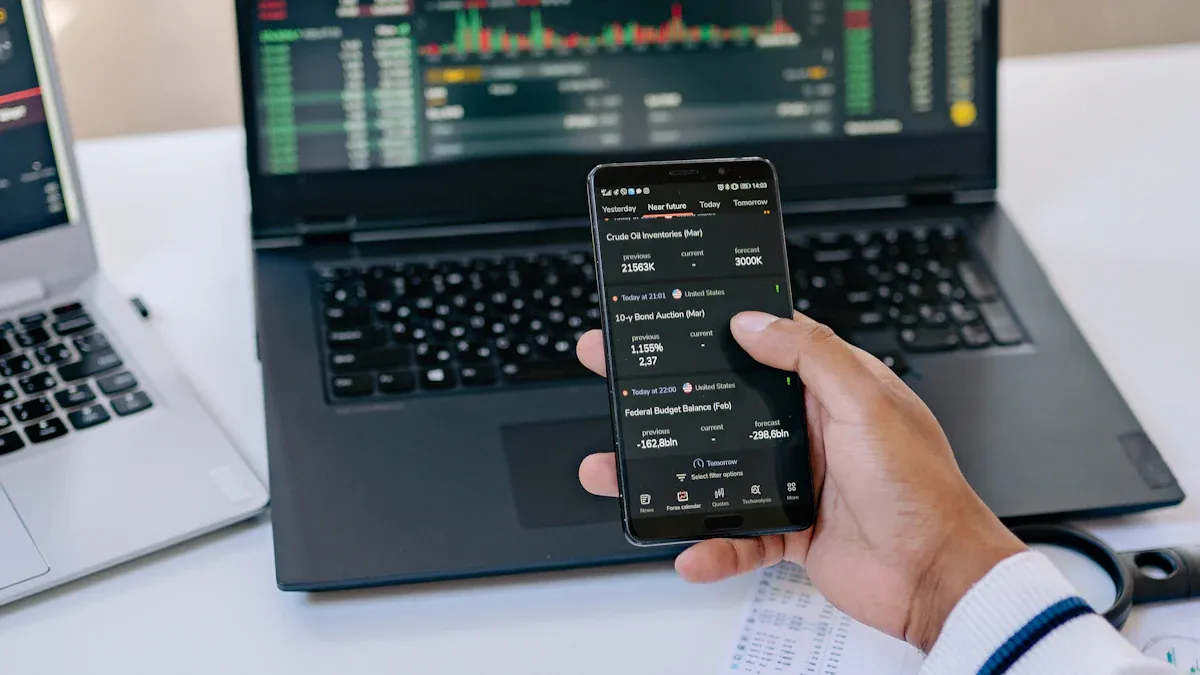
Image Source: pexels
Research Stocks
You need to research stocks before you make your first trade. Start by using stock research platforms that rate stocks based on quality, value, and momentum. These platforms show you key financial ratios like P/E, P/B, and PEG. You can use these numbers to compare companies and find strong investing opportunities. Look for earnings releases, balance sheets, and dividend history to understand a company’s value. News about company leadership or big financial events can also affect stock prices. Many investors use both top-down and bottom-up approaches. You can start with big trends in the economy or focus on a single company’s financial health. Stock screeners and pre-built strategies help you find stocks that match your investing goals.
| Category | Methods / Metrics / Indicators | Description / Use Case |
|---|---|---|
| Fundamental Analysis | Earnings, Balance Sheets | Assess company value |
| Financial Ratios | P/E, P/B, PEG | Compare companies |
| Technical Analysis | Moving Averages, RSI | Spot trends |
Tip: Stay updated with market news and industry blogs. This helps you build a strong story behind each stock pick.
Place Buy or Sell Orders
Once you finish your research, you can place buy or sell orders through your trading account. Log in to your brokerage account and search for the stock you want. Choose the number of shares and decide if you want a market order or a limit order. Market orders fill at the current price, while limit orders let you set your own price. Always double-check your order before you submit it. Many trading platforms offer practice accounts, so you can try trading without risking real money.
Monitor Your Portfolio
After you buy stocks online, you need to monitor your portfolio. Check your portfolio often to track your investing progress. Important metrics include win rate, risk-reward ratio, and total profit and loss. You should also look at your return on investment and risk percentage. Keeping a trading journal helps you see what works and what does not. Use portfolio management tools to track diversification and risk exposure. These tools help you adjust your strategy and improve your returns over time. Watching these numbers helps you make better trading decisions and protect your capital.
Tips for PST Traders
Adjusting to Market Hours
Trading in the Pacific time zone means you start your day earlier than traders in other regions. The U.S. stock market opens at 6:30 a.m. and closes at 1:00 p.m. PST. You need to adjust your routine to match these hours. Many traders focus on the most active period from 6:30 a.m. to 9:30 a.m. PST, when trading volume and price changes are highest. You can use this window to make important decisions for your portfolio. Pre-market and after-hours sessions begin as early as 1:00 a.m. PST on some brokerage platforms, but these periods often have less liquidity and more price swings. You should prepare for trading by reviewing economic reports, which release at 5:30 a.m. PST. Many successful stock trading routines start with a review of news and data before the market opens. Good sleep, healthy meals, and time management help you stay alert during early trading hours. Mobile brokerage apps let you monitor your portfolio and place trades from anywhere.
- Start your trading day early to catch key market moves.
- Focus on the first three hours for the most active trading.
- Use mobile brokerage tools for flexibility.
- Plan your portfolio review after the market closes.
Using Platform Tools
Modern brokerage platforms offer many digital tools to help you with trading and investing. You can use real-time charts, news feeds, and portfolio trackers to stay informed. Many traders rely on digital payments, chat features, and alerts to manage their accounts. These tools help you overcome barriers like language or payment issues. You can use cloud-based portfolio management to track your investments and share insights with others. Digital brokerage platforms also support research and collaboration, making it easier to learn and improve your trading skills.
- Use portfolio trackers to monitor your investments.
- Set up alerts for price changes or news.
- Try digital chat or support features for quick help.
- Use cloud tools to review your portfolio from any device.
Managing Risk
Managing risk is key to protecting your portfolio. You should spread your investments across different sectors to lower risk. Portfolio optimization helps you choose the best mix of assets for your goals. Limit your exposure by sizing each trade to a small part of your total capital. Use stop-loss and take-profit orders to control losses and lock in gains. Many traders use advanced models and data tools to watch for market changes. You can use stress tests and value-at-risk calculations to check how your portfolio might react to big market moves. Keeping a close eye on your portfolio helps you avoid large losses and improve your trading results.
- Diversify your portfolio to reduce risk.
- Use stop-loss and take-profit orders on every trade.
- Limit each trade to a small part of your portfolio.
- Review your portfolio often with digital tools.
You can start trading stocks online in the PST time zone by choosing a reliable brokerage, setting up your account, and funding it. Always check the market hours for your brokerage, as each one may offer different trading times. Build your portfolio step by step and review it often. Use the tools your brokerage provides to track your portfolio and manage risk. Start with a demo account if your brokerage offers one. Keep learning about portfolio management and explore more resources to improve your skills.
FAQ
What is the best time to trade stocks in the PST time zone?
You get the most trading activity between 6:30 a.m. and 9:30 a.m. PST. This period has high volume and price movement. Many traders focus on these hours for better opportunities.
Can I trade stocks before the market opens in PST?
Yes, you can trade during pre-market hours. Some brokers let you start as early as 1:00 a.m. PST. Always check your broker’s rules for pre-market access and trading limits.
Do I need a lot of money to start trading stocks online?
You do not need a large amount. Many brokers let you start with as little as $1 USD (about 7.8 HKD at a 1:7.8 exchange rate). You can buy fractional shares and build your portfolio over time.
How do I keep my trading account safe?
Use strong passwords and enable two-factor authentication. Only transfer money from accounts you own. Choose brokers with good security and always log out after trading.
Trading stocks online in the PST time zone requires strategic planning around market hours (6:30 a.m. to 1:00 p.m. PST, with extended sessions varying by broker) and leveraging digital tools to manage risk and seize opportunities. For investors aiming to diversify globally, high cross-border fees and the complexity of opening overseas accounts can hinder access to markets like Hong Kong. BiyaPay simplifies this by enabling you to invest in both U.S. and Hong Kong stock markets directly on its platform without needing an overseas account. With real-time, fee-free conversion of over 200 digital currencies, including USDT, into 30+ fiat currencies like USD and HKD, and cross-border remittance fees as low as 0.5%. A 1-minute BiyaPay account registration ensures rapid, secure entry, empowering you to align trades with PST market hours, manage volatility, and build a resilient portfolio in 2025.
Start trading smarter in PST! Join BiyaPay.
*This article is provided for general information purposes and does not constitute legal, tax or other professional advice from BiyaPay or its subsidiaries and its affiliates, and it is not intended as a substitute for obtaining advice from a financial advisor or any other professional.
We make no representations, warranties or warranties, express or implied, as to the accuracy, completeness or timeliness of the contents of this publication.
Related Blogs of

The Relationship Between Fed Rate Cuts and New York Stock Market Fluctuations Is No Longer a Simple Cause-and-Effect


Want to Invest in the Chinese Stock Market? Start by Understanding the Shanghai Composite Index

What Does Price-to-Earnings Ratio (PE) Mean? Master It to Navigate the Chinese Stock Market


Ultimate Guide to Applying for a Schengen Visa in the USA in 2025: Understand the Process, Documents, and Timeline in One Article
Choose Country or Region to Read Local Blog
 Australia
 Austria
 Belgium
 Canada
 Cyprus
 Czech Republic
 Denmark
 Estonia
 Finland
 France
 Germany
 Greece
 Hong Kong
 India
India Indonesia
 Ireland
 Italy
Italy Japan
Japan Latvia
 Lithuania
 Luxembourg
 Malaysia
 Malta
Malta Morocco
 Nepal
Nepal Netherlands
 New Zealand
 Norway
 Pakistan
 Philippines
 Poland
 Portugal
 Romania
 Singapore
 Slovakia
 Slovenia
 South Africa
 South Korea
 Spain
Spain Sweden
 Thailand
 The United States
 Turkey
 United Arab Emirates
 United Kingdom
 Vietnam
Contact Us




BIYA GLOBAL LLC is a licensed entity registered with the U.S. Securities and Exchange Commission (SEC No.: 802-127417); a certified member of the Financial Industry Regulatory Authority (FINRA) (Central Registration Depository CRD No.: 325027); regulated by the Financial Industry Regulatory Authority (FINRA) and the U.S. Securities and Exchange Commission (SEC).
BIYA GLOBAL LLC is registered with the Financial Crimes Enforcement Network (FinCEN), an agency under the U.S. Department of the Treasury, as a Money Services Business (MSB), with registration number 31000218637349, and regulated by the Financial Crimes Enforcement Network (FinCEN).
BIYA GLOBAL LIMITED is a registered Financial Service Provider (FSP) in New Zealand, with registration number FSP1007221, and is also a registered member of the Financial Services Complaints Limited (FSCL), an independent dispute resolution scheme in New Zealand.