Basic Knowledge and Applications of Hong Kong Bank Codes



Image Source: unsplash
When you conduct local bank transfers, receive payments, or manage online banking in Hong Kong, you often need to enter a bank code. A bank code is a three-digit number used to identify different Hong Kong banks. For example, bank code 024 represents a specific bank. You may wonder how to look up these codes and how they differ from SWIFT or branch codes. Correctly understanding bank codes can help you avoid transfer errors.
Key Points
- Bank codes are mandatory three-digit numbers for local bank transfers in Hong Kong, accurately identifying banks to ensure funds safely reach the recipient’s account.
- You can find bank codes on bank statements, online banking platforms, bank cards, or official websites; using official lookup tools ensures data accuracy.
- Bank codes differ from branch codes; bank codes represent the entire bank, while branch codes specify individual branches, and both must be correctly entered to avoid transfer failures.
- Bank codes are only used for local transfers; international remittances require SWIFT codes or IBAN, which have different purposes and formats and cannot be interchanged.
- Correctly using bank codes reduces the risk of transfer errors and fund returns; regularly verify official data and contact bank customer service immediately if you have questions.
Bank Code Definition
Main Purposes
When you conduct local bank transfers in Hong Kong, the bank code is mandatory information. This three-digit number accurately identifies each bank, ensuring funds are correctly directed to the recipient’s account. Bank codes are only applicable for transfers between Hong Kong banks and are not used for international remittances.
Bank codes have a wide range of applications, including but not limited to the following:
- When you perform local bank transfers on online banking platforms, you must enter the correct bank code; otherwise, funds may not successfully reach the recipient’s account.
- Small banks often use intermediary banks for cross-border payments, and bank codes serve as an intermediary role in these processes, facilitating fund flows.
- Companies using platforms like Visa B2B Connect leverage API technology to directly connect businesses with receiving banks, with bank codes acting as key identification information for inter-business transactions.
- In digital payments and risk management, the Visa Developer platform provides over 150 APIs, and bank codes help enhance transaction security.
- In mobile payment security, Visa Token Service has issued over one billion secure tokens, with bank codes playing a significant role in ensuring payment safety.
- New forms of financial transactions, such as cryptocurrency payments (e.g., Coinbase Card issued in the UK), also utilize bank codes in various cryptocurrency transactions, expanding their scope of use.
You can see that bank codes are not only essential for local transfers but also play an indispensable role in digital finance, corporate payments, and emerging fintech.
Tip: Bank codes are uniformly managed by the Hong Kong Monetary Authority (HKMA) and the Hong Kong Interbank Clearing Limited (HKICL), ensuring all bank codes are unique and standardized.
Format and Composition
When entering a bank code, you must pay attention to its standard format. Hong Kong bank codes are always three digits, with each bank having a unique code. When making transfers, you typically also need to enter the account number, and some banks may require a branch code.
The following table lists bank codes, account number lengths, and examples for some major Hong Kong banks to help you better understand:
| Bank Name | Bank Code | Account Number Length | Example Account Number and Notes |
|---|---|---|---|
| HSBC | 004 | 10-12 digits | 123456**9001 |
| Hang Seng Bank | 024 | 10-12 digits | 123456**9012 |
| Bank of China (Hong Kong) | 012 | Approx. 11 digits | 61111****67 (HKD deposits/withdrawals, no need to enter 012) |
| Standard Chartered | 003 | Approx. 11 digits | 433888***81 |
| ZA Bank | 387 | Approx. 12 digits | 888812***678 |
| MOX Bank | 389 | 11-13 digits | 74945*****234 (must retain first three digits 749) |
| DBS Bank | 016 | Approx. 12 digits | 9861234***89 (no need to enter 016) |
| Nanyang Commercial Bank | 043 | Approx. 11 digits | 466612**561 (HKD deposits/withdrawals, no need to enter 043) |
| Dah Sing Bank | 040 | 10-11 digits | 7168****888 |
| Shanghai Commercial Bank | 025 | Approx. 11 digits | 3288888**88 |
When entering bank codes, always verify with official bank data to avoid transfer failures due to incorrect codes. Some banks have unique account number structures, which may require adding branch codes or retaining specific digits. If you have questions, contact the bank directly.
Finding Bank Codes
Image Source: unsplash
Lookup Methods
You have several ways to find Hong Kong bank codes. The most common methods include:
- Check your bank statement. Banks typically indicate the bank code on statements.
- Log in to your online banking account. You can find relevant information in the “Account Details” or “Transfer” sections.
- Inspect your bank card. Some banks print the bank code on the card or its envelope.
- Visit the bank’s official website. Most banks list bank codes in the “FAQ” or “Service Guide” sections.
- Use officially recognized lookup tools. For example, Wise’s official website offers bank code and SWIFT code lookup tools. Simply enter the bank name or code, and the system will display the correct bank code and related details. These tools provide detailed structural explanations to help you understand each code’s purpose.
Tip: When using online lookup tools, choose authoritative official websites to ensure data accuracy.
Notes
When looking up and entering bank codes, pay attention to the following:
- Different banks may have varying account number formats. Follow the bank’s guidelines to correctly enter the bank code and account number.
- Some bank branches have branch codes. Distinguish between bank codes and branch codes to avoid confusion.
- Regularly verify official bank data. Banks may occasionally update codes or account structures.
- For international remittances, bank codes and SWIFT codes have different purposes. Choose the correct code based on your needs.
- If in doubt, contact bank customer service directly for the latest and most accurate information.
These steps and precautions help you correctly find and use bank codes, reducing the risk of transfer errors.
Common Bank Codes
Bank Code 024
When filling out local bank transfer details, you often encounter bank code 024. This code is exclusive to Hang Seng Bank. When transferring funds to a Hang Seng Bank account, you must correctly enter bank code 024. This ensures funds safely reach the recipient. When using online banking, paying bills, or receiving payments, systems require you to enter this three-digit code. Many people confuse bank code 024 with branch codes. Remember, bank code 024 only represents Hang Seng Bank, not any specific branch. Always double-check that you’ve entered bank code 024 correctly for local transfers.
Tip: If you have questions, visit Hang Seng Bank’s official website for the latest bank code information or call the customer service hotline.
Other Major Bank Codes
Hong Kong has several major banks, each with a unique three-digit bank code. Refer to the table below for quick access to common bank codes:
| Bank Name | Bank Code |
|---|---|
| HSBC | 004 |
| Hang Seng Bank | 024 |
| Bank of China (Hong Kong) | 012 |
| Standard Chartered | 003 |
| DBS Bank | 016 |
| Nanyang Commercial Bank | 043 |
| Dah Sing Bank | 040 |
| Shanghai Commercial Bank | 025 |
| ZA Bank | 387 |
| MOX Bank | 389 |
You’ll notice that some banks, like HSBC and Bank of China (Hong Kong), may have multiple bank codes for different services or subsidiaries. When transferring, use the correct bank code provided by the recipient. This reduces the risk of funds being misdirected to other banks. If uncertain, contact the bank to ensure accuracy.
Application Scenarios
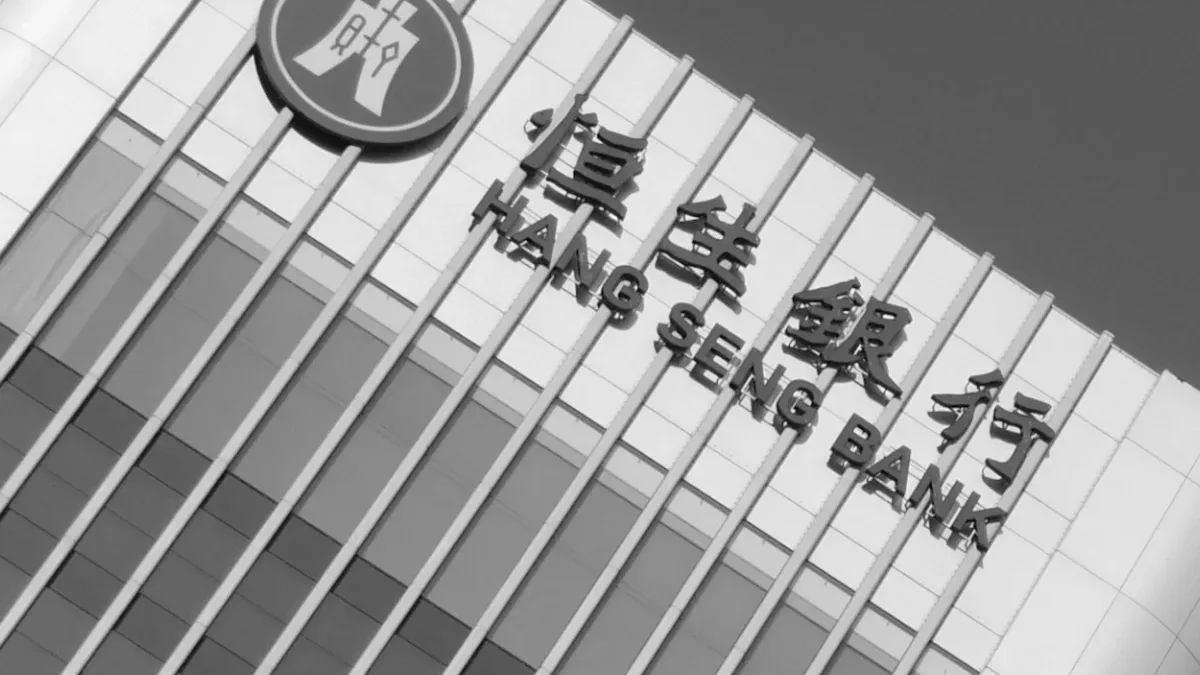
Image Source: pexels
Local Transfers
When conducting local bank transfers in Hong Kong, the bank code is mandatory. Whether using an ATM, online banking, or mobile apps, cross-bank transfers require entering the correct bank code. For example, to transfer funds from HSBC to Hang Seng Bank, you must enter “024” as Hang Seng’s code in the transfer form. This allows the banking system to accurately identify the recipient bank, ensuring funds safely reach the account.
Bank codes appear when paying tuition, rent, or transferring to friends. Some e-wallets or third-party payment platforms (e.g., PayMe, FPS) also require bank codes for binding or transfers. Verify the correct three-digit code based on the recipient’s bank name to avoid delays or returns due to errors.
Tip: Double-check recipient details, especially bank name and account number, when entering bank codes to minimize errors.
Online Banking
Bank codes play a key role in online banking. When opening new accounts, setting up automatic transfers, paying bills online, or establishing fixed deposits, systems require you to enter bank codes. These operations are typically completed within online banking or mobile apps, with simple steps, but you must ensure data accuracy.
Common errors include:
- Entering incorrect bank codes, causing funds to be transferred to other banks or returned.
- Confusing bank codes with branch codes, entering them in the wrong fields.
- Ignoring updated bank codes, using outdated data.
If you encounter these issues, contact bank customer service immediately to check fund status or request corrections. Use official bank websites or recognized lookup tools to confirm the latest bank codes.
Note: Save transaction records and confirmation emails for every online banking operation to aid future verification or fund tracking.
Code Differences
Bank Code vs. Branch Code
When conducting local bank transfers, you often encounter “bank code” and “branch code” fields. A bank code is a three-digit number identifying Hong Kong banks. For example, HSBC’s bank code is 004, and Hang Seng’s is 024. These codes are assigned by the Hong Kong Monetary Authority to ensure each bank has a unique code.
Branch codes identify specific bank branches. Each bank has multiple branches in different regions, each with a unique branch code. When filling out transfer details, you typically need to enter both bank and branch codes to ensure funds reach the account at the designated branch.
| Item | Purpose | Example (HSBC) |
|---|---|---|
| Bank Code | Identifies the bank | 004 |
| Branch Code | Identifies a specific branch | 123 |
Note: Distinguish between bank and branch codes. Bank codes represent the entire bank, while branch codes specify branches. Entering either incorrectly may prevent funds from being credited.
Bank Code vs. SWIFT/IBAN
For international remittances, bank codes are not applicable. Instead, you need SWIFT codes or IBAN. A SWIFT code is an 8-to-11-character alphanumeric code identifying banks worldwide. IBAN is an international bank account number, primarily used in Europe and other regions.
For transfers between Hong Kong banks, you only need bank and branch codes. For remittances from Hong Kong to the US or other countries, banks require the recipient’s SWIFT code and sometimes IBAN.
Key differences include:
- Bank Code: Used only for Hong Kong local bank transfers.
- SWIFT Code: Used for international remittances, globally recognized.
- IBAN: Used in some countries (e.g., Europe), standardized account numbers.
| Code Type | Scope | Example Format | Purpose |
|---|---|---|---|
| Bank Code | Hong Kong local | 004 | Local transfers |
| SWIFT Code | International | HSBCHKHHXXX | International remittances |
| IBAN | Europe and other regions | GB29NWBK60161331926819 | International remittances |
Tip: For international remittances, confirm the correct SWIFT code and IBAN with the recipient. Bank codes are only for Hong Kong local transfers and cannot be used internationally.
In daily financial operations in Hong Kong, bank codes like 024 are crucial. Correctly entering bank codes ensures funds are accurately credited to the designated account. Entering incorrect bank codes may lead to returns or additional fees. Regularly verify data using official bank websites or customer service to ensure accuracy. This minimizes transfer errors and protects your funds.
FAQ
How do I find my bank’s bank code?
You can log in to online banking and check the “Account Details” page. Bank codes are also found on bank statements or cards. Visit the bank’s official website for the latest information.
What’s the difference between bank and branch codes?
Bank codes identify the entire bank, e.g., HSBC is 004. Branch codes specify branches, e.g., Central branch is 123. Enter both correctly to ensure funds are credited.
What happens if I enter the wrong bank code for a transfer?
If you enter the wrong bank code, funds may be returned. Some banks charge fees, around 5 to 10 USD, depending on the exchange rate. Contact the bank immediately to check.
Do local transfers and international remittances use the same code?
Local transfers require bank codes. International remittances use SWIFT codes or IBAN. They have different purposes and cannot be interchanged. Choose the correct code based on your needs.
What are the bank codes for major Hong Kong banks?
| Bank Name | Bank Code |
|---|---|
| HSBC | 004 |
| Hang Seng Bank | 024 |
| Bank of China (Hong Kong) | 012 |
| Standard Chartered | 003 |
Refer to the table above for quick access to three-digit codes of common banks.
Hong Kong bank codes (e.g., HSBC 004, Hang Seng 024) ensure precise and secure local transfers, but high international remittance fees (approx. USD 5-10) and the complexity of SWIFT/IBAN can increase cross-border wealth management costs—how can you enhance global fund flow efficiency? BiyaPay offers an all-in-one financial platform, enabling seamless trading of Hong Kong’s financial and tech sectors and US stable assets without offshore accounts, extending the reliability of local bank codes to global investments and capturing worldwide market opportunities.
Supporting USD, HKD, and 30+ fiat and digital currencies, real-time exchange rate tracking ensures cost transparency, while global remittances to 190+ countries feature transfer fees as low as 0.5%, significantly below traditional bank costs, with swift delivery to meet digital finance needs. A 5.48% annualized yield savings product, with no lock-in period, balances market volatility with steady returns. Sign up for BiyaPay today to integrate local bank code efficiency with BiyaPay’s worldwide financial solutions, creating a secure, convenient wealth management experience!
*This article is provided for general information purposes and does not constitute legal, tax or other professional advice from BiyaPay or its subsidiaries and its affiliates, and it is not intended as a substitute for obtaining advice from a financial advisor or any other professional.
We make no representations, warranties or warranties, express or implied, as to the accuracy, completeness or timeliness of the contents of this publication.
Related Blogs of

Is the W-8BEN Form Required for Opening a US Stock Account? Understand How to Save on Taxes in One Article

Annual Review: Best Performing US Stock ETFs in 2026 and the Logic Behind Them

Essential Apps for Getting Started with US Stock Futures: These Apps Will Turn You into a Pro

Micro Dow, Micro Nasdaq, Micro S&P Futures Comprehensive Comparison – Helping You Find the Best Trading Choice

Choose Country or Region to Read Local Blog
 Australia
 Austria
 Belgium
 Canada
 Cyprus
 Czech Republic
 Denmark
 Estonia
 Finland
 France
 Germany
 Greece
 Hong Kong
 India
India Indonesia
 Ireland
 Italy
Italy Japan
Japan Latvia
 Lithuania
 Luxembourg
 Malaysia
 Malta
Malta Morocco
 Nepal
Nepal Netherlands
 New Zealand
 Norway
 Pakistan
 Philippines
 Poland
 Portugal
 Romania
 Singapore
 Slovakia
 Slovenia
 South Africa
 South Korea
 Spain
Spain Sweden
 Thailand
 The United States
 Turkey
 United Arab Emirates
 United Kingdom
 Vietnam
Contact Us




BIYA GLOBAL LLC is a licensed entity registered with the U.S. Securities and Exchange Commission (SEC No.: 802-127417); a certified member of the Financial Industry Regulatory Authority (FINRA) (Central Registration Depository CRD No.: 325027); regulated by the Financial Industry Regulatory Authority (FINRA) and the U.S. Securities and Exchange Commission (SEC).
BIYA GLOBAL LLC is registered with the Financial Crimes Enforcement Network (FinCEN), an agency under the U.S. Department of the Treasury, as a Money Services Business (MSB), with registration number 31000218637349, and regulated by the Financial Crimes Enforcement Network (FinCEN).
BIYA GLOBAL LIMITED is a registered Financial Service Provider (FSP) in New Zealand, with registration number FSP1007221, and is also a registered member of the Financial Services Complaints Limited (FSCL), an independent dispute resolution scheme in New Zealand.